rotating globe
6 Apr 2026


Ban on non-sanatanis in Badri-Kedar temples

Temple committee plans entry restriction at 47 Uttarakhand shrines ahead of Char Dham Yatra

The Shri Badrinath-Kedarnath Temple Committee (BKTC) has proposed restricting the entry of non-Sanatanis, or non-Hindus, into temples under its administration, including the prominent Badrinath and Kedarnath shrines in Uttarakhand.

The proposal was approved during a recent meeting of the committee held in Dehradun as part of preparations for the upcoming Char Dham Yatra. If implemented, the restriction will apply to around 47 temples managed by the committee across the state.

Officials said the move is intended to preserve the religious traditions and sanctity of these temples, which are regarded as some of the holiest pilgrimage sites for Hindus. According to the proposal, only followers of Sanatan Dharma would be allowed to enter the temple premises and take part in religious activities at these shrines.

Badrinath and Kedarnath are key temples in the Char Dham pilgrimage circuit and attract lakhs of devotees every year. Authorities are expecting a large turnout of pilgrims during the 2026 Char Dham Yatra, which is scheduled to begin in April.

During the meeting, the temple committee also approved a budget of about ₹121 crore for development works and arrangements for the pilgrimage season. Of this amount, about ₹57.47 crore has been allocated for works at Badrinath Dham, while approximately ₹63.60 crore has been earmarked for Kedarnath Dham.

The funds will be used to strengthen infrastructure and improve facilities for pilgrims, including accommodation, sanitation, electricity and water supply. Officials said the aim is to ensure better management and services for devotees visiting the temples during the yatra.

The committee also discussed measures to improve crowd management and coordination during the pilgrimage season. As part of the preparations, a camp office is expected to be set up in Rishikesh to help with administrative work and logistics related to the Char Dham Yatra.

Also Read: Don’t panic over energy crisis, says PM Modi

Don’t panic over energy crisis, says PM Modi

He urges people not to panic amid West Asia conflict

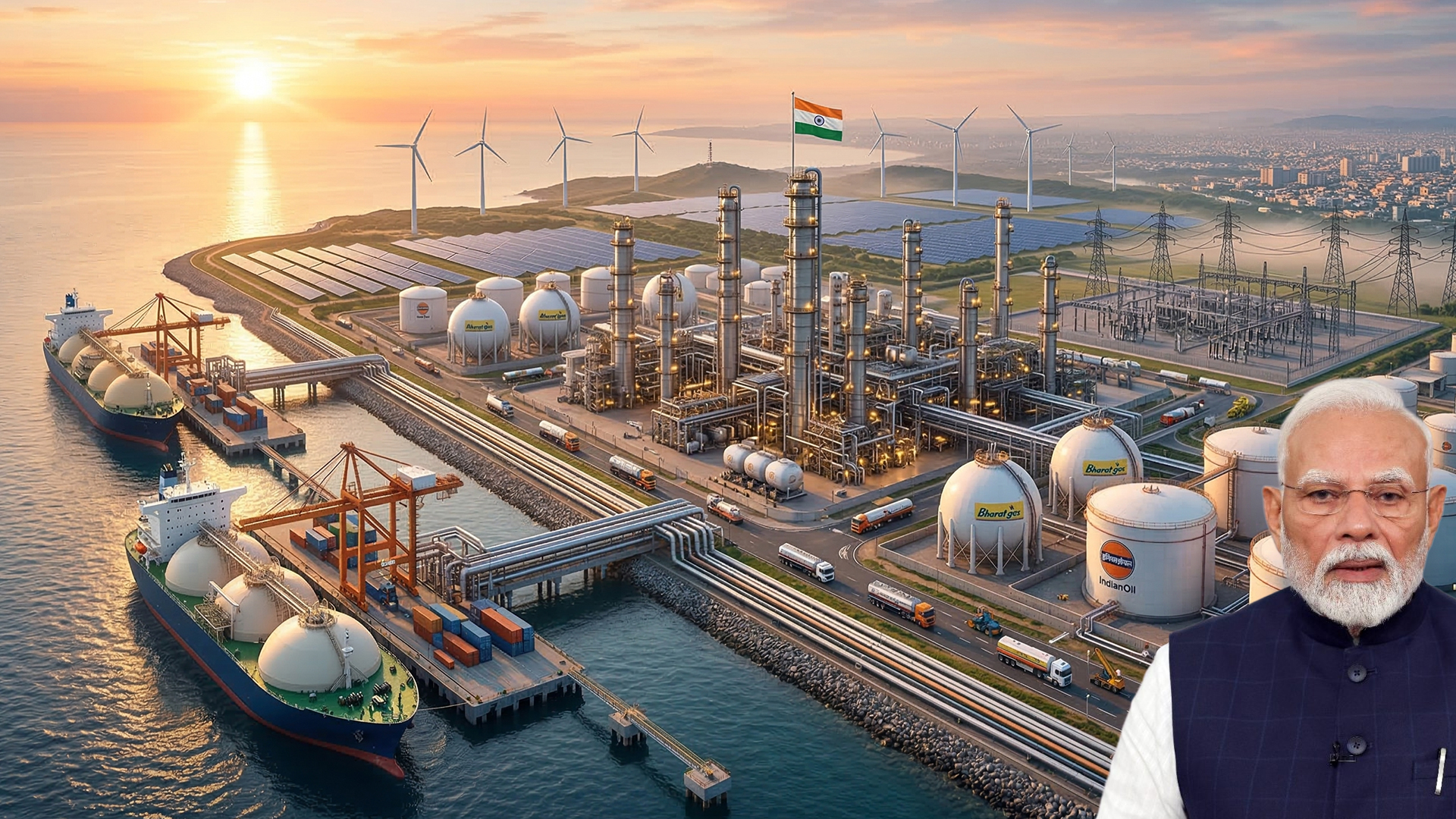
Prime Minister Narendra Modi on Wednesday assured that India will successfully deal with the energy crisis caused by the ongoing conflict in West Asia and urged people not to panic.

Speaking at a public event in Tiruchirappalli in Tamil Nadu, Modi said the war in West Asia has affected the global energy supply chain. He noted that many countries, including India, depend on oil and gas from the region, which has led to concerns about fuel availability and prices.

However, the Prime Minister said the situation should not cause panic as the government is closely monitoring developments and taking steps to manage the impact. He said India has handled difficult situations in the past and will overcome this challenge as well.

Modi compared the current situation to the challenges faced during the COVID-19 pandemic. He said the country showed unity and resilience during the pandemic and expressed confidence that people would respond in the same way to the current energy situation.

The Prime Minister also asked citizens not to spread rumours about fuel shortages or disruptions in supply. He urged people to rely only on verified information and avoid creating unnecessary panic.

Highlighting the broader impact of the conflict, Modi said the tensions in West Asia have disrupted energy supply chains worldwide. Many countries that rely heavily on oil imports are facing similar concerns.

He added that the government is continuing its efforts to strengthen India’s energy security. Steps such as expanding renewable energy, promoting electric vehicles and increasing domestic energy production are part of the country’s long-term strategy to reduce dependence on imported fuel.

Also Read: 4 hurt as drones fall near Dubai airport


4 hurt as drones fall near Dubai airport

Two drones crash near Dubai International Airport, an Indian among those injured

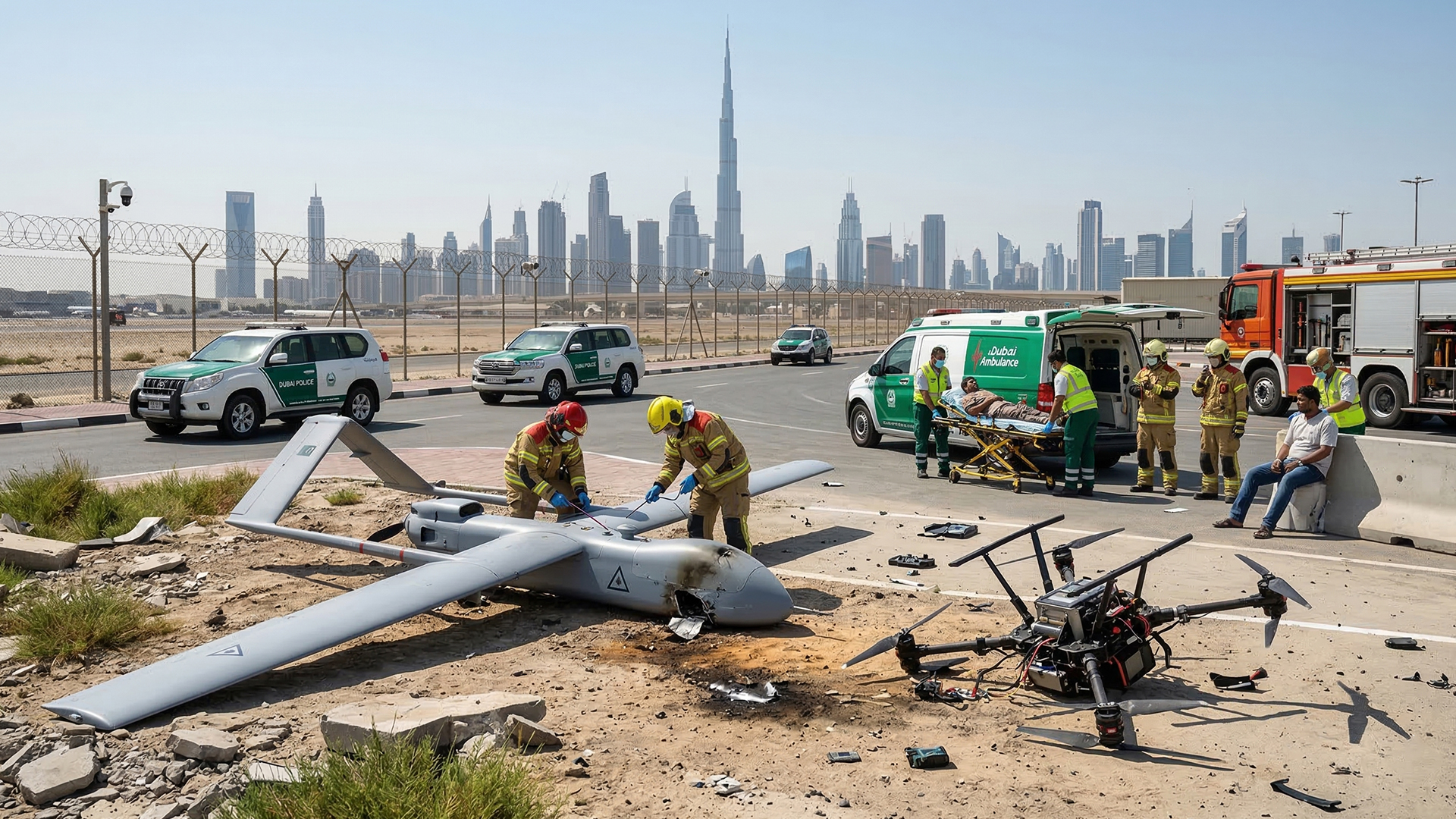
Two drones, reportedly from Iran, fell near Dubai International Airport on Wednesday, March 11, 2026, leaving four people injured, including an Indian national. The incident occurred during ongoing tensions in the Middle East involving Iran, Israel, and the United States.

The Dubai Media Office said three foreign nationals, two Ghanaians and one Bangladeshi, suffered minor injuries, while the Indian national was moderately hurt and received medical care.

Despite the drones falling close to the airport, flights were not significantly affected. Aircraft continued taking off and landing normally, and authorities said there was no major disruption to airport operations.

This incident is part of rising regional tensions. Iran has been launching drone and missile attacks in response to military actions in the area, raising safety concerns for civilians and infrastructure. Several Gulf countries have been affected, prompting some airlines to delay, cancel, or reroute flights due to safety risks.

Dubai authorities confirmed that the airport remains open but advised travelers to check their flight schedules before traveling, as security measures may affect timing.

Regional leaders and the Gulf Cooperation Council have condemned attacks near civilian areas and are discussing ways to protect key infrastructure. The situation remains uncertain, with growing concerns over safety, trade, and energy supplies in the region.

Also Read: AI is changing how medicines are made

AI is changing how medicines are made

Artificial intelligence is helping scientists find and design drugs faster, cheaper, and more safely

Artificial intelligence (AI) is starting to play a big role in developing new medicines. Normally, creating a new drug takes 10–15 years and costs billions of dollars, and most drugs fail before reaching patients. AI tools are now helping scientists speed up this process and reduce costs.

One way AI helps is by studying large amounts of biological data to find promising targets in the body that a drug can act on. AI can then suggest new molecules that might work on these targets. It can also predict early whether a potential drug might be safe or effective, which reduces the need for expensive lab tests. Early results show that AI-designed molecules are more likely to pass safety tests than those developed the traditional way.

AI is also improving the chemistry side of drug development. New AI tools can predict how molecules will form and behave, guiding chemists on the best ways to make drugs. This can cut months of lab work into just days.

Beyond discovery, AI is helping design better clinical trials by choosing suitable participants and planning studies more efficiently. It can also help with manufacturing and quality control, making drug production faster and more reliable.

Many tech companies are now working closely with pharmaceutical firms. These partnerships use advanced AI systems to analyze both experimental and computer-generated data. The goal is to create more effective medicines more quickly.

AI won’t replace scientists, but it supports them by handling large amounts of data and offering smarter options. With these tools, future medicines could reach patients sooner, cost less, and treat diseases that were previously hard to tackle.

Also Read:  SC approves first passive euthanasia in India

Meta acquires Moltbook, AI bots network

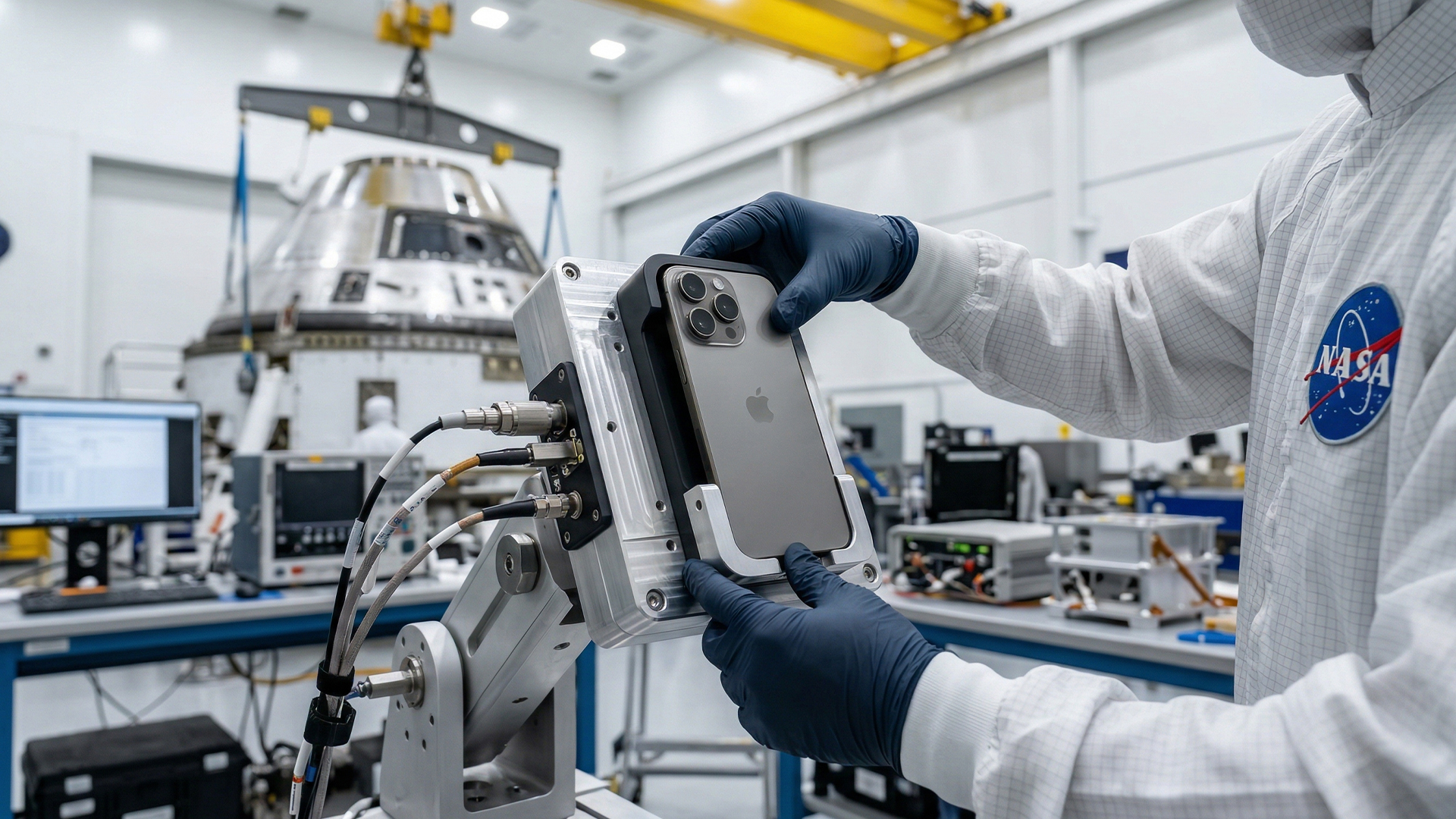
Shift from China boosts India’s role in global iPhone manufacturing

Meta Platforms has purchased Moltbook, a social network designed exclusively for AI programs, not humans. The deal brings Moltbook founders Matt Schlicht and Ben Parr to Meta’s Superintelligence Labs (MSL), the company’s advanced AI research division. The financial terms of the acquisition were not disclosed.

Launched in January, Moltbook allows AI “agents” to create posts, comment, and upvote content automatically. Users never have to write anything themselves. The platform became widely known because its AI agents appeared to behave socially, creating viral or unusual posts. However, some early popular posts were later discovered to involve human input.

Meta says the acquisition will help it explore new ways for AI agents to assist people and businesses. The platform will continue operating for existing users, but the company has not shared details about long-term plans or integration.

Industry observers note that Moltbook represents a growing trend in “agentic AI” — autonomous software systems that can act independently online. Meta’s acquisition also signals competition with other major AI players, who are building ecosystems of bots and agents to perform tasks without constant human supervision.

The platform’s rise came with challenges. Security issues allowed humans to manipulate AI accounts, raising questions about authenticity and platform safety. Experts caution that open AI ecosystems must balance creativity with safeguards to prevent misuse.

Meta’s move illustrates its broader strategy of embedding AI deeply into its technology stack, moving toward a future where autonomous agents operate alongside humans to perform tasks, share information, and communicate socially online. The Moltbook acquisition provides both talent and a testing ground for these ideas.

Also Read: ‘Homebound’, ‘Black Warrant’ lead Critics’ Choice nominations

SC approves first passive euthanasia in India

Life support to be withdrawn for man in vegetative state for over 12 years

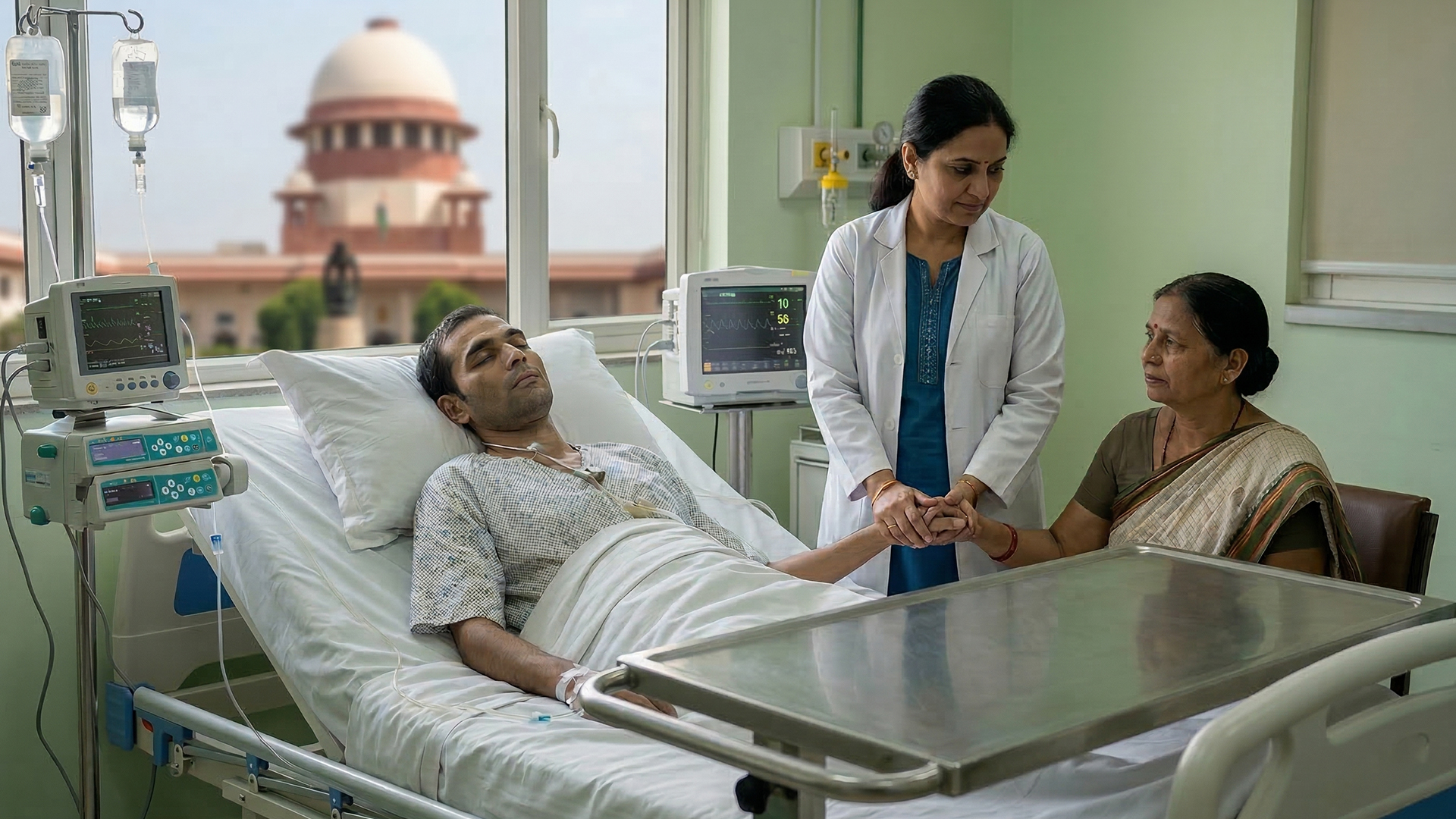
For the first time in India, the Supreme Court has allowed passive euthanasia, giving a green light to stop medical treatment that keeps a patient alive when there is no hope of recovery.

The case involves Harish Rana, a 32‑year‑old man from Ghaziabad, who has been in a vegetative state since 2013 after a severe accident. His father requested that doctors be allowed to withdraw life support, including the tube feeding and medical assistance keeping him alive, as Harish’s condition was irreversible.

A Bench of Justices J.B. Pardiwala and K.V. Viswanathan approved the request, directing that the procedure be carried out at AIIMS Delhi under careful supervision, ensuring it is dignified and humane. Medical boards confirmed that continued treatment would only prolong life without any chance of recovery.

While Indian law had recognized passive euthanasia earlier, this is the first time it has actually been implemented following judicial approval, making it a landmark moment in the country’s healthcare and legal history.

The court emphasized that dignity in end-of-life care is an important constitutional right. It also suggested that the government consider a law to guide future cases, ensuring clarity and compassion for patients and their families.

The decision has sparked nationwide discussion about the ethics of end-of-life care, balancing human compassion with medical realities, and respecting the wishes of families faced with difficult choices.

Also Read: Nick Jonas’ childhood friend Maya Kibbel dies at 30

Indian restaurants struggle to keep kitchens running

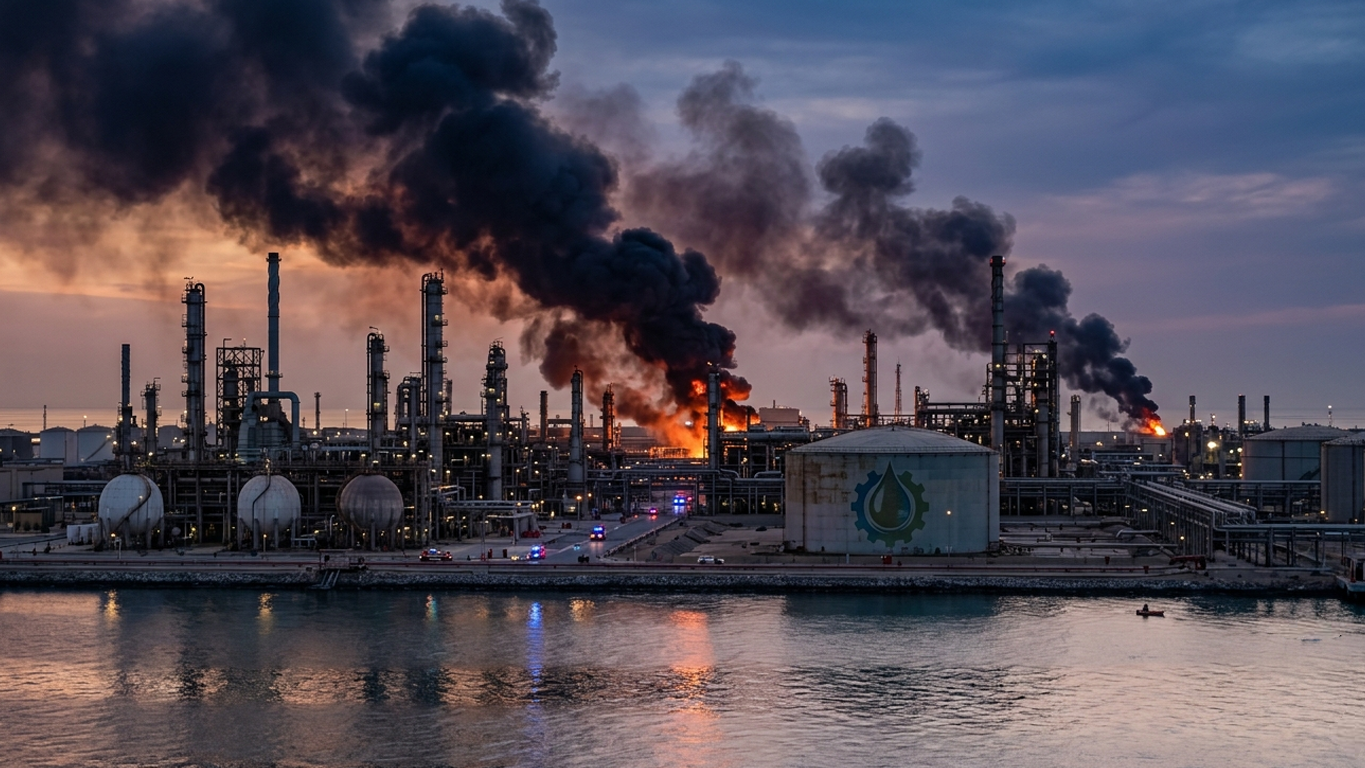
LPG shortage worsens today due to west Asi. Eateries in major cities cut menus, warn closures

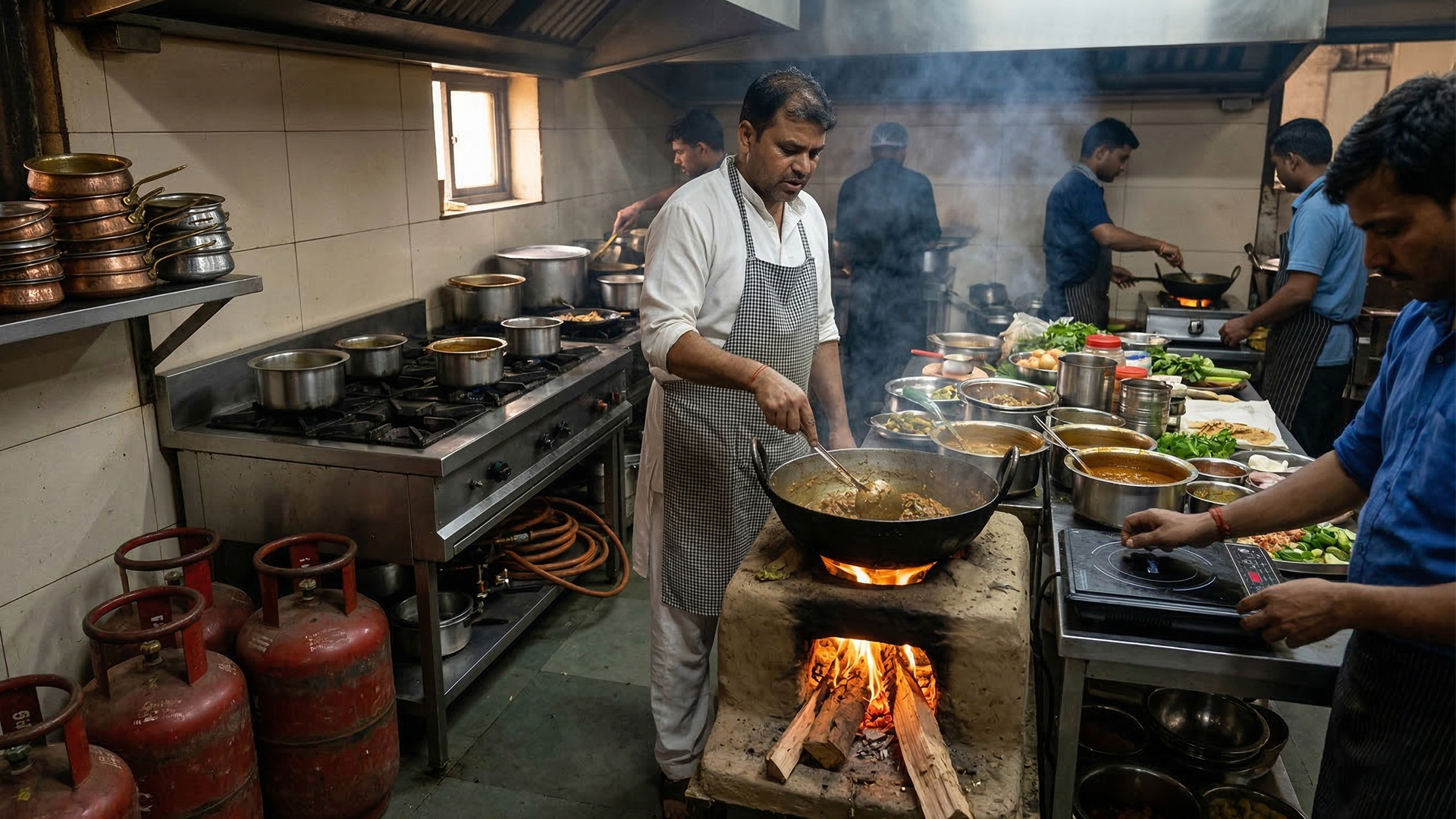
The shortage of commercial LPG cylinders across several Indian cities worsened on Wednesday, leaving restaurants and food businesses struggling to keep their kitchens running. The problem has been reported in cities such as Hyderabad, Bengaluru, Mumbai and Pune, where eateries rely heavily on LPG for daily cooking operations.

In Hyderabad, the situation has become particularly serious. Restaurant associations warned that nearly 90% of eateries could shut down within 48 hours if the supply of commercial LPG cylinders does not improve. Some restaurants have already started limiting their menus, while a few smaller outlets have temporarily closed because they ran out of cooking gas.

Specific incidents highlight the scale of the crisis. Several restaurants in Hyderabad’s busy food hubs such as Ameerpet and Madhapur reported running out of LPG cylinders and suspending cooking operations for a few hours while waiting for supplies. In some cases, restaurant owners said suppliers informed them that deliveries could take two to four days, far longer than the usual next-day refill service.

Similar disruptions are being reported in Bengaluru, where restaurant associations say hundreds of eateries are facing delays in cylinder deliveries. Some small restaurants and roadside food stalls have begun reducing their working hours to conserve LPG. In Mumbai and Pune, hotel associations said many establishments have been forced to operate with fewer menu options due to limited gas supplies.

Also Read: Iran strikes Gulf as Trump sends mixed war signals

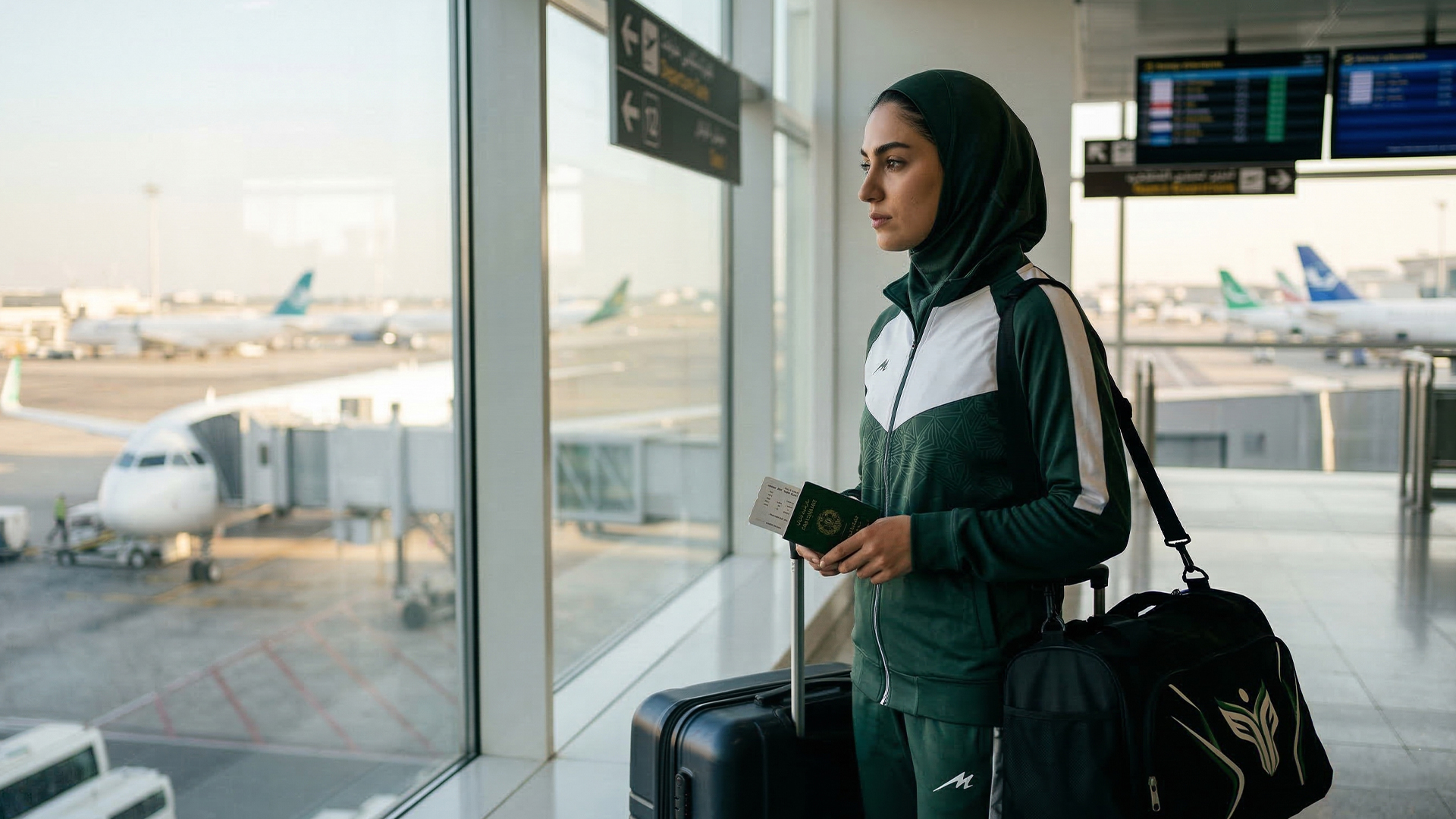
Iran women footballers seek asylum in Australia

Seven team members get protection while one player decides to return home

Several members of Iran’s women’s football team have asked for asylum in Australia during the ongoing tournament there. They said they fear punishment if they return to Iran.

Australian authorities have now given asylum to seven members of the Iranian delegation. This group includes players and support staff. The decision came after the athletes spoke with officials and explained their concerns about safety if they go back home.

The issue began after some Iranian players reportedly did not sing the national anthem before a match in the tournament. Iranian state media later criticised them and called them “traitors”. This raised fears that the players might face punishment from authorities in Iran after returning.

Soon after this, five members of the team left their camp in Australia and asked the Australian government for protection. Later, two more members of the delegation also requested asylum. After interviews and checks, Australia agreed to give them humanitarian visas.

Australia’s Home Affairs Minister said the players were interviewed individually and were free to make their own decision. He said no pressure was placed on them either by the Australian government or their team officials. The players who received protection will be allowed to stay in Australia and may later apply for permanent residency. They will also get support such as language classes, help finding jobs and access to education.

However, one player who first asked for asylum later changed her mind. She contacted the Iranian embassy and decided to return to Iran. Reports said her decision revealed the location of the other players, so authorities moved the remaining group to a safer place.

The incident has also created tension between Iran and Australia. Iranian officials accused Australia of holding the players “hostage”. Australia strongly denied this and said the athletes made their decisions freely.

Most members of the Iranian team have now left Australia and travelled to Malaysia as part of the tournament schedule. But the players who received asylum will remain in Australia under government protection.

Also Read: India eases FDI rules for China, border nations