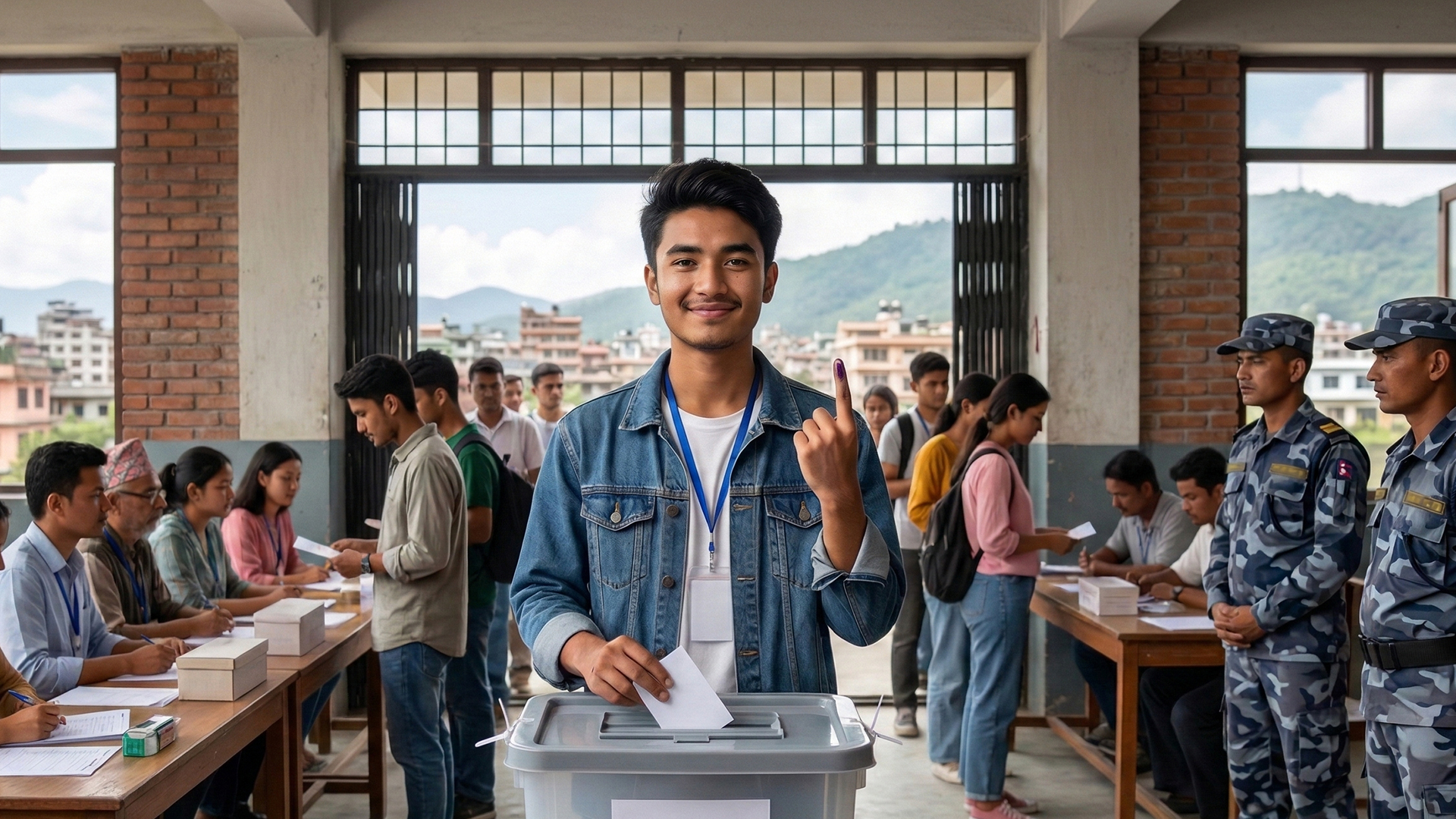
Nepal recorded about 10% voter turnout in the early hours of polling as voting began in parts of the country, officials said. Authorities expect the turnout to rise steadily as more voters reach polling stations through the day.
The elections are taking place under tight security arrangements, with thousands of security personnel deployed to ensure peaceful voting. Election officials have urged citizens to participate actively in the democratic process.
Nepal’s current political landscape has been shaped by years of political change and instability. One of the most significant events in recent history was the power grab by former king Gyanendra Shah in 2005.
On February 1, 2005, the monarch dismissed the elected government led by Sher Bahadur Deuba, declared a state of emergency and took direct control of the government. Several political leaders were arrested or placed under house arrest, while media freedom and civil liberties were restricted.
The move triggered massive protests across Nepal. Political parties, civil society groups and citizens staged demonstrations demanding the restoration of democracy. Under intense pressure, the king restored parliament in 2006.
The political developments that followed led to the abolition of the monarchy in 2008, turning Nepal into a federal democratic republic.
Despite the shift to democracy, Nepal has continued to face political instability, with frequent changes in government and disagreements among major political parties. Economic concerns and governance issues have also added to public frustration.
In recent years, youth-led protests have gained attention, with many young voters calling for political reforms, transparency and better job opportunities.
The current elections are therefore being closely watched as an important step in Nepal’s democratic journey. Millions of eligible voters are expected to cast their ballots to elect representatives to the national parliament.
Also Read: Nitish Kumar confirms Rajya Sabha bid