A century ago, the Rashtriya Swayamsevak Sangh (RSS) began as a modest group of volunteers in Nagpur in 1925. Today, as the organisation celebrates its centenary with national honors and public debate, its evolution reflects the changing currents of India’s social and political life.
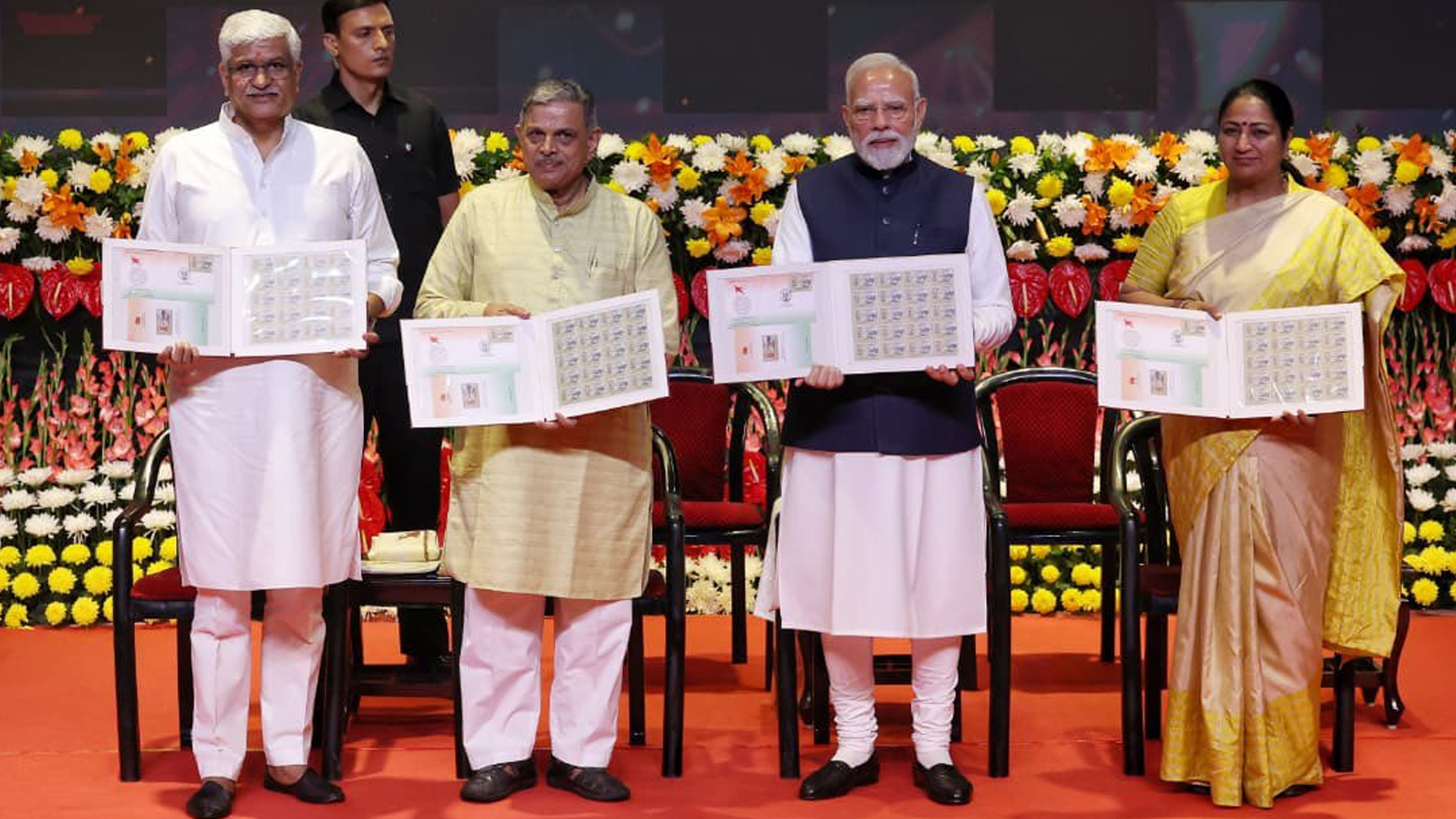
On the eve of this 100th year, Prime Minister Narendra Modi unveiled a commemorative postage stamp in New Delhi, showcasing RSS volunteers as they appeared during the 1963 Republic Day Parade, a deeply cherished moment within the organisation, though rarely found in official records. This stamp honors more than just history; it acknowledges the RSS’s evolving role in shaping India’s public life.
The stamp depicts RSS volunteers marching in the 1963 Republic Day Parade, a moment celebrated within the Sangh, though official records of its participation remain absent.
The gesture has sparked both attention and debate, but for the Sangh, it is more about remembrance than controversy. For supporters, the centenary is an opportunity to reflect on how an organisation once perceived as marginal has become a central force in shaping India’s social and political life.
Addressing the celebrations, RSS General Secretary Dattatreya Hosabale spoke of the “unwavering trust” the organisation has enjoyed from the public across generations. He described this trust as the foundation that transformed the Sangh from a small cadre into one of the country’s most influential movements. Hosabale urged swayamsevaks—RSS volunteers—to see the centenary not just as a celebration, but as a call to rededicate themselves to service and youth engagement.
The political dimension is hard to ignore. In recent months, PM Modi has publicly described the RSS as the world’s largest NGO, praising its role in grassroots nation-building. The release of the stamp adds another layer of recognition, hinting at how deeply the Sangh is now woven into India’s mainstream discourse.
As it steps into its second century, one thing is clear: whether viewed with admiration or skepticism, the RSS has left an indelible mark on India’s social and political fabric, one that continues to evolve with time.