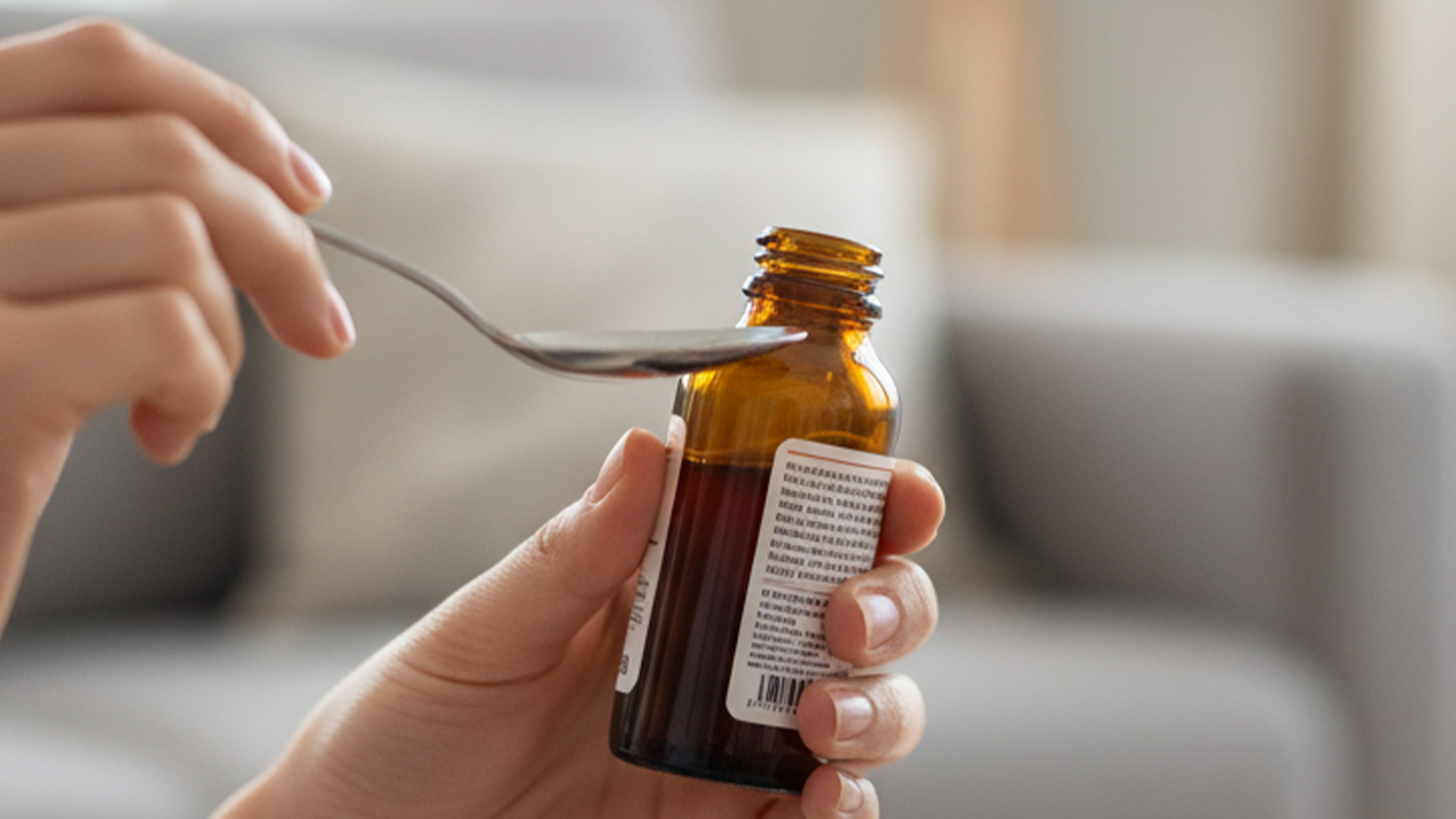
When a basic cough syrup, meant to heal, turns fatal, it shatters the trust one has in basic medicines. In Rajasthan’s Sikar district, a five-year-old child has died after consuming a government-supplied cough syrup, which was a heartbreaking incident that has reignited fears about the safety of India’s public health system.
The syrup, laced with the compound dextromethorphan, was distributed under the state’s flagship free medicine scheme for the poor. Instead, it may have turned lethal. Manufacturing records traced the supply back to Kaysons Pharma, with the same batch reaching more than 1.3 lakh patients across the state.
This tragedy brings back the painful echoes of Delhi in 2021, where a similar syrup was linked to the deaths of three children, forcing health authorities there to ban its use for children under the age of four. Rajasthan, however, continued administering the drug even to toddlers. There might be so many cases across many states that are not brought to notice, and health authorities should be vigilant to check for the illegal supply of banned medicines.
The child’s sudden passing has shaken communities, with reports that other children in Sikar and Bharatpur also fell ill after taking the syrup. With immediate effect, health officials have now pulled it off the shelves, while a three-member probe panel begins sifting through whether the batch was tainted or safety protocols were ignored.
The public anger is valid, and there is an uproar. Activist groups like Jan Swasthya Abhiyan and volunteers accuse the government of negligence, stating that parents place their faith in government hospitals. They believe the free medicine handed to them is safe at the cost of their child’s life.
As grieving parents wait for answers, the tragedy casts a harsh spotlight on India’s free medicine programs. The scheme designed to protect the most vulnerable is now under a cloud of suspicion and rising questions around whether to believe the label in the pretext of free medicines or just risk it all.