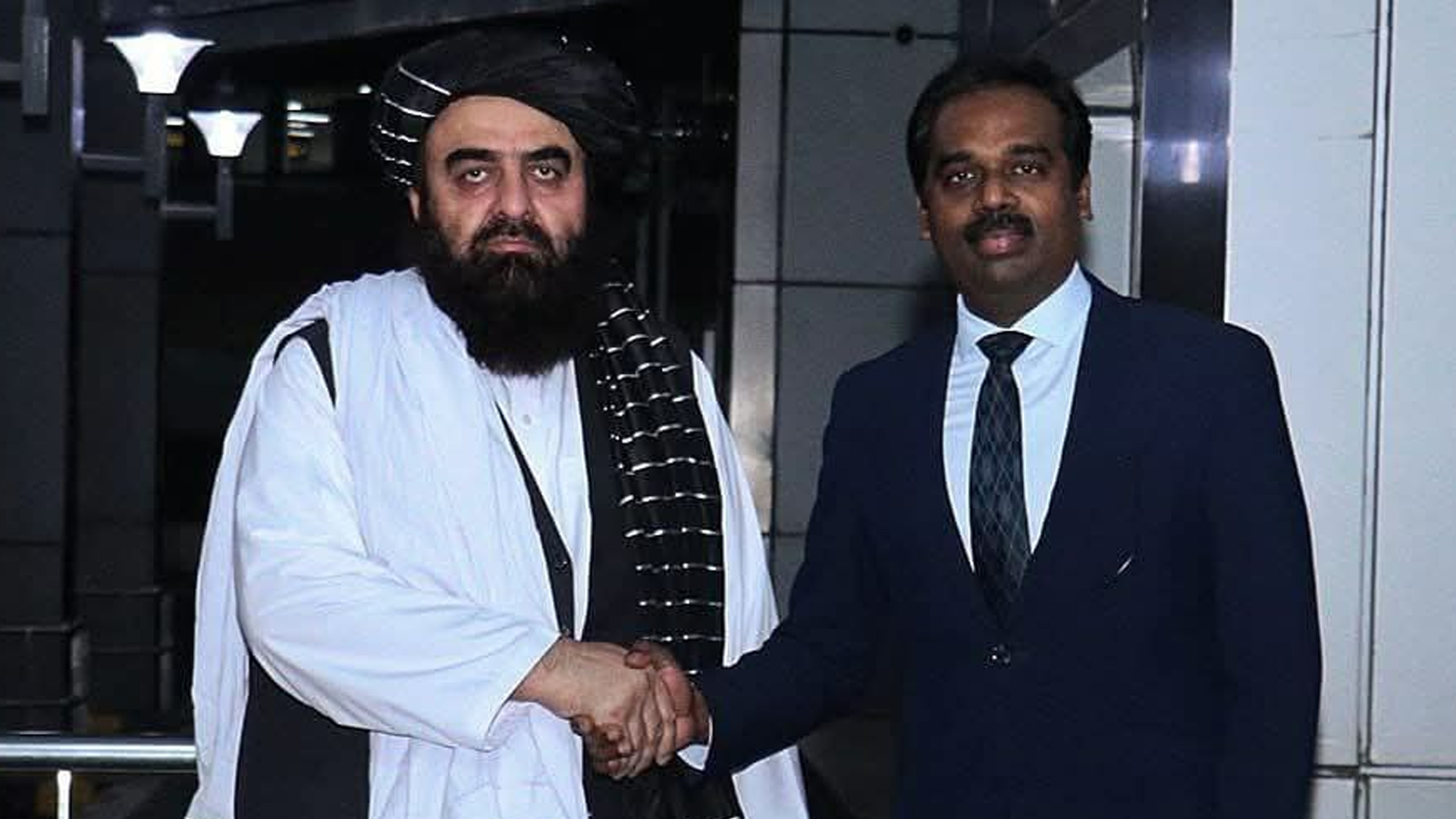
Acting Afghan Foreign Minister Amir Khan Muttaqi landed in New Delhi on Thursday, embarking on his first high-level trip to India since the Taliban takeover in 2021. The six-day visit is being closely watched, as it may reshape the contours of India’s diplomatic engagement with Kabul.
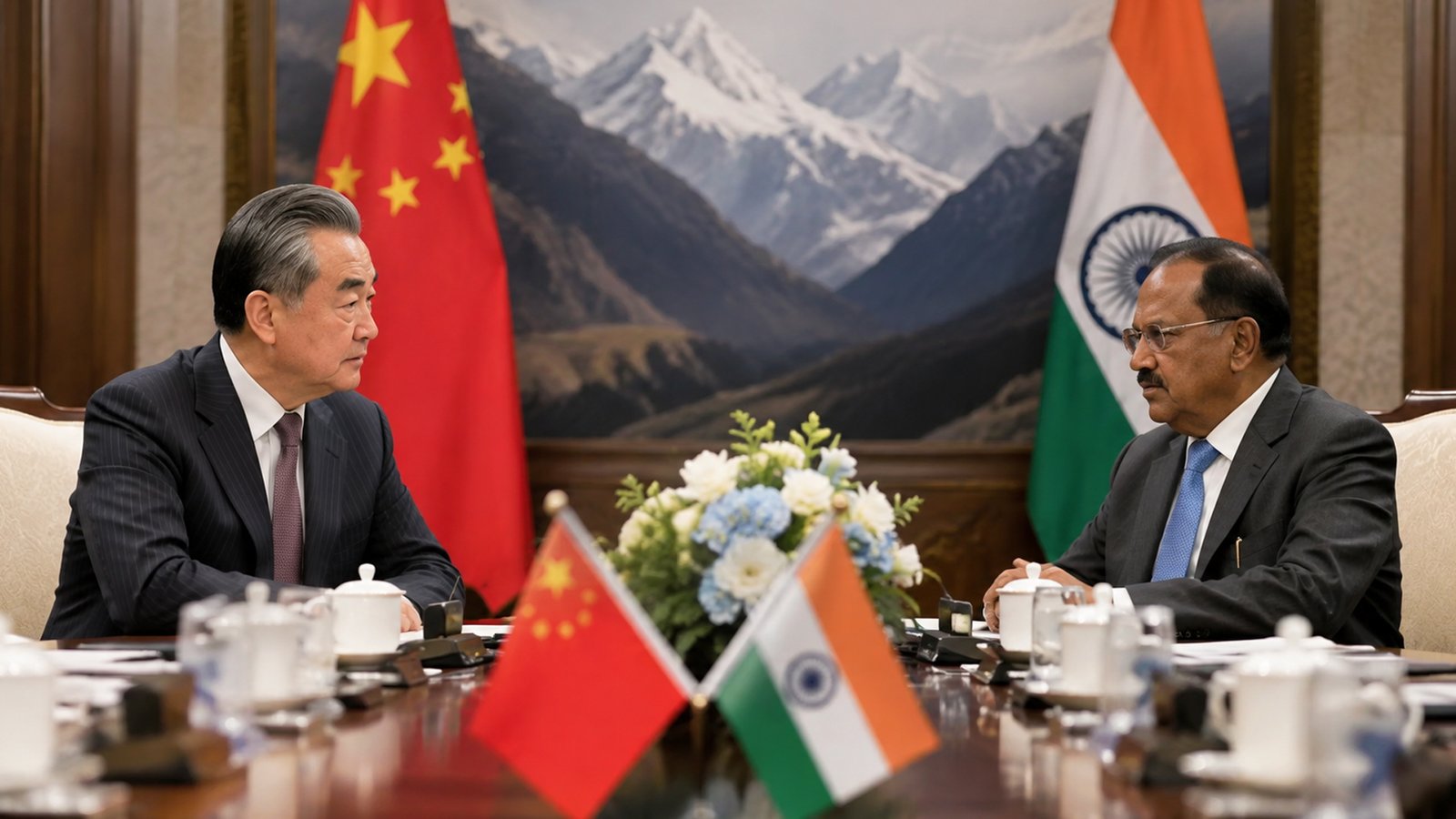
Mr. Muttaqi is slated to hold detailed talks with External Affairs Minister S. Jaishankar and National Security Advisor Ajit Doval, during which bilateral, regional and security issues are expected to come under discussion. According to Indian officials, his itinerary also includes visits to Darul Uloom Deoband, Delhi’s Islamic university, and the Taj Mahal in Agra.
UN Sanctions Waiver Enables Visit
Muttaqi had been subject to a United Nations travel restriction imposed under the Taliban sanctions regime. On September 30, the UN Security Council’s sanctions committee granted a temporary waiver to permit his foreign travel between October 9 and 16, thereby clearing the way for his visit to India. Without this clearing, his trip would have remained off limits under the UN framework.
Diplomatic Gesture, Not Recognition (Yet)
Although India has refrained from formally recognizing the Taliban regime in Kabul, this visit signals a careful willingness to maintain dialogue. Previous contact between India and the Taliban has been limited to indirect forum settings, humanitarian engagement, or via third-party venues. In May, Jaishankar and Muttaqi spoke by phone — the highest official-level contact so far between Delhi and Kabul. India has also insisted that any Afghan government must not permit its territory to be used for terrorist activity — a recurring precondition in its Afghanistan policy.
Agenda & Sensitivities
Observers expect economic cooperation, connectivity, trade, and humanitarian assistance to figure prominently in the talks. The two sides may also explore India’s continuing support to Afghanistan in areas like health, reconstruction, and use of regional transit routes. India’s diplomatic protocol faces a challenge: the question of whether the Taliban’s white-flag (bearing the Shahada) can be displayed in official meetings. Since Delhi does not formally recognize the new Afghan regime, it is expected not to permit use of the Taliban flag alongside India’s, leading to delicate protocol decisions.
Regional Stakes & Reactions
This visit follows Muttaqi’s stop in Moscow, where regional states, including India, publicly opposed proposals for foreign military deployment in Afghanistan — a posture aligned with India’s regional security concerns. Moscow remains the only major power to have formally recognized the Taliban regime so far.
The trip will likely prompt circumspection in Pakistan, where growing India–Afghanistan interactions under Taliban rule could shift strategic balances. Meanwhile, India’s cautious calibration is evident: it seeks to preserve its strategic interests without overt legitimization.
In sum, Amir Khan Muttaqi’s visit to Delhi marks a cautious but significant moment in India–Afghanistan ties. It does not imply recognition, but it does reflect a diplomatic reset of sorts — one grounded in pragmatism and regional imperatives.
Also Read: Google Expands AI Search Across 7 Indian Languages