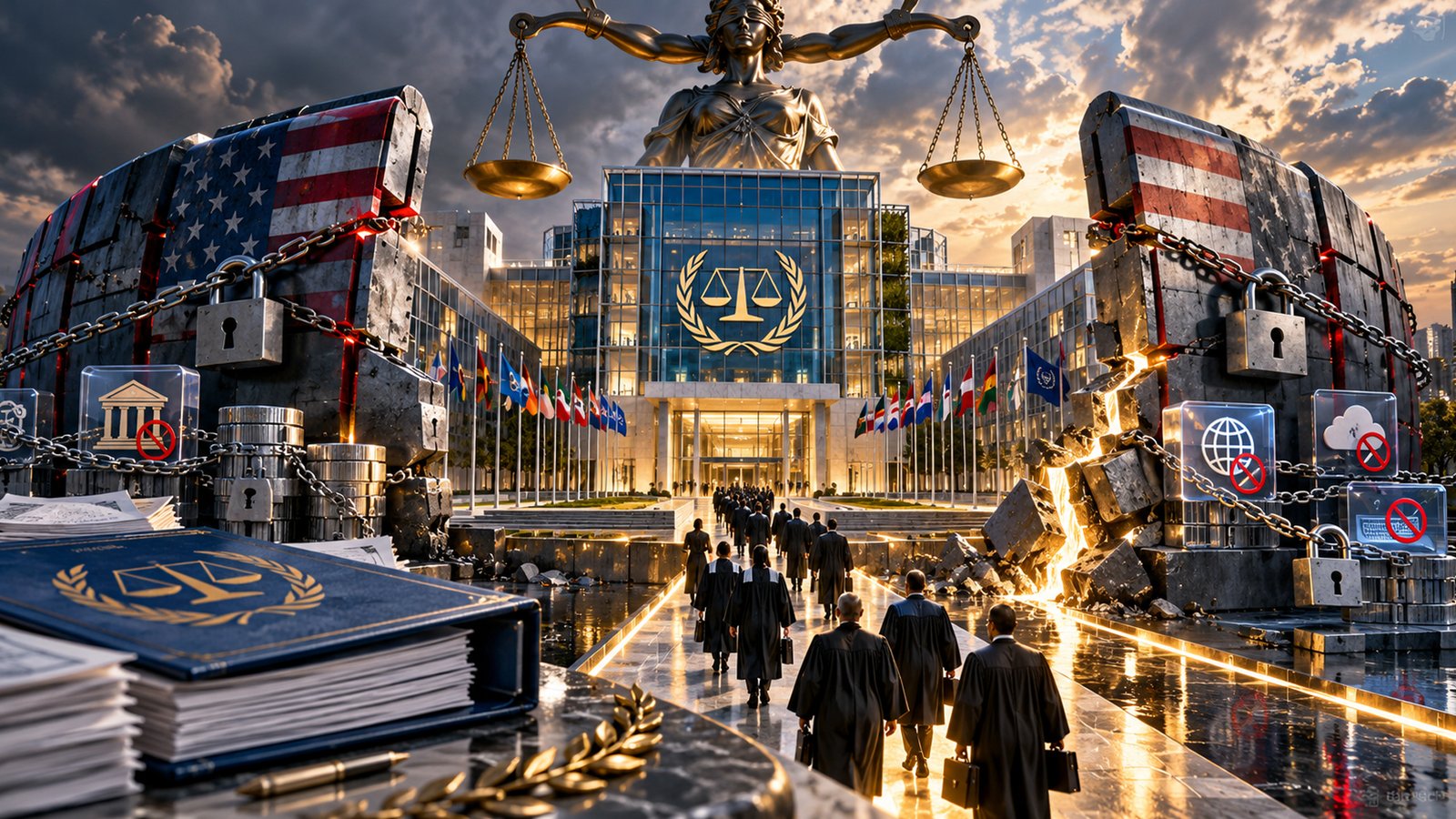
The International Criminal Court (ICC) has strongly condemned the United States’ decision to impose sanctions on the institution, describing the move as an attack on international law and the global justice system. The Hague-based court has vowed to continue its work and called on its 125 member states to help protect its operations.
In a statement issued on October 9, the ICC said the US action was intended to obstruct justice, disrupt its activities and intimidate people working for or cooperating with the court. It warned that the implications extend beyond the institution, raising wider concerns about international accountability and the protection of victims of serious crimes.
“History will judge this moment,” the court said, highlighting the importance of defending institutions established to ensure justice for survivors of mass atrocities.
The sanctions represent a further escalation in US President Donald Trump’s campaign against the ICC. Washington has repeatedly criticised the court’s investigations involving American personnel and Israeli officials, arguing that it has exceeded its authority and threatens US sovereignty.
US Secretary of State Marco Rubio announced the latest measures, describing the ICC as a “rogue” institution. The administration said the sanctions were designed to restrict the court’s resources and prevent it from taking action against Americans and US allies.
Washington said it had raised its concerns with the ICC and its member states but had not seen meaningful steps to address them. It has also urged countries allied with the United States to use their influence to challenge the court’s actions.
The ICC, however, maintains that its investigations are guided by law and evidence rather than political considerations. Its leadership has reiterated that the court will continue to carry out its mandate independently and impartially despite the pressure.
The latest action follows earlier US sanctions against ICC judges and prosecutors. The court described the new measures targeting the institution as unprecedented, noting that sanctions had already been imposed on 13 judges and prosecutors associated with its work.
The restrictions are expected to affect the court’s dealings with individuals and entities subject to US jurisdiction. The US announcement also provided a six-month period for certain transactions to be wound down, alongside exemptions for specified activities.
The ICC has urged member states to provide concrete financial and operational support to ensure that investigations and prosecutions can continue. The court’s position is that international support must go beyond expressions of concern and translate into measures that safeguard its ability to function.
Established under the Rome Statute, the ICC investigates and prosecutes individuals accused of genocide, war crimes, crimes against humanity and the crime of aggression under conditions set out in its founding treaty. The court began operating in 2002 and has 125 member states. The United States and Israel are not parties to the Rome Statute.
The dispute has also drawn criticism from several US allies. Canada, Denmark, France, Germany, Italy, Japan, the Netherlands and the United Kingdom have reaffirmed their support for the ICC’s independence and impartiality. Their foreign ministers warned that sanctions could affect the court, its employees and their families.
United Nations Secretary-General António Guterres expressed deep concern over the US decision, while UN human rights chief Volker Türk called for measures to protect the court and its personnel. Their reactions reflect fears that restrictions could complicate investigations, cooperation with international partners and efforts to secure justice for victims.
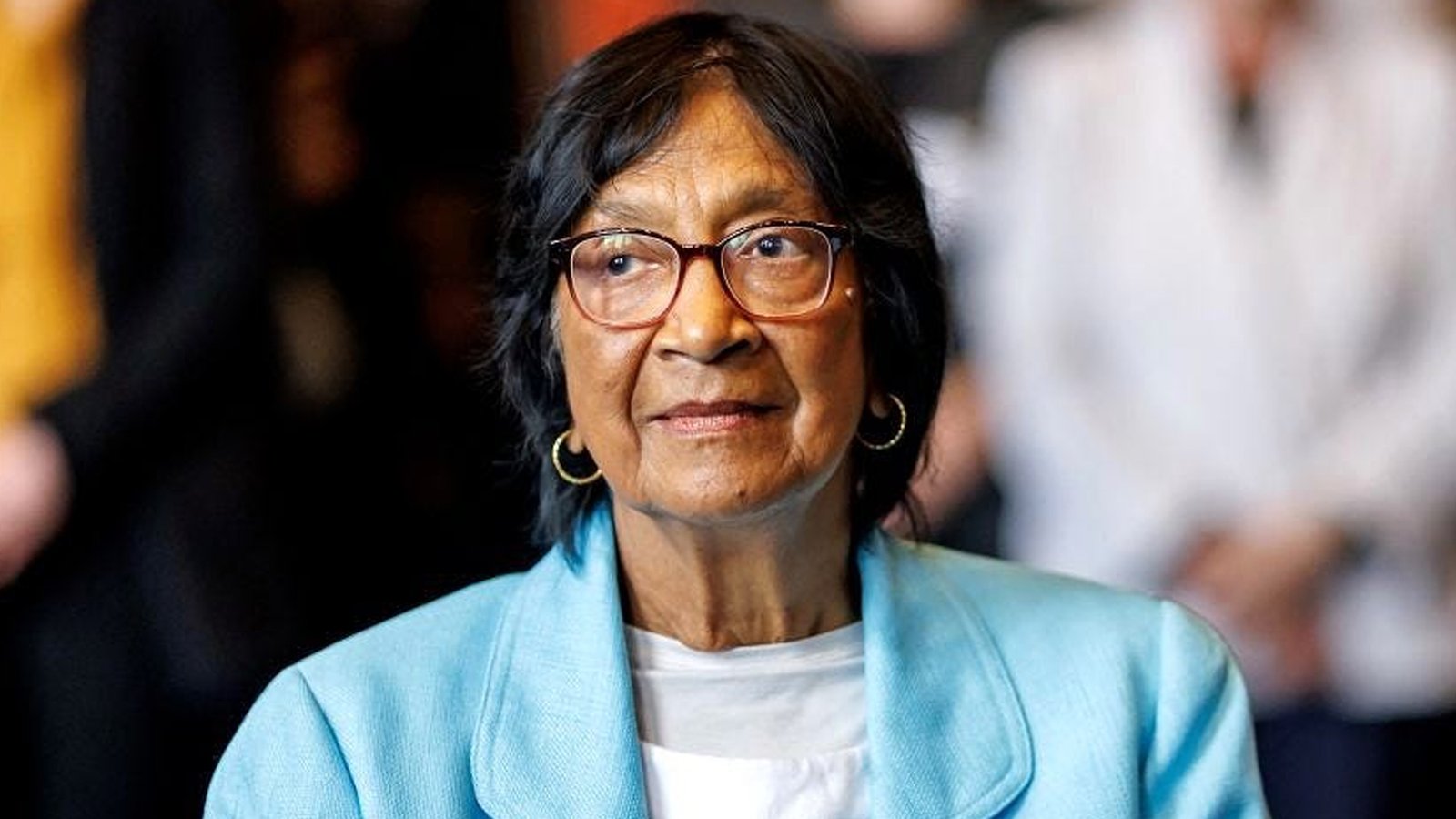
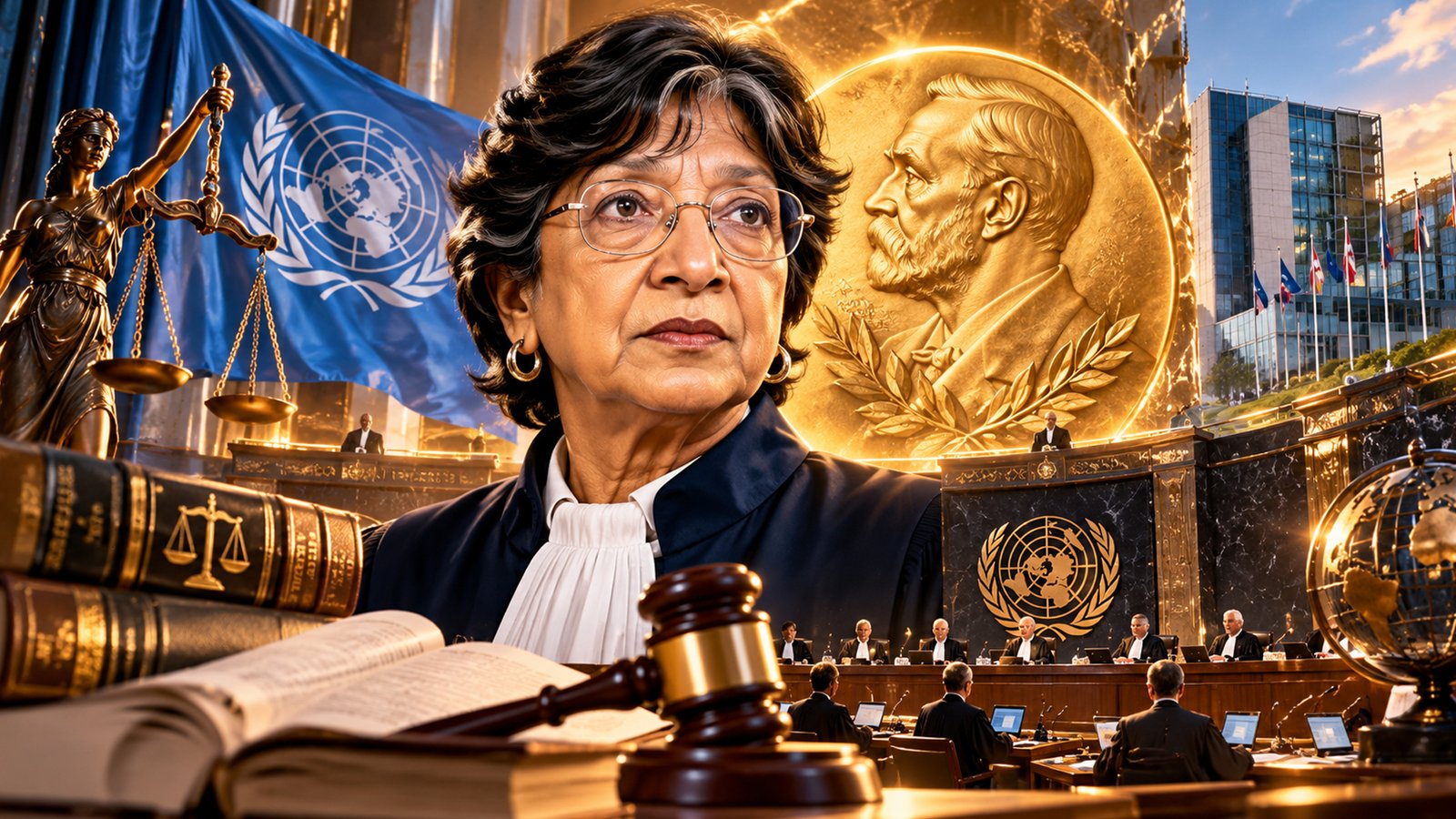
The announcement came on the same day South African jurist Navi Pillay received the 2026 Nobel Peace Prize for her work advancing international justice and the rule of law. Pillay previously served as an ICC judge, bringing renewed attention to the challenges facing international legal institutions.
The immediate consequences of the sanctions will depend partly on how ICC member states and international partners respond. The transition period and exemptions may provide temporary relief for certain activities, but uncertainty remains over the court’s ability to maintain its operations and international cooperation.
At the heart of the confrontation is a broader question about whether an international court can investigate alleged crimes without facing political or economic retaliation from powerful countries. The ICC says it will continue to act independently and on the basis of evidence. Its appeal to member states underlines the importance of practical support in defending international law and ensuring accountability for serious crimes.