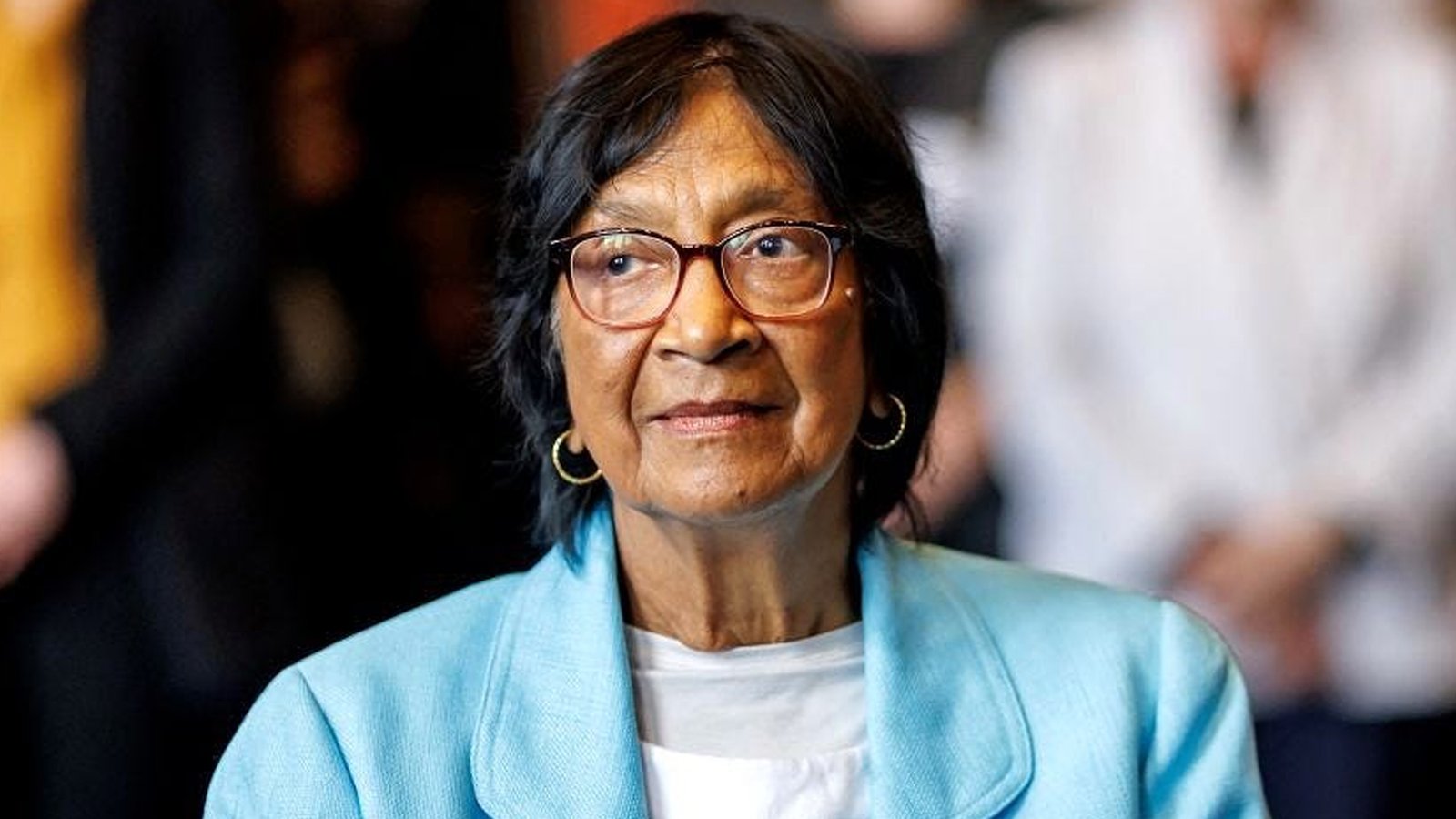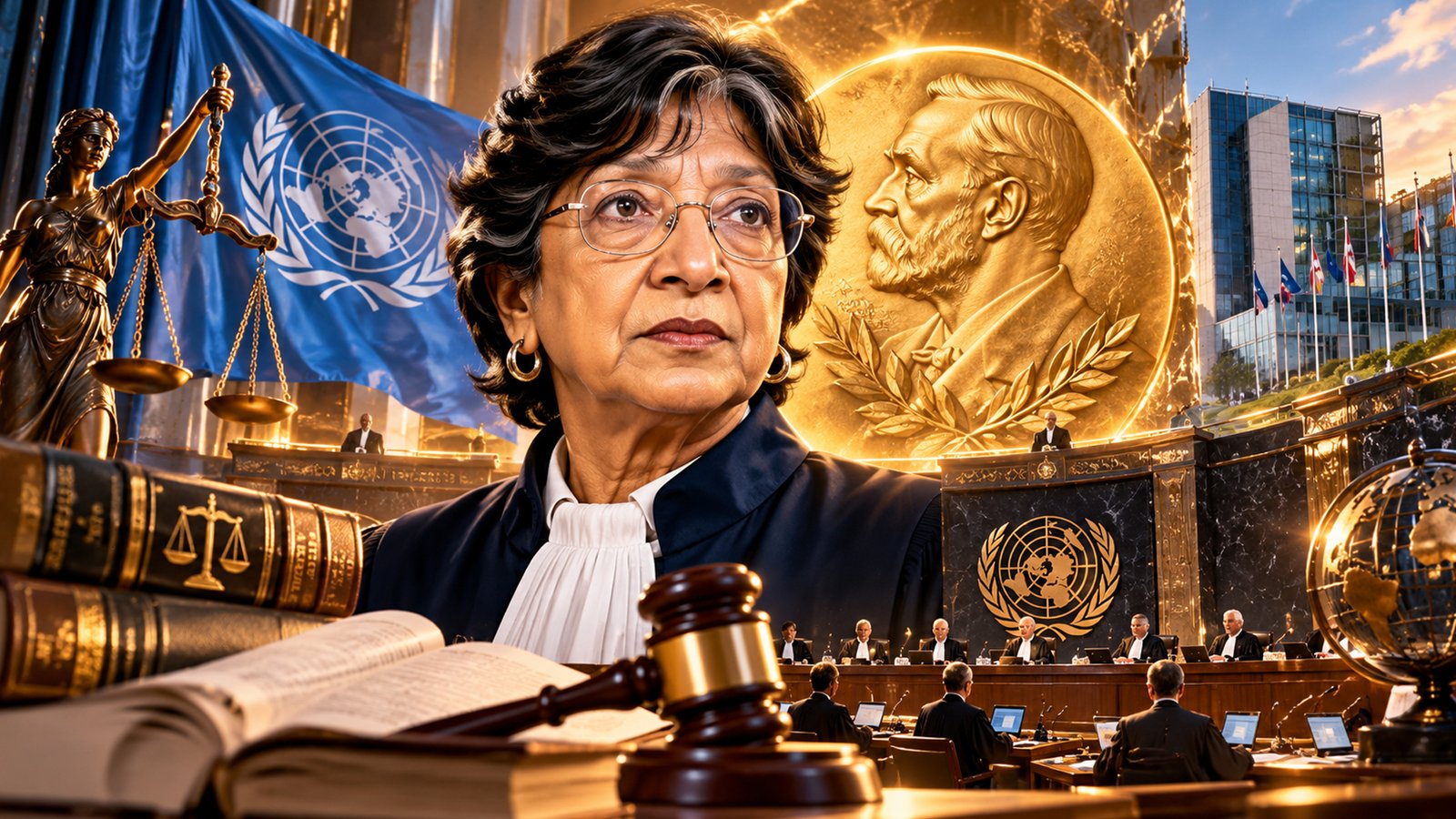
South African jurist Navanethem “Navi” Pillay has won the 2026 Nobel Peace Prize for her decades-long efforts to advance international law, defend human rights and ensure accountability for war crimes, crimes against humanity and genocide.
The Norwegian Nobel Committee announced the award on Friday, October 9, praising Pillay’s commitment to justice and her role in strengthening international legal institutions. The 85-year-old former United Nations High Commissioner for Human Rights has spent much of her career challenging discrimination, prosecuting atrocities and advocating for victims of violence.
The announcement came amid mounting pressure on international judicial institutions, with several powerful governments questioning their authority and impartiality. The award has consequently renewed debate over the role of international law in resolving conflicts and holding political leaders accountable.
Pillay received the news while attending a forum in Nuremberg, Germany, at a historic courtroom associated with the trials of Nazi leaders after the Second World War. She dedicated the honour to survivors of international crimes, linking the recognition to the experiences of victims who continue to seek justice.
Born in Durban, South Africa, in 1941, Pillay grew up under apartheid, a system of racial segregation that denied the country’s Black majority equal political, social and economic rights. Her family was of Indian Tamil origin, and her early experiences of discrimination helped shape her commitment to equality and human dignity.
She became a lawyer during apartheid and defended people facing persecution under the discriminatory system. Her legal work included defending anti-apartheid activists, including Nelson Mandela, and challenging restrictions imposed on those opposing racial injustice.
In 1995, Pillay became the first woman of colour appointed to South Africa’s High Court, marking an important milestone in the country’s legal history following the end of apartheid.
Her career subsequently expanded into international criminal justice. She served as a judge at the International Criminal Tribunal for Rwanda, established to prosecute those responsible for the 1994 genocide, and later became its president.
The tribunal’s work helped establish important precedents in international law. Pillay played a significant role in legal developments recognising that rape and sexual violence could constitute crimes against humanity and, under certain circumstances, acts of genocide. The tribunal also advanced the prosecution of individuals who incited genocide through propaganda.
These precedents strengthened international efforts to address sexual violence, mass atrocities and the role of hate speech in fuelling organised violence.
Pillay became the UN High Commissioner for Human Rights in 2008, serving until 2014. In that role, she worked to promote fundamental freedoms, investigate abuses and encourage governments to comply with international human rights obligations.
She later chaired the UN Independent International Commission of Inquiry on the Occupied Palestinian Territory, including East Jerusalem, and Israel, from 2021 to 2025.
In 2025, the commission concluded that Israel had committed genocide in Gaza. Israel rejected the finding, and the commission’s conclusions remain a subject of intense international dispute.
Pillay has also served as an ad hoc judge at the International Court of Justice in proceedings concerning allegations of genocide against Myanmar’s Rohingya population. The case was brought by The Gambia under the Genocide Convention.
Her work across international courts and investigations has focused on a central principle: serious violations of international law must be examined, and those responsible must face accountability regardless of their political position.
The Nobel Committee said international law and the institutions responsible for upholding it were under considerable pressure. It argued that lasting peace requires more than agreements between governments, depending also on legal accountability and respect for established international rules.
Pillay’s selection drew praise from human rights advocates and supporters of international justice. However, it also attracted criticism from Israel and its supporters because of her involvement in the UN inquiry into Gaza.
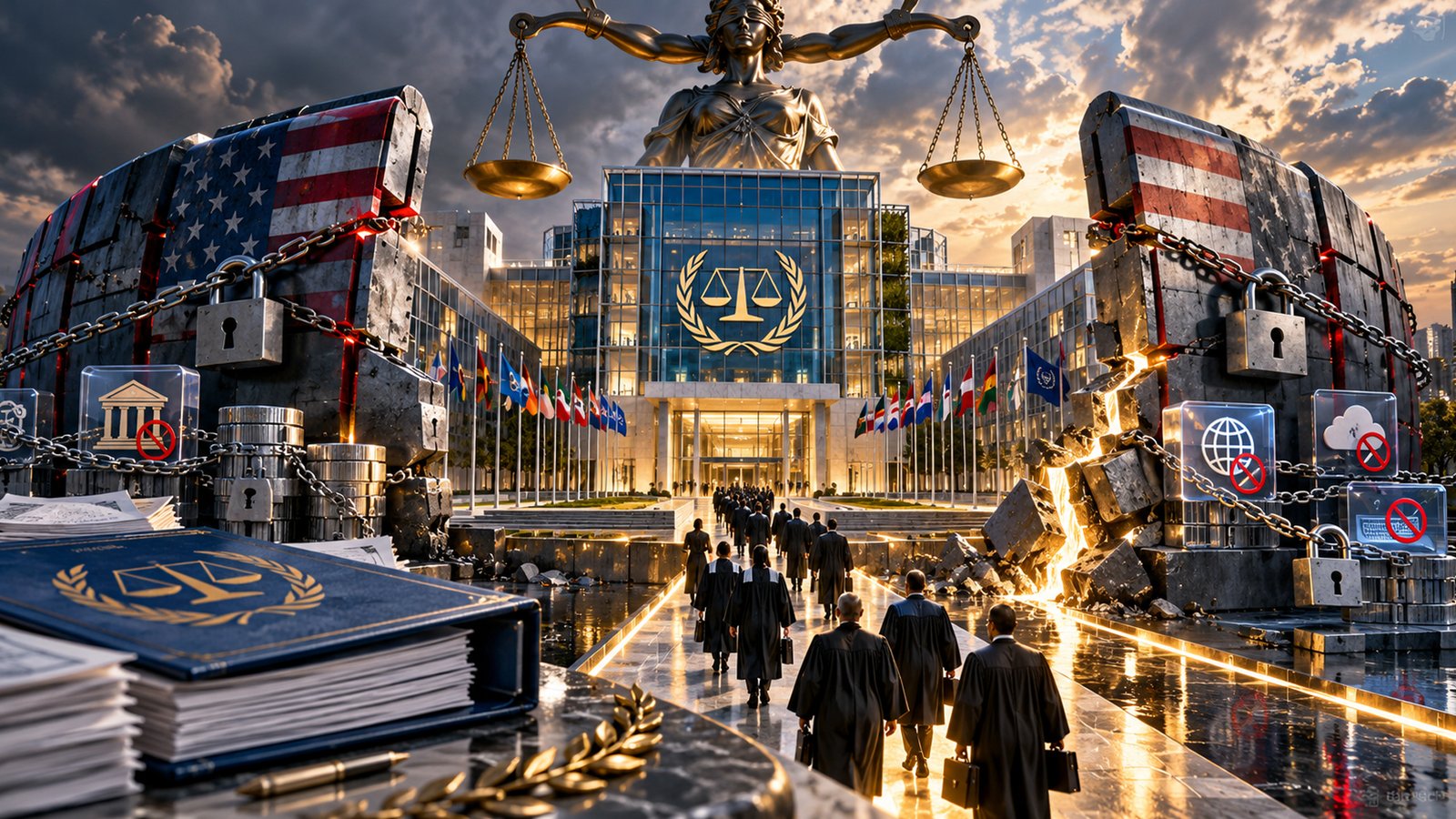
The award was followed by another significant development in Washington. On October 9, the Trump administration announced sweeping new sanctions against the International Criminal Court, intensifying its campaign against the tribunal over investigations involving the United States and Israel. The administration has accused the court of political bias, allegations the court’s supporters reject.
The move underscored the increasingly difficult environment facing international judicial institutions and brought renewed attention to the political tensions surrounding investigations into alleged war crimes.
The Nobel Peace Prize recognises Pillay’s wider contribution to international justice rather than a single case. Her career has taken her from defending people under apartheid to serving on international tribunals, leading the UN human rights office and participating in investigations into alleged atrocities.
The 2026 award carries a prize of 11 million Swedish kronor and will be formally presented in Oslo on December 10, the anniversary of Alfred Nobel’s death.
Pillay’s recognition places the rule of law and human dignity at the centre of the international debate. Her career also highlights the continuing challenge of ensuring that legal principles apply consistently, even when investigations involve powerful governments or politically sensitive conflicts.
At a time of deep divisions over war, human rights and the authority of international institutions, the award sends a clear message: peace cannot be sustained by diplomacy alone. It also requires justice, credible legal processes and accountability for serious crimes.