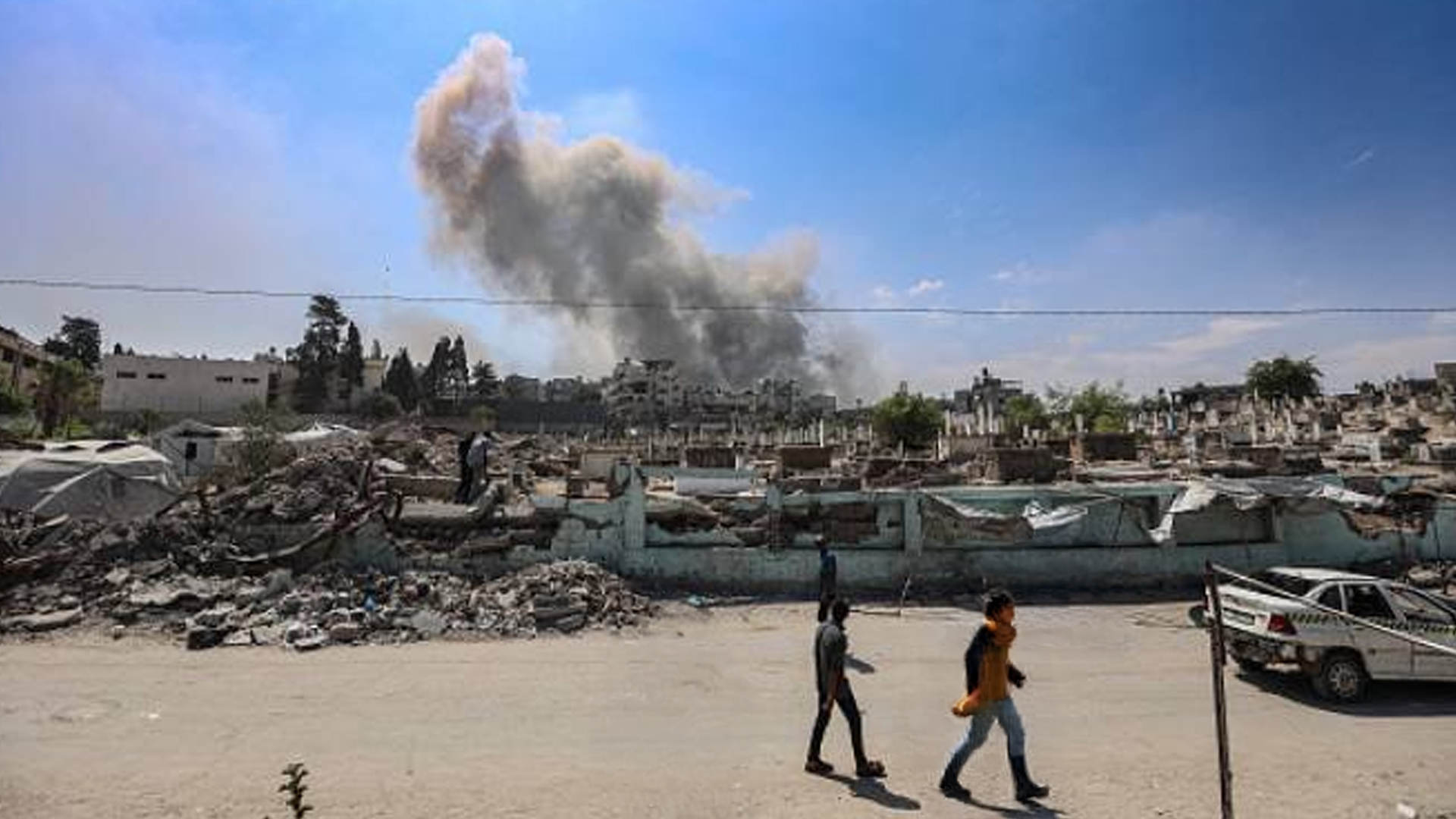
Israeli forces have intensified their offensive on Gaza City, targeting the eastern and northern outskirts with aircraft and tanks, destroying homes and infrastructure, and prompting widespread panic among residents. Continuous overnight explosions were reported in the Zeitoun and Shejaia areas, while tanks shelled streets and houses in Sabra and northern Jabaliya. Fires lit the skies as thousands fled, though many residents, citing fear, hunger, and lack of resources, said they could not leave. Gaza City is home to roughly half of Gaza’s two million residents, and a few thousand have already evacuated with whatever belongings they could carry.
Israeli Defence Minister Israel Katz has vowed to continue the offensive, stating that Gaza City would be razed unless Hamas ends the conflict on Israel’s terms and releases hostages still held. Hamas condemned the planned takeover as evidence that Israel is not serious about a ceasefire and blamed Israeli Prime Minister Benjamin Netanyahu for the hostages’ lives.
The humanitarian situation is deteriorating rapidly. UN-backed experts warned of an “entirely man-made” famine in Gaza City and surrounding areas. The Integrated Food Security Phase Classification (IPC) said starvation is spreading quickly and could cause avoidable deaths unless humanitarian aid reaches the population immediately. The Gaza health ministry reported eight more deaths from malnutrition and starvation on Sunday, raising the total to 289, including 115 children, since the start of the war. Gaza’s civil defence agency said at least 42 people were killed in Israeli attacks on Sunday alone, including eight in Sabra. Four Palestinians seeking food aid were killed by Israeli troops while approaching a distribution point in the Netzarim corridor, highlighting the extreme risks faced by civilians trying to access essential resources.
The crisis in Gaza has attracted global attention. Israel faces allegations of genocide at the International Court of Justice, with over 60,000 people reported killed since the conflict began. The International Criminal Court (ICC) issued arrest warrants for Netanyahu and former Defence Minister Yoav Gallant, and had also targeted Hamas military chief Mohammed Deif before his reported death.
The violence has extended beyond Gaza, with Israeli airstrikes hitting Yemen’s capital, Sana’a, in retaliation for Houthi missile attacks toward Israel. Houthi health officials reported six fatalities and 86 injuries in the strikes. The Israeli military said its targets included a military compound housing the presidential palace, two power plants, and a fuel storage site, stating that the attacks responded to repeated Houthi missile and UAV strikes against Israeli territory. This marked the first use of ballistic missiles carrying submunitions from Yemen toward Israel, according to Israeli sources.
The escalation reflects a broader regional dimension of the Gaza conflict. Since October 2023, the Houthis, who are Iran-aligned, have attacked vessels in the Red Sea and launched missile strikes on Israel in solidarity with Palestinians. Israel has consistently retaliated against Houthi-controlled areas, including the strategic Hodeidah port. Houthi officials, including Abdul Qader al-Murtada, have pledged continued support for Palestinians in Gaza, emphasizing that they will act regardless of the sacrifices involved. The strikes on Yemen underscore the conflict’s spillover effects, raising the risk of broader regional instability.
In summary, the humanitarian crisis in Gaza is deepening amid relentless Israeli bombardment, with civilians trapped in a city facing repeated airstrikes and rising starvation. Meanwhile, the conflict has drawn in neighboring Yemen, where Israeli strikes in retaliation for Houthi attacks have resulted in civilian casualties and extensive infrastructure damage. As efforts by Egypt and Qatar to mediate a ceasefire continue, the region faces escalating violence, growing international scrutiny, and a pressing need for humanitarian intervention.