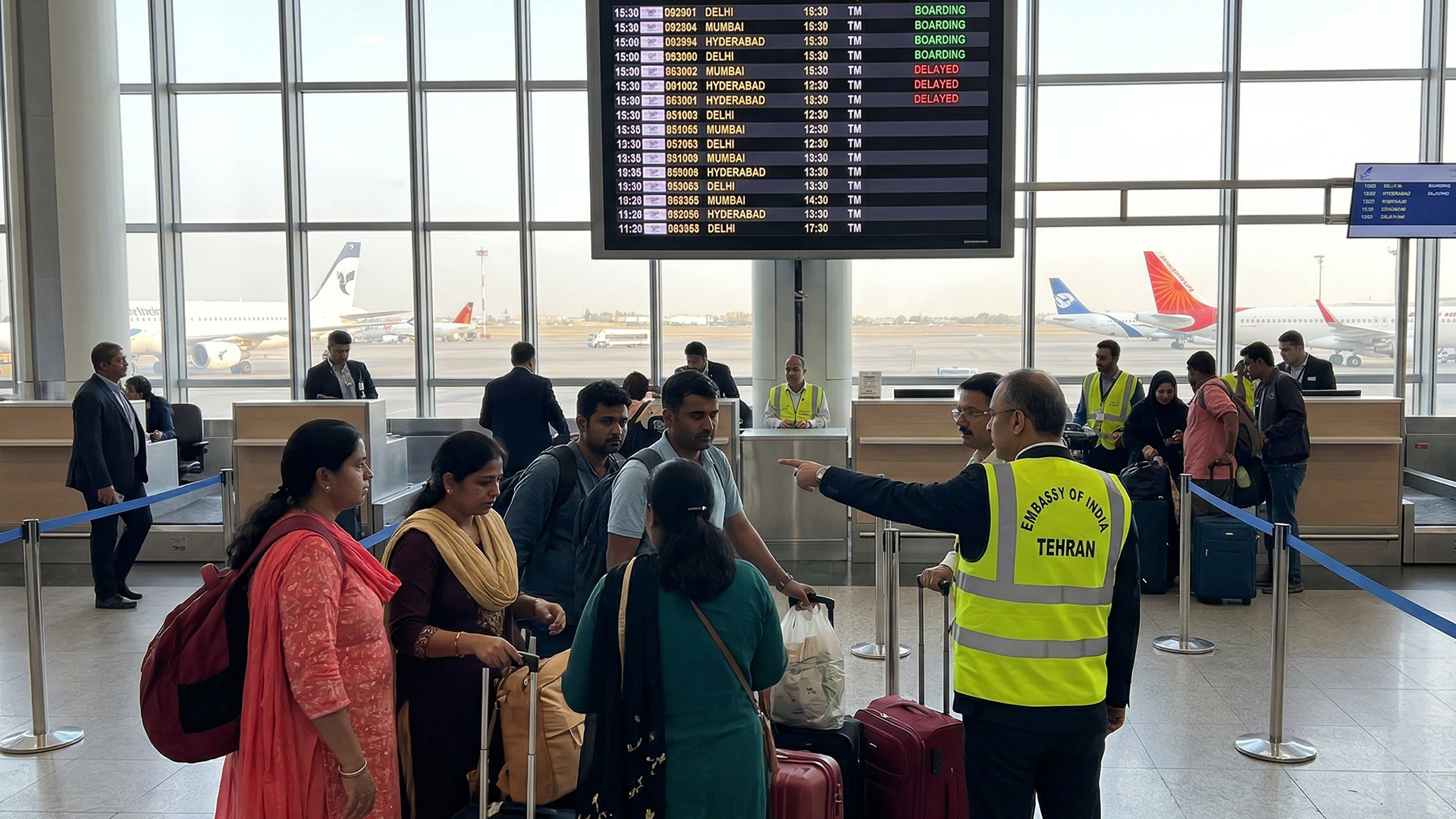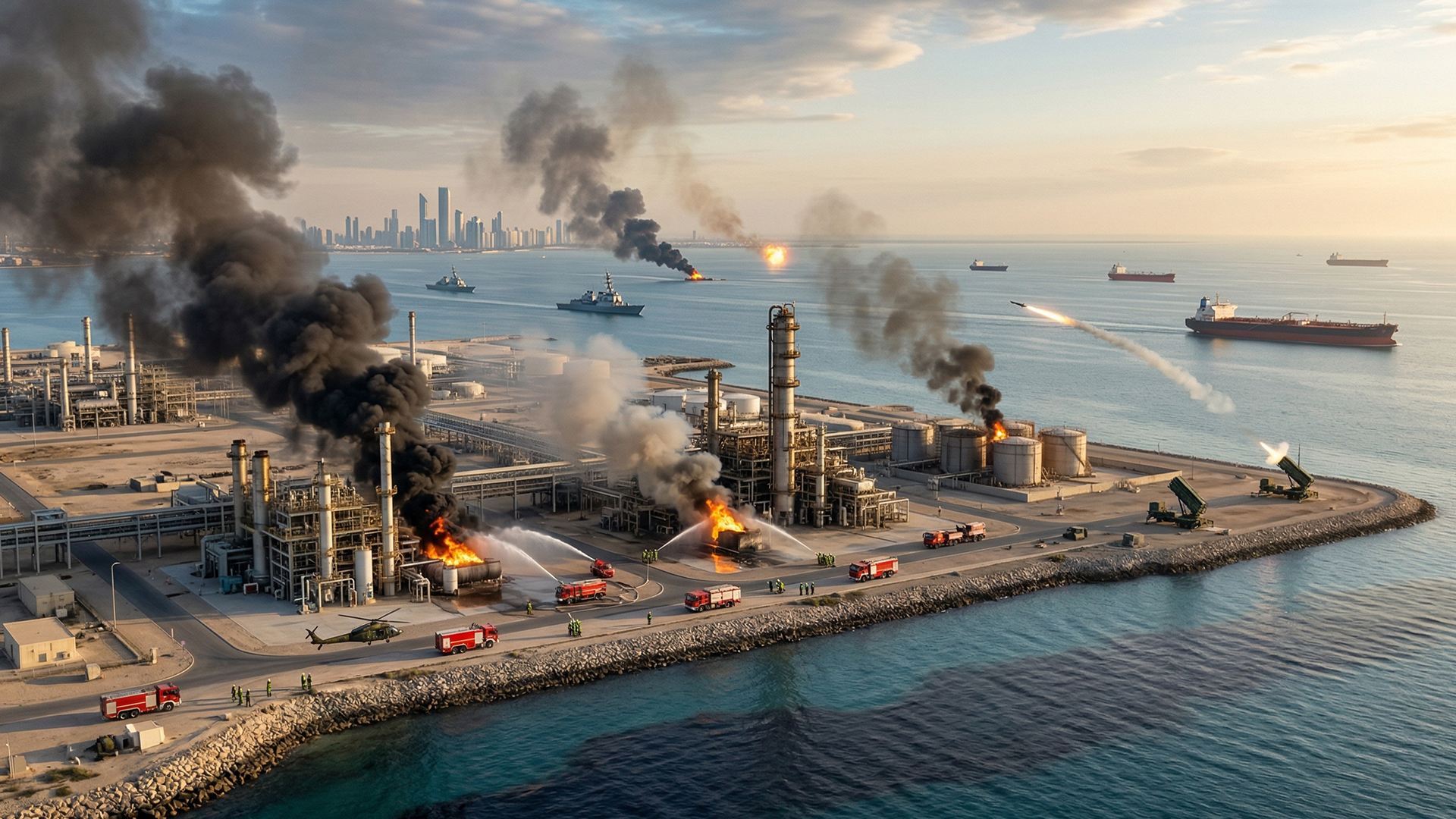
Tensions remain high across the Gulf despite a two-week ceasefire announced between the US and Iran. On April 8, residents in countries including the United Arab Emirates (UAE), Bahrain, Kuwait, Saudi Arabia, and Israel were jolted by missile alerts and air-raid sirens, signaling that hostilities may not have fully paused.
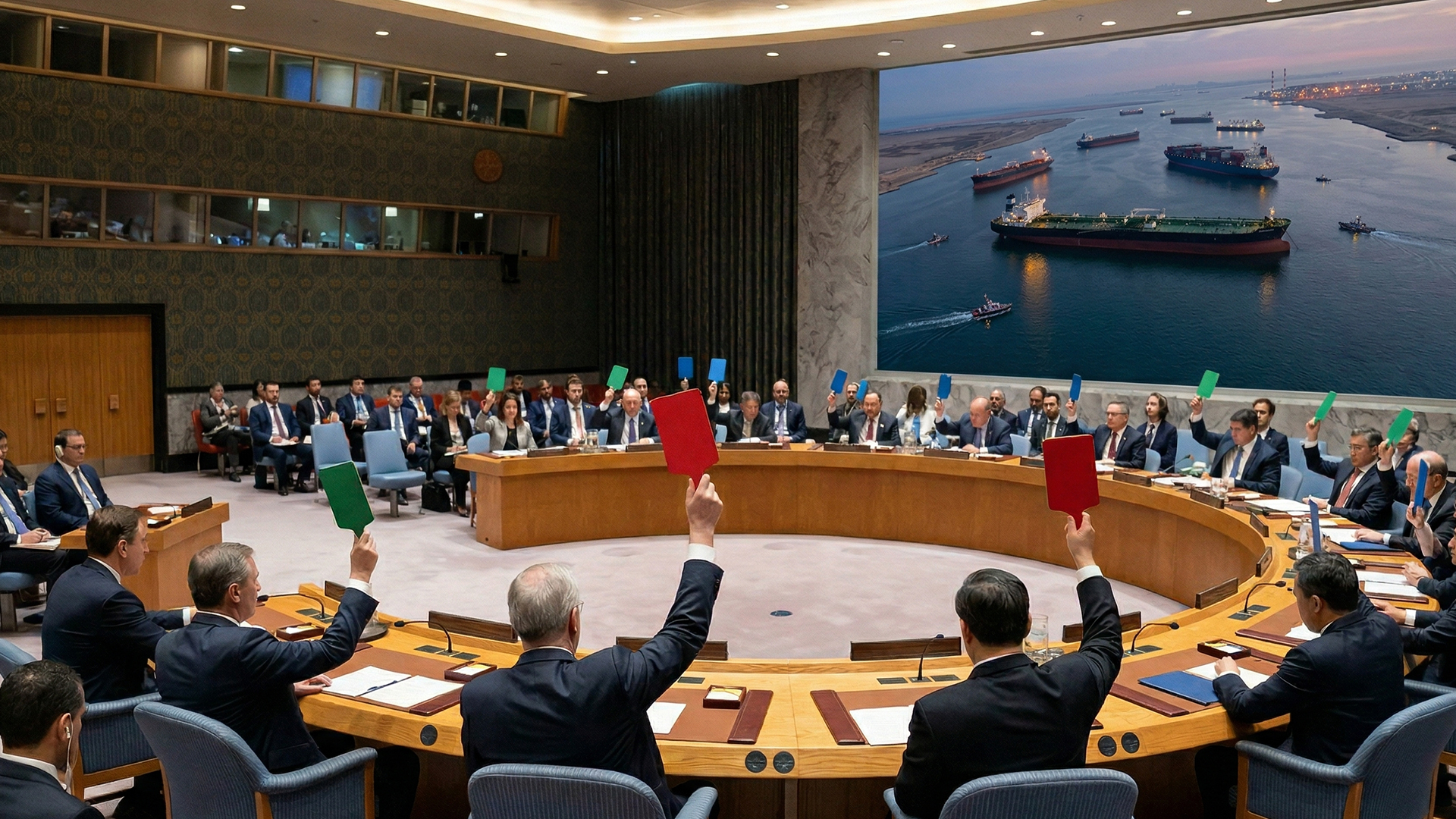
The ceasefire, unveiled by US President Donald Trump on April 7, was aimed at halting active attacks and reopening the strategic Strait of Hormuz, a key route for global oil shipments. Yet early reports indicated missiles fired from Iranian territory triggered defense systems across the region. In the UAE, officials confirmed that their air-defense systems were responding to threats, and some industrial facilities reportedly suffered damage amid the heightened alerts.
Israeli authorities also reported intercepting missiles, though no major casualties were immediately reported. Analysts suggest the continuation of these alerts may reflect confusion within Iran’s armed forces or incomplete communication of ceasefire orders, particularly among units of the Iranian Revolutionary Guard Corps, which has led many operations.
While the ceasefire could provide diplomatic breathing space, it remains fragile. Regional governments are urging citizens to stay alert and follow official guidance as the situation evolves. For many residents, the sirens were a stark reminder of the unpredictability and volatility of life in a region where peace can feel fleeting.
Also Read: China’s quiet role in Iran ceasefire