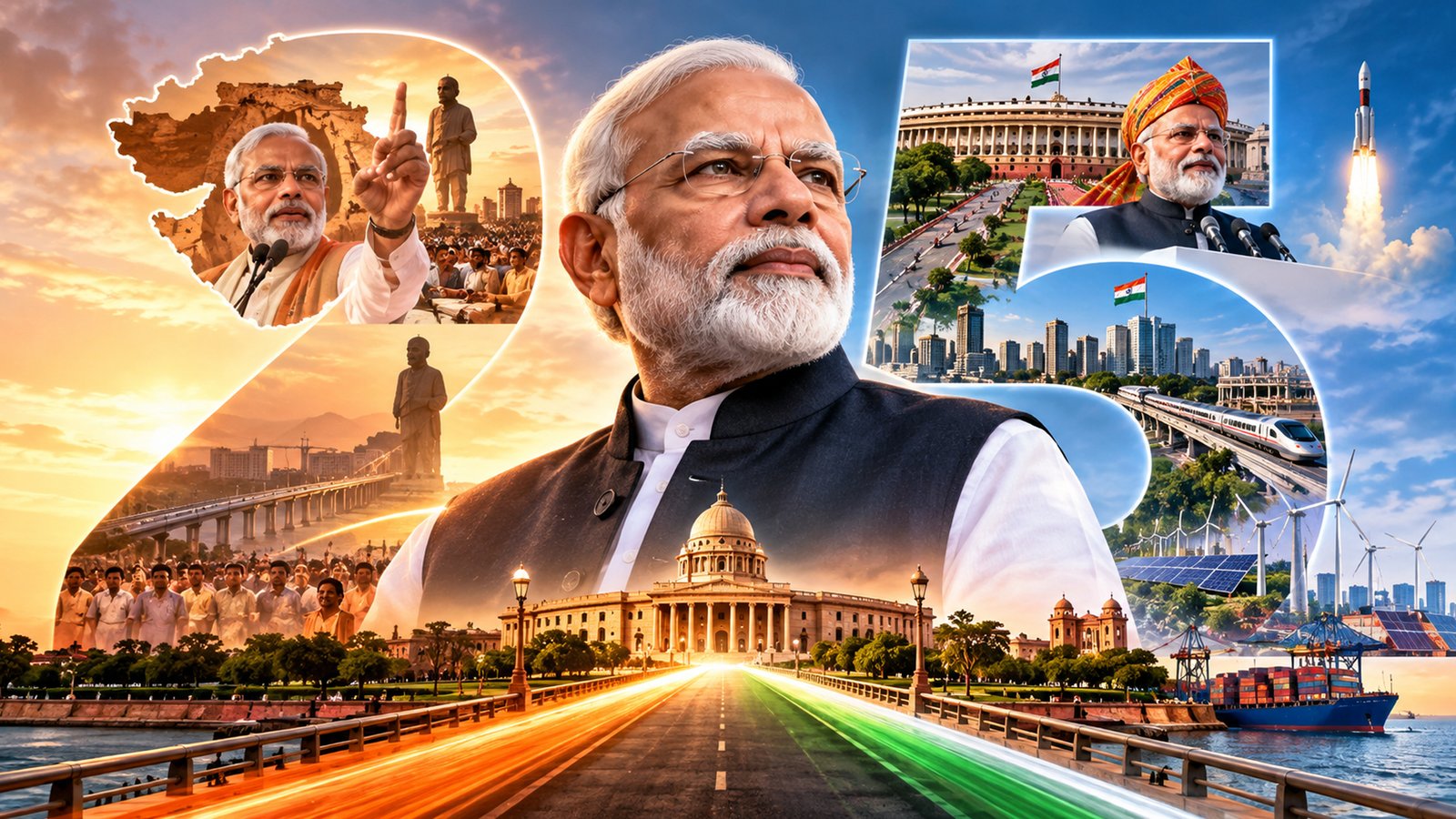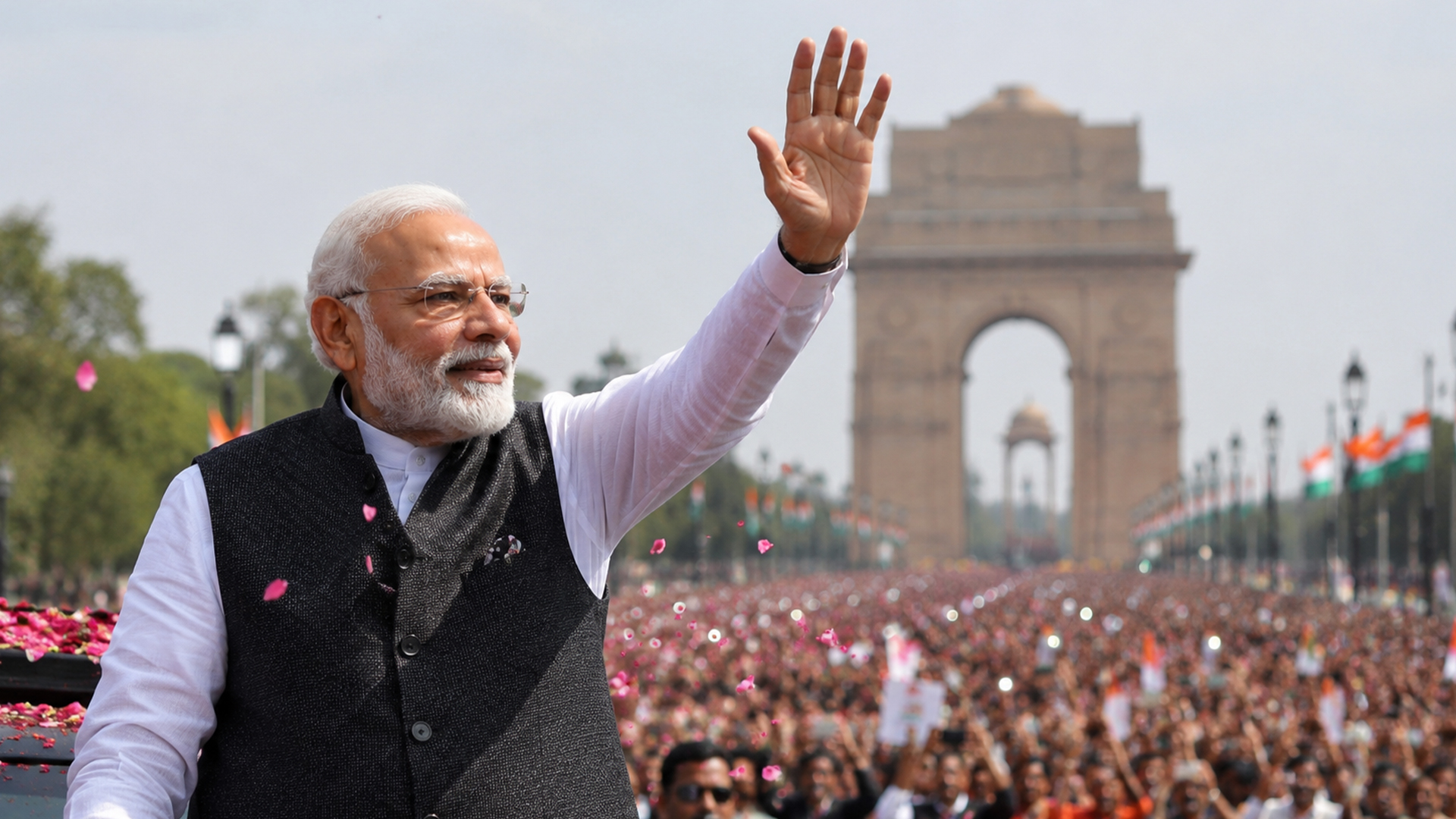
Prime Minister Narendra Modi on June 10 became India’s longest-serving elected Prime Minister, surpassing the record previously held by India’s first Prime Minister, Jawaharlal Nehru. With 4,399 consecutive days in office following electoral victories, Modi achieved a historic milestone in the country’s democratic history.
President Droupadi Murmu congratulated the Prime Minister, describing his tenure as one marked by dedicated public service and far-reaching progress across multiple sectors. She highlighted advancements in infrastructure, governance, digital transformation, economic development and welfare delivery under his leadership.
The record is based on uninterrupted service after being elected through democratic general elections. Political analysts note that while Nehru served longer overall as Prime Minister, part of his tenure came before India’s first general election in 1951-52. Modi’s milestone specifically relates to continuous service as an elected head of government.
Modi first took office on May 26, 2014, after leading the Bharatiya Janata Party (BJP) to a majority victory. He secured subsequent mandates in 2019 and 2024, becoming the first non-Congress leader to win three consecutive Lok Sabha elections and serve a third successive term as Prime Minister.
During his tenure, the government launched several flagship initiatives, including Digital India, Make in India, Jan Dhan financial inclusion programmes, infrastructure expansion, welfare schemes and manufacturing-focused reforms. His administration has also overseen India’s emergence as one of the world’s fastest-growing major economies and an increasingly influential global diplomatic player.
The achievement drew congratulations from several world leaders, who praised Modi’s role in strengthening India’s global profile and championing the interests of the Global South. The recognition comes as India continues to expand its influence in international forums and strategic partnerships.
The milestone coincides with the completion of 12 years of NDA-led governance at the Centre. Supporters view the record as a reflection of sustained public trust and electoral support, while analysts describe it as a landmark moment in India’s democratic evolution.
Also Read: India records 0.7% GDP surplus in Q4