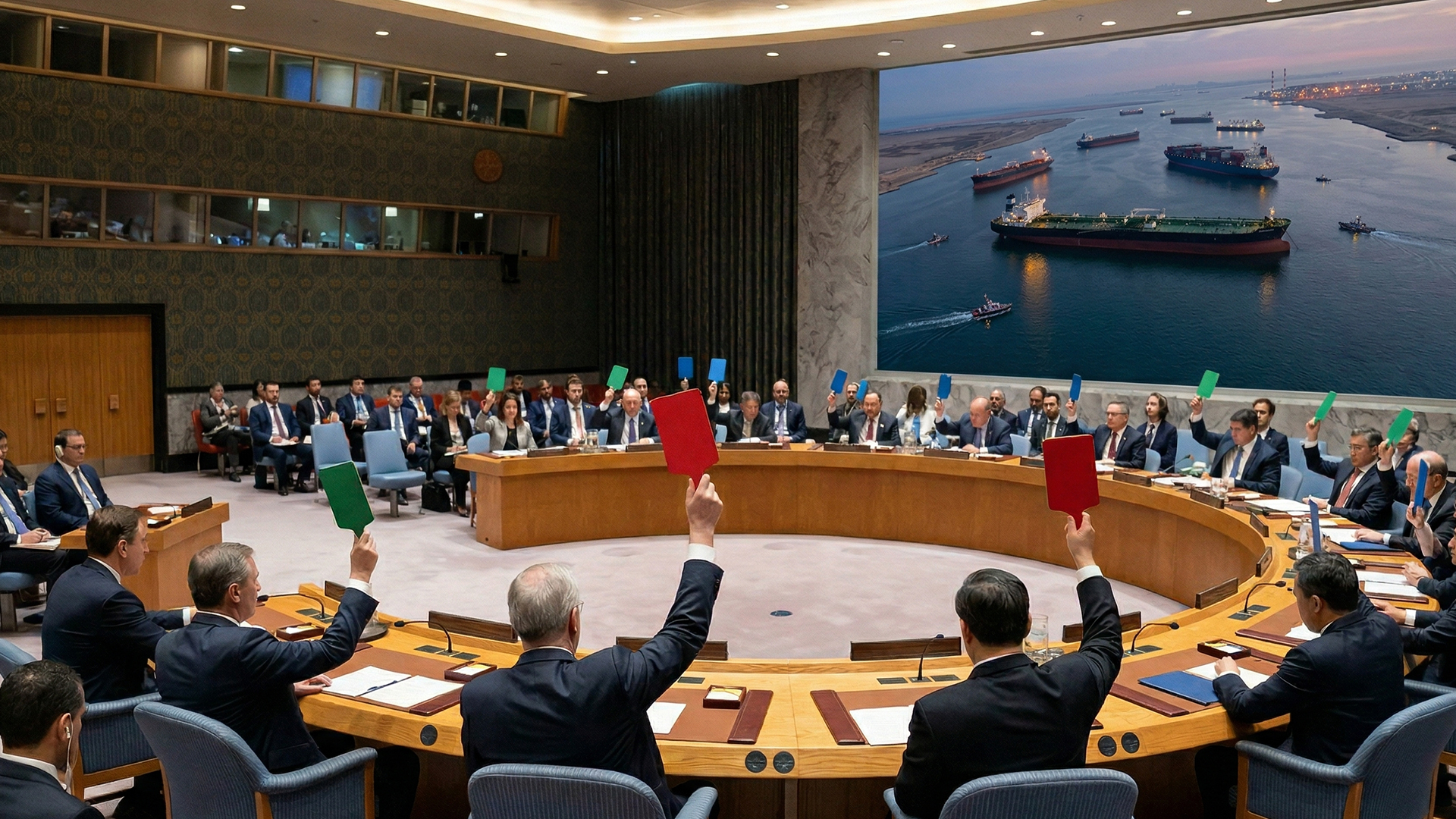
Russia and China have blocked a United Nations Security Council resolution that called for reopening the Strait of Hormuz, a key global route for oil shipments, exposing sharp divisions among world powers over how to handle the ongoing crisis involving Iran.
The resolution, introduced by Bahrain and supported by the United States and its allies, received backing from most members of the 15-nation council. However, it ultimately failed after Russia and China used their veto power, preventing its adoption.
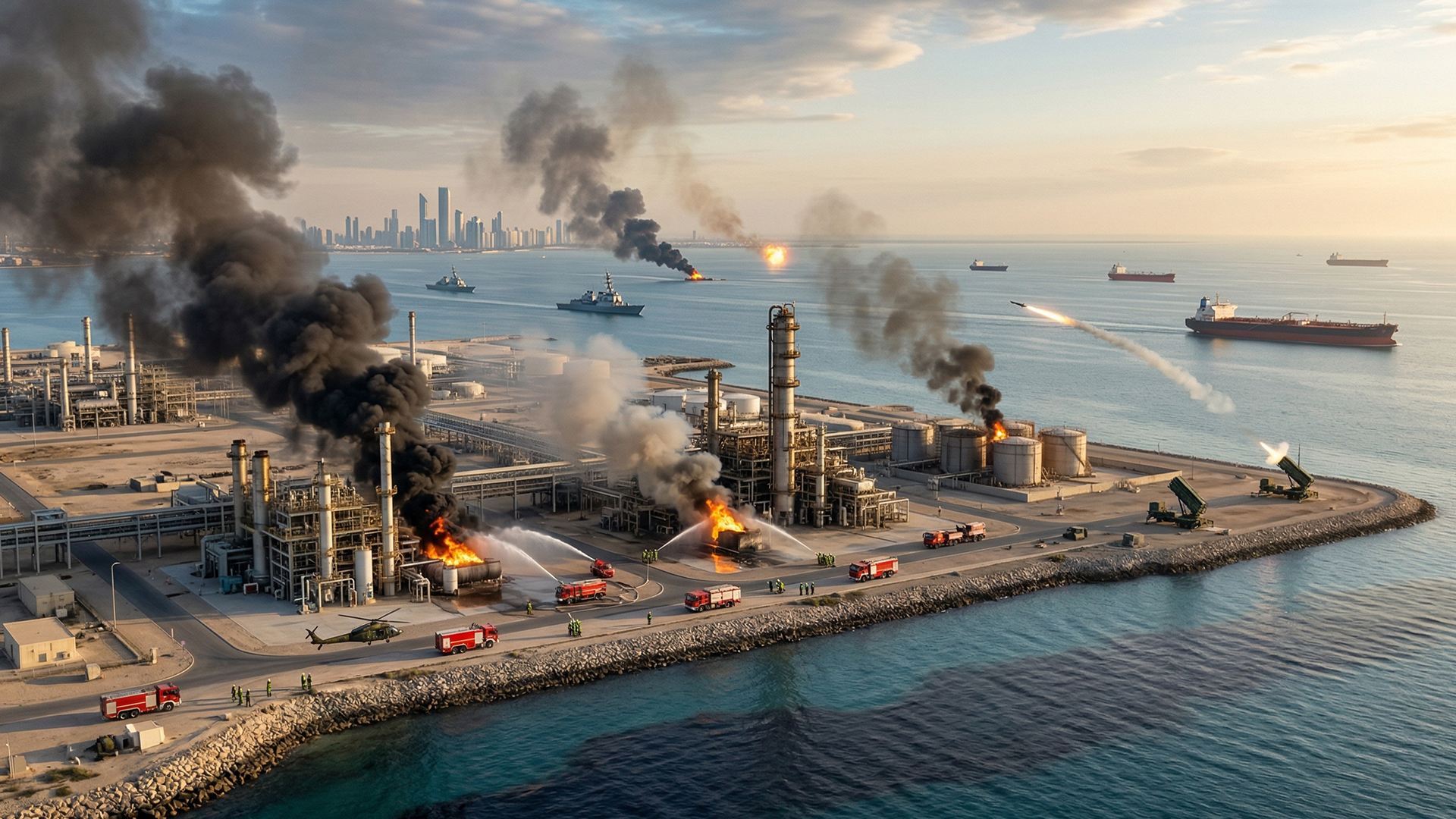
The Strait of Hormuz is one of the world’s most important waterways, carrying a large share of global oil and gas supplies. In recent weeks, tensions linked to the Iran conflict have disrupted movement through the strait, raising concerns about rising fuel prices and global economic stability.
Supporters of the resolution said it was necessary to ensure safe passage for ships and to prevent further disruption to international trade. The draft had already been softened in an attempt to gain wider support and avoid direct confrontation with Iran.
Despite this, Russia and China opposed the measure, arguing that it placed too much blame on Iran and could increase tensions rather than reduce them. Both countries called for a more balanced approach, focusing on dialogue and diplomacy instead of pressure.
The United States and its allies criticised the veto, saying it could delay efforts to stabilise the situation and reopen a route that is critical for the global energy market. They warned that continued uncertainty in the region could have wider economic consequences.
The failure to pass the resolution is seen as a setback for the UN’s efforts to respond to the crisis. It also highlights the growing divide between Western nations and countries like Russia and China, which have taken a more cautious stance and maintained closer ties with Iran.
Also Read: China’s quiet role in Iran ceasefire