Fresh tensions have emerged in West Asia after US President Donald Trump rejected Iran’s latest response to a US-backed ceasefire proposal, casting doubt over ongoing efforts to calm the conflict in the region.
According to reports, Iran responded to the proposal through Pakistani mediators and sought wider negotiations covering sanctions relief, regional security guarantees and easing restrictions related to its nuclear programme. Tehran also reportedly wanted assurances against future military attacks and discussions linked to conflicts involving allied groups in the region.
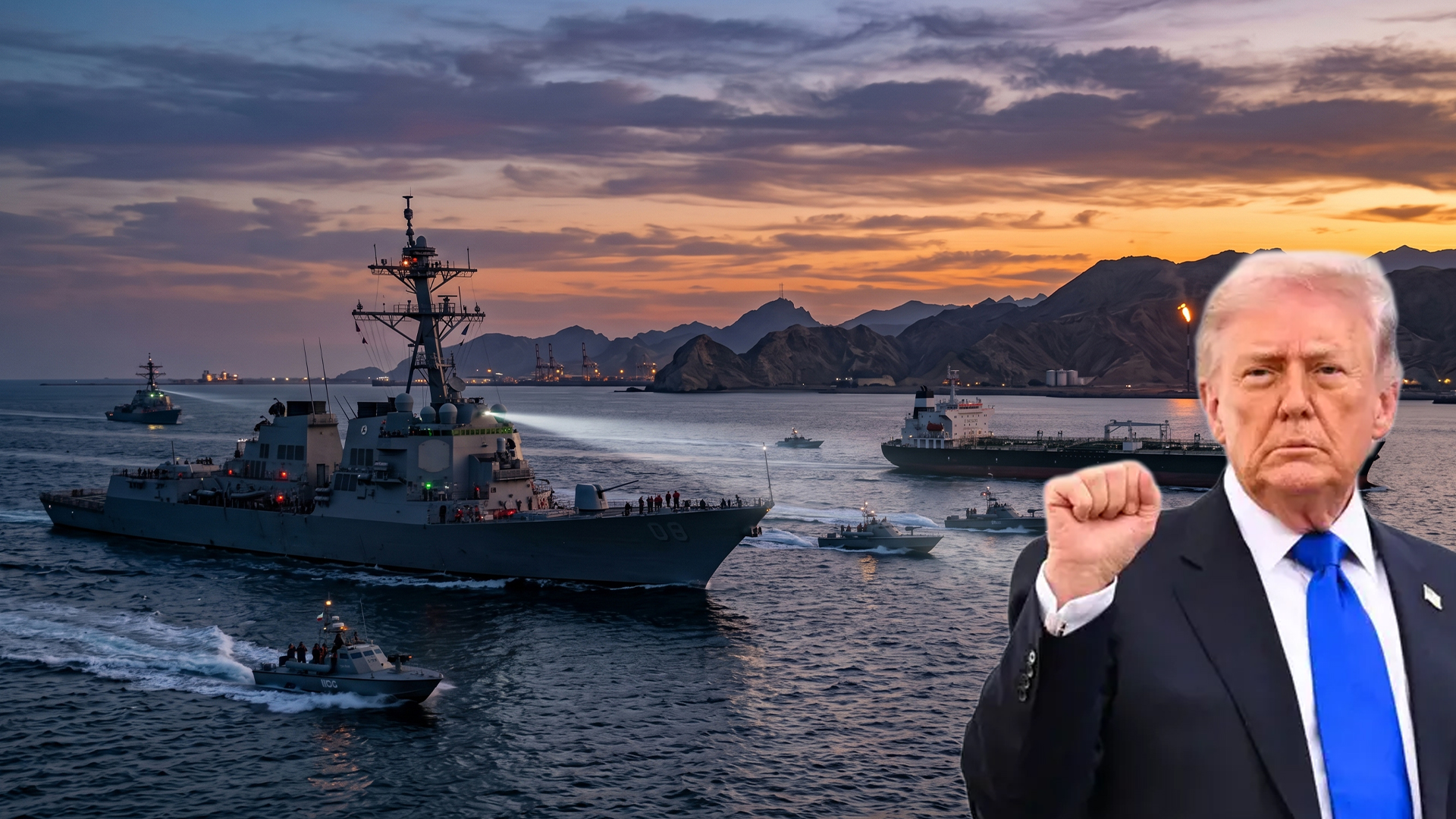
However, Trump dismissed Iran’s response as “totally unacceptable,” indicating that Washington and Tehran remain deeply divided on key issues. The US continues to push for tighter limits on Iran’s nuclear activities and stronger international monitoring.
The rejection has reduced hopes for a quick breakthrough in peace talks that many believed could ease tensions across the Gulf region. In recent weeks, the conflict has already affected global markets, fuel prices and regional stability.
Security concerns remain high around the Strait of Hormuz, one of the world’s most important oil shipping routes. Reports of drone strikes and military activity in nearby areas have added to fears that the situation could escalate further if negotiations fail.
Global oil prices reacted immediately to the developments, climbing sharply amid concerns that disruptions in the Gulf could affect energy supplies worldwide. Analysts warn that higher oil prices may increase inflation pressure globally, especially for countries like India that depend heavily on crude oil imports.
Stock markets also remained cautious as investors shifted towards safer assets such as gold and the US dollar. Experts say uncertainty surrounding the conflict is likely to keep financial markets volatile in the near term.
Despite the sharp exchange between the two sides, diplomatic channels are still believed to be open. Political observers say both countries appear unwilling to compromise on major demands, making negotiations increasingly difficult.
Also Read: PM Modi urges Indians to pause gold buying