rotating globe
15 Apr 2026


14 maoists killed in Chhattisgarh encounters

Sukma and Bijapur clashes mark major anti-Maoist push this year

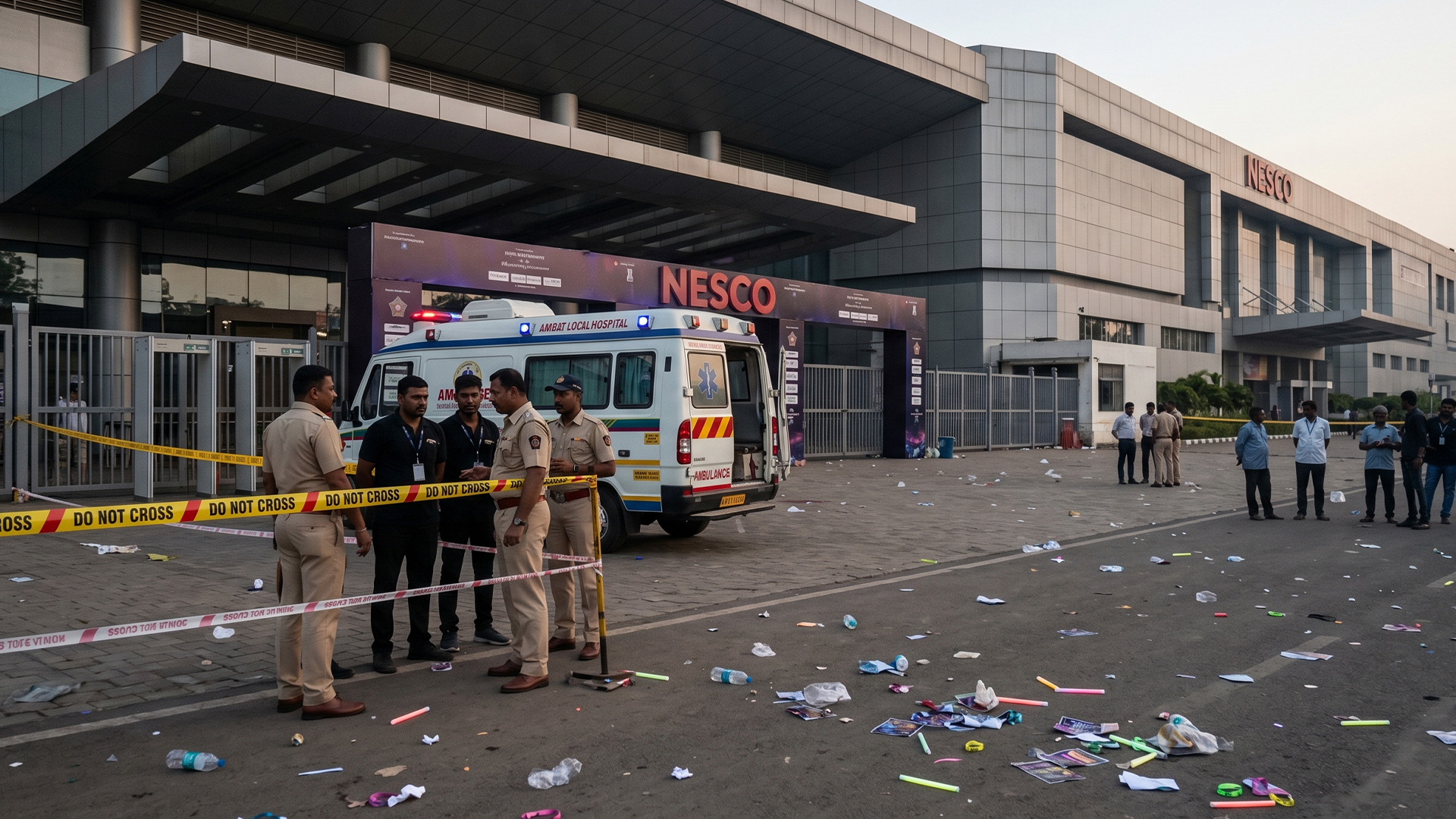
In a strong blow to left-wing insurgents, security forces in Chhattisgarh killed 14 Maoists in two separate encounters today. The clashes took place in Sukma and Bijapur districts, areas long affected by Maoist violence. Authorities said these operations are part of an intensified campaign to curb insurgency in the state.

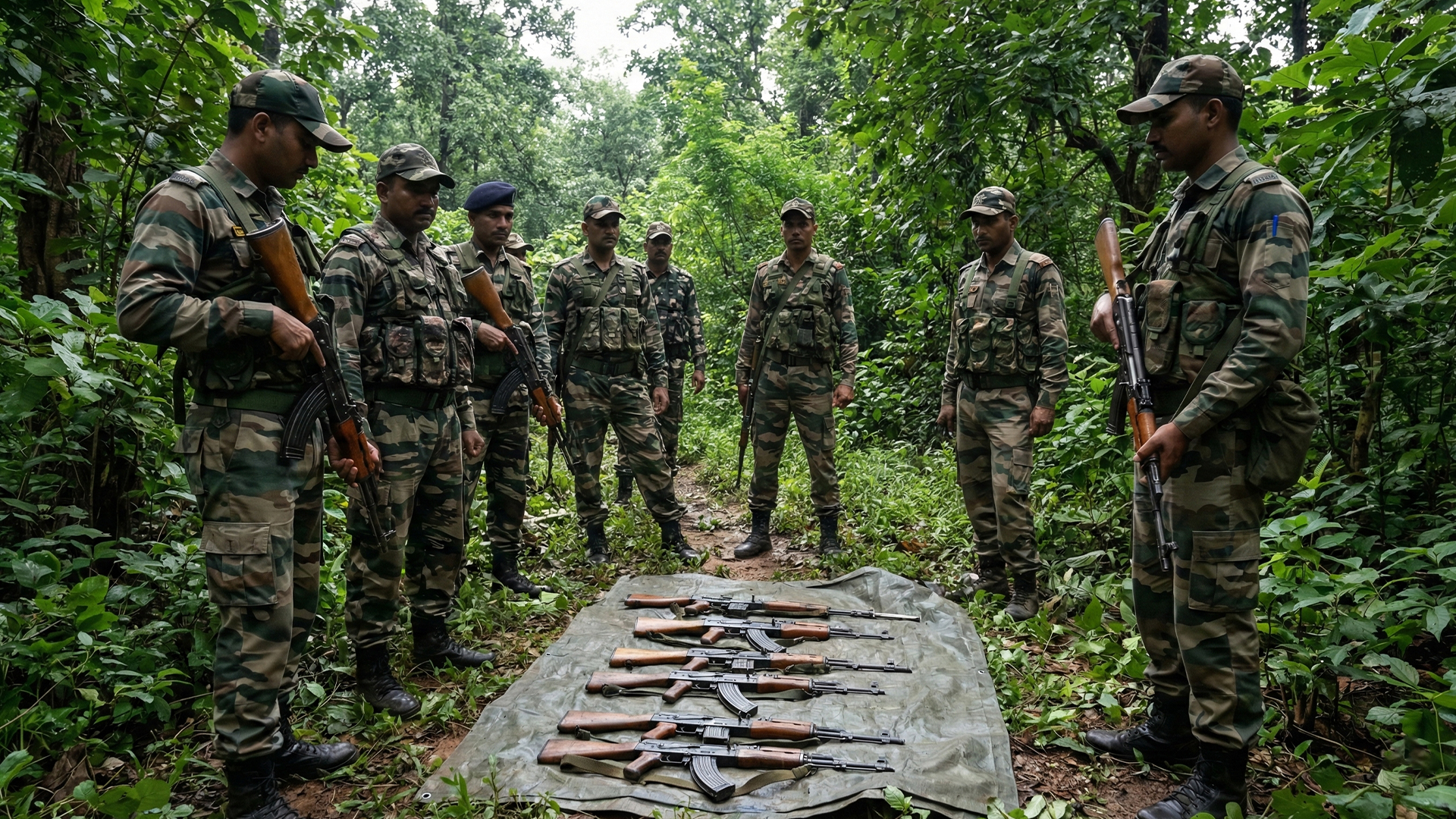
The first encounter occurred early morning in a dense forest area of southern Sukma. Teams from the District Reserve Guard (DRG) and other security units were on a planned search operation when they were fired upon by armed Maoists. A fierce exchange of gunfire followed, leaving 12 insurgents dead. Among them was Mangdu, the secretary of the Konta Area Committee, a key operational unit of the Maoists. Police said the encounter effectively dismantled the active cadre of this unit in the region.

In a separate operation in Bijapur district, two more Maoists were killed. Security personnel engaged the rebels in a brief gunfight, after which weapons including assault rifles and explosives were recovered. No casualties among security forces were reported in either encounter.

Officials said the operations reflect the government’s ongoing push to reduce Maoist influence in Chhattisgarh, particularly in Bastar, which remains a stronghold for insurgents. Last year, similar operations led to hundreds of Maoists being neutralised or surrendering, signalling a gradual weakening of the group.

The encounters come as authorities aim to make India free of Maoist violence by March 2026. Teams continue to search forests and nearby villages to ensure there are no remaining threats.

Local residents welcomed the operations, expressing hope for safer communities after years of fear and disruption caused by Maoist activities. The government described the incidents as a reminder that sustained security efforts can restore peace and stability in insurgency-hit regions.

These encounters highlight the challenges of combating left-wing extremism alongside the determined efforts of security forces to secure affected areas and protect civilians.

Also Read: Delhi air improves slightly, cold wave ahead

Vikas Khanna raises Mumbai Airport hygeine issue

Celebrity chef urges authorities to remove old carpets, warning of possible health risks for passengers

A long-haul flight home usually ends in quiet relief. For celebrity chef Vikas Khanna, it ended with a question—should high-traffic public spaces like airports still rely on carpets that may compromise health? His observation at Chhatrapati Shivaji Maharaj International Airport (CSMIA) has since struck a chord with travellers nationwide.

Khanna shared a photograph of the airport carpet on social media during his recent arrival from New York, describing it as “beyond cleaning.” While appreciating the airport’s efficiency and overall management, he expressed concern that heavily used carpets can trap dust, allergens, and pollutants, making them unsuitable for spaces that see thousands of passengers daily.

The Michelin-starred chef warned that such conditions could be particularly dangerous for people suffering from asthma, bronchial issues, and other respiratory problems. He urged airport authorities to reconsider the use of carpets in favour of cleaner, easier-to-maintain flooring, saying his request was made on behalf of vulnerable travellers.

Khanna’s post quickly gained traction, with frequent flyers and social media users echoing his concerns. Many shared personal experiences of discomfort in crowded airports and pointed out that hygiene in public spaces directly affects travel comfort, especially for children, senior citizens, and those with health sensitivities.

Responding to the attention, Mumbai airport authorities acknowledged the concern and stated that the matter had been forwarded to the relevant teams. The airport assured that passenger comfort and health remain a priority and that appropriate corrective measures, including cleaning and review of the issue, would be undertaken.

The episode has since opened up a broader lifestyle conversation around travel wellness, airport design, and the need for health-friendly infrastructure in busy transit hubs.

Beyond the carpet lies a larger point: modern travel is not just about speed and scale, but sensitivity. As millions pass through airports each day, small design choices can quietly shape comfort, safety, and first impressions—reminding us that wellness, even in transit, truly matters.

Also Read: US military strikes trigger explosions in Venezuela’s capital

India’s 1st Vande Bharat sleeper for east

First overnight semi‑high‑speed train connecting Guwahati and Kolkata brings comfort and modern amenities

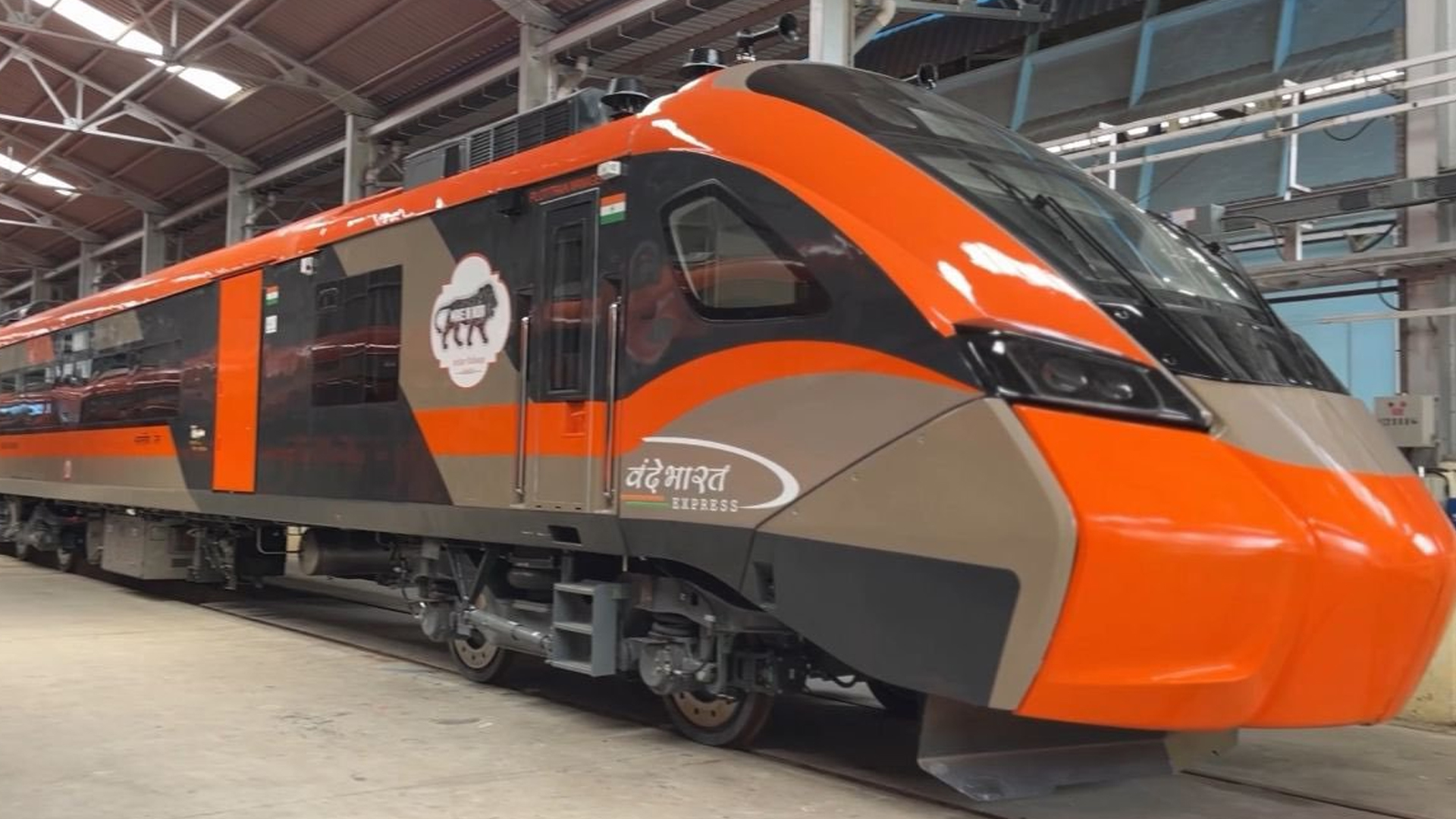
Indian Railways is set to launch its first Vande Bharat Sleeper train in January 2026, connecting Guwahati in Assam and Howrah in West Bengal. Union Railway Minister Ashwini Vaishnaw confirmed the new service, stating that Prime Minister Narendra Modi is expected to flag it off in the second half of January. The launch marks a major step in modernizing long-distance rail travel in eastern India, offering passengers a faster and more comfortable overnight journey compared with conventional trains.

The sleeper variant is specifically designed for routes covering 1,000–1,500 km, blending semi-high-speed performance with long-distance comfort. The train will consist of 16 fully air-conditioned coaches, accommodating around 823 passengers. This includes 11 AC 3-tier, 4 AC 2-tier, and 1 First AC coach. Each coach features ergonomic sleeper berths, bio-vacuum toilets, automatic doors, better lighting, and modern interiors designed for passenger convenience. Safety is a key focus, with the train equipped with the indigenous Kavach anti-collision system, ensuring secure travel even at higher speeds.

In trial runs, the train has reached speeds of up to 180 km/h, while commercial operations are expected to run at around 160 km/h wherever track conditions allow. Fares have been set to make the service competitive with air travel on the same route: AC 3-tier at ₹2,300, AC 2-tier at ₹3,000, and First AC at ₹3,600, with meals included in many cases.

The Guwahati–Kolkata route will connect multiple districts in Assam and West Bengal, including Kamrup, Bongaigaon, Coochbehar, Jalpaiguri, Maldah, Murshidabad, Purba Bardhaman, Hooghly, and Howrah, boosting regional connectivity and travel options. Two train sets are ready for deployment, and Indian Railways plans to expand the sleeper service to other routes across the country during the year.

Officials highlight that the Vande Bharat Sleeper is a milestone in India’s rail modernization drive, offering passengers a combination of speed, comfort, safety, and affordability. It represents a significant upgrade for overnight travel, ensuring that long-distance journeys are quicker, smoother, and more convenient, especially for travelers in eastern India.

Also Read: Delhi air improves slightly, cold wave ahead

Modi inaugurates Piprahwa Buddha relics expo

Exhibition brings together rare relics after 125 years abroad. Reconnects modern India with its ancient spiritual inheritance

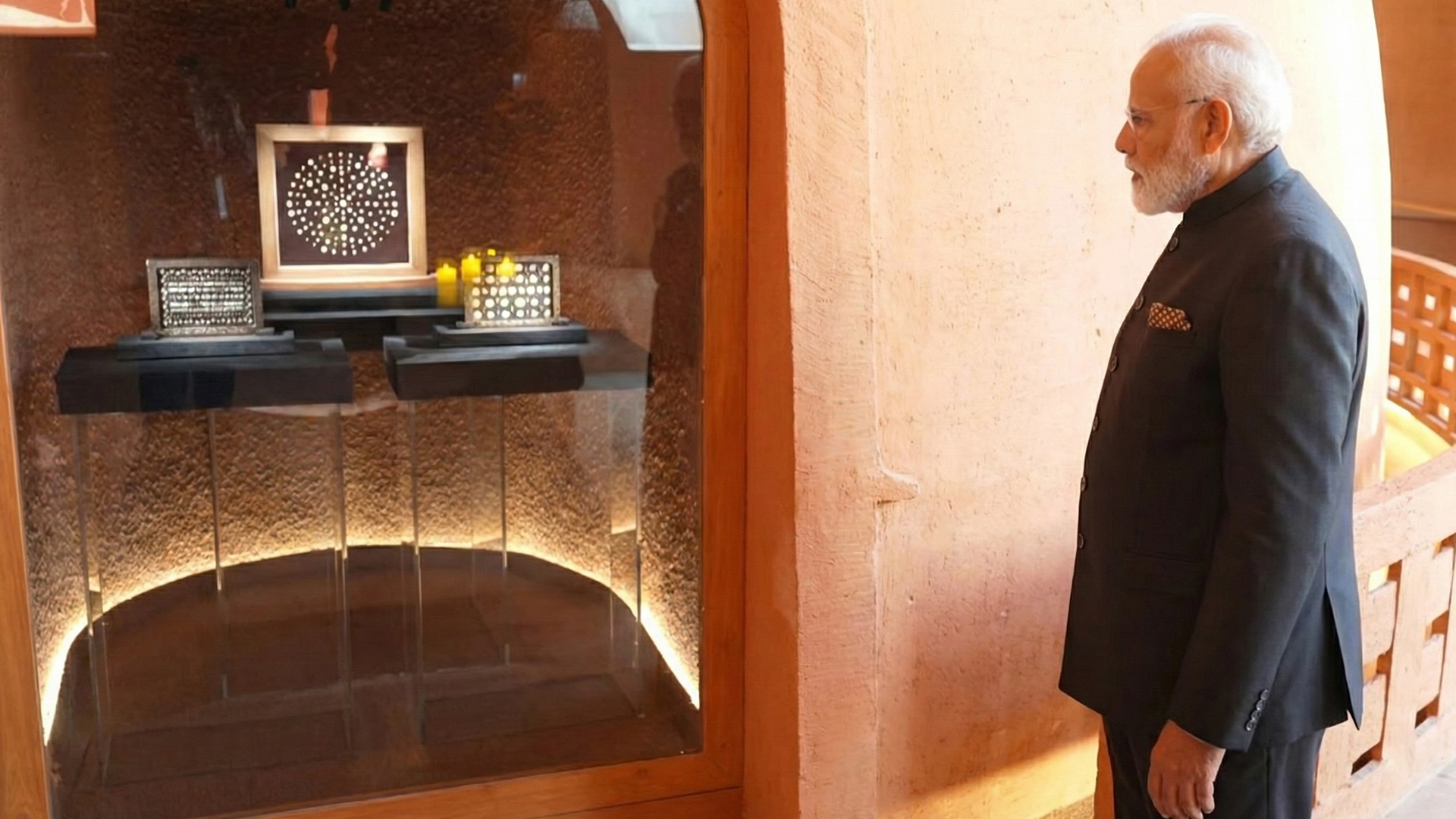
In a moment filled with quiet reverence and historical significance, Prime Minister Narendra Modi  inaugurated the International Exposition of Sacred Piprahwa Relics in New Delhi, today. With this India brings home the sacred remains linked to Lord Buddha after more than 125 years. The exhibition, titled “The Light & The Lotus: Relics of the Awakened One”, is being held at the Rai Pithora Cultural Complex and is open to the public.

The Piprahwa relics were discovered in 1898 in present-day Uttar Pradesh, near the ancient site believed to be Kapilavastu, where Prince Siddhartha Gautama spent his early years. Archaeologists and scholars widely recognise these relics as among the most important physical remains associated with the Buddha. For the first time, relics repatriated to India have been brought together with artefacts from the National Museum in Delhi and the Indian Museum in Kolkata.

Addressing monks, scholars and dignitaries at the inauguration, the Prime Minister said the relics are not merely museum pieces, but living symbols of India’s spiritual soul. He described the exhibition as a bridge between the past and the present, allowing people to reconnect with the timeless values of compassion, peace and mindfulness taught by Buddha.

Modi noted that the return of the relics marks an emotional and cultural homecoming. He said their presence in India strengthens the country’s responsibility as the birthplace of Buddhism and as a guardian of its heritage. Calling it an auspicious way to begin the new year, he expressed hope that Buddha’s teachings would inspire harmony in a world facing conflict and division.

The exhibition has been designed to be immersive and accessible. Visitors can explore visual narratives of Buddha’s life, see sacred gem relics and reliquaries, and walk through a specially created interpretive space inspired by the Sanchi Stupa. Audio-visual displays help explain the historical journey of the relics and their spiritual meaning.

Union ministers, diplomats, Buddhist monks and members of the public attended the event. The Prime Minister urged young people and students to visit the exhibition, saying that understanding Buddha’s message is especially important in today’s fast-paced and restless world.

Also Read: BCCI directs KKR to release Mustafizur Rahman

2 terror groups claim Nalagarh police station blast

BKI, Punjab Sovereignty Alliance name themselves. NIA, police intensify probe In Himachal Pradesh

A blast outside the Nalagarh police station in Himachal Pradesh’s Solan district has triggered a high-level security investigation, with two terror outfits claiming responsibility for the incident. The explosion occurred early Thursday morning near the police complex, sending shockwaves through the area and damaging nearby buildings. No injuries or loss of life were reported.

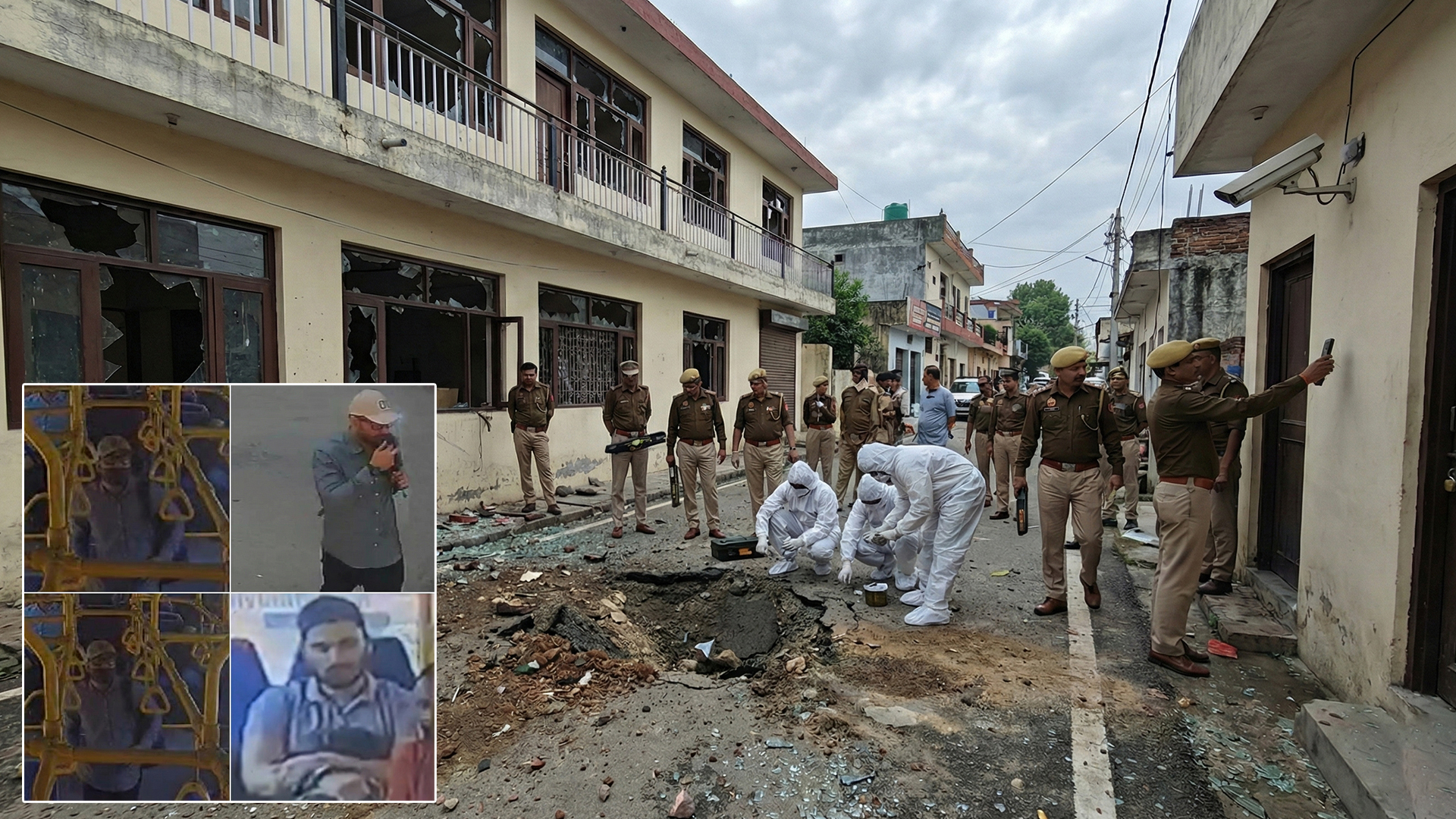
According to police, the blast created a small crater on the road and shattered windowpanes of nearby structures, including residential houses and government facilities. Residents reported hearing a loud bang that caused panic, though the situation was brought under control quickly.

Soon after the incident, police cordoned off the area and launched a detailed investigation. Bomb disposal and forensic teams were rushed to the spot to collect samples and assess the nature of the explosive used. CCTV cameras in and around the police station, nearby roads, and market areas are being examined to trace the movement of suspects before and after the blast.

A day later, two outfits, the banned Babbar Khalsa International (BKI) and the Punjab Sovereignty Alliance (PSA),  issued statements claiming responsibility. In their messages, the groups alleged that the blast was carried out using an improvised explosive device (IED). They claimed the act was meant as a warning over alleged drug manufacturing and trafficking networks operating in the region, accusing authorities of failing to act decisively.

Senior police officials said the claims are being verified and treated seriously. The National Investigation Agency (NIA) and central intelligence agencies have joined the probe, while Himachal Pradesh Police are coordinating closely with Punjab Police to track possible cross-border or interstate links.

Security has been tightened across Nalagarh and adjoining industrial and residential zones. Additional police patrols have been deployed, and sensitive locations are under heightened surveillance. Officials said there is no immediate threat to the public, but precautionary measures are in place.

Investigators are also examining possible external influence or backing behind the attack. While no conclusions have been drawn yet, officials said all angles — including terror funding, logistics support, and communication channels — are being thoroughly examined.

Also Read: 14 maoists killed in Chhattisgarh encounters

Delhi air improves slightly, cold wave ahead

AQI drops to ‘poor’, but chilly weather and fog likely for three days

Delhi residents woke up to a slightly fresher start to 2026 as the city’s air quality improved after days of thick, smoggy skies. On Saturday morning, the Air Quality Index (AQI) dropped from the ‘very poor’ to the ‘poor’ category, giving people a small but welcome relief. Early morning walkers, cyclists, and those stepping out for errands felt the difference, with the usual haze appearing a little thinner than the past week.

Experts said the improvement came thanks to light winds and colder weather, which helped push the trapped pollution away. Following this, authorities lifted the strict Stage-III restrictions under Delhi’s Graded Response Action Plan, though milder pollution measures remain in place. Despite this, doctors and environmentalists reminded citizens that the air is still not safe for vulnerable groups, including children, the elderly, and those with respiratory issues. Masks and caution are still advisable.

However, the respite may be short-lived. The India Meteorological Department (IMD) has issued warnings for a cold wave over the next three days, with temperatures expected to dip further. Dense fog is likely in the mornings and evenings, which could slow traffic and affect flights. Residents are being advised to bundle up and take extra care while commuting.

Environmentalists caution that the cold, calm weather could trap pollution closer to the ground again, meaning the city could quickly slip back into unhealthy air levels. Authorities continue to monitor the situation closely, ready to reintroduce stricter measures if needed.

For now, Delhiites are enjoying cleaner skies and crisp winter mornings, but the lingering chill and fog serve as a reminder that the city’s fight with pollution is far from over. Even a small improvement brings hope—and a chance to step outside and breathe a little easier.

Also Read: Centre clears 22 electronics component projects

Centre clears 22 electronics projects

₹41,800 crore investment approved, nearly 34,000 jobs expected nationwide

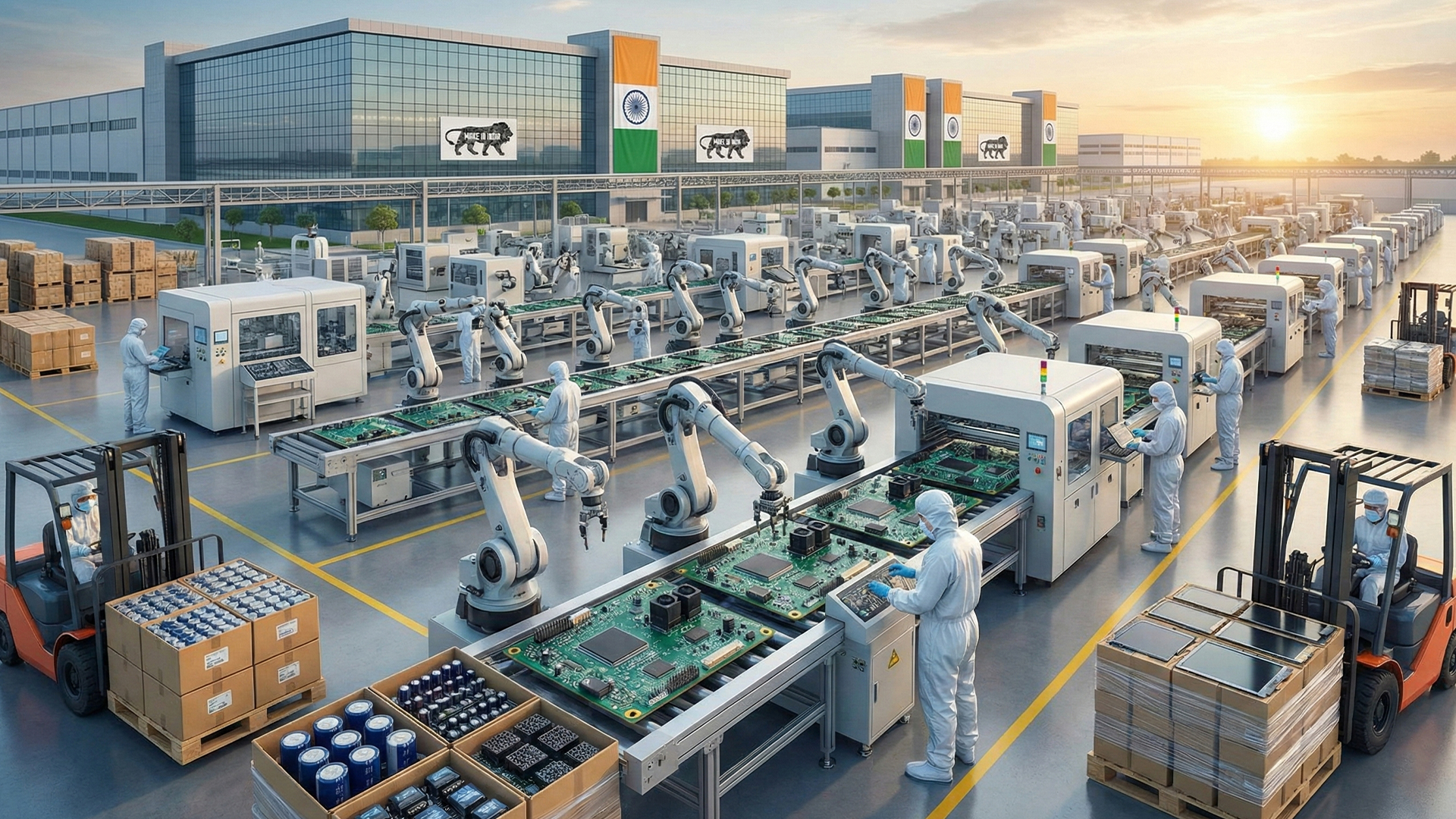
The Union government has cleared 22 additional proposals under the Electronics Components Manufacturing Scheme (ECMS), strengthening India’s push to become a global hub for electronics manufacturing. The approvals were granted by the Ministry of Electronics and Information Technology (MeitY) and are aimed at building a strong domestic supply chain for key electronic components.

According to the government, the newly approved projects are expected to attract investments worth around ₹41,863 crore. Once operational, these units could lead to electronics production valued at about ₹2.58 lakh crore. The projects are also likely to create nearly 33,800 direct jobs, providing a major boost to employment in the manufacturing sector.

This is the third round of approvals under the ECMS. With these additions, the total number of projects sanctioned under the scheme has risen to 46, with overall investment commitments crossing ₹54,500 crore. The scheme is designed to reduce India’s dependence on imported electronic components and encourage companies to manufacture critical parts within the country.

The newly approved proposals span 11 key component categories that are widely used across industries such as mobile phones, consumer electronics, automobiles, telecom equipment and IT hardware. These include printed circuit boards (PCBs), camera modules, display sub-assemblies, connectors, enclosures, capacitors, lithium-ion battery cells, anode materials and specialised laminates.

Several well-known Indian and global companies are among the beneficiaries. These firms will set up or expand manufacturing facilities across multiple states, including Tamil Nadu, Karnataka, Maharashtra, Uttar Pradesh, Andhra Pradesh, Haryana, Rajasthan and Madhya Pradesh. The government expects this geographic spread to support balanced industrial growth and strengthen state-level manufacturing ecosystems.

Union Electronics and IT Minister Ashwini Vaishnaw said the scheme is a key step towards building a complete electronics manufacturing value chain in India. He emphasised that focusing on component manufacturing is essential for moving beyond assembly-led growth and achieving long-term competitiveness.

The Electronics Components Manufacturing Scheme is part of the government’s broader strategy to promote domestic manufacturing, attract global investments, increase exports and make India more self-reliant in critical technology sectors.

Also Read: NHAI eases FASTag process for private cars