rotating globe
15 Apr 2026


Baloch leader writes to Jaishankar, flags China troop risk

Open letter from Pakistan soil praises India’s Operation Sindoor, warns of growing China footprint in Balochistan

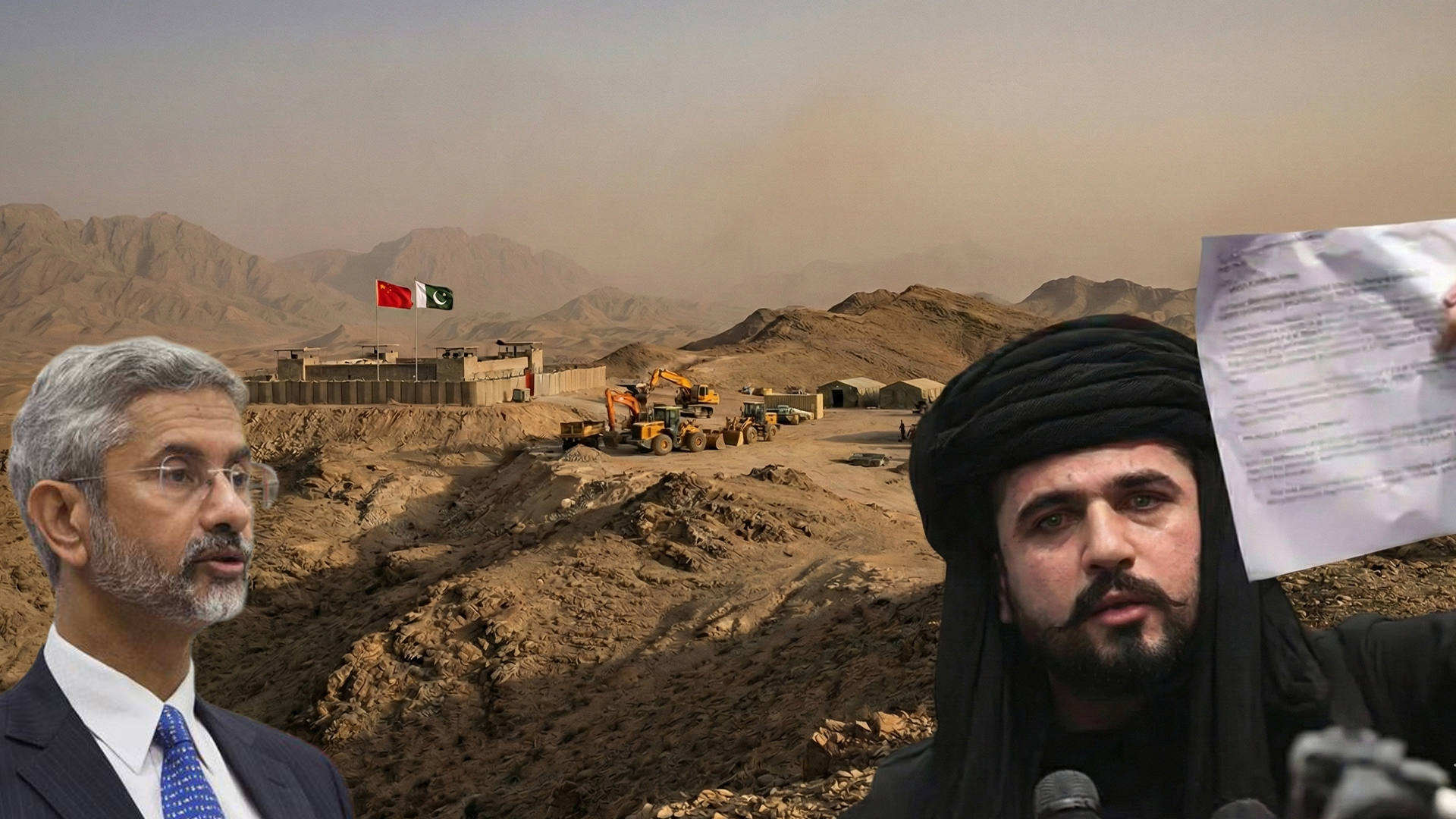
A Baloch nationalist leader has warned that China may deploy its troops in Pakistan’s Balochistan province in the near future, calling it a serious security threat for the region and for India. Mir Yar Baloch, a prominent Baloch leader and human rights activist, raised the concern in an open letter addressed to India’s External Affairs Minister S. Jaishankar.

In the letter, written from Pakistan soil, Mir Yar Baloch said China’s expanding strategic and economic interests in Balochistan, particularly through the China-Pakistan Economic Corridor (CPEC), could soon take a military form. He cautioned that if the situation continues unchecked, Chinese forces could be stationed in Balochistan “within months,” without the consent of the Baloch people.

Describing Balochistan as a conflict-hit region with a long history of unrest, Mir Yar Baloch alleged that Pakistan has allowed external powers to gain influence while ignoring the rights and aspirations of the local population. He claimed that a Chinese military presence would further marginalise the Baloch community and destabilise South Asia, posing long-term risks to India’s security as well.

The Baloch leader also referred to what he described as continued human rights violations in the province and reiterated that Baloch nationalist groups had declared independence from Pakistan in 2025. He said Baloch leaders are planning global diplomatic outreach in 2026 to highlight their demands for self-determination and international recognition.

In the same letter, Mir Yar Baloch praised India’s recent counter-terror operation, Operation Sindoor, which targeted terror infrastructure linked to Pakistan. He described the operation as a strong message against terrorism and commended India’s resolve to protect its citizens and regional stability.

Highlighting cultural and civilisational links between India and Balochistan, he mentioned shared heritage sites and historical ties, arguing that both regions have common interests in peace and security. He expressed hope that India would continue to raise concerns about Balochistan at international forums.

China and Pakistan have repeatedly maintained that CPEC is a purely economic project and have denied any plans for military deployment. India, however, has consistently opposed the corridor, citing sovereignty issues and security concerns, especially in Pakistan-occupied regions.

The letter adds a new dimension to the geopolitical debate around Balochistan, China’s regional role, and India-Pakistan tensions.

Also Read: India, Pakistan exchange nuclear, prisoner lists

NHAI eases FASTag process for private cars

Post-activation KYV dropped from February 1

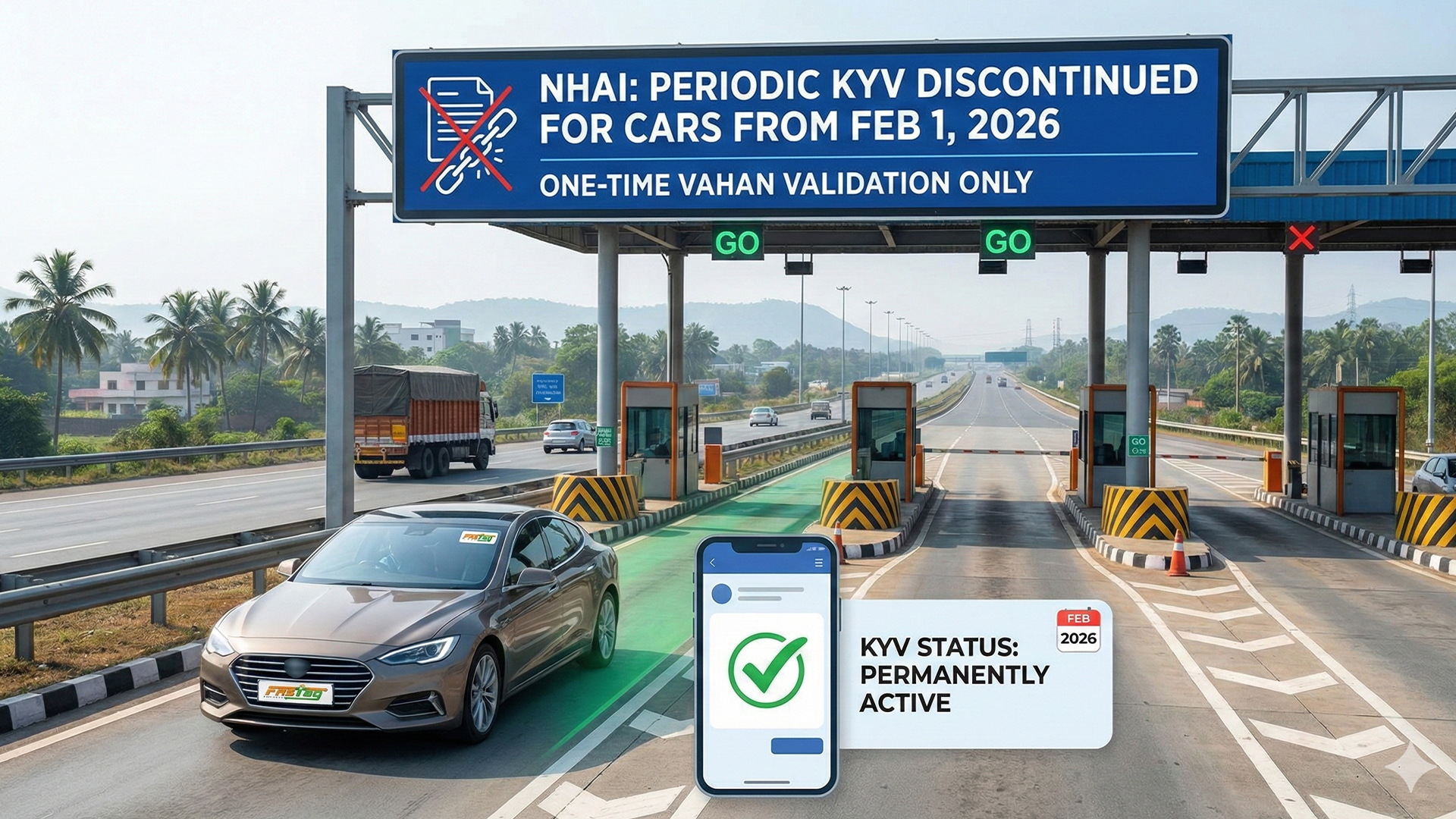
In a move expected to bring relief to millions of private vehicle owners, the National Highways Authority of India (NHAI) has announced that it will discontinue the post-activation Know Your Vehicle (KYV) process for FASTags issued to cars, jeeps and vans. The new rule will come into effect from February 1.

Until now, FASTag users were required to complete the KYV process even after their tag was activated, often leading to confusion, delays and complaints. With the revised system, this additional step will no longer be mandatory for private vehicles, making FASTag usage simpler and more seamless.

Under the new guidelines, vehicle verification will be completed before FASTag activation, instead of after. Issuing banks will be responsible for verifying vehicle details using the VAHAN database, which contains official registration records. A FASTag will be activated only once the vehicle details are successfully validated.

If vehicle information is not available on the VAHAN portal, banks must verify the details using the vehicle’s Registration Certificate (RC) before activating the FASTag. In such cases, the bank issuing the FASTag will be fully accountable for the verification process. This applies to FASTags purchased both offline and through online platforms.

For FASTags that have already been issued to cars, jeeps and vans, the KYV process will not be required routinely. KYV will be initiated only in specific situations, such as when there are complaints related to wrong issuance, loose or duplicate tags, or suspected misuse. If no such issue arises, existing FASTag users will not need to take any action.

Officials said the change is aimed at reducing unnecessary follow-ups, improving user experience, and strengthening accountability at the bank level. The decision is also expected to reduce customer grievances and speed up FASTag adoption.

The updated policy is part of the government’s broader push to make the FASTag system more efficient, technology-driven and user-friendly, while ensuring that verification standards remain intact.

Also Read: Will Smith sued over tour harassment

Apple scales back Vision Pro production


Apple is dialing down its ambitions for the Vision Pro headset after the device failed to attract strong consumer interest. Reports indicate that the company has cut production and marketing by over 95 per cent, marking a significant retreat from what was once presented as Apple’s next big computing platform.

Introduced in early 2024, the Vision Pro was positioned as a breakthrough in “spatial computing,” allowing users to interact with digital content in immersive ways. However, its premium price of $3,499 put it beyond the reach of most buyers. Add to that its bulky form, limited battery life, and a relatively small app ecosystem, and the headset struggled to move beyond early adopters and developers.

Industry estimates suggest that only about 45,000 units were shipped during the crucial holiday quarter, far below expectations for a company of Apple’s scale. Production by Apple’s manufacturing partner is believed to have stopped earlier this year, while promotions for the headset have largely disappeared. The Vision Pro is also available in a limited number of countries, further restricting its market.

Apple has not officially commented on the reported cutbacks, but analysts believe the company is rethinking its approach. A cheaper version of the headset is said to be under consideration, alongside a stronger push into AI-driven wearables. The Vision Pro’s slow start highlights how challenging it can be , even for Apple,  to turn cutting-edge technology into a mass-market product.

Also Read: Will Smith sued over tour harassment

India, Pakistan exchange nuclear, prisoner lists

Annual information swap continues despite tense relations; India urges prisoner release

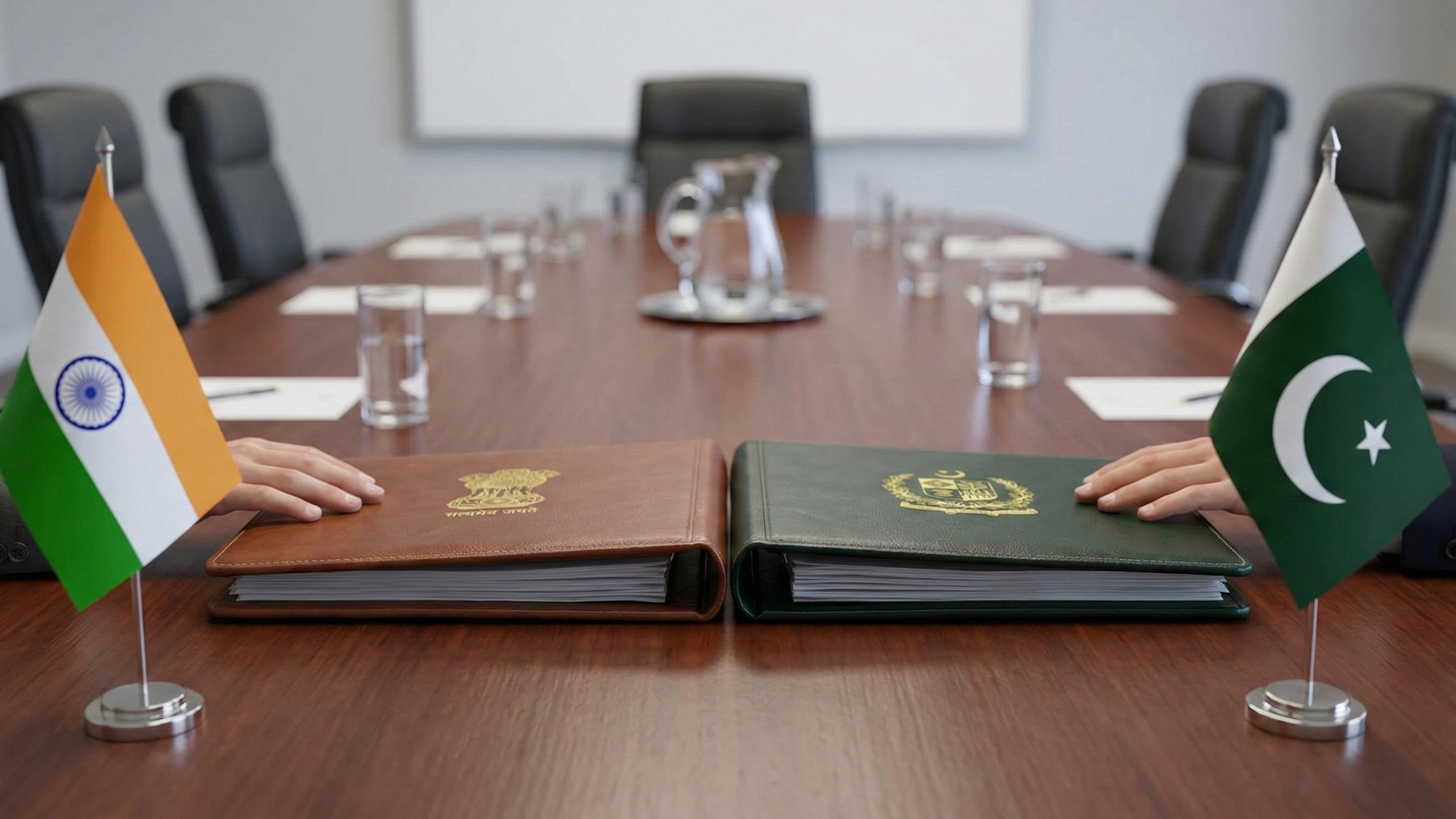
On January 1, 2026, India and Pakistan carried out their yearly exchange of important information, sharing lists of nuclear facilities and civilian prisoners held in each other’s countries. This routine practice is part of long-standing agreements aimed at keeping transparency and avoiding conflicts between the two nuclear-armed neighbours.

Under the Agreement on the Prohibition of Attack against Nuclear Installations and Facilities from 1988, both countries share details of nuclear sites that are protected from attacks during any conflict. This year’s exchange marks the 35th year of this practice, showing a rare continuity in cooperation despite overall tense relations.

At the same time, both nations shared lists of civilian prisoners and fishermen detained in each other’s territories, under the Consular Access Agreement of 2008. India shared information on 391 civilian prisoners and 33 fishermen believed to be Pakistani nationals. Pakistan provided details on 58 civilian prisoners and 199 fishermen believed to be Indian.

The Indian government renewed its request for the early release of these civilians and fishermen, including returning their boats. India also urged Pakistan to provide consular access to 35 prisoners and fishermen whose access is still pending. India continues to seek information about missing Indian defence personnel reportedly held in Pakistan.

Officials highlighted that past exchanges have led to the release and repatriation of thousands of fishermen and dozens of civilian prisoners, showing that both countries can cooperate on humanitarian matters even when overall relations are strained.

This exchange comes after tensions rose following a brief military confrontation in May 2025. High-level talks are rare, though officials met briefly during the list exchange.

In domestic news, India’s labour experts have raised concerns about new draft rules under the Code on Wages. The draft leaves daily work hours to be decided by central and state governments, without specifying an eight-hour workday. Experts warn this could lead to longer workdays, especially for daily wage and gig workers, and reduce protection against overwork.

Also Read: Draft labour rules out, work‑hour clarity lacking

Key Sports Governance law takes effect

First phase of reforms begins, full rollout planned later

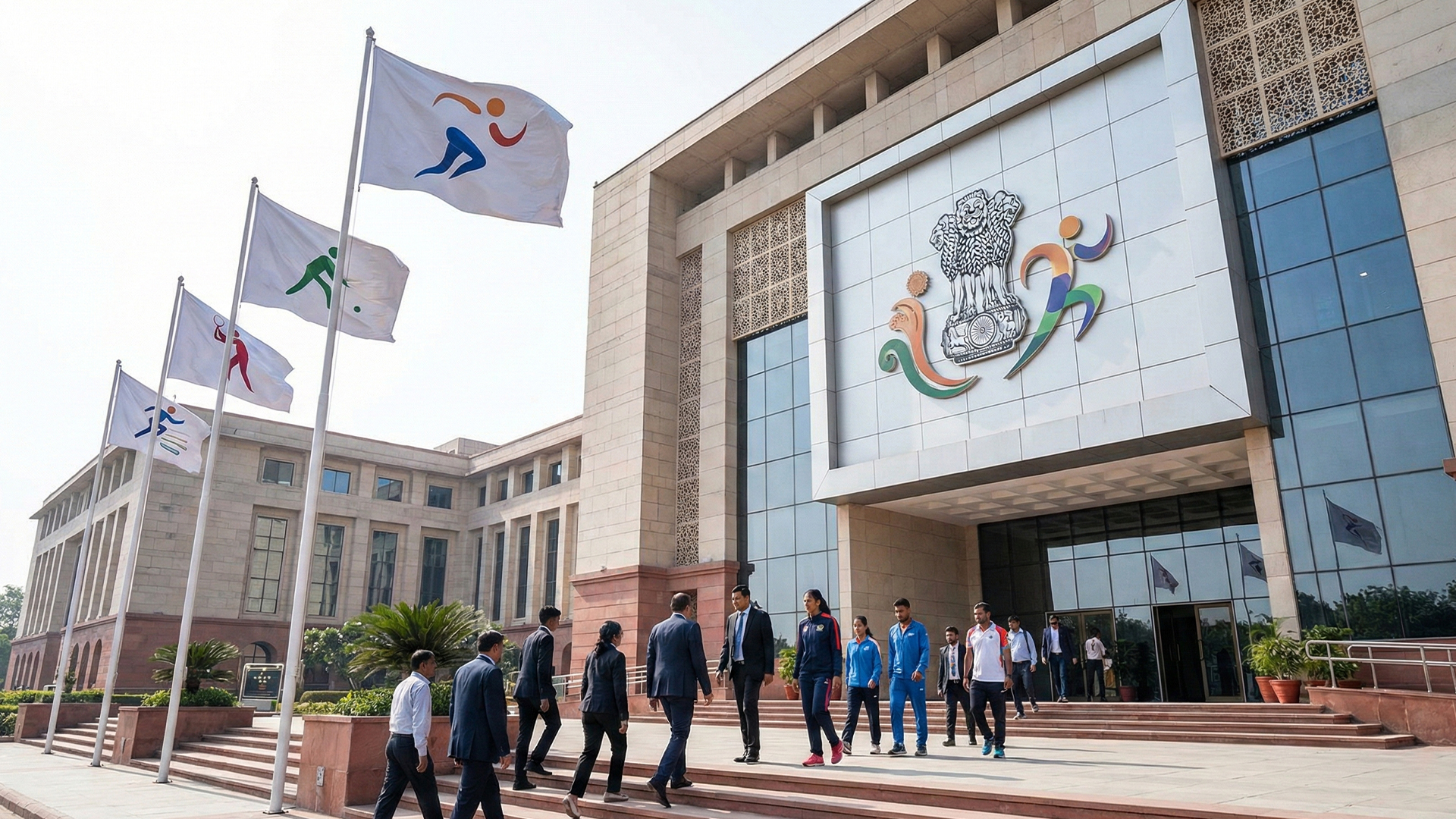
The National Sports Governance Act, 2025 has partially come into effect from January 1, marking the beginning of a major overhaul in the way sports bodies are governed in India. The Union government issued a notification bringing selected provisions of the Act into force, while the remaining sections will be implemented in a phased manner.

The Act aims to introduce greater transparency, accountability and athlete representation in the functioning of national sports organisations. With the partial rollout, the legal framework for regulating sports bodies such as National Sports Federations (NSFs), the National Olympic Committee and the National Paralympic Committee has been formally put in place.

One of the key developments under the notified provisions is the initiation of steps to establish the National Sports Board (NSB) and the National Sports Tribunal (NST). The NSB is expected to act as an oversight authority to monitor governance standards, recognition and compliance of sports federations, while the tribunal will serve as a specialised forum to resolve disputes related to sports administration.

The Act also lays down broad principles for the structure and composition of executive committees of sports federations. These include limits on the size of governing bodies and provisions to ensure representation of sportspersons, with the intent of giving athletes a stronger voice in decision-making. However, these requirements will become fully enforceable once the remaining sections of the law are notified.

To avoid disruption, the government has allowed a transition period for existing sports bodies. Federations with elections due in the near future have been given flexibility to align their electoral processes with the new law once it is fully operational. This phased approach is intended to ensure continuity while moving towards a more regulated system.

The government has said the legislation is designed to address long-standing concerns around poor governance, lack of accountability and prolonged legal disputes in Indian sports administration. By introducing clear rules and independent oversight mechanisms, the Act seeks to improve trust, professionalism and performance in the sports ecosystem.

Full implementation of the National Sports Governance Act is expected in the coming months, after which all sports bodies will be required to comply with its provisions in letter and spirit.

Also Read: India’s 1st bullet train to start in 2027

Draft labour rules out, work‑hour clarity lacking

Government invites feedback on four labour codes, daily hours left to states, raising worker concerns

The Ministry of Labour and Employment has released draft rules for all four of India’s newly enacted labour codes, Code on Wages, Industrial Relations Code, Social Security Code, and Occupational Safety, Health and Working Conditions Code — marking a major step in modernising the country’s labour laws. These codes consolidate 29 existing laws into a streamlined framework intended to simplify compliance, strengthen worker protections, and improve ease of doing business. The government has opened a 30–45 day window for public feedback on the draft rules.

The draft rules outline key provisions covering minimum wages, social security, industrial relations, safety, and health standards. They include measures such as timely payment of minimum wages, formal appointment letters, equal pay for women, social security for gig and unorganised workers, and gratuity eligibility for fixed-term employees after one year of service. Health provisions include medical check-ups for workers above 40, and the rules provide for overtime pay and registration of unorganised sector workers.

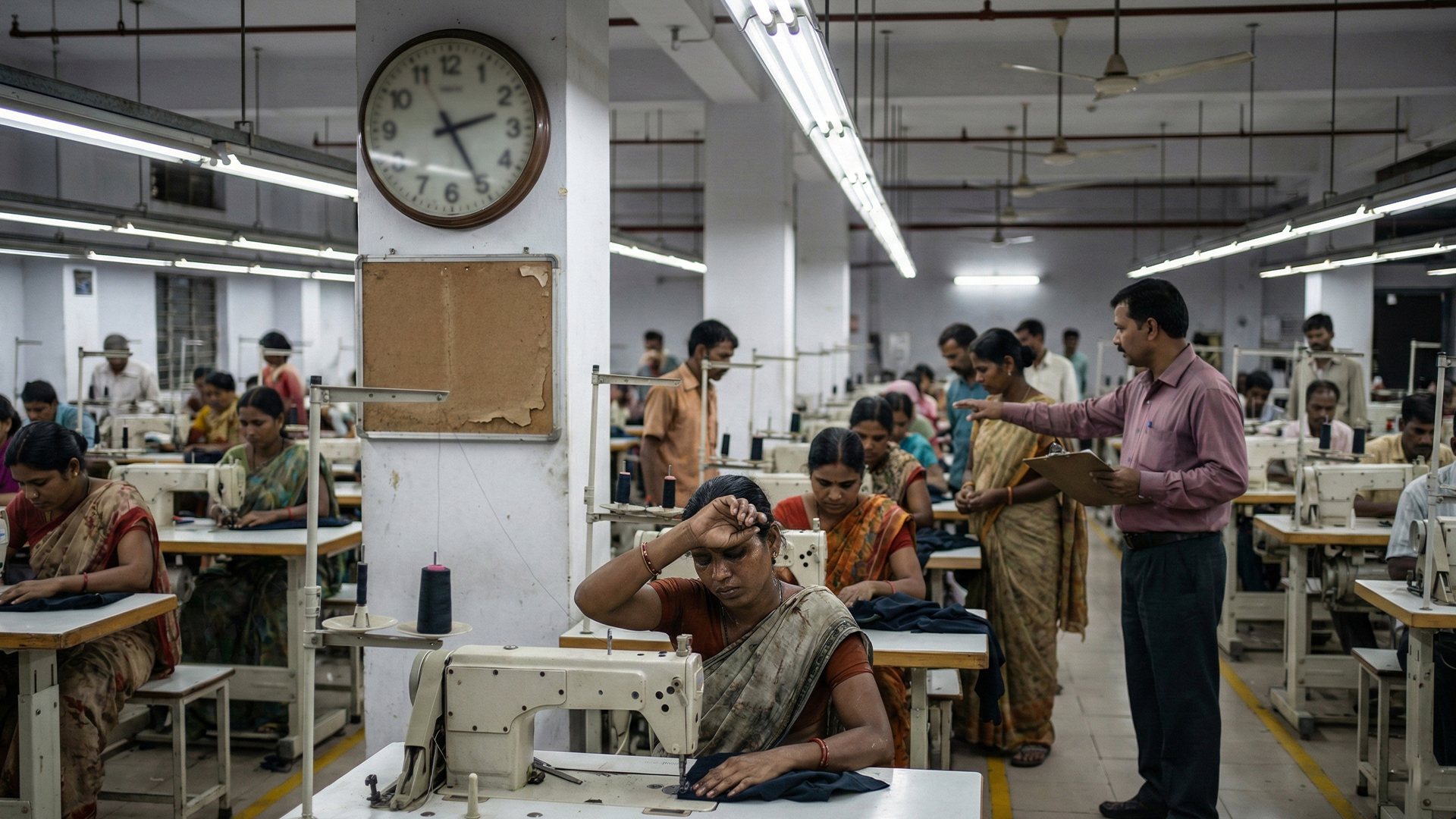
However, experts and worker groups have raised concerns over a significant gap in the Code on Wages draft rules. While the rules maintain a 48-hour weekly limit, they do not define a fixed daily work-hour cap, leaving it to the Central and state governments to notify daily limits separately. This could allow workdays longer than the traditional eight hours, potentially up to 10–12 hours, which critics argue may compromise workers’ health and rights, especially for gig and daily wage workers.

The government will review public feedback before finalising the rules, which are expected to be formally notified by March 2026. Full implementation of the labour codes is anticipated from April 1, 2026, following any additional state-level notifications. Stakeholders have called for clearer daily work-hour limits to ensure the reforms balance worker protection with labour market flexibility.

These draft rules represent a historic effort to modernise India’s labour regulations while highlighting the need for careful attention to worker welfare and operational clarity, especially regarding daily working hours.

Also Read: Sewage-mixed water sparks Indore deadly outbreak

Hindu man in Bangladesh survives attack, jumps into pond

Set on fire in Bangladesh, a 50 year old businessman escapes serious injury

A 50-year-old Hindu businessman narrowly escaped death after a brutal mob attack in Shariatpur, Bangladesh, on New Year’s Eve. The victim, Khokon Chandra Das, owns a pharmacy in the Keurbhanga area and was returning home after closing his shop when the terrifying assault occurred.

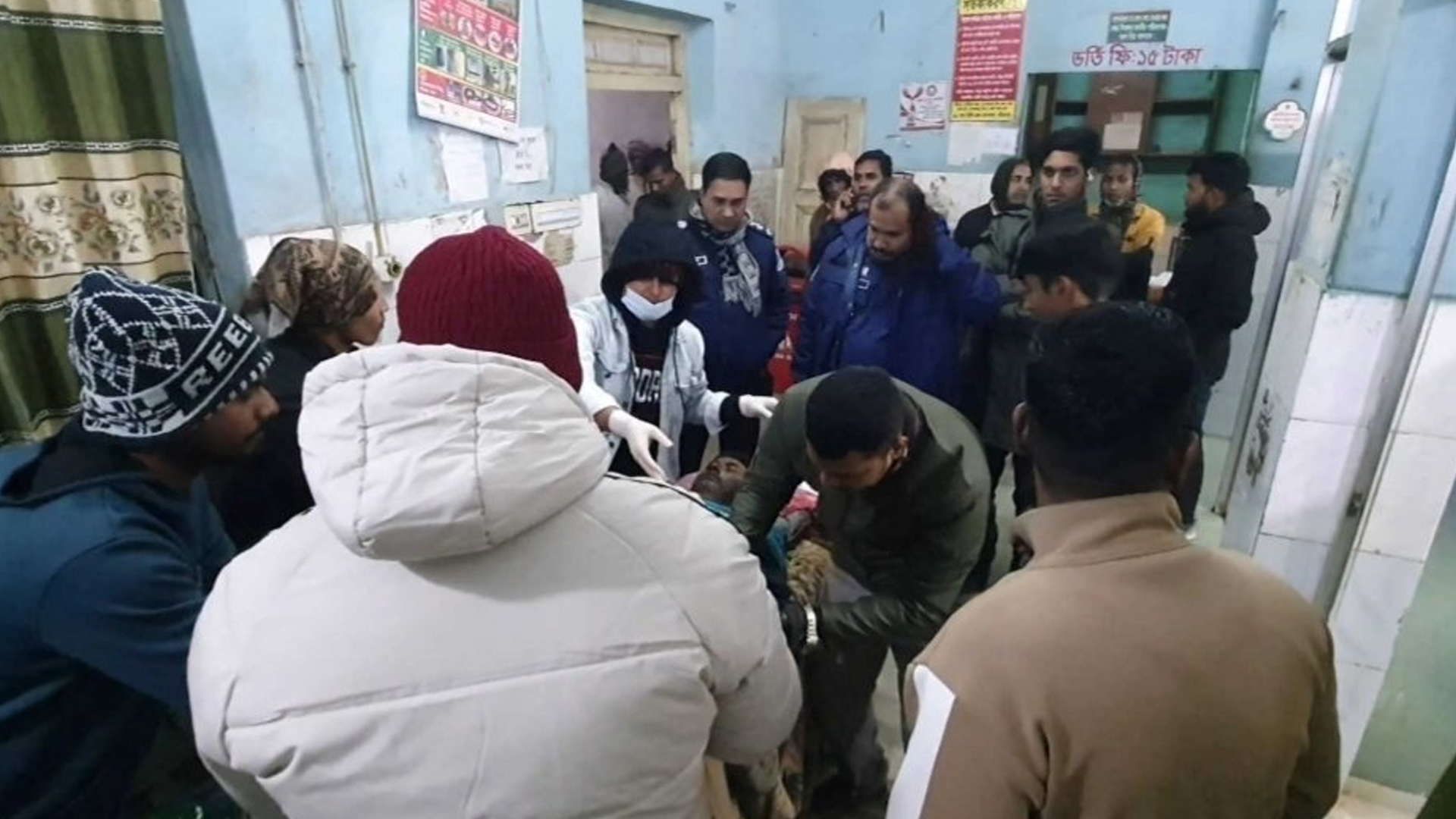
According to local reports, a group of attackers intercepted his autorickshaw on the Damudya–Shariatpur road. They stabbed him, beat him, and then poured petrol over his body, attempting to set him on fire. In a desperate bid to survive, Das jumped into a nearby roadside pond, extinguishing the flames and preventing further injury. Locals quickly rushed to his aid, pulling him out of the water and alerting authorities.

Das sustained burns on his face, hands, and head, along with stab wounds. He was initially treated at Shariatpur Sadar Hospital, but doctors recommended transferring him to Dhaka Medical College Hospital for specialised care. His condition is currently stable, but the ordeal has left the community shaken.

Police have launched an investigation, identifying at least two suspects, though arrests have not yet been confirmed. The attack has raised serious concerns about the safety of minority Hindus in the region. In recent weeks, similar violent incidents, including lynchings, have targeted Hindus in Bangladesh, igniting fears among communities and prompting calls for stronger law enforcement and protective measures.

Neighbours and community members expressed shock and sorrow over the attack. “It’s terrifying that such violence can happen in broad daylight. We fear for our safety every day,” said a local resident, highlighting the growing anxiety among minority populations.

This incident has drawn attention both locally and internationally, prompting human rights organisations to call for urgent action to protect religious minorities. For Das, the escape into the pond was nothing short of miraculous—a desperate leap that saved his life, even as it underscores the vulnerability of communities living under constant threat.

Also Read: National Sports Governance Act takes effect partially

Faridabad woman gang‑raped after leaving home

Left home after fight with mother, two arrested

A 25‑year‑old woman was gang‑raped in a moving vehicle on the Gurugram‑Faridabad road in the early hours of December 30, police said. The incident has sparked outrage over women’s safety in Delhi‑NCR.

Her sister recounted that the woman had left home around 8.30 pm on December 29 following an argument with their mother. She intended to visit a friend and waited for an auto near Metro Chowk. She informed her sister and young daughter before disconnecting the call.

At around 3.30 am, her sister received a call with only sobs and silence. After staying on the line for half an hour and contacting a friend, the family located her critically injured. She was initially treated in Faridabad before being shifted to a Delhi hospital, where she remains in intensive care with multiple injuries, including fractures on her face.

Police said the accused, two men from Uttar Pradesh and Madhya Pradesh, offered her a lift in a white Maruti Eeco van but instead drove her to an isolated area. She was assaulted inside the vehicle for two to three hours before being thrown out near Raja Chowk in SGM Nagar around 3 am.

The vehicle has been seized, and the two men are in judicial custody. Authorities are investigating and have recorded the survivor’s statement as part of the legal process.

Also Read: SIT flags bigger Sabarimala gold theft

Sewage-mixed water sparks Indore deadly outbreak

This incident sickens over 1,400 in Bhagirathpura; probe ordered, officials face action amid political row

A severe water contamination crisis in Indore’s Bhagirathpura area has led to a widespread outbreak of diarrhoea and vomiting, claiming several lives, including a six-month-old infant, and leaving more than 1,400 people ill. The incident has raised serious questions about civic oversight, emergency response, and accountability in the city’s water supply system.

The crisis began in the last week of December when residents noticed foul-smelling and discoloured tap water. Despite complaints to the municipal corporation, many households continued using the supply for drinking and cooking. Health officials later confirmed that sewage had leaked into a drinking water pipeline due to damage in an underground line, contaminating the supply.

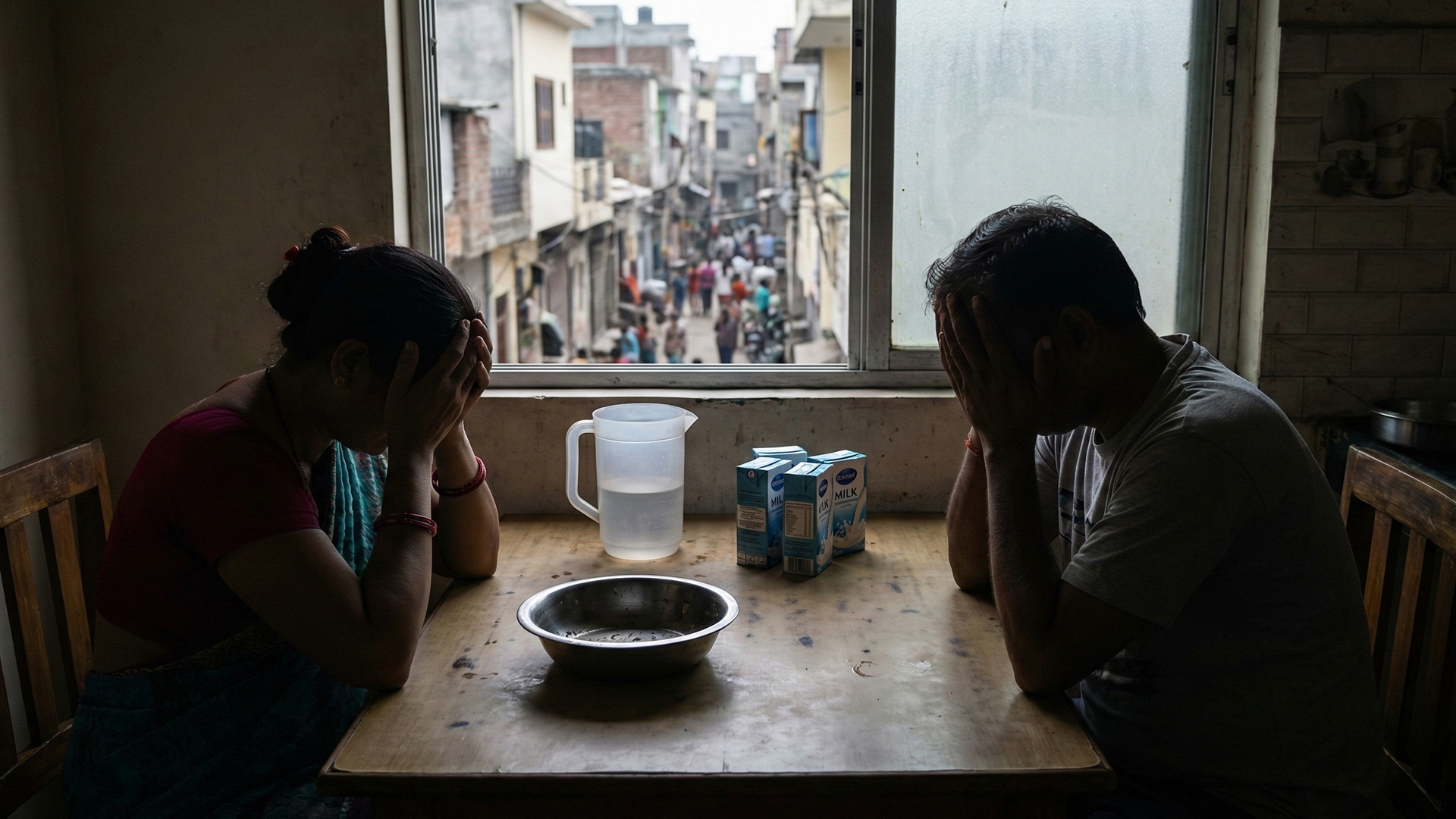
Hospitals and clinics soon reported a surge in patients suffering from acute diarrhoea, vomiting, stomach cramps and dehydration. While official records confirm at least four deaths, local residents and opposition leaders claim the toll may be higher. One grieving family said their six-month-old baby died after consuming milk prepared by mixing packaged milk powder with contaminated water, highlighting how even indirect exposure proved fatal.

Following public outrage, the Madhya Pradesh government ordered an inquiry into the incident. Several municipal engineers and water supply officials have been suspended or removed for alleged negligence. A three-member committee has been tasked with identifying lapses and fixing responsibility. The state government has announced an ex-gratia compensation of ₹2 lakh for families of the deceased and assured free treatment for all affected patients.

The health department has advised residents to stop using tap water for drinking until further notice. Tankers supplying potable water have been deployed in affected areas, and chlorination of pipelines is underway. Doctors have also issued advisories on boiling water, maintaining hand hygiene and seeking early medical care for symptoms.

The crisis has also taken a political turn. Urban Development Minister Kailash Vijayvargiya drew sharp criticism after using an objectionable word during a media interaction while responding to questions on the outbreak. The remark sparked public anger and opposition protests. Vijayvargiya later expressed regret and apologised, stating his comment was made in the heat of the moment.

As investigations continue, the Indore water crisis has exposed the human cost of infrastructure failures and delayed responses, with affected families demanding justice, accountability and long-term safeguards to prevent such tragedies from recurring.

Also Read: Indore water contamination tragedy claims 8 lives