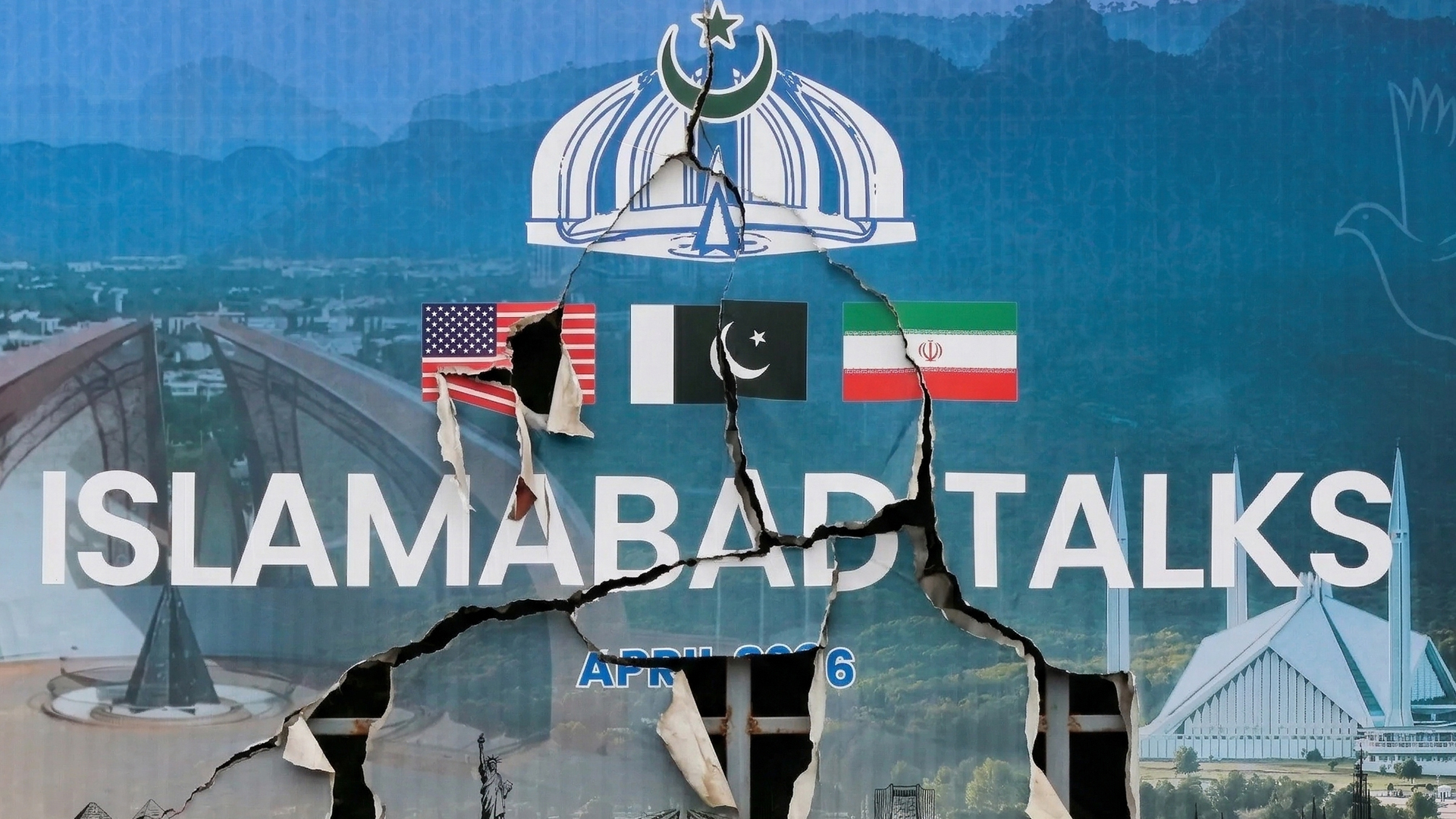
Talks between the United States and Iran in Islamabad have ended without any agreement, showing just how far apart the two countries still are on major issues. The discussions were seen as a rare and important attempt to ease tensions after weeks of conflict, but they ultimately failed to produce a breakthrough.
The negotiations lasted for nearly 21 hours and marked the first direct engagement of this kind in decades. There was hope that both sides might find common ground, but disagreements over Iran’s nuclear programme and control of the Strait of Hormuz proved too difficult to resolve.
The United States, represented by Vice President JD Vance, pushed for Iran to stop its uranium enrichment and scale back its nuclear activities. Iran, however, firmly rejected these demands, insisting that its nuclear programme is a matter of national sovereignty and cannot be compromised. Iranian officials also criticized the US for setting conditions they believe are unfair and constantly changing.
Another key issue was the Strait of Hormuz, one of the world’s most important oil routes. The US wants free movement of ships through the strait, while Iran is seeking greater control in the region, along with financial compensation and the release of frozen assets. These opposing positions made it even harder to reach an agreement.
Following the breakdown of talks, tensions appear to be rising again. The US has signaled possible tougher actions, including a naval blockade, while Iran has warned that such steps could lead to serious consequences and threaten the fragile ceasefire currently in place.
The failed talks have also affected global markets, with oil prices showing signs of increase due to fears of supply disruptions. Investors are watching the situation closely as uncertainty grows.
Despite the setback, there is still a small hope for diplomacy. Pakistan, which hosted the talks, has urged both countries to stay calm and continue discussions. For now, however, the situation remains tense, with the risk of further escalation still very real.