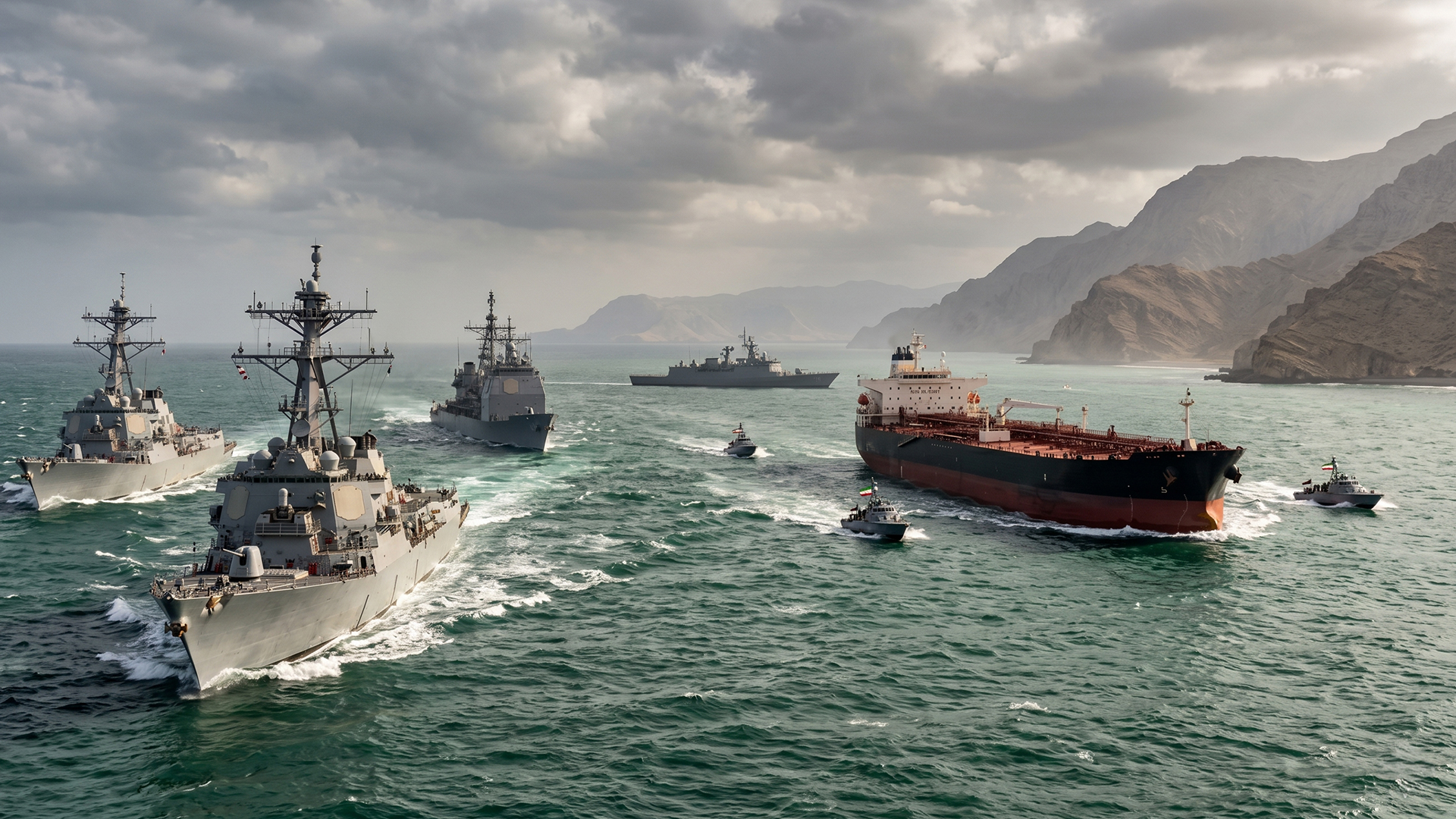
A Chinese-linked oil tanker under US sanctions was forced to turn back near the Strait of Hormuz, underlining growing tensions in one of the world’s most important oil routes.
The vessel, named Rich Starry, had initially managed to move out of the Gulf, briefly raising hopes that ships could still pass through despite new restrictions. However, within a day, it reversed course and headed back towards the Strait, suggesting that continuing the journey had become too risky.
The turnaround comes after the United States imposed stricter measures targeting vessels linked to Iranian oil trade. These steps followed a breakdown in talks with Iran, increasing tensions across the region. The new restrictions have made shipping companies more cautious, especially when navigating sensitive routes.
The Strait of Hormuz is a key global chokepoint through which a large portion of the world’s oil supply passes. Any disruption here can quickly impact global energy markets. Because of this, even small developments, like a single tanker turning back, are closely watched by traders and governments alike.
Reports suggest that several other ships have also changed course or delayed their journeys since the restrictions came into force. In some cases, vessels were advised to return to ports rather than risk entering contested waters. This has added to uncertainty in global shipping, with companies reassessing routes and safety measures.
The brief attempt by the tanker to continue its journey showed that some operators are still testing the limits of the new restrictions. However, its decision to turn back highlights the practical challenges of operating in a region where military presence and geopolitical tensions are high.
The situation also reflects wider global dynamics, involving the United States, Iran, and China, with trade and energy security at the centre of the issue.
Also Read: Samrat Choudhary set to become Bihar CM