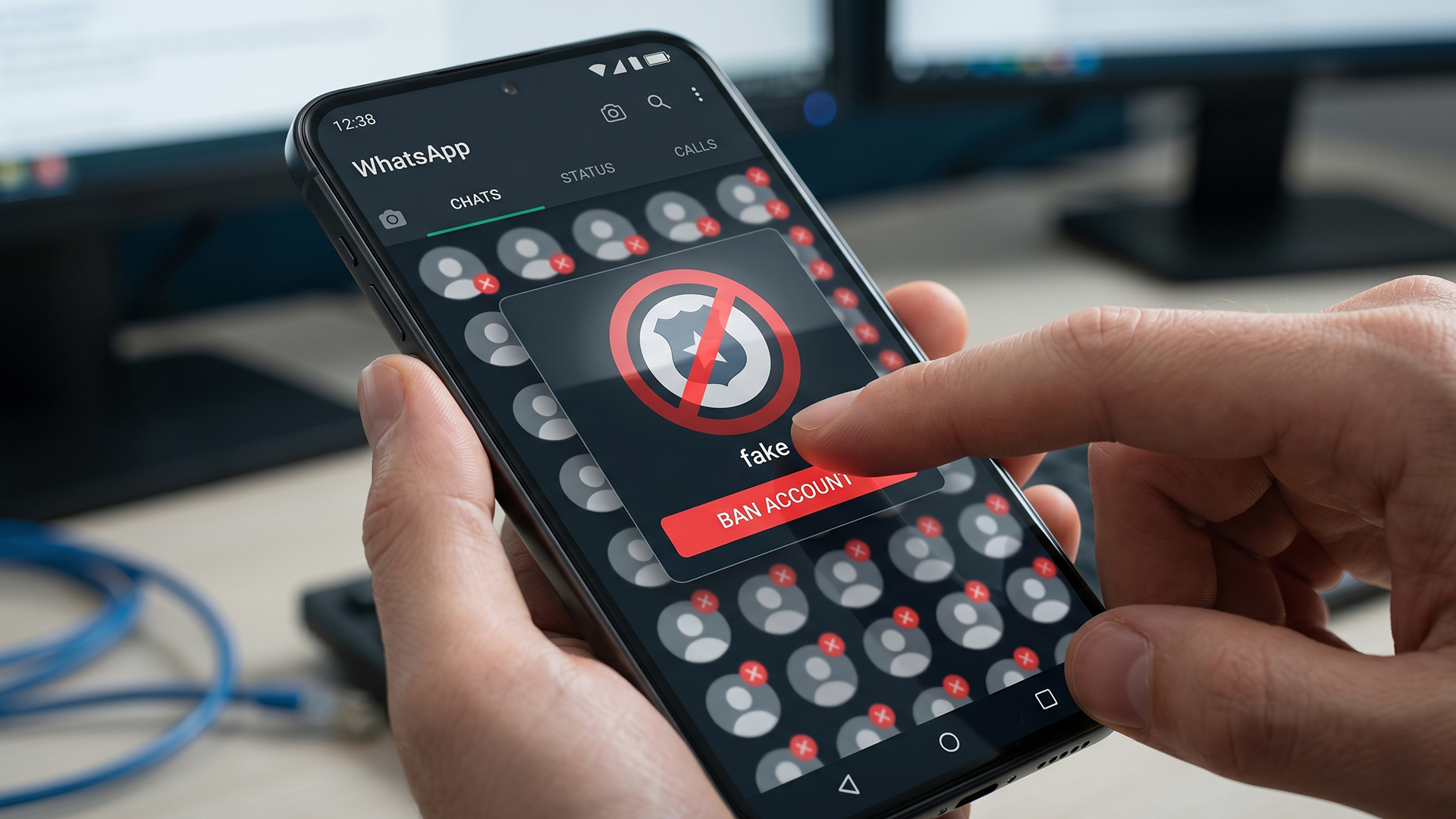
WhatsApp has banned 9,400 accounts linked to “digital arrest” scams in India since January 2026, the Central government informed the Supreme Court. The update was submitted during hearings on the growing number of cyber fraud cases targeting people across the country.
Digital arrest scams involve fraudsters posing as police officers, CBI officials, customs staff or other government authorities. Victims are contacted through calls or messages, accused of fake crimes and threatened with arrest unless they immediately transfer money.
According to the government’s report, WhatsApp began a special investigation earlier this year after concerns were raised by Indian agencies. The company reportedly moved beyond taking action only on reported accounts and instead used systems to identify suspicious behaviour, trace connected accounts and shut down organised scam networks.
This investigation led to the blocking of 9,400 accounts believed to be linked to such fraud operations. Officials also said that while earlier requests had flagged around 3,800 suspicious accounts, only a small number were directly tied to digital arrest scams. A broader review later uncovered a much larger network.
The Centre told the court that a coordinated response is now underway involving telecom operators, banks, regulators and digital platforms. The aim is to identify fraud attempts faster, freeze suspicious transactions and block fake numbers before more victims are targeted.