Russia and Ukraine have announced rival unilateral ceasefires in their ongoing war, timed around Russia’s annual Victory Day commemorations on May 9, which marks the Soviet Union’s defeat of Nazi Germany in World War II.
Russia declared that its ceasefire will run from May 8 to May 9. The Kremlin said the pause in fighting is intended to ensure security during the holiday period and traditional military celebrations in Moscow. Russian officials also warned that any attempt by Ukraine to disrupt the ceasefire or the Victory Day events would be met with a strong military response.
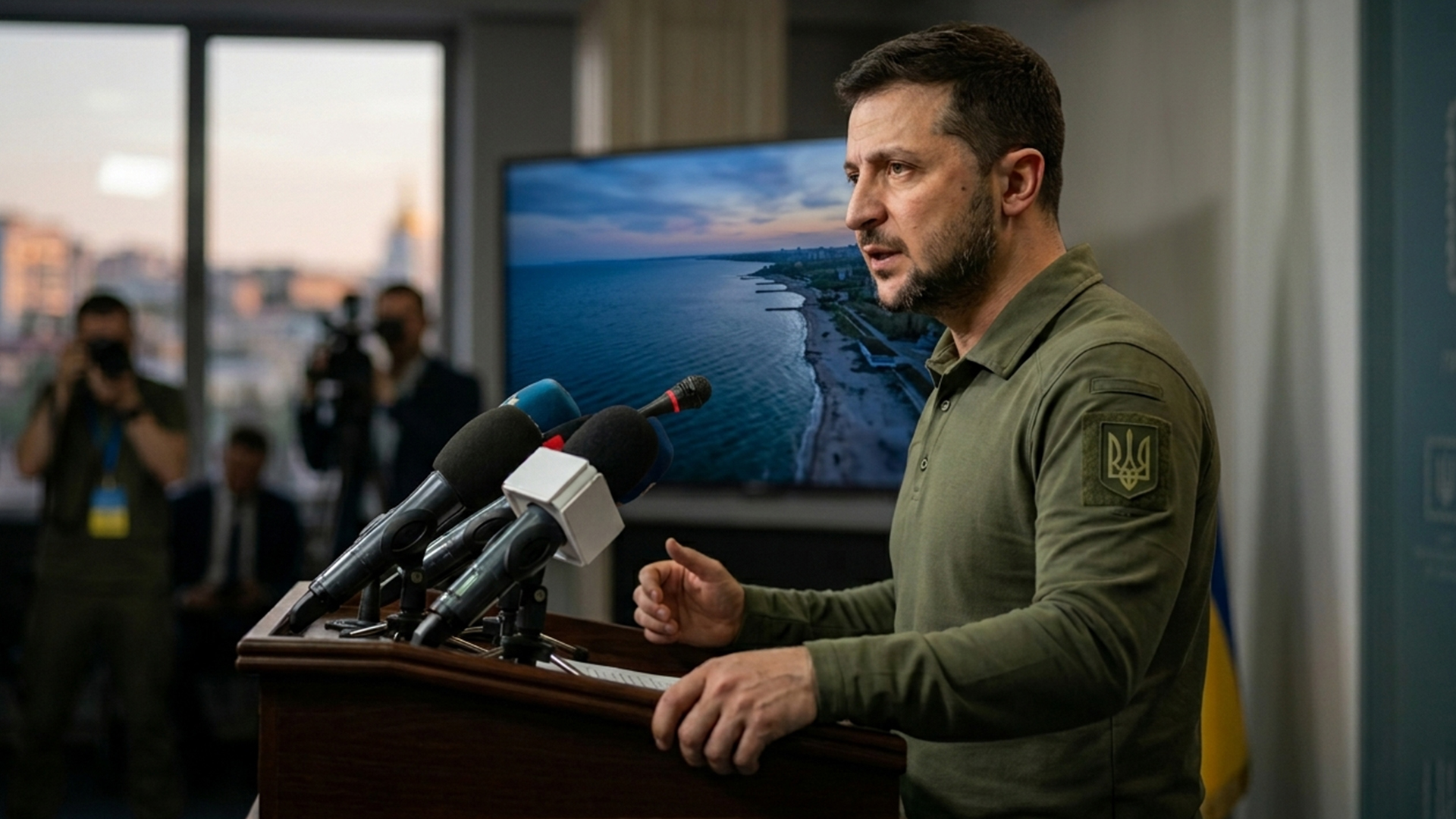
Ukrainian President Volodymyr Zelensky responded by announcing a separate ceasefire starting earlier, from midnight on May 5–6. He said Ukraine had not received any formal or coordinated ceasefire proposal from Moscow and stressed that human life must come before symbolic political events. Kyiv indicated it would observe silence in fighting if Russia also respected the pause.
However, the two announcements differ significantly in timing and intent. Russia’s truce is closely tied to its national celebrations, while Ukraine’s move appears aimed at testing whether Russia will genuinely reduce hostilities or continue attacks under the cover of the holiday period.
Zelensky has also accused Russia of using ceasefire declarations as a strategic tool rather than a genuine step toward peace, pointing to continued strikes and ongoing military activity across the front lines.
The competing ceasefires highlight deep mistrust between the two sides, even as both signal a temporary pause in fighting. International observers note that similar short-term truces in the past have often broken down quickly, with both sides accusing each other of violations.
Also Read: UAE oil facility hit in drone strike, 3 Indians injured