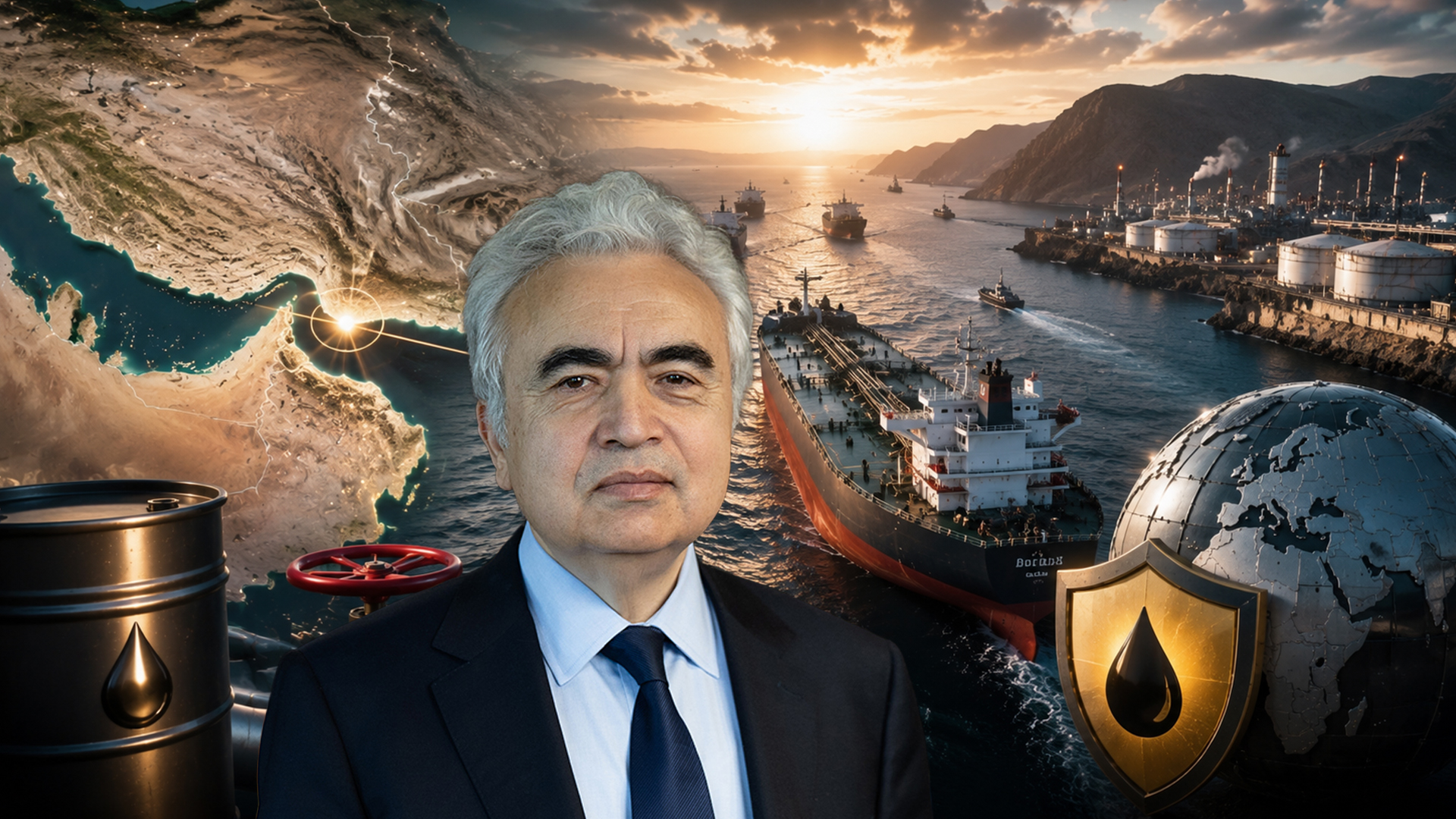
The ongoing crisis around the Strait of Hormuz has raised fresh concerns over global energy security, with the International Energy Agency (IEA) warning that a prolonged disruption could create serious risks for the world economy. IEA Executive Director Fatih Birol said the situation needs to improve quickly, as continued restrictions on one of the world’s most important energy routes could trigger wider economic damage.
The Strait of Hormuz, located between Iran and Oman, is a critical shipping route for global energy supplies. A significant share of the world’s oil and liquefied natural gas (LNG) shipments passes through the narrow waterway, making any disruption a major concern for energy-importing countries. The IEA chief said oil security remains a major global issue and warned that governments and markets should be prepared for further uncertainty if the crisis continues.
According to the IEA, the impact of a prolonged Hormuz disruption could extend beyond fuel markets. Higher crude oil prices can increase transportation costs, push up inflation and place additional pressure on industries that depend heavily on energy. Developing economies, particularly those with high fuel import dependence, could face greater challenges as rising energy costs affect households, businesses and government budgets.
The warning comes at a time when global energy markets are already facing uncertainty due to geopolitical tensions in the Middle East. Oil markets have reacted sharply to concerns over supply disruptions, with traders closely monitoring developments around shipping routes and crude exports. Any prolonged reduction in energy flows through the Gulf region could create volatility in oil prices and increase pressure on global supply chains.
Asia remains particularly vulnerable because several major economies depend heavily on energy supplies from the Middle East. Countries such as India, China, Japan and South Korea are among the world’s largest energy importers and rely on stable shipping routes to meet their growing fuel demand. A sustained disruption could increase import costs and complicate efforts to maintain affordable energy supplies.
The IEA has highlighted that emergency measures can provide temporary relief but cannot replace long-term stability in global energy trade. The agency has previously coordinated measures such as releasing strategic oil reserves during supply disruptions to reduce market pressure. However, officials stressed that restoring normal energy flows remains essential to prevent deeper economic consequences.
For consumers, the biggest impact of a prolonged energy crisis could come through higher fuel prices. Expensive crude oil can increase the cost of petrol, diesel, air travel and goods transportation, eventually affecting prices of everyday products. Businesses, especially energy-intensive industries such as manufacturing, chemicals and agriculture, may also face rising operational costs.
The crisis has also renewed discussions about energy diversification. Governments are increasingly looking at expanding renewable energy, improving domestic energy production and building stronger strategic reserves to reduce dependence on a limited number of supply routes. The Strait of Hormuz situation has highlighted the vulnerability of a global energy system that still relies heavily on fossil fuel transportation through key maritime chokepoints.
Energy analysts believe the coming weeks will be crucial in determining the broader economic impact. If shipping activity and oil supplies recover, market pressure could ease. However, continued uncertainty could keep energy prices elevated and create additional challenges for policymakers trying to control inflation while supporting economic growth.
The IEA’s warning underlines the importance of energy security in today’s interconnected economy. A disruption in a single strategic location can quickly affect fuel markets, trade flows and consumer prices across continents. As countries monitor developments in the Middle East, the focus remains on restoring stability and ensuring reliable access to energy supplies.
Also Read:
Also Read: Trump Media debuts Truth API for real-time post access