India’s southwest monsoon is showing a strikingly uneven pattern this week, with several parts of the country bracing for heavy rain even as concerns over El Niño continue to cloud the season’s overall outlook. The India Meteorological Department (IMD) has forecast widespread rainfall across northwest, east, central and northeast India, with isolated heavy to very heavy showers expected in several states.
Delhi is also likely to see more rain, with the IMD retaining a yellow alert for the national capital on Wednesday. The weather department has forecast generally cloudy skies and intermittent light to moderate rainfall through the day, with another spell possible in the evening and at night. Temperatures are expected to remain relatively comfortable, with the maximum hovering around 32-34 degrees Celsius.
The latest monsoon forecast points to an active weather phase across large parts of India. Himachal Pradesh, Uttarakhand, Uttar Pradesh, Rajasthan, Madhya Pradesh, Chhattisgarh, Odisha, Jharkhand, West Bengal, Assam and Meghalaya are among the states that could receive heavy rainfall.
The IMD has also warned of heavy rain over Konkan and Goa, Kerala, coastal Karnataka and parts of the Northeast. Thunderstorms and gusty winds may accompany the rainfall in some areas.
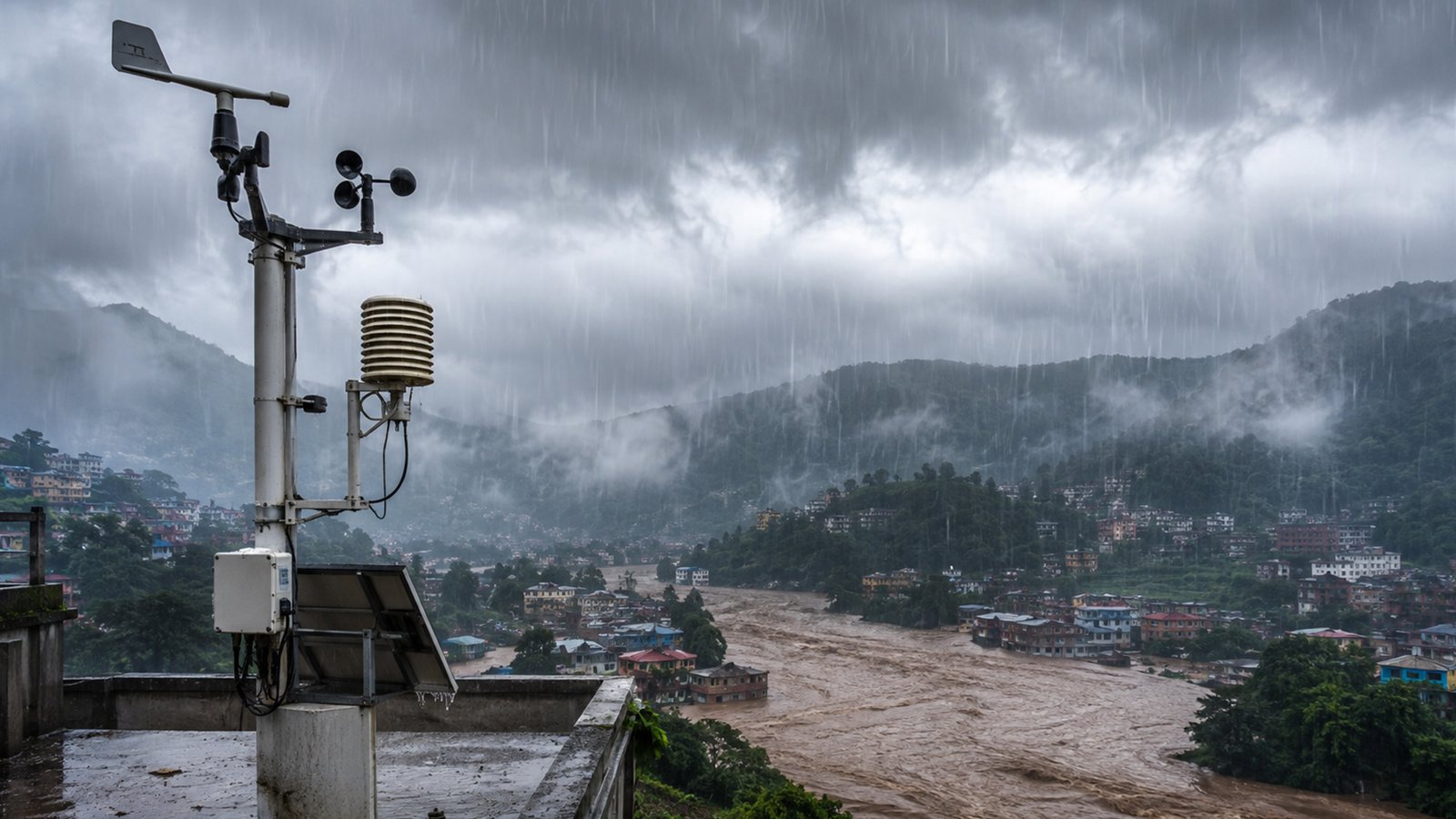
The combination of intense showers and strong winds could create problems in vulnerable locations, particularly in areas already saturated by earlier rainfall. The weather department has cautioned that heavy downpours may lead to waterlogging and localised flooding.
For Delhi residents, the immediate forecast offers some relief from the recent heat and humidity. Rain over the past few days has already brought down the discomfort level in the city. However, the possibility of repeated showers also means commuters could face waterlogging, traffic disruption and reduced visibility in some areas.
While rain is providing relief in some regions, it continues to worsen flood conditions in parts of the Northeast.
Assam remains among the most affected states. Around 1.22 lakh people were still affected by flooding across five districts, according to the Assam State Disaster Management Authority. Two additional flood-related deaths were reported over the previous 24 hours, taking the state’s flood death toll for the year to 89.
Sivasagar has emerged as the worst-affected district, followed by Charaideo and Jorhat. Although the number of people affected has fallen in recent days, relief and monitoring operations remain active as more rain is expected.
The latest rainfall activity comes against a complicated background for the 2026 southwest monsoon. El Niño conditions in the Pacific are being closely watched because the phenomenon can influence atmospheric circulation and weaken the rainfall patterns that normally support the Indian monsoon.
The 2026 monsoon has already raised concerns because the IMD had projected rainfall at around 90% of the long-period average, with below-normal rainfall expected over the Monsoon Core Zone. This zone includes several agriculturally important states where farmers depend heavily on timely and adequate monsoon showers.
However, the current weather demonstrates why a single national rainfall figure does not tell the whole story. India can experience intense rainfall and flooding in some regions while other areas remain relatively dry.
Weather systems operating over the Indian Ocean, atmospheric circulation and changing wind patterns can redistribute rainfall across the country. Pacific weather conditions, including El Niño, add another layer of uncertainty to this already complex system.
The changing nature of the monsoon is becoming increasingly visible. Instead of rainfall being spread evenly over several weeks, many regions are experiencing sharp swings between dry periods and intense spells of rain.
Climate experts have also pointed to the role of rising global temperatures in making rainfall patterns more erratic. Longer dry spells can be followed by short periods of extremely heavy rain, increasing the risks of both water stress and flooding.
This creates a difficult situation for agriculture. Farmers need rain at the right time and in the right quantity. Very heavy rainfall over a short period may replenish water bodies but can also damage standing crops, wash away soil and disrupt sowing or harvesting operations.
For now, the IMD expects active rainfall over several parts of India, with the Northeast, eastern states, Himalayan regions and parts of central and southern India remaining on watch.
The immediate priority is therefore not only how much rain India receives, but where and when it falls. States facing heavy rainfall will need to remain alert to flooding, landslides and waterlogging, while farmers and water managers will continue watching the broader monsoon trend.
The contrast between rain-soaked regions and areas facing rainfall uncertainty underlines the central challenge of the 2026 monsoon. Even as the country receives widespread showers this week, the influence of El Niño and shifting atmospheric patterns means the season remains difficult to predict.
For millions of farmers, businesses and households, the next few weeks will be crucial. The monsoon remains the backbone of India’s agricultural economy, and its increasingly unpredictable behaviour could have wider implications for crop output, water availability, food prices and rural demand.