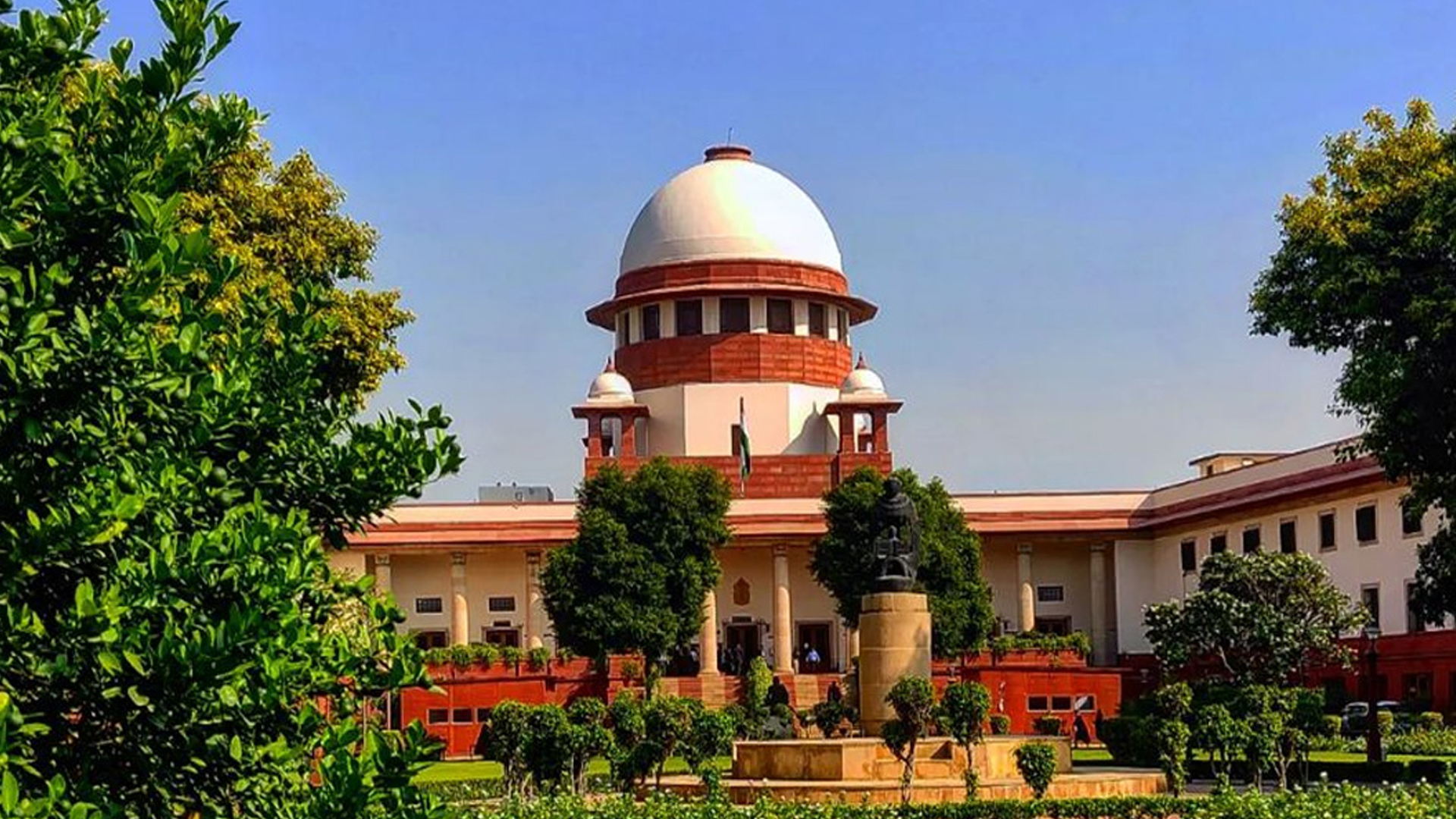
New Delhi: In a significant development, the Centre has informed the Supreme Court that state governments cannot file writ petitions under Article 32 of the Constitution to challenge the actions of the President or Governors concerning bills passed by state assemblies. This assertion was made by Solicitor General Tushar Mehta during a hearing on August 28, 2025, before a five-judge bench led by Chief Justice of India B.R. Gavai.
The matter arose from a reference made by President Droupadi Murmu, seeking the Court’s opinion on whether states can invoke Article 32, which guarantees the right to constitutional remedies, to address alleged violations of fundamental rights by the President or Governors. The reference also sought clarification on the scope of Article 361, which provides immunity to the President and Governors from being answerable to any court for the exercise and performance of their powers and duties.
Mehta argued that Article 32 is designed to protect individuals’ fundamental rights against state actions and does not confer any rights upon the state itself. He emphasized that since states do not possess fundamental rights, they cannot approach the Supreme Court under Article 32. Furthermore, he contended that the judicial power of the Supreme Court under Article 131, which deals with disputes between states or between the Union and states, is subject to provisions under Article 262, which pertains to the adjudication of disputes relating to water of inter-State rivers or river valleys. Therefore, he argued, Article 32 jurisdiction is barred by Article 131 in such cases.
The Tamil Nadu government, which has been at the forefront of challenging the withholding of assent to bills by Governors, opposed the Centre’s argument. Tamil Nadu contended that the Governor’s role is largely ceremonial and that indefinite withholding of assent to bills undermines the democratic process. The state argued that such actions violate the constitutional scheme and impede the legislative will of the people.
The Supreme Court’s inquiry into this matter raises important questions about the balance of power between the Union and state governments, the scope of judicial review, and the interpretation of constitutional provisions. The Court’s decision could have far-reaching implications for federal governance and the protection of democratic processes in India.
As the Court deliberates on these complex constitutional issues, the outcome will likely shape the future dynamics of Centre-state relations and the functioning of democratic institutions in the country.
Also Read: Adani Group Posts Record Profits, Plans Major Expansion Across Energy, Transport, and Infrastructure