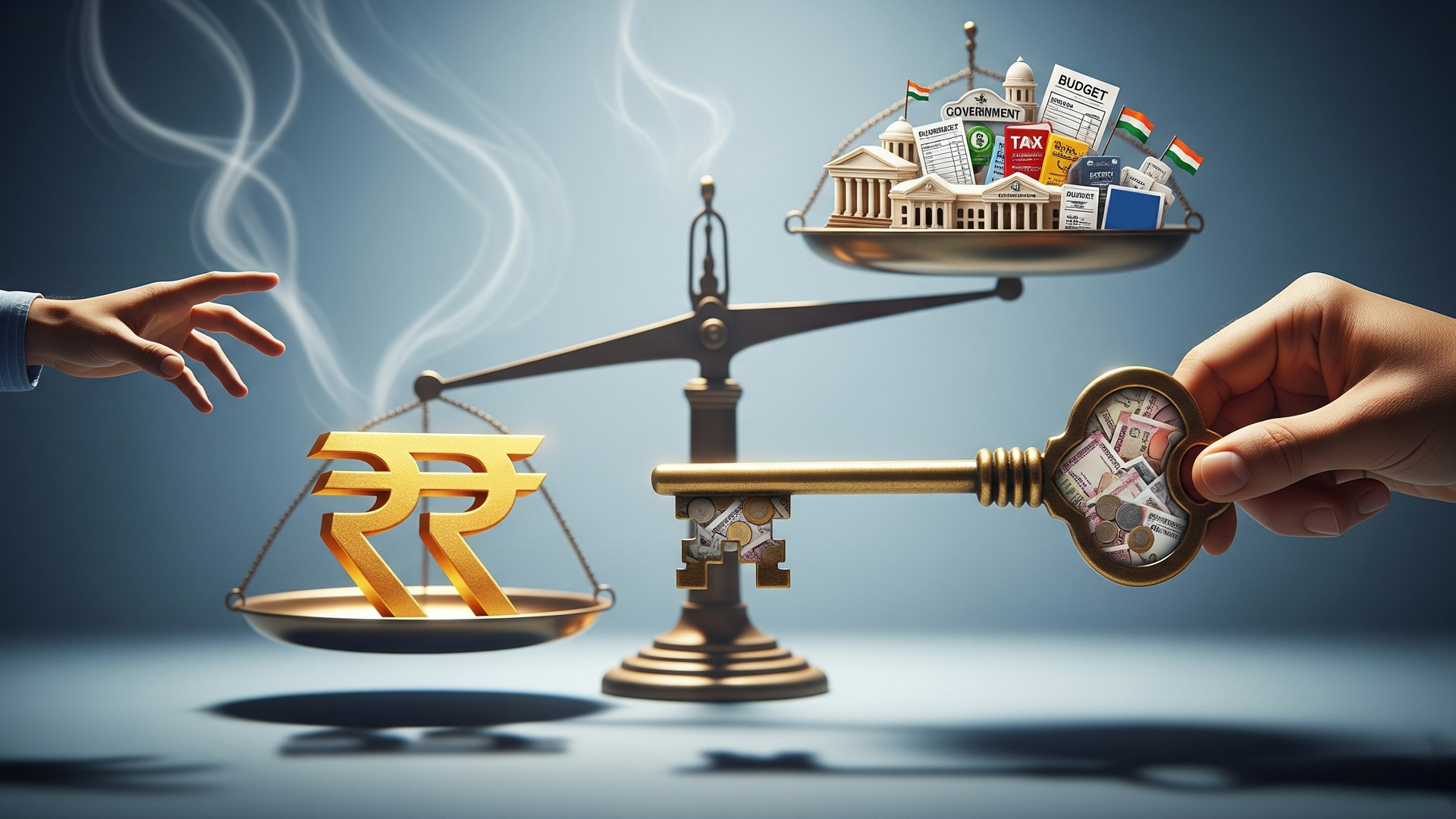
Eight opposition-ruled states have joined forces to demand robust compensation safeguards from the Centre, warning that the proposed Goods and Services Tax (GST) reforms could destabilize state finances and jeopardize key welfare schemes. The GST Council is set to meet on September 3 and 4 to deliberate on reforms, but states say the changes risk undermining their fiscal autonomy.
Finance ministers and senior officials from Himachal Pradesh, Jharkhand, Karnataka, Kerala, Punjab, Tamil Nadu, Telangana, and West Bengal met in New Delhi to register their protest against the Centre’s plan to streamline GST rates. They estimate that the proposed structure could lead to a combined annual revenue loss of ₹1.5–2 lakh crore, with Kerala alone facing a shortfall of around ₹8,000 crore. Such losses, they argue, would severely strain funding for pensions, health programs, and other social initiatives.
The Centre’s proposal seeks to simplify the current four-tier GST structure into two slabs—5% and 18%—while imposing a 40% tax on luxury and sin goods. States contend this would effectively lower the overall tax rate from 14.4% to about 10%, sharply reducing their revenue base.
To offset the expected shortfall, the opposition bloc is pushing for a five-year compensation guarantee, with provisions for an extension if revenue remains unstable. They have also proposed an additional levy on sin and luxury goods, with all proceeds earmarked exclusively for states. A guaranteed annual revenue growth of 14%, calculated on a fixed 2024–25 base year, is another key demand. If compensation falls short, states want the Centre to provide loans secured against future receipts from these additional levies.
Some states have gone further, linking fiscal reform to broader policy priorities. Himachal Pradesh has proposed a higher GST slab for industries with significant ecological footprints, while Kerala and Punjab have called for stronger anti-profiteering measures to ensure that lower GST rates benefit consumers rather than boost company margins. The urgency of such measures is heightened by the fact that the existing anti-profiteering framework will lapse on April 1, 2025.
The eight states plan to present a unified draft proposal at next week’s GST Council meeting, underscoring that persistent revenue shortfalls could weaken India’s federal structure and hamper states’ ability to deliver essential services.
Also Read: ONGC to Keep Sourcing Russian Crude as Long as Prices Stay Attractive; Eyes Centralized Trading Hub