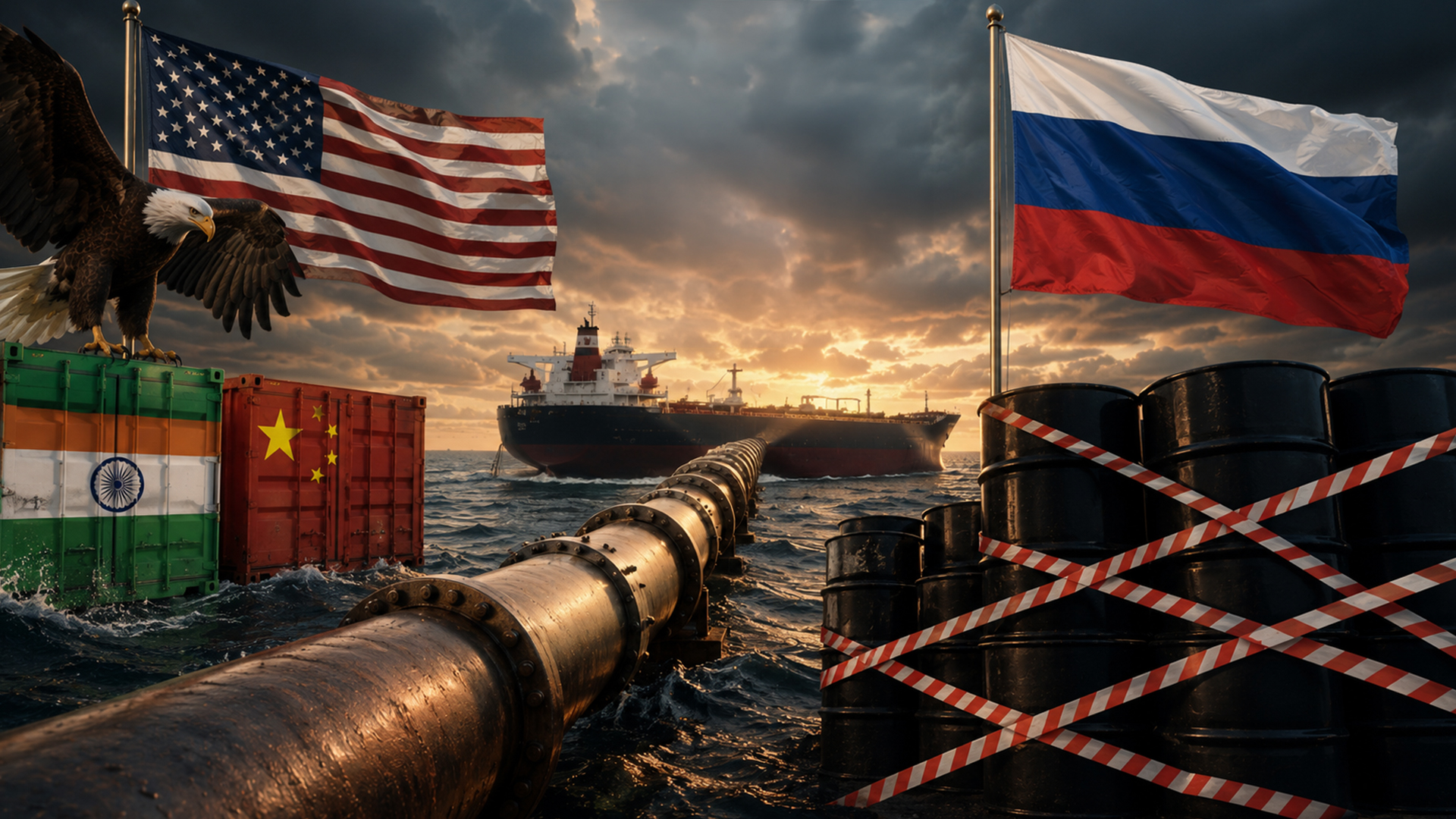
A proposed US Senate bill seeking to impose 100% tariffs on countries importing Russian oil has triggered fresh discussions over its possible impact on India, one of Moscow’s largest crude buyers. While the proposal has raised concerns about global energy trade and diplomatic ties, analysts believe India is unlikely to make any immediate changes to its oil import strategy.
The bipartisan legislation, introduced in the US Senate, aims to increase economic pressure on Russia by targeting countries that continue purchasing Russian crude. If approved, the bill would allow the United States to impose 100% tariffs on imports from nations that continue buying Russian oil, with India, China and several other countries potentially falling within its scope.
The proposal is part of Washington’s broader efforts to reduce Russia’s energy revenues amid the ongoing conflict in Ukraine. Since Western sanctions were imposed on Moscow, Russia has increasingly relied on buyers in Asia, particularly India and China, to sustain its oil exports.
India has emerged as one of the biggest importers of Russian crude over the past few years. Before the Ukraine conflict, Russian oil accounted for only a small share of India’s imports. However, discounted prices offered by Moscow significantly changed buying patterns, making Russia India’s largest crude supplier. The lower prices have helped Indian refiners reduce costs while cushioning consumers from sharp fluctuations in global oil prices.
Despite the proposed legislation, experts say there are several reasons why India is not expected to panic. The Senate bill is still a legislative proposal and has not yet become law. It must clear multiple stages in the US Congress before reaching the President for approval. Even then, its implementation could involve exemptions or diplomatic negotiations depending on geopolitical developments.
Another key factor is India’s strategic importance to the United States. Over the past decade, New Delhi and Washington have strengthened cooperation across defence, technology, trade and the Indo-Pacific region. Analysts believe the US is unlikely to take steps that could significantly damage its broader relationship with India, especially at a time when both countries are expanding strategic partnerships.
Energy security also remains India’s top priority. As the world’s third-largest oil importer, the country depends heavily on imported crude to meet domestic demand. Government officials have repeatedly maintained that India purchases oil based on affordability, availability and national interest rather than geopolitical considerations.
Indian refiners have consistently argued that discounted Russian crude has played an important role in ensuring stable fuel supplies while keeping import costs under control. Abruptly reducing Russian oil purchases could increase procurement costs and expose India to greater volatility in international energy markets.
The proposed tariff measure has also drawn attention because of its potential impact on global trade. A 100% tariff on exports from major economies buying Russian oil could disrupt supply chains, increase prices for consumers and create uncertainty for businesses involved in international commerce. Several economists believe such measures would require careful diplomatic engagement before implementation.
The bill comes at a time when the United States has been urging allies and partner nations to reduce dependence on Russian energy. However, countries such as India have maintained that their purchasing decisions are guided by economic realities and the need to ensure affordable energy for their populations.
New Delhi has repeatedly defended its position on Russian oil imports, stating that many European countries also continued importing Russian energy in various forms during different phases of the conflict. Indian officials have emphasised that securing reliable and affordable energy supplies remains essential for sustaining economic growth.
Refiners will continue monitoring developments in Washington but are unlikely to alter procurement strategies until there is greater clarity on the legislation. Oil companies typically diversify sourcing across multiple suppliers, allowing them to respond to geopolitical changes while maintaining supply security.
The proposal has also sparked broader discussions about the use of tariffs as a foreign policy tool. While supporters argue the measure could further isolate Russia economically, critics caution that penalising major trading partners could complicate diplomatic ties and affect global markets.
For India, the immediate focus remains on balancing energy security with strategic diplomacy. As discussions continue in the US Congress, policymakers and industry stakeholders will closely watch the bill’s progress and assess any potential implications for India-US relations, Russian oil imports, global crude oil markets and the country’s long-term energy security.
For now, the proposed 100% US tariff remains a legislative initiative rather than an immediate policy change. While it has intensified debate over Russian crude imports and international trade, India appears prepared to continue prioritising affordable energy while engaging diplomatically with all its major global partners.