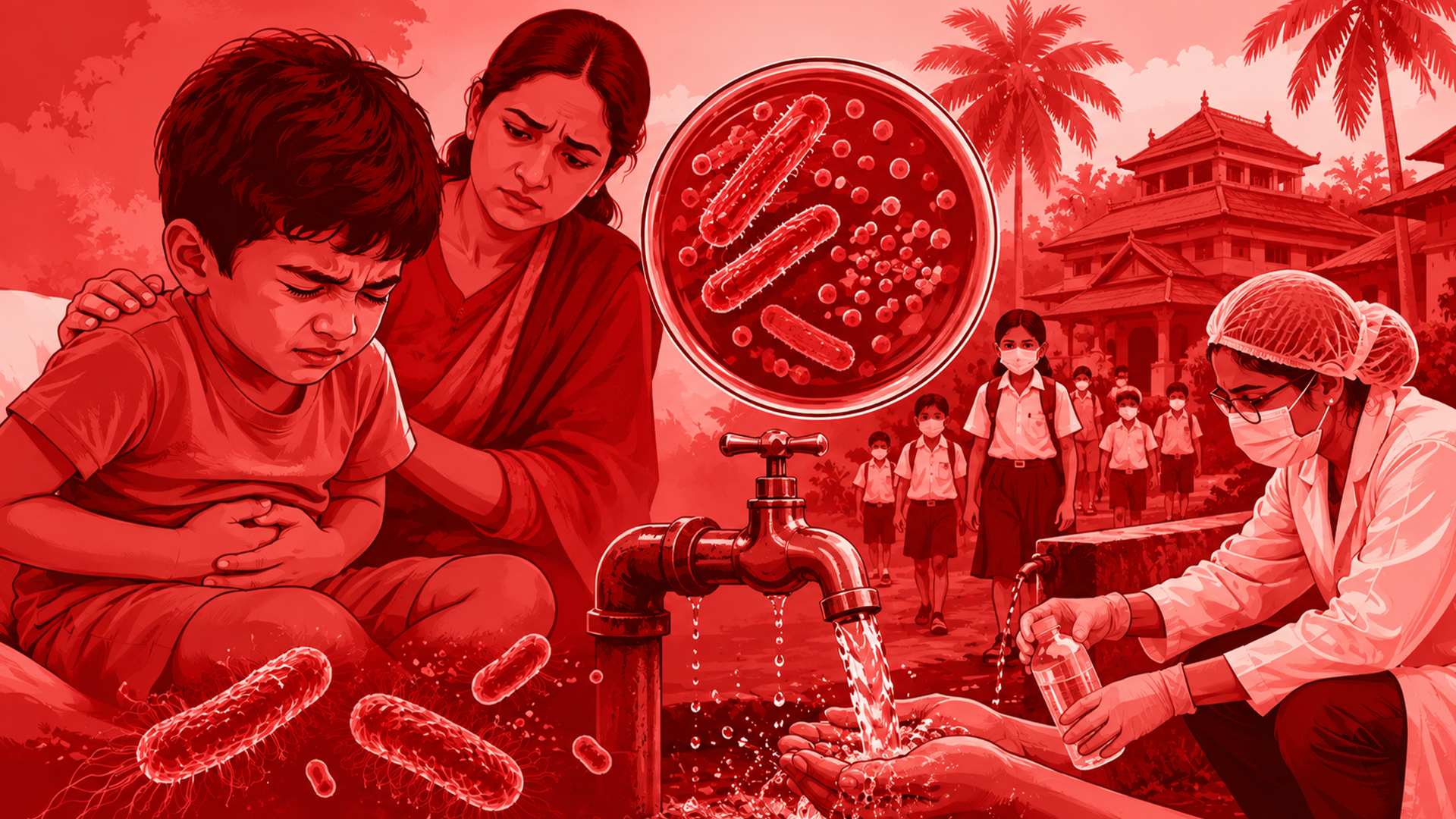
Health authorities in Kerala have intensified surveillance and public awareness efforts following the death of a four-year-old child linked to a Shigella infection, raising concerns about the spread of the highly contagious bacterial disease.
The case has prompted health officials to issue advisories on hygiene and sanitation, while urging people to remain alert to symptoms and seek timely medical attention when required.
Shigella is a bacterial infection that primarily affects the intestines and spreads through contaminated food, water or contact with infected individuals. The disease is particularly common among young children and can spread rapidly in areas where hygiene practices are inadequate.
According to healthcare experts, the most common symptoms include diarrhoea, stomach cramps, fever, nausea and vomiting. In some cases, patients may experience bloody diarrhoea and severe dehydration, which can become life-threatening if not treated promptly.
Children under the age of five, elderly individuals and people with weakened immune systems are considered most vulnerable to severe complications. Medical professionals stress that early diagnosis and proper treatment can significantly reduce the risk of serious health outcomes.
Following the reported death, local health departments have stepped up monitoring activities and are encouraging communities to follow preventive measures. Officials have advised people to wash their hands regularly, consume safe drinking water and ensure that food is prepared and stored hygienically.
These symptoms should not be ignored, especially in young children who can become dehydrated rapidly. Parents are advised to seek immediate medical care if a child experiences persistent diarrhoea, high fever or signs of dehydration.
Doctors note that Shigella infections are preventable in most cases through good sanitation practices. They also emphasise the importance of maintaining cleanliness in homes, schools and childcare facilities, where the infection can spread quickly through close contact.
Also Read: SIPRI flags shift in India’s nuclear posture