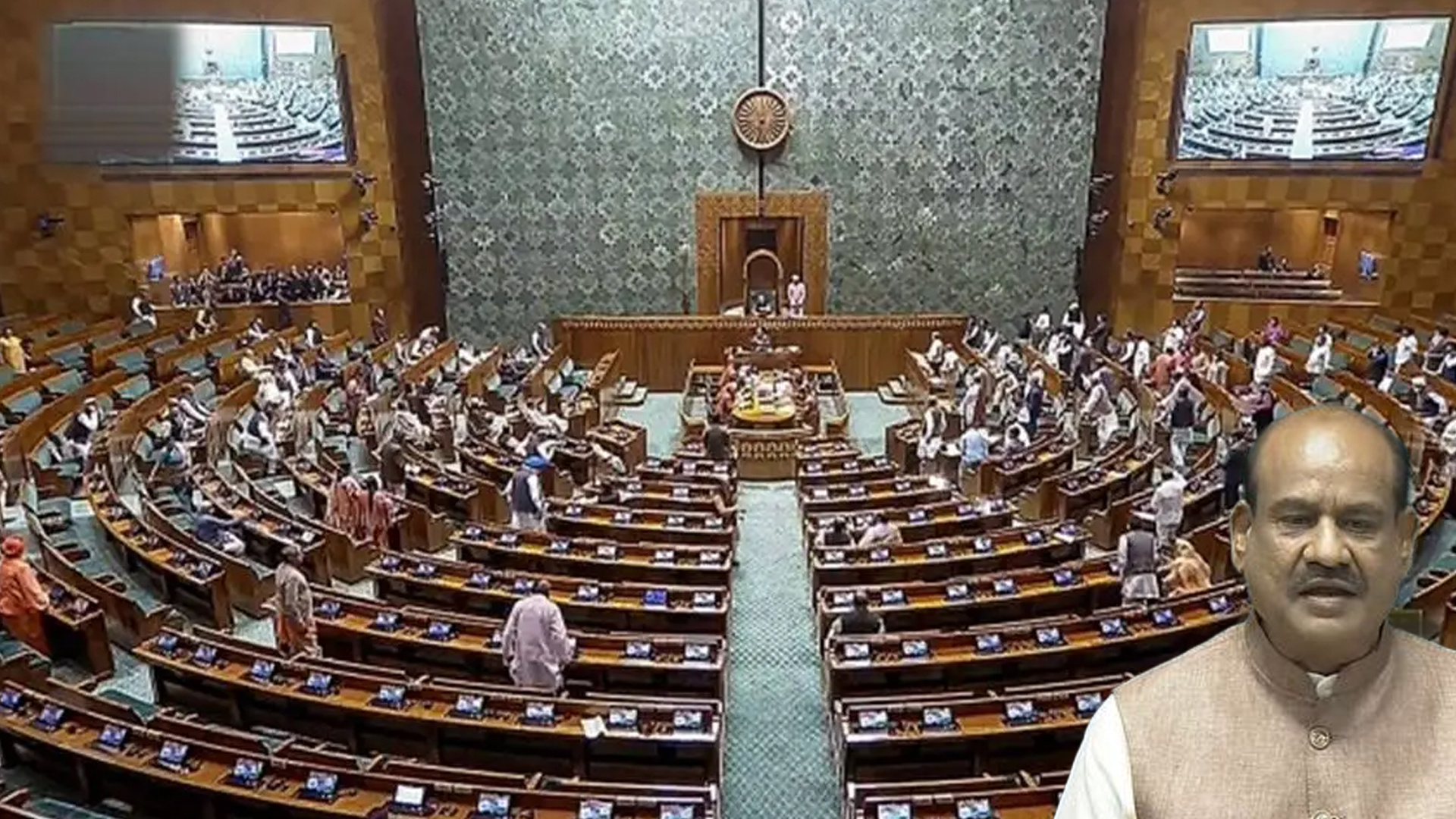
Lok Sabha Speaker Om Birla has formally set in motion the process to consider the removal of Justice Yashwant Varma of the Allahabad High Court by appointing a three-member inquiry panel under Section 3(2) of the Judges (Inquiry) Act, 1968. The move follows allegations linked to the discovery of burnt currency notes at Justice Varma’s official residence in Delhi earlier this year.
The panel will comprise Supreme Court judge Justice Aravind Kumar, Madras High Court Chief Justice Manindra Mohan Shrivastava, and senior Karnataka lawyer B V Acharya. Their mandate is to examine the charges against Justice Varma and submit findings that will determine whether impeachment proceedings should proceed in Parliament.
Justice Varma was transferred from the Delhi High Court back to the Allahabad High Court in March, shortly after the alleged discovery of burnt currency. Then Chief Justice of India (CJI) Sanjiv Khanna had set up an in-house inquiry led by the Chief Justices of the Punjab and Haryana, Himachal Pradesh, and Karnataka High Courts. That panel reportedly recommended that Justice Varma resign — advice he declined. Last week, the Supreme Court dismissed his plea challenging the CJI’s recommendation for his removal.
The new committee is led by Justice Aravind Kumar, who joined the Supreme Court in February 2023 after serving as Chief Justice of the Gujarat High Court. A legal practitioner since 1987, he built a career in both civil and criminal law, held senior government counsel positions, and was a Special Public Prosecutor for the CBI. Elevated to the Karnataka High Court bench in 2009, he later headed the Gujarat High Court before his elevation to the apex court. Known for judicial efficiency reforms, Justice Kumar has authored landmark rulings to streamline case management and promote alternative dispute resolution.
Justice Manindra Mohan Shrivastava, currently Chief Justice of the Madras High Court, began his legal career in 1987 and was designated a Senior Advocate in 2005. Appointed to the Chhattisgarh High Court in 2009, he later served in the Rajasthan High Court, where he acted as Chief Justice on multiple occasions. His judgments have advanced transgender rights, reinforced judicial discipline, and upheld parity for Ayurvedic doctors in retirement benefits. He is due to retire in March 2026 unless elevated to the Supreme Court.
The third member, B V Acharya, is a veteran of the Karnataka Bar with more than six decades of legal experience. A five-term Advocate General of Karnataka, Acharya has served governments across party lines. He is best known nationally for prosecuting the disproportionate assets case against former Tamil Nadu Chief Minister J Jayalalithaa, a politically charged trial that he pursued despite intense pressure, eventually securing her conviction.
The formation of this committee marks a significant step in a rare judicial accountability process. If the panel’s report supports the allegations, Parliament could move to impeach Justice Varma — a measure seldom used in India’s constitutional history.