New Delhi: A fresh set of bills introduced by the Modi government has sparked political uproar and exposed divisions within the Congress party, with senior leader Shashi Tharoor backing the proposal even as his colleagues mounted strong opposition.
Union Home Minister Amit Shah on Tuesday tabled three bills in the Lok Sabha, including the Constitution (One Hundred and Thirtieth Amendment) Bill, 2025, that mandate the removal of the Prime Minister, Chief Ministers, and other ministers if they are detained for 30 consecutive days or more on charges carrying a minimum sentence of five years.
Currently, under the Representation of the People’s Act, 1951, elected representatives are disqualified only after conviction in cases involving two years or more of imprisonment. The new provisions, if enacted, would extend accountability much further, creating automatic disqualification even without a conviction.
Tharoor states this as ‘Common Sense’.
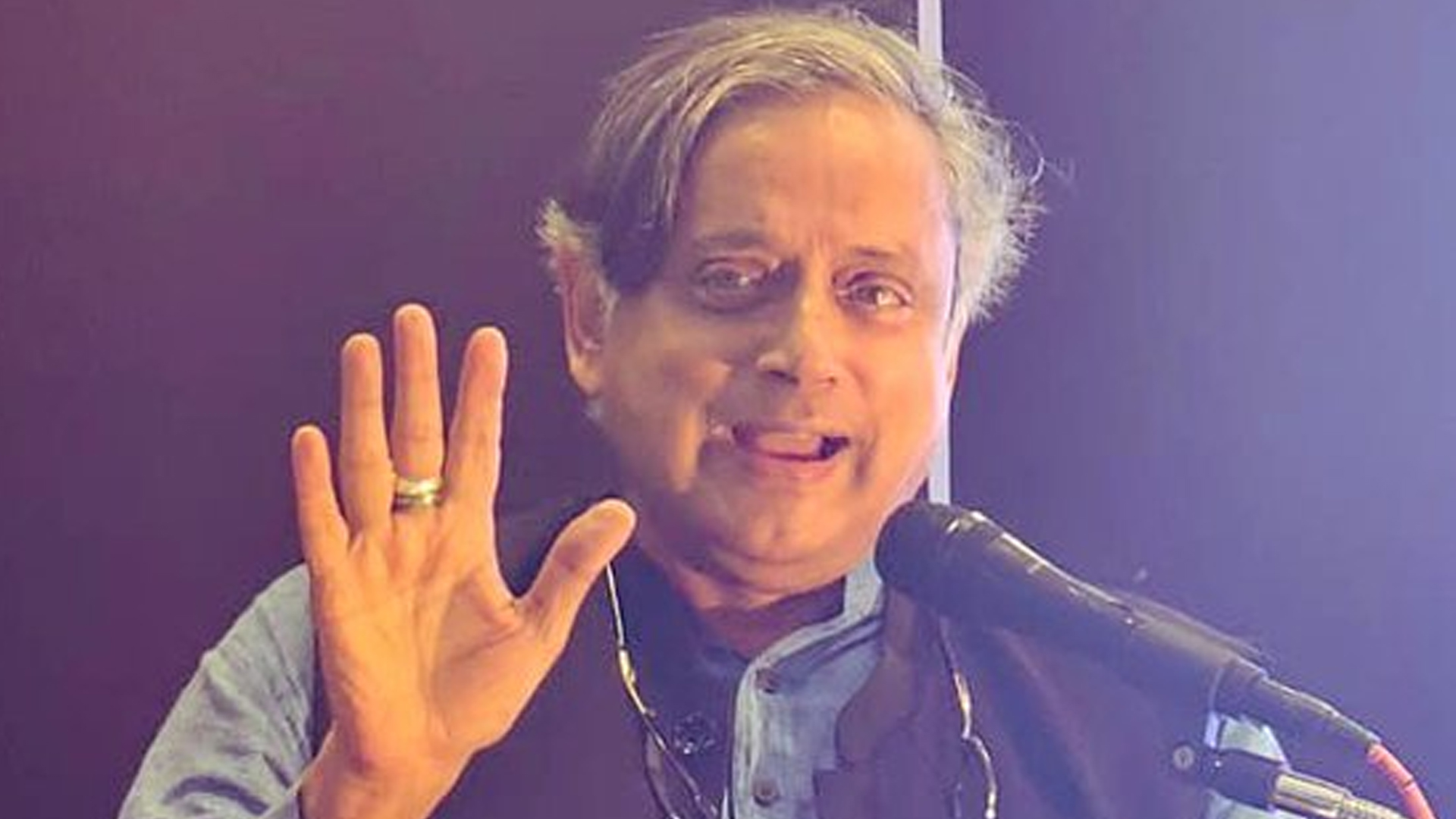
In a striking departure from the Congress stance, Shashi Tharoor described the proposal as both logical and democratic.
“If you spend 30 days in jail, can you continue to be a minister? This is a matter of common sense,” Tharoor told NDTV. “Anyone who does anything wrong should be liable to punishment and should not hold a high constitutional office.”
He further welcomed the government’s decision to send the bills for parliamentary committee scrutiny, saying the process would allow for thorough examination before implementation. His endorsement, however, has deepened his reputation as a Congress leader unafraid of charting an independent course.
The Congress differs in perspective.
Other Congress leaders strongly disagreed with Tharoor’s assessment. Priyanka Gandhi Vadra denounced the legislation as “draconian”, warning that it could easily be misused against opposition leaders.
“A Chief Minister could be arrested on flimsy or fabricated charges and removed from office even before trial or conviction. This is dangerous for democracy,” she said.
Party general secretary KC Venugopal also criticised the move, calling it a “diversionary tactic” designed to deflect attention from pressing national concerns such as unemployment and inflation. According to him, the government’s move reflects a political strategy rather than a genuine effort to strengthen accountability.
The argument on accountability continues.
The bills have already triggered a broader national debate over the balance between ensuring accountability of high office-bearers and protecting the principles of due process. Proponents argue that the public must be able to trust their leaders, and anyone facing serious criminal allegations should step aside. Opponents, however, point to the growing concerns over the misuse of investigative agencies, which could make the new laws a tool for silencing dissent.
What is the political implication?
The episode resurfaces the existing churn within the Congress party, with Tharoor repeatedly diverging from the party line on key issues. For the government, his support provides an unexpected validation from across the aisle, even as the opposition prepares to mount a united resistance.
As the bills head to committee review, they are set to remain a political flashpoint, raising questions about both the integrity of governance and the resilience of India’s democratic safeguards.