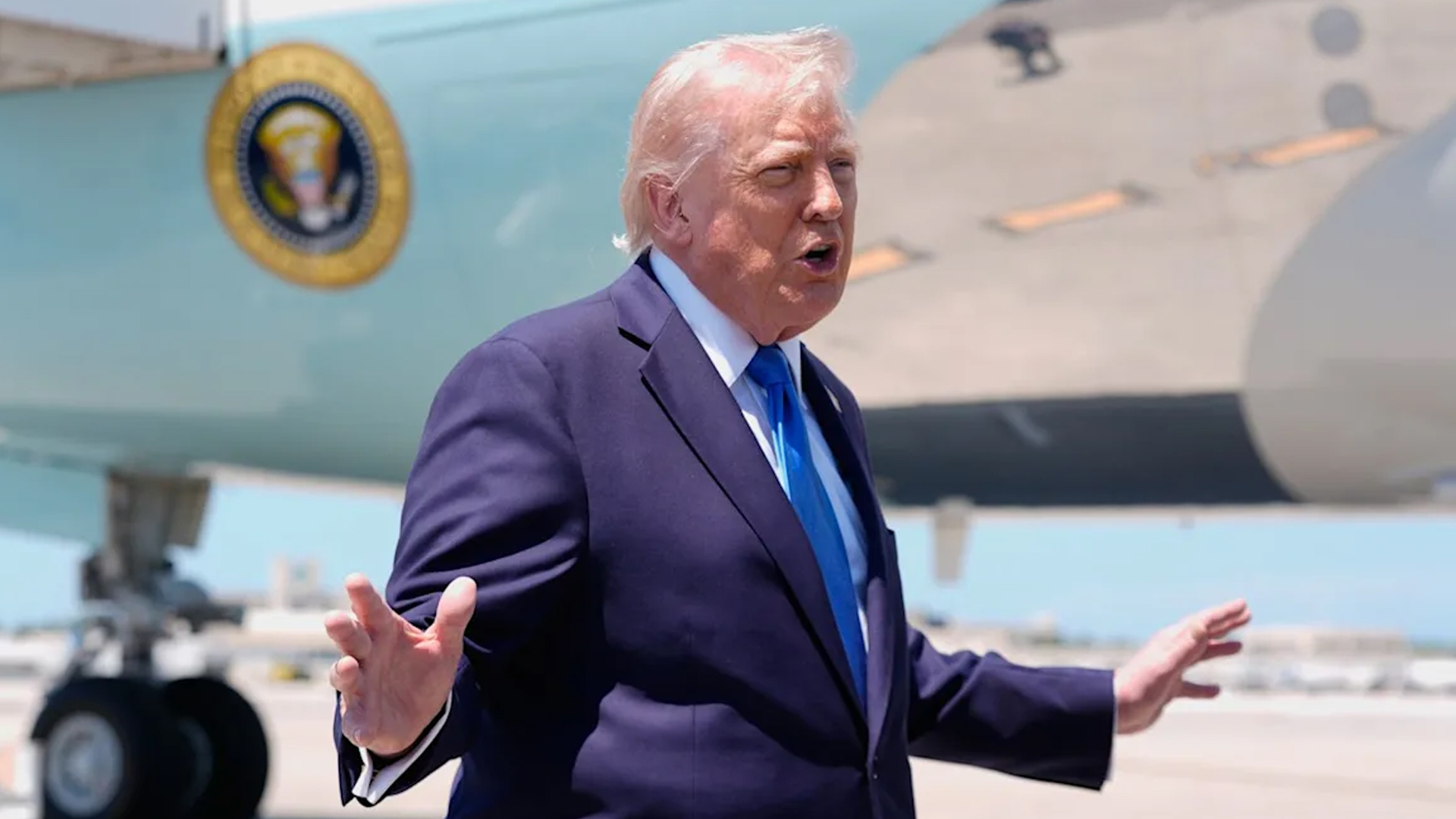
US President Donald Trump has announced a ban on three major news organisations, namely, CNN, MS NOW and Politico, from the White House, accusing them of repeatedly publishing what he called “fake news” about his administration.
Trump made the announcement on September 18 in a post on his Truth Social platform. He said the three outlets were being barred with immediate effect and warned that other media organisations could face similar action.
The president did not point to a particular report or incident that triggered the decision. Speaking to reporters in the Oval Office shortly after his post, Trump said the move was based on what he described as a pattern of coverage over several years.
Trump said media outlets should not be allowed to report what he described as “fiction and lies” about the president, his administration or the United States. He also mentioned The New York Times and The Washington Post when asked which other organisations could face restrictions.
The practical details of the proposed ban remained unclear on Friday. Reporters from CNN, MS NOW and Politico were still working from the White House after Trump’s announcement, suggesting that their existing access had not immediately been revoked.
CNN rejected the move and said it stood behind its White House reporting team. The network said journalists have a constitutional right to report without government interference and indicated it would challenge any restriction that prevents its reporters from covering the White House.
Politico also said it would continue reporting on the Trump administration and future administrations. The publication said it would defend its First Amendment rights against any attempt to restrict its access.
MS NOW did not immediately issue a public response.
The announcement has raised questions about press freedom and the First Amendment, which protects freedom of speech and freedom of the press in the United States.
Press freedom organisations and legal experts have questioned whether the White House can exclude news organisations because of the content of their reporting. The Reporters Committee for Freedom of the Press described such a move as unconstitutional, while other press groups said excluding outlets because of their coverage could amount to viewpoint discrimination.
A 1977 federal appeals court ruling, Sherrill v. Knight, is also relevant to the dispute. The court held that while the White House does not have to provide unlimited access to journalists, it cannot deny access to credentialed reporters based simply on the content of their coverage. The ruling also established procedural protections for journalists whose access is restricted.
Trump has had repeated clashes with news organisations during both of his presidential terms. His administration has increasingly changed the way the White House manages media access, including giving greater control to the administration over which journalists participate in smaller press pools.
The latest dispute follows the White House’s decision last year to restrict access for Associated Press journalists. That move came after the news agency continued using the name “Gulf of Mexico” rather than Trump’s preferred “Gulf of America”. The AP challenged the restriction in court, and the case remains under litigation.
Trump’s first term also saw a confrontation with CNN reporter Jim Acosta. The White House temporarily revoked Acosta’s press credentials after a heated exchange with the president during a news conference. CNN challenged the decision in court, and Acosta’s access was subsequently restored.
The latest announcement could have wider implications because CNN has traditionally been part of the television press pool that travels with the president and provides coverage of presidential movements and events.
The White House has not yet provided detailed rules explaining how the new restrictions would work or whether the three organisations would lose access to all White House facilities and events.
Trump has continued to criticise news organisations whose coverage he considers unfair. He has also pursued legal action against several media companies over reports and commentary he disputes.
The latest dispute comes as the Trump administration prepares for the November 2026 midterm elections, when control of Congress will be contested. The White House media-access issue is likely to remain under scrutiny as news organisations, press groups and potentially the courts examine whether the proposed restrictions comply with constitutional protections.
The exact scope of Trump’s announcement remains uncertain. The three outlets continued their White House coverage after the announcement, while legal and press freedom groups prepared to challenge any formal restrictions on their access.