Iran has offered the United States a seven-day roadmap to reopen the Strait of Hormuz and restart negotiations on its nuclear programme, but US President Donald Trump has rejected the proposal, according to US officials cited by media reports. The development comes as the conflict between Washington and Tehran continues to disrupt energy markets and shipping through one of the world’s most important maritime chokepoints.
Iranian Foreign Minister Abbas Araghchi announced the proposal in New York during the United Nations General Assembly. He said Tehran was ready to restore normal maritime passage through the Strait of Hormuz within seven days if the necessary conditions were met. The proposal was sent to Washington through mediators, including Qatar.
“The choice now rests with the United States,” Araghchi said, signalling that Tehran considers the next move to be with Washington. He said the conditions being sought were based on commitments contained in a memorandum of understanding agreed earlier between the two sides.
The proposed timeline is tightly structured. Iran wants the US to lift its naval blockade of Iranian ports, ease or waive sanctions affecting Iranian oil exports and observe a ceasefire covering the wider regional conflict. Iran would then reopen the Strait of Hormuz, followed by renewed talks on its nuclear programme.
Under the proposal described by Iranian officials, the initial US steps would take around four to five days. The Strait of Hormuz would be reopened on the sixth day, while nuclear negotiations would begin on the seventh. The proposed roadmap also includes arrangements for shipping and discussions involving Oman over maritime traffic through the strait.
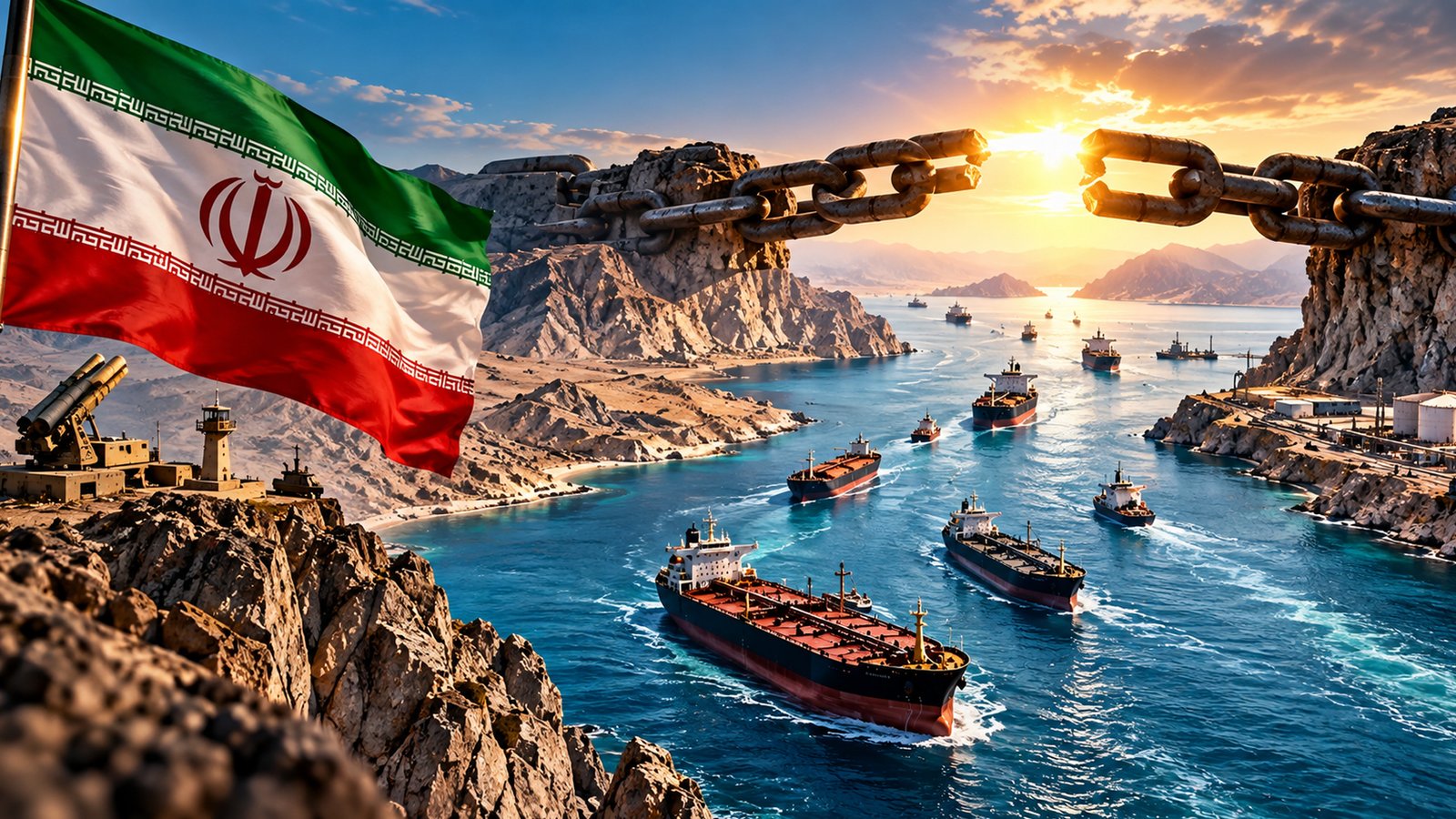
The Strait of Hormuz is central to the dispute because of its importance to global energy supplies. Before the conflict, around one-fifth of the world’s oil and liquefied natural gas shipments passed through the waterway. Restrictions on shipping have since disrupted energy flows and contributed to sharp movements in oil prices.
The waterway lies between Iran and Oman and connects the Persian Gulf with the Gulf of Oman and the wider Arabian Sea. Its location makes it one of the world’s most strategically important shipping routes, particularly for oil-producing countries in the Gulf.
The latest Iranian proposal is closely linked to an earlier US-Iran memorandum agreed in June. That agreement was designed to establish a ceasefire, address Iran’s nuclear programme and create conditions for reopening the Strait of Hormuz. It included provisions for ending military operations, lifting the US naval blockade and allowing safer commercial shipping through the waterway.
The earlier arrangement later collapsed, with Washington and Tehran accusing each other of violating its terms. Fighting resumed, while Iran maintained restrictions on shipping and the US continued military and economic pressure on Tehran.
Washington’s response to the latest proposal has been cautious. A US official told the BBC that discussions through mediators were positive and included nuclear issues, but also said the US believed it was in a strong position and was not in a hurry to reach an agreement.
Trump has also publicly demanded that Iran fully reopen the Strait of Hormuz and return to negotiations. In his address to the UN General Assembly, he said he faced a choice between reaching a deal with Iran and continuing military action.
US officials cited by the Times of India said Trump has rejected Iran’s seven-day ceasefire proposal and has privately indicated that US bombing could resume after the November midterm elections. The report said the administration remains concerned about Iran accepting Washington’s demands, while US officials are also weighing military resources and other strategic considerations.
Iran, meanwhile, has maintained that it does not want to continue the war but will not accept what it describes as coercion or threats. Iranian President Masoud Pezeshkian has said the decision to end the conflict rests with Washington and that disputes should be resolved through dialogue.
The diplomatic push comes at a difficult moment for both sides. Iran is facing economic pressure from sanctions, disruption to oil exports and restrictions on its access to international trade. The US, meanwhile, is dealing with the broader consequences of a prolonged conflict, including pressure on energy markets and global shipping.
The Strait of Hormuz has also become part of a wider regional security picture. Shipping disruptions have extended beyond the Gulf, with Iran-aligned Houthi forces stepping up attacks around the Red Sea and the Bab al-Mandab Strait, another major route for international trade.
The immediate question is whether Washington will engage with Tehran’s seven-day framework or continue its current strategy. Iran has presented the proposal as a pathway towards reopening Hormuz and resuming nuclear talks, while the Trump administration has not accepted the conditions attached to it.
With the Strait of Hormuz still at the centre of the dispute, any change in shipping access could have consequences far beyond the region. Oil prices, LNG supplies, freight routes and global markets are all closely tied to developments around the waterway. The coming days will determine whether the latest diplomatic proposal can reopen negotiations or whether the conflict moves towards another phase of military confrontation.