The United States has decided not to extend a key sanctions waiver that had allowed countries like India to continue buying oil from Russia and Iran, a move that could affect global supply and push up crude prices.
The waiver was introduced as a temporary relief measure during heightened geopolitical tensions, especially involving Iran, to prevent sudden disruptions in the oil market. It allowed shipments already in transit to go through without penalties. With the deadline now ending, stricter sanctions will come back into full effect.
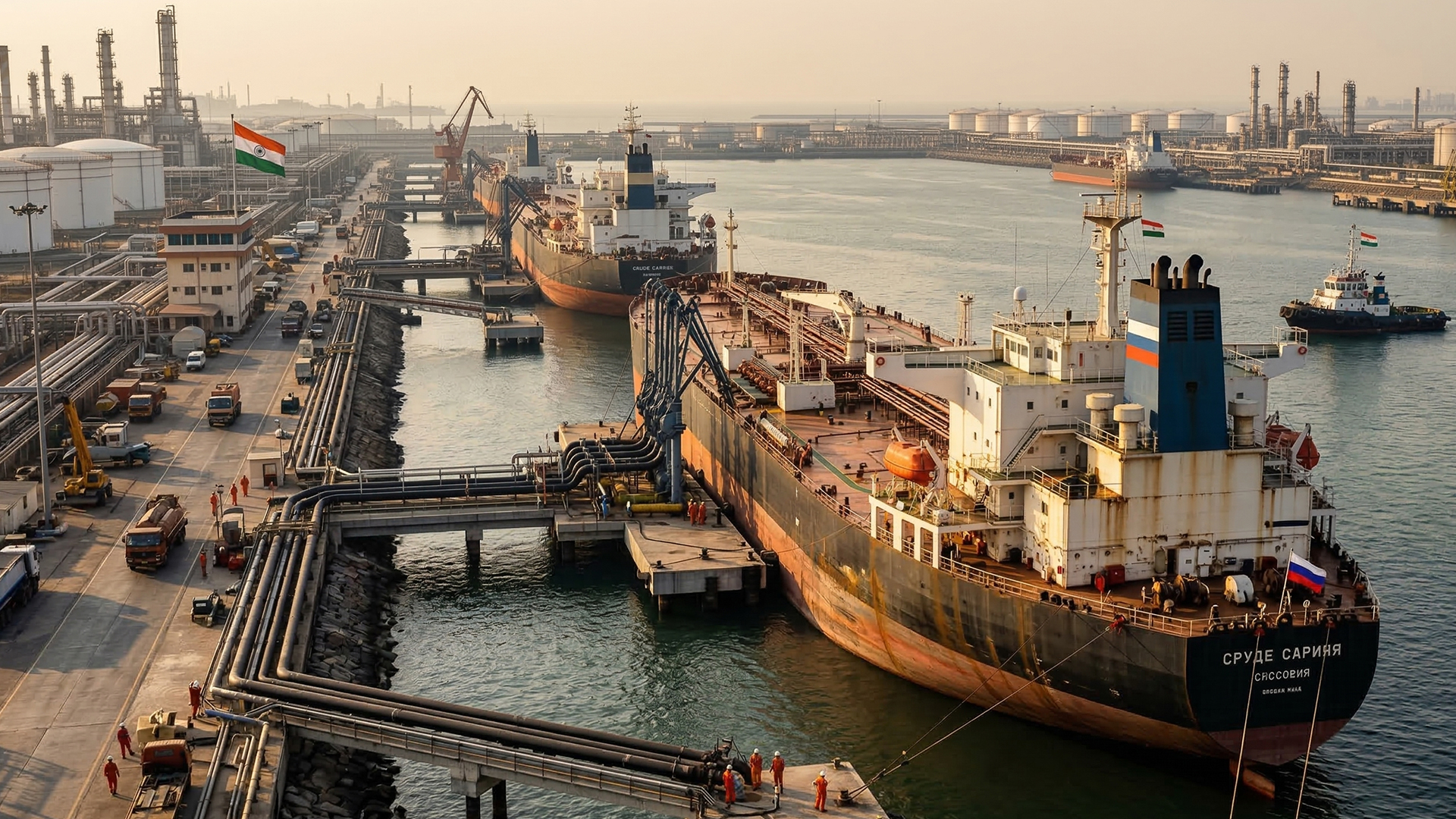
For India, this is a significant development. Over the past few years, the country has relied heavily on discounted Russian crude to manage import costs. With the waiver ending, refiners may now have to look for alternative sources, which could be more expensive.
The decision comes at a time when global oil markets are already on edge. Ongoing tensions involving Iran and concerns around key shipping routes like the Strait of Hormuz have added uncertainty to supply. Any disruption in this region can quickly affect oil availability worldwide.
Experts say tighter restrictions on Russian and Iranian oil could reduce overall supply in the market. This, in turn, may lead to higher crude prices and increased volatility, especially if demand remains strong.
For Indian consumers, the impact may not be immediate but could be felt over time if higher import costs translate into rising fuel prices. It could also have a broader effect on inflation, given how closely energy prices are linked to the economy.
The government and oil companies are expected to adjust their sourcing strategies, but the shift may take time and could come at a cost.
Also Read: Police probe 9 harassment FIRs in TCS Nashik case