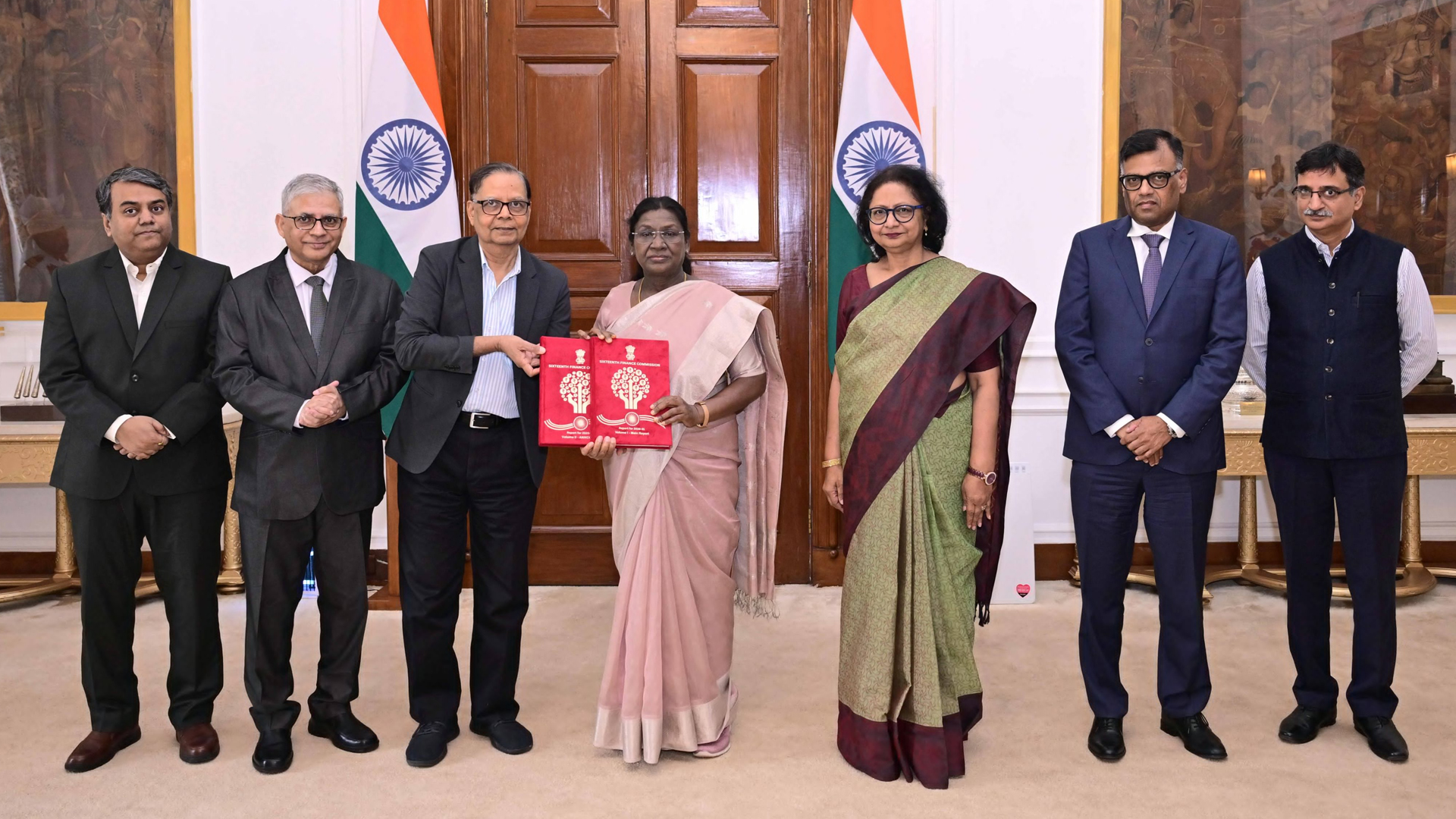
The 16th Finance Commission (XVI FC), chaired by economist Arvind Panagariya, has submitted its much-anticipated report on fiscal transfers for the 2026–31 period to President Droupadi Murmu, on Monday. This marks the end of an extensive exercise involving consultations with the Union government, all state governments, and several domain experts to reassess how national revenues should be shared in the coming five years.
The Finance Commission’s primary responsibility is to recommend how taxes collected by the Centre are divided between the Union and states, and how funds should be allocated within the states themselves. The new report also examines grants, disaster-management finance, and other special transfers that help address regional disparities and structural challenges.
While the contents of the report remain confidential for the moment, it will be presented in Parliament before being released to the public. States across the country are closely watching the developments, as the recommendations will shape the financial space available to them from April 1, 2026.
Over the past year, many states pressed for a larger share of the divisible tax pool, arguing that rising responsibilities and social-sector spending require additional fiscal support. The current 41% share allotted to states has been in place since the 14th Finance Commission, and several governments have urged an increase that moves closer to a 50% devolution.
Economically stronger states such as Karnataka, Tamil Nadu and Gujarat made a case for giving higher weightage to a state’s contribution to national GDP, suggesting that the formula should reflect their economic performance and the demands of fast-growing populations. They also asked for a reduced emphasis on the income-distance factor, which typically directs more funds to less-developed regions.
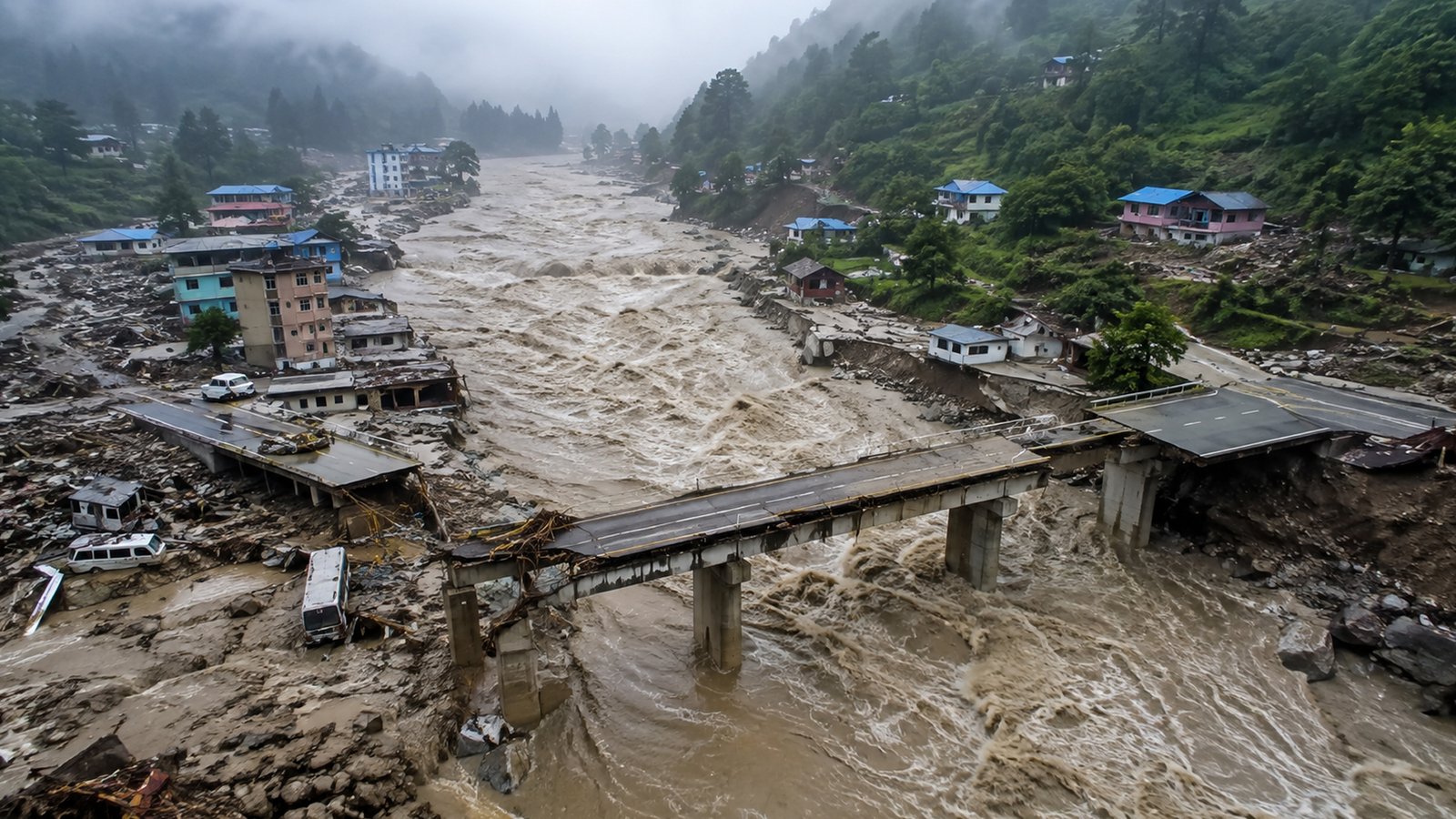
On the other hand, states with hilly terrain, border zones or high disaster vulnerability sought differentiated treatment, arguing that their governance and infrastructure costs are significantly higher. Several such states emphasised the need to incorporate climate and disaster resilience more strongly into future fiscal frameworks.
Also Read: Jaishankar–Lavrov Moscow talks set stage for Putin visit