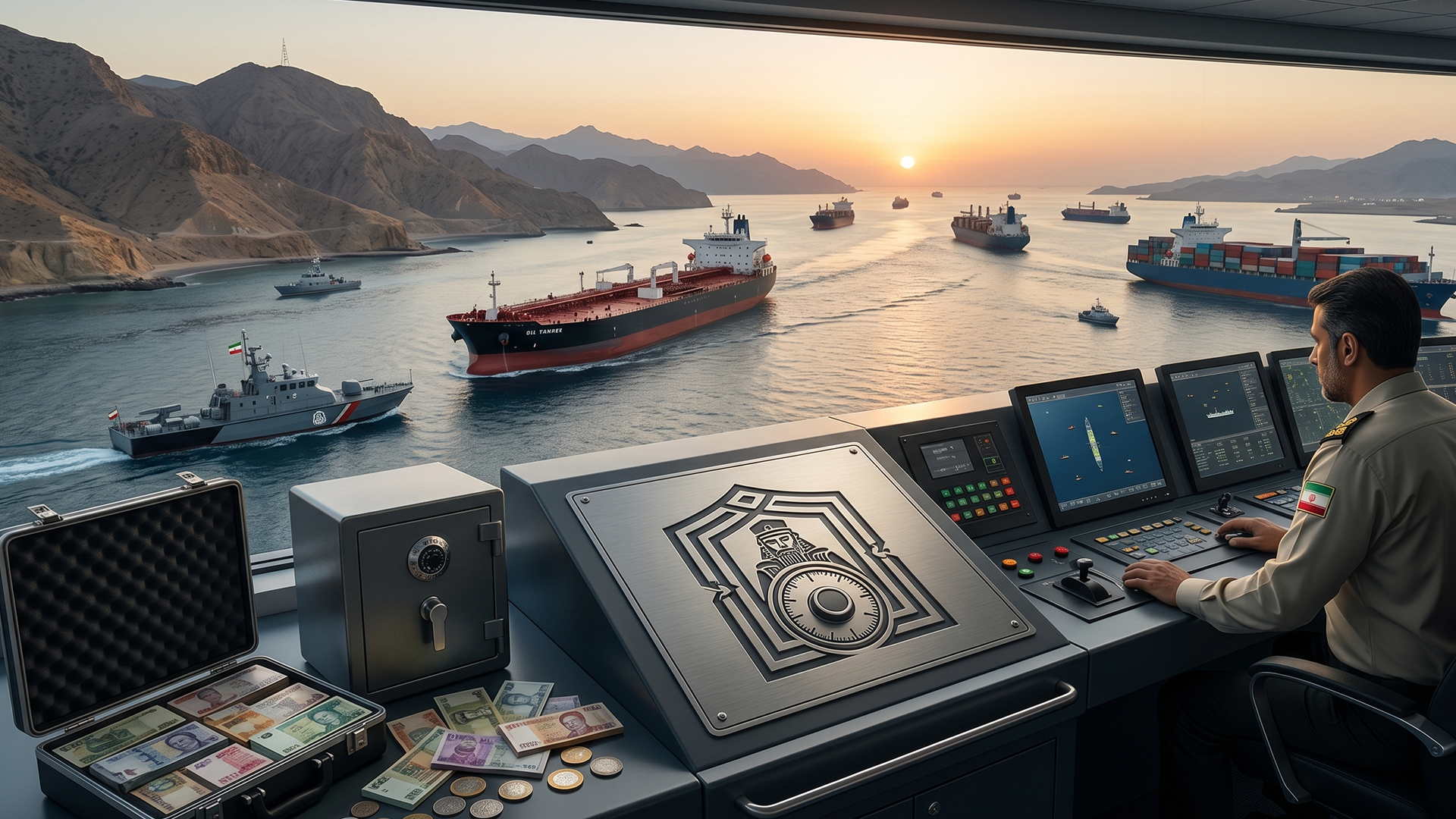
Iran has said it has received the first payments from newly introduced transit fees charged to ships passing through the Strait of Hormuz. According to reports, the country’s central bank confirmed that the money was deposited in cash.
The announcement comes at a time of growing tensions in the Gulf, where the Strait of Hormuz has once again become a major focus of global attention. The narrow waterway is one of the world’s busiest energy routes, carrying a large share of international oil and gas supplies. Any disruption there can quickly affect global markets.
Iranian officials said the new fees are being collected from vessels using the route and described the payments as legitimate charges linked to passage through waters under Iran’s control. The confirmation of cash deposits also follows earlier speculation that Iran might use cryptocurrencies or alternative payment methods because of international sanctions.
The government’s statement is being seen as both an economic and political signal. Economically, the new revenue could offer Iran some support at a time when sanctions and regional tensions continue to pressure its economy. Politically, it underlines Tehran’s influence over one of the world’s most strategic shipping corridors.
The issue is especially sensitive because the Strait of Hormuz plays a key role in global energy trade. Even minor delays, restrictions or extra costs in the region can lead to higher oil prices, increased freight charges and nervousness in financial markets.
Iranian officials have also warned that if pressure from the United States continues, tighter controls or further measures around the strait could follow.
Also Read: Trump orders US Navy to target Iranian mine boats