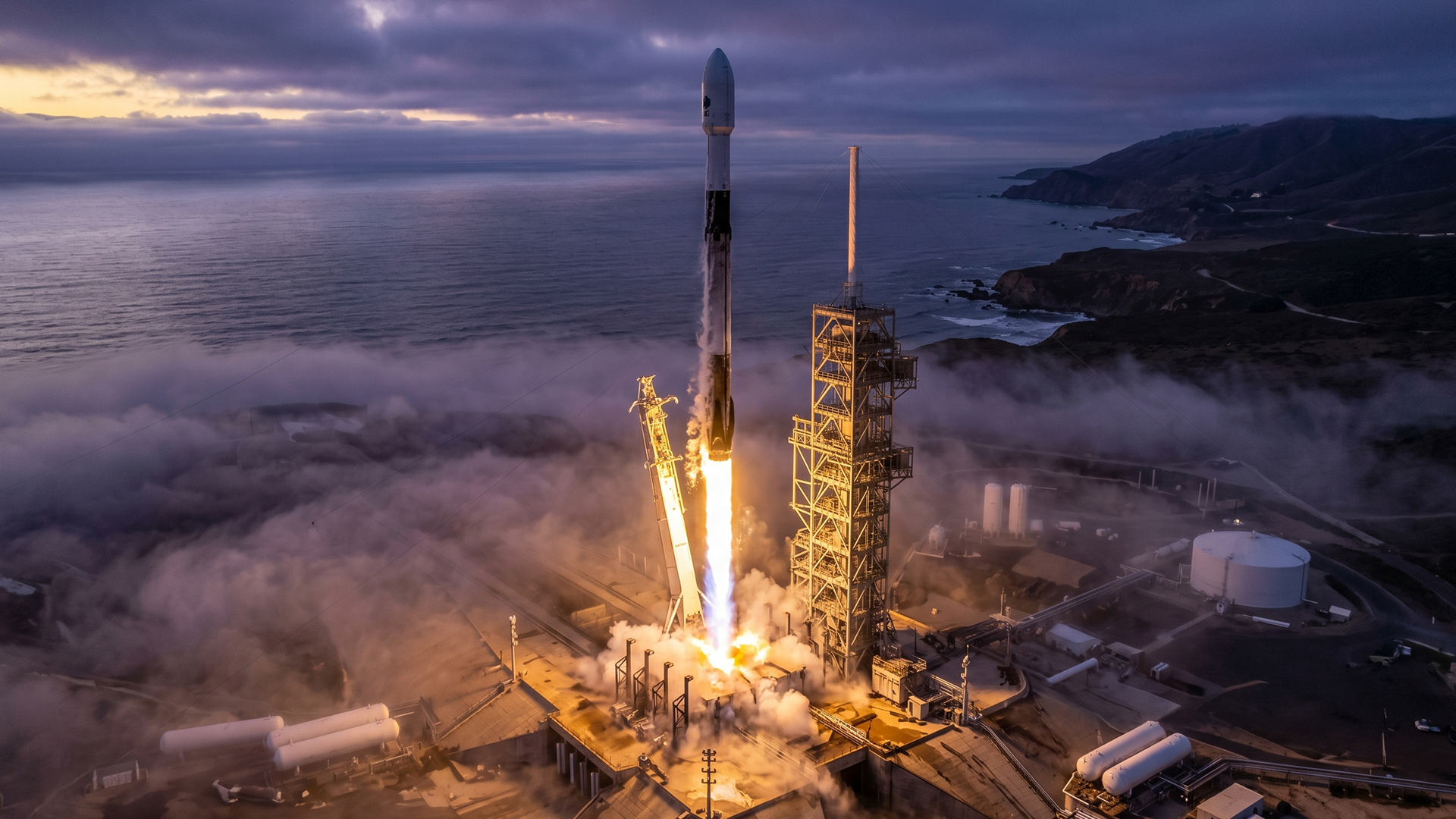
India’s private space sector has taken a big step forward with the successful launch of Mission ‘Drishti’, an advanced Earth observation satellite developed by Bengaluru-based startup GalaxEye. The satellite was sent into space on May 3 aboard a SpaceX Falcon 9 rocket, highlighting growing collaboration between Indian startups and global space players.
Drishti stands out for its unique “OptoSAR” technology, which combines optical imaging and radar capabilities in a single satellite. This allows it to capture clear images of Earth in all conditions—whether it is daytime or night, or even when there is heavy cloud cover.
Traditionally, satellites rely on either optical cameras or radar systems. Optical imaging works best in clear daylight, while radar can function in poor weather and darkness. By combining both, Drishti ensures continuous monitoring without interruptions, making it far more reliable.
Weighing around 190 kg, Drishti is considered India’s largest privately developed Earth observation satellite. Its launch marks an important milestone, showing how Indian startups are now capable of building advanced space technology that was once limited to government agencies like ISRO.
The satellite is expected to play a key role in several sectors. It can help track natural disasters such as floods and cyclones, monitor crops in agriculture, support urban planning, and strengthen surveillance for national security. Its ability to work in all weather conditions makes it especially useful during emergencies.
The mission has received widespread praise from the government and the space community, with experts calling it a sign of India’s growing strength in private space innovation.
GalaxEye is now preparing to roll out commercial services using data from Drishti, with strong demand expected from defence and government agencies. The success of this mission signals a new phase where private companies will play a bigger role in shaping India’s space future.
Also Read: Election counting show major shifts across states