Tensions in the Middle East have risen sharply after the United States and Iran exchanged fresh military strikes, while Kuwait said it intercepted drones and missiles entering its airspace.
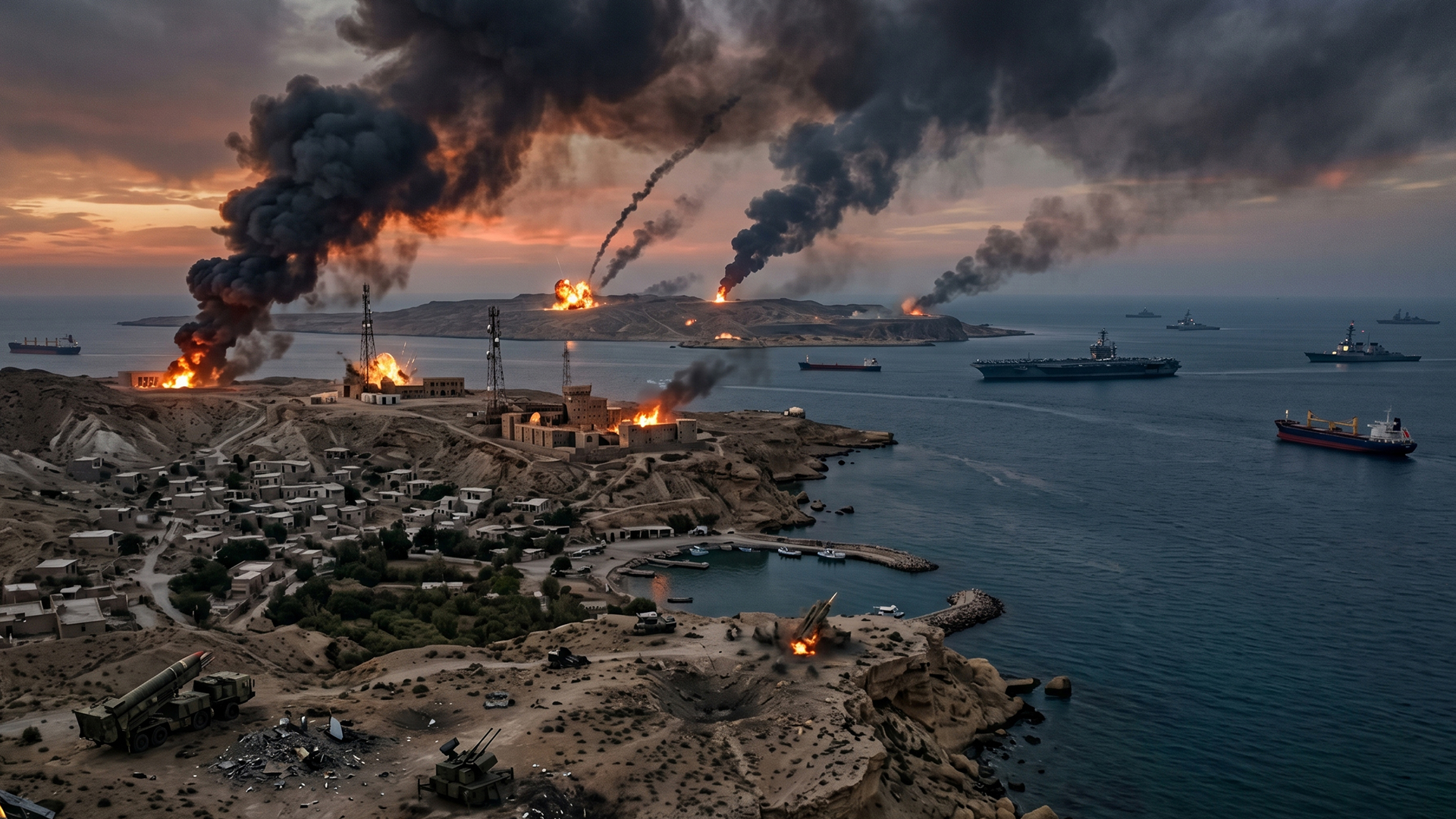
The latest escalation followed US strikes on Iranian military facilities, including radar installations and drone command centres in Goruk and on Qeshm Island. The US military said the operation was carried out in self-defence after Iran allegedly shot down an American MQ-1 drone over international waters.
According to US Central Command (CENTCOM), American fighter jets targeted Iranian air-defence systems, drone control facilities and attack drones that posed a threat to regional maritime traffic.
In response, Iran’s Islamic Revolutionary Guard Corps (IRGC) claimed it launched retaliatory strikes against a facility used by US forces. Iranian officials accused Washington of attacking Iranian infrastructure and warned that any further military action would be met with a stronger response.
As the conflict intensified, Kuwait announced that its air-defence systems had successfully intercepted several drones and missiles. Authorities said loud explosions heard in parts of the country were the result of these interceptions. Residents were advised to remain calm and follow official safety guidelines.
Kuwait, which hosts American military bases, condemned actions that threaten regional security and stability.
The latest military exchanges have added pressure to ongoing diplomatic efforts between Washington and Tehran. Talks aimed at extending a ceasefire and ensuring safe passage through the Strait of Hormuz have become increasingly complicated.
The Strait of Hormuz is one of the world’s most important oil transit routes, carrying a significant share of global energy supplies. Any disruption in the area could affect international oil markets and global trade.
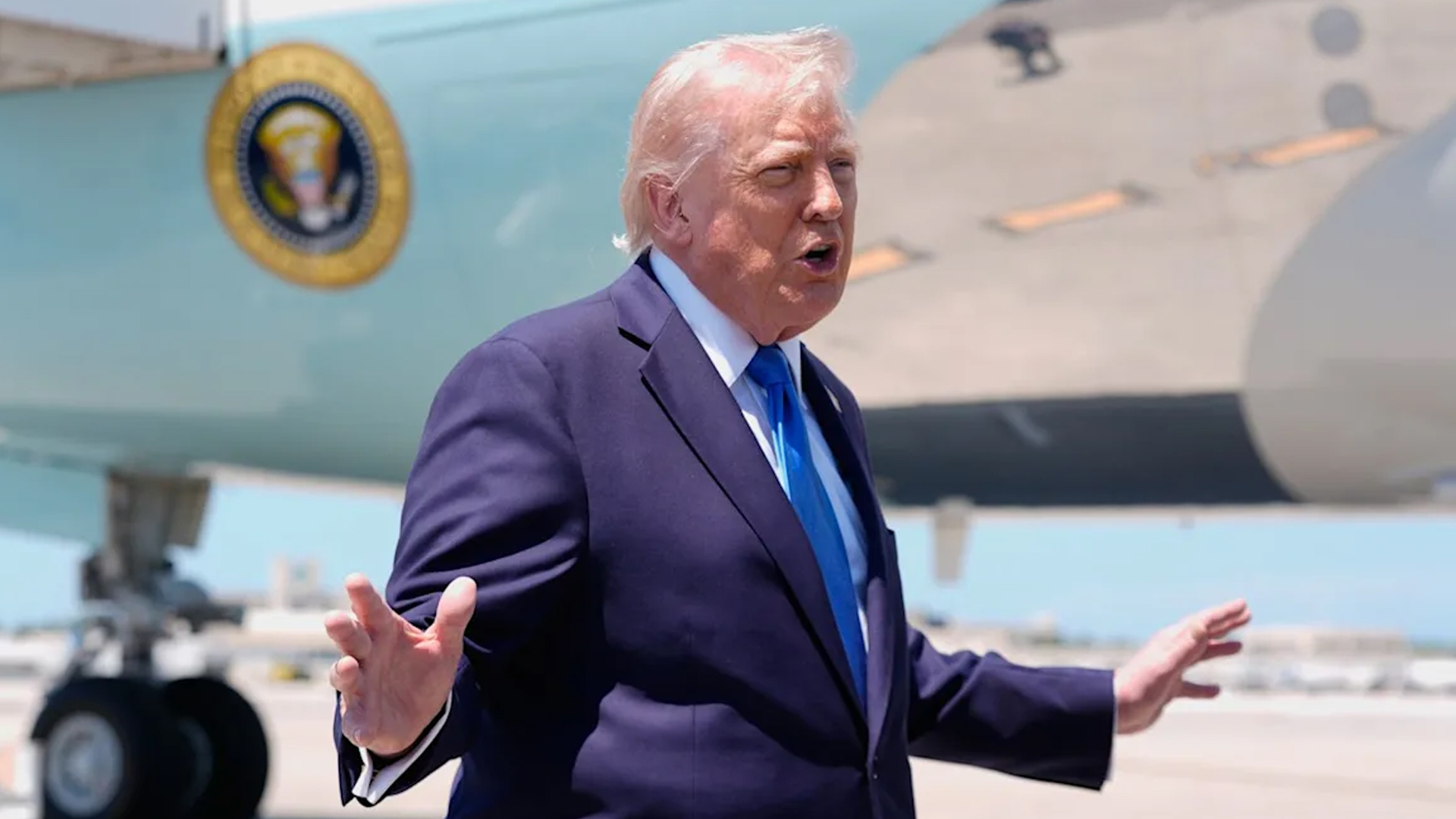
US President Donald Trump has said he remains hopeful about reaching an agreement with Iran. However, major differences reportedly remain over issues such as nuclear commitments and access to key maritime routes.
Iranian leaders have also insisted that any future agreement must protect the country’s strategic and national interests.
Also Read: Balen Shah’s India-Nepal border comments stirs row