Global oil prices surged to a six-week high on Thursday as escalating tensions between the United States and Iran heightened fears of disruptions to crude supplies from the Middle East. The rally pushed Brent crude close to $96 a barrel, while US West Texas Intermediate (WTI) also climbed sharply, reflecting growing concerns over global energy security.
The latest rise comes after reports that the US carried out military strikes on Iranian-linked targets for the 12th consecutive night, increasing worries that the conflict could spread further. Although oil production has not been directly affected so far, traders fear that any escalation involving major oil-producing nations could tighten global supplies and keep prices elevated.
Brent crude rose to its highest level in about six weeks, extending gains made earlier this week. The market has added a geopolitical risk premium as investors remain uncertain about how long the conflict will continue and whether it could affect oil exports from the region.
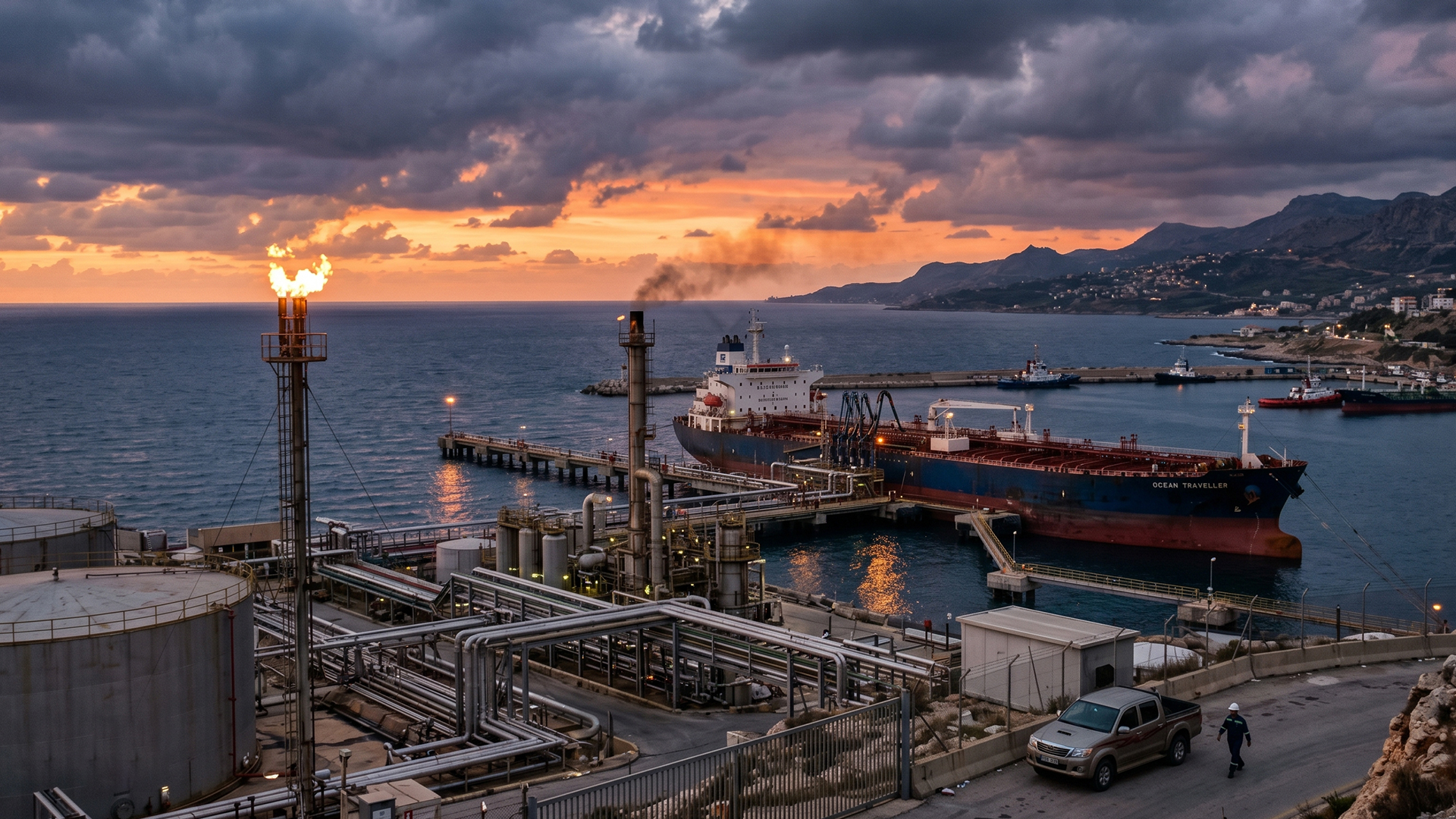
At the centre of these concerns is the Strait of Hormuz, through which nearly one-fifth of the world’s crude oil and fuel supplies pass every day. Any disruption to shipping through this strategic waterway could significantly affect global energy markets and trigger another sharp spike in oil prices.
The rally has important implications for India, the world’s third-largest importer and consumer of crude oil. The country imports more than 85% of its crude oil requirements, making it highly vulnerable to fluctuations in international prices. Every sustained increase in crude prices raises India’s import bill and widens the trade deficit, putting additional pressure on the economy.
Higher oil prices could also weigh on the Indian rupee. As oil import payments rise, demand for the US dollar typically increases, which may weaken the rupee further. A weaker currency, in turn, makes crude imports even more expensive, creating a cycle that can increase overall inflation.
For ordinary consumers, the impact may eventually be felt at petrol pumps. While retail fuel prices in India do not always move immediately with global crude, a prolonged rally could force oil marketing companies to review petrol and diesel prices. Higher fuel costs generally push up transportation expenses, leading to increased prices of vegetables, food items, consumer goods and logistics services.
The aviation industry is also likely to face higher costs if crude prices remain elevated. Aviation turbine fuel (ATF), one of the biggest expenses for airlines, is directly linked to international crude prices. A sustained increase could raise operating costs for airlines and eventually translate into higher airfares.
Businesses across sectors, including manufacturing, transport and logistics, are closely watching the crude market. Rising fuel costs increase production and distribution expenses, which are often passed on to consumers. Economists warn that persistent increases in oil prices could complicate inflation management and influence future monetary policy decisions by the Reserve Bank of India.
Apart from geopolitical tensions, falling US crude inventories have also supported the latest rally. Official data showed a larger-than-expected decline in American oil stockpiles, indicating strong fuel demand during the summer travel season. Healthy consumption in the United States has reinforced expectations of a tighter global oil market.
Market participants are also monitoring the OPEC+ alliance for any changes in production policy. While the producer group has maintained a cautious approach to supply, any unexpected output adjustments could significantly influence crude prices in the coming weeks.
Analysts believe the future direction of oil prices will largely depend on geopolitical developments. If diplomatic efforts help ease tensions between Washington and Tehran, some of the current risk premium could fade. However, any disruption to oil infrastructure or shipping routes could send Brent crude above $100 per barrel, analysts caution.
For India, the stakes are particularly high. Rising crude prices not only affect government finances and inflation but also have a direct bearing on household budgets. From fuel and cooking gas to transport and everyday essentials, sustained increases in global crude oil prices can ripple across the economy.
With geopolitical uncertainty showing little sign of easing, energy markets are expected to remain volatile. Investors, policymakers and consumers alike will be closely watching developments in the Middle East, as the next move in oil prices could have far-reaching consequences for the global economy and India’s growth outlook.