A section of Delhi’s transport industry is preparing for a major protest against India’s E20 ethanol-blended petrol policy, with transport unions announcing a march to Parliament on August 4. The organisations say the move is aimed at urging the Centre to review the policy, which they claim is increasing operating costs, creating uncertainty for businesses and affecting the livelihoods of transport operators.
The protest is expected to bring together representatives from truck operators, taxi owners, commercial vehicle associations, bus operators and other transport bodies. Organisers said thousands of transporters from Delhi and neighbouring states are likely to participate, making it one of the largest demonstrations by the sector in recent months.
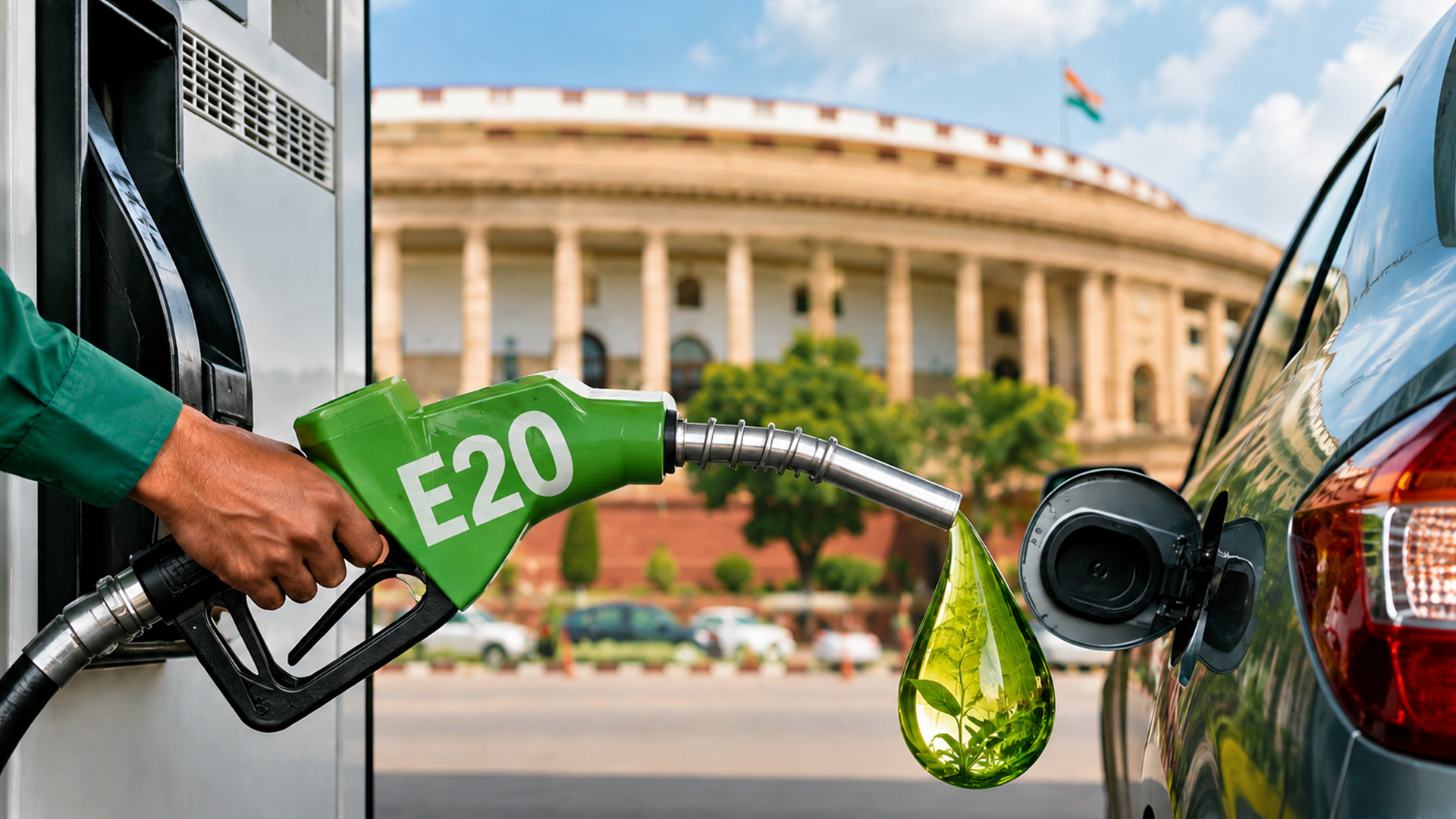
The transport unions argue that the rapid rollout of E20 fuel—petrol blended with 20% ethanol—has created practical and financial challenges for vehicle owners, particularly those operating older commercial vehicles. They believe the policy has been implemented without adequate consultation with industry stakeholders or sufficient preparation for its economic impact.
According to the organisers, the march is not against cleaner fuels or environmental initiatives but against what they describe as the premature implementation of the policy. They have called for a comprehensive review, wider industry consultations and a phased approach that takes into account the readiness of vehicles and fuel infrastructure.
Transport leaders claim that many commercial vehicle owners remain uncertain about whether their existing vehicles are fully compatible with E20 petrol. They argue that any reduction in fuel efficiency or increase in maintenance expenses could significantly affect transport businesses, many of which are already operating on thin margins amid rising fuel prices, insurance costs and vehicle financing expenses.
The issue has become particularly important for small fleet owners, taxi operators and independent transport businesses. Several industry representatives say even a marginal increase in operating costs can reduce profitability, especially in a highly competitive market where freight rates and passenger fares cannot always be revised immediately.
The transport bodies are also seeking greater clarity from the government and automobile manufacturers regarding the long-term impact of ethanol-blended fuel on engines, maintenance schedules and vehicle lifespan. They have urged policymakers to release more technical data and provide financial support if businesses are required to upgrade vehicles.
India has been aggressively promoting ethanol blending as part of its broader strategy to reduce dependence on imported crude oil, improve energy security and lower carbon emissions. The government has consistently highlighted the economic benefits of ethanol production, including higher income opportunities for sugarcane farmers and reduced foreign exchange outgo on crude oil imports.
Officials have maintained that vehicles manufactured in recent years are increasingly being designed to operate on E20 fuel and that automobile manufacturers have been preparing for the transition. The government has also stated that the ethanol blending programme forms an important pillar of India’s clean energy and sustainable mobility strategy.
However, transport unions believe the policy’s implementation should better reflect the realities faced by commercial operators. They argue that while the long-term environmental objectives are important, businesses should not bear additional costs without adequate support mechanisms.
Industry representatives say they have submitted several memoranda to the government seeking discussions on the issue but have not received the policy changes they were hoping for. The planned Parliament march is intended to draw the Centre’s attention to the concerns of transport operators and encourage a formal review of the E20 rollout.
Besides seeking a review of the fuel policy, the unions are expected to raise broader issues affecting the transport industry, including increasing fuel costs, regulatory compliance, rising toll charges and the financial pressure on small transport businesses. Organisers say these issues collectively affect the competitiveness of the logistics and transportation sector.
The protest also comes at a time when India’s transport industry is undergoing rapid transformation through cleaner fuels, electric mobility and stricter emission standards. While businesses recognise the need for sustainable transport solutions, many believe policy transitions should be gradual and supported through incentives, financing options and technical guidance.
Business analysts note that the transport sector plays a critical role in India’s economy, supporting manufacturing, trade, agriculture and e-commerce. Any disruption to commercial transport operations could have implications for supply chains, freight movement and logistics costs across multiple industries.
At the same time, experts point out that India’s ethanol blending programme has helped reduce fossil fuel dependence and strengthen the country’s energy security. The challenge, they say, lies in balancing environmental goals with the commercial realities faced by transport operators, particularly small businesses with limited financial flexibility.
Transport unions have said the August 4 march will remain peaceful and democratic. They hope the protest will open a dialogue with policymakers and result in a review of the E20 fuel policy, along with measures to address the industry’s concerns.