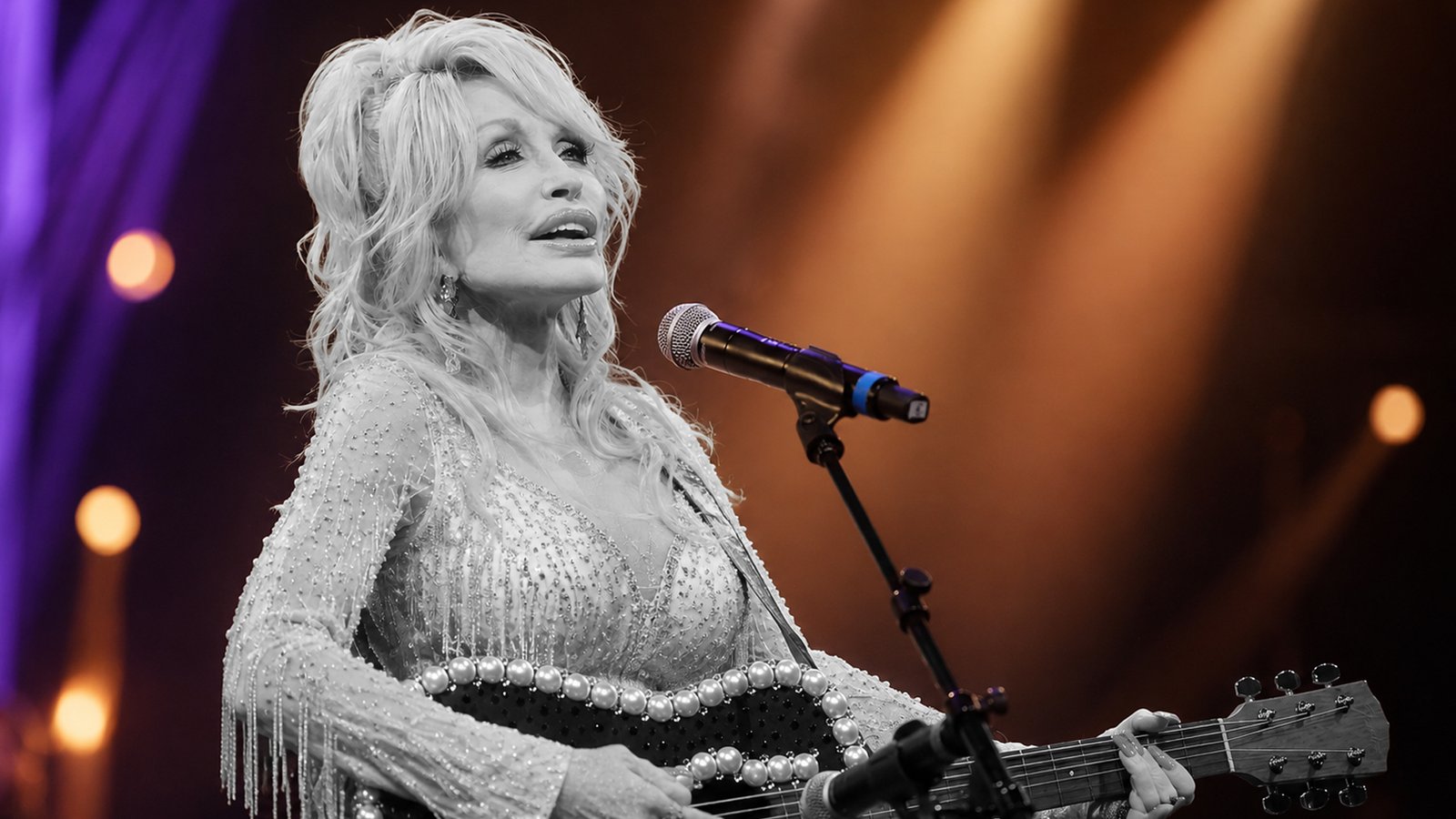
Dolly Parton, the larger-than-life country music star whose songs, wit and warmth made her a beloved figure across generations, has died at the age of 80. Parton died in Nashville on August 25 after a brief battle with cancer, her representatives confirmed. The type of cancer was not disclosed. She was surrounded by loved ones at the Vanderbilt-Ingram Cancer Center.
Her death marked the end of a remarkable career that lasted nearly six decades. Parton was far more than a country singer. She was a songwriter, actress, entrepreneur and philanthropist who built a personal connection with audiences around the world without ever losing touch with her humble Tennessee roots.
News of her death was announced by her family on Tuesday. Her nephew Bryan Seaver shared the news in a video, remembering Parton as someone who had opened doors for others throughout her life. The family has said her funeral will be a small, private ceremony in keeping with her wishes.
Parton’s death came after a period in which she had faced health problems while continuing to remain involved in her work. She had postponed and later cancelled a planned Las Vegas residency earlier in 2026 because of health-related treatment. Even during that difficult period, she continued to speak about her desire to keep creating music and working on projects close to her heart.
Born in 1946 and raised in rural Tennessee, Parton grew up in a large family with very little money. Those early years shaped much of her music. Family, poverty, faith, love and ambition repeatedly appeared in her songwriting, giving her songs an emotional honesty that connected with listeners far beyond the country music audience.
Parton began performing professionally while still young and moved to Nashville to pursue music. Her breakthrough came after she began working with country singer Porter Wagoner. She eventually established herself as a solo artist and became one of the most successful singer-songwriters in American music.
Her catalogue includes songs that have become part of popular culture. “Jolene,” “9 to 5,” “Coat of Many Colors” and “I Will Always Love You” are among her best-known works. Whitney Houston’s hugely successful version of “I Will Always Love You” introduced Parton’s songwriting to another generation and turned the song into an international classic.
Parton also proved that her talents extended well beyond music. She became a successful actress, appearing in films such as 9 to 5 and Steel Magnolias. Her performances added another dimension to her public image and helped her reach audiences who might never have followed country music closely.
Yet perhaps her most lasting impact came through her philanthropy.
Parton established the Imagination Library, a literacy programme that provides free books to children. What began as a local initiative in Tennessee eventually grew into an international programme, distributing hundreds of millions of books to children. Her approach was simple: give young people access to books early and encourage them to develop a lifelong love of reading.
She also used her wealth and influence to support medical research and community causes. During the COVID-19 pandemic, Parton donated $1 million to Vanderbilt University Medical Center, helping support research that contributed to early work on a coronavirus vaccine. Her connection with Vanderbilt later became especially poignant, as the medical centre was where she spent her final days.
Parton’s generosity was also visible in her home state. Her business empire included Dollywood, the popular theme park in Tennessee that became a major tourism attraction and source of employment. The project reflected another side of Parton: she was not simply a performer but a shrewd businesswoman who understood how to turn her fame into something that benefited her community.
Her personal story remained central to the way people viewed her. Parton never tried to hide where she came from. She embraced her distinctive appearance, playful humour and larger-than-life personality, while often using humour to challenge the assumptions people made about her.
Behind that carefully crafted image was a highly disciplined artist and businesswoman. Parton wrote thousands of songs and sold more than 100 million records worldwide. She received 11 Grammy Awards, including a Lifetime Achievement Award, and was inducted into both the Songwriters Hall of Fame and the Rock and Roll Hall of Fame.
Her personal life also saw major change in recent years. Parton’s husband, Carl Dean, died in March 2025 after nearly six decades of marriage. The couple had largely kept their relationship away from the spotlight, even as Parton became one of the world’s most recognisable entertainers.
After news of her death broke, tributes poured in from musicians, actors and public figures. Taylor Swift, Beyoncé, Paul McCartney, Reba McEntire, Jane Fonda and many others remembered Parton for her music, humour, generosity and influence. Fans also gathered around the world to celebrate the songs that had become part of their own lives.
The tributes have reflected something unusual about Parton’s appeal. She was able to cross boundaries that often divide audiences. Country music fans embraced her, but so did pop listeners, Hollywood audiences and people who knew her primarily through her charitable work.
Her legacy will also continue through projects already underway. A Broadway musical based on her life and music remains planned, ensuring that her songs and story will continue reaching audiences even after her death.
Dolly Parton leaves behind an extraordinary body of work, but her greatest legacy may be the people she helped along the way. Through music, literacy, education, healthcare, business and philanthropy, she repeatedly turned personal success into opportunities for others.
For millions of fans, her death is the loss of a familiar voice that seemed almost permanent. But the songs remain, as do the books delivered to children, the communities supported by her foundation and the artists inspired by her example.
Dolly Parton came from poverty in Tennessee and became a global country music icon without abandoning the values that shaped her. Her life was a story of ambition, resilience, humour and generosity — and her influence is likely to continue long after the final note has faded.