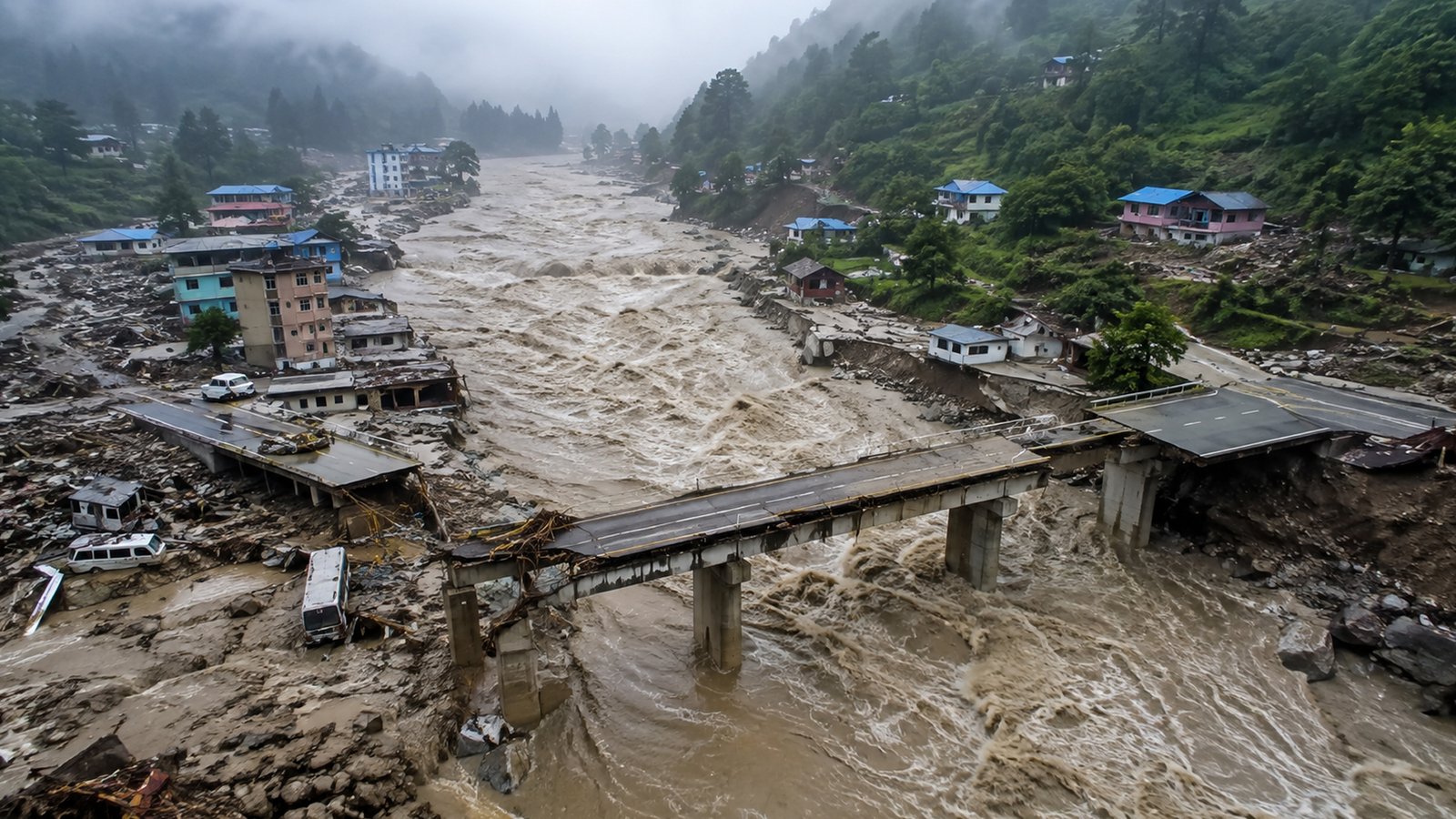
A devastating flash flood swept through Nepal’s northern Rasuwa district on Wednesday, leaving at least nine people dead and hundreds of travellers unaccounted for, including 105 Indian nationals. The disaster struck near the Nepal-Tibet border along the Bhote Koshi River, washing away roads, bridges, homes and other infrastructure and disrupting movement through a key route to Tibet.
The Nepal Tourism Board said a preliminary list showed 384 travellers missing, including 291 foreign nationals and 93 Nepali citizens. Indians make up the largest group among the foreign travellers, with 105 Indian nationals listed as missing. The list also includes travellers from the United States, United Kingdom, Australia, Malaysia, South Africa and the Netherlands. Officials have stressed that the figure is preliminary and is being verified.
The missing travellers were in the Rasuwa region as part of different tour groups and travel arrangements. Many were believed to be preparing to cross into Tibet for the Kailash Mansarovar Yatra, making the disaster particularly concerning for Indian families waiting for news from relatives travelling through the area. The Nepal Tourism Board is working with travel agencies, guides, Tourist Police, local authorities and security agencies to establish the whereabouts of those listed as missing.
The flood struck the Bhote Koshi River suddenly in the morning. The surge badly affected the Timure and Syafrubesi areas, close to the Rasuwagadhi border crossing. Vehicles, buildings, goods and other property were swept away as the water moved rapidly through settlements. Several villages and stretches of road were damaged, making access to the affected areas difficult for rescue teams.
The exact cause of the flash flood is still being investigated. Initial reports indicated that the surge came from the Tibetan side and was not simply the result of heavy rainfall in Rasuwa itself. Satellite observations showed significant rainfall on the Tibetan side, while authorities have also been examining whether a sudden release of water, possibly linked to a glacial system, contributed to the flooding. No definitive cause has yet been established.
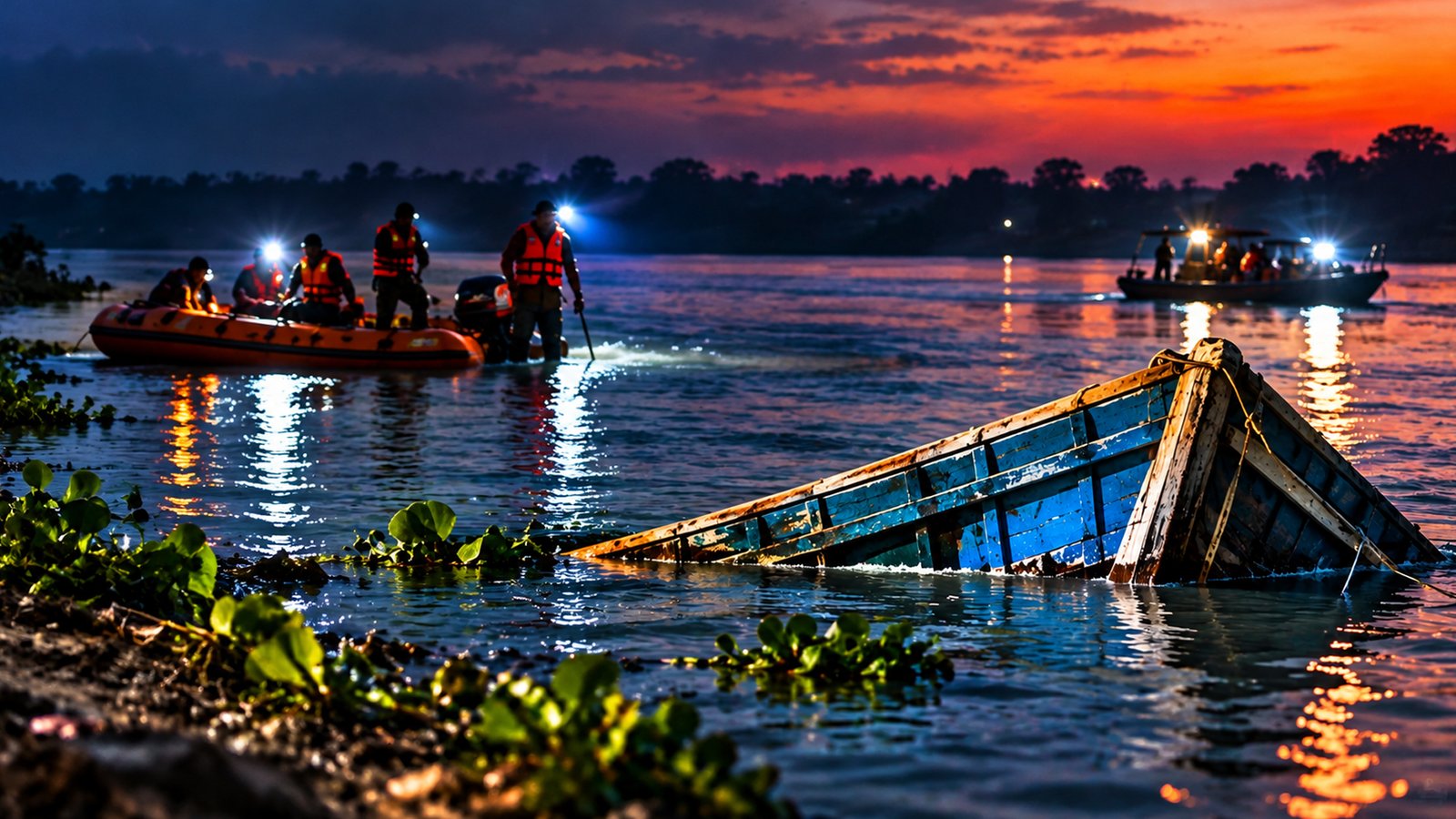
The scale of destruction has complicated rescue efforts. Nepal has deployed army personnel, police and disaster-response teams to search for survivors and people who remain missing. Helicopters have been sent to the affected region, although high water levels and damaged infrastructure have made rescue operations challenging. Nepal Police and Armed Police personnel are also among those reported missing in Rasuwa.
The flooding has also damaged critical infrastructure, including hydropower facilities and transmission systems. Nepal’s Energy Ministry said around 430 MW of hydropower capacity, equivalent to more than 12 per cent of the country’s total hydropower capacity, was disrupted by the disaster. Roads and bridges have also been damaged, cutting important links between settlements and the border area.
The disaster has triggered concerns beyond Nepal because the affected river system eventually flows into India. Authorities in Bihar have placed districts along the Gandak river system on alert over the possibility of a sudden increase in water levels following the flash flood in Nepal. Officials are monitoring the situation and have directed local administrations to remain prepared for any downstream impact.
The Nepal Tourism Board has urged people with relatives or friends travelling in the affected region to rely on official information while verification of the missing-person list continues. The board has also provided emergency channels for travellers requiring assistance, including its toll-free numbers and Tourist Police contact. Families have been advised to contact travel agencies, guides or local authorities to establish the latest status of travellers.
The immediate concern for India is the safety of the missing Indian travellers. Since the list is still being cross-checked, authorities have cautioned against treating every person on it as confirmed missing. Some travellers may already have reached safer locations but may not yet have been able to establish contact because communications and transport links have been disrupted.
The Rasuwa disaster has once again highlighted the vulnerability of the Himalayan region to sudden floods, landslides and other extreme events. The Bhote Koshi corridor has faced serious flooding before, including a deadly incident last year. With settlements, roads, tourism routes and hydropower projects located close to mountain rivers, even a sudden rise in water can quickly turn into a major humanitarian emergency.
As search and rescue operations continue, the immediate priority is to locate the missing travellers, provide medical assistance to survivors and restore access to isolated communities. The death toll and extent of damage could change as teams reach areas that remain cut off. For now, the Nepal flash floods have left families across Nepal and India anxiously waiting for confirmation that their loved ones are safe.