A political and social debate has intensified in Kerala after prominent Sunni scholar Kanthapuram A.P. Aboobacker Musliyar defended his view that women should remain largely within their homes and avoid public spaces.
The remarks have drawn sharp criticism from Kerala Chief Minister V.D. Satheesan, while former minister K.T. Jaleel has backed Kanthapuram, arguing that the scholar’s comments should be understood in the context of religious beliefs and concerns about women’s safety. The controversy has also brought the Indian Union Muslim League (IUML) into the discussion, with the party’s leadership seeking to explain rather than outright reject Kanthapuram’s position.
Kanthapuram, a senior Sunni cleric, recently spoke against women taking a prominent role in public life. He defended the traditional practice of purdah and argued that women’s presence outside the home could lead to social problems. He also referred to the Quran while making his argument and said such views had been followed by religious scholars for generations.
The comments quickly became controversial, particularly in a state known for its high levels of female literacy, education and participation in public life. Women from different sections of society questioned the idea that women should be restricted to their homes, while political leaders also began responding to the issue.
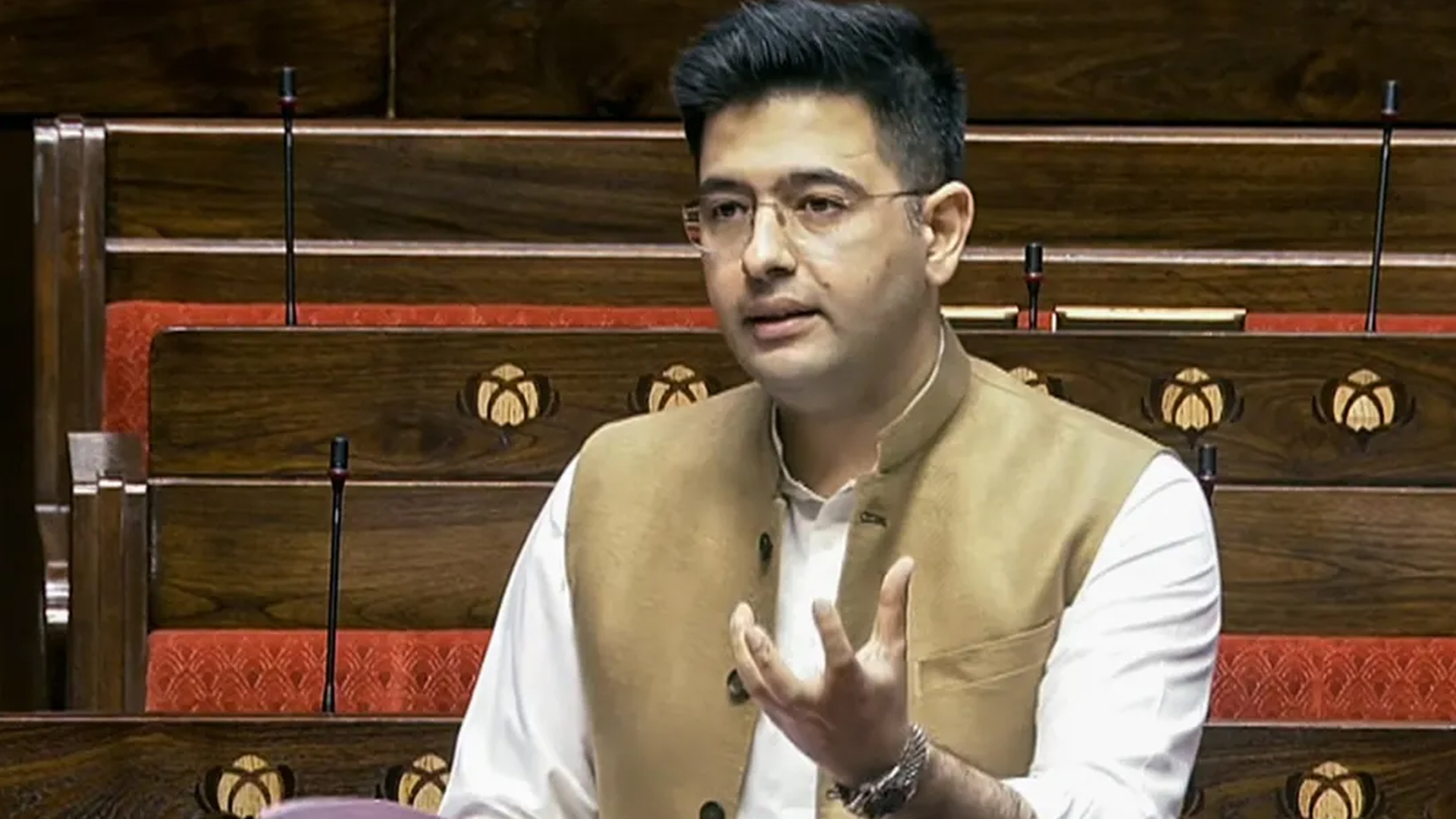
Satheesan has taken one of the strongest positions against the remarks. He said neither his government nor his political party could agree with the argument that women should stay confined to their homes.
The Chief Minister described the view as belonging to the 19th century rather than the Kerala of today. He said women cannot be expected to remain behind four walls and stressed that they should participate in all areas of public life.
Satheesan also challenged the religious interpretation behind Kanthapuram’s remarks. He pointed to the role played by influential women in Islamic history, arguing that the suggestion that Islam requires women to remain away from public life does not reflect the full historical experience of the religion.
According to the Chief Minister, women have historically played important roles in areas including business, politics and even military affairs. He therefore described the restrictive interpretation as a misreading of Islamic history.
The controversy has also exposed differences within Kerala’s political landscape.
K.T. Jaleel, who has previously served as a minister in the Kerala government, came out in support of Kanthapuram. Jaleel argued that the scholar’s remarks should not automatically be interpreted as an attempt to deny women their rights. He linked the comments to concerns over women’s safety and the social environment in which women participate in public life.
IUML leaders have similarly sought to defend Kanthapuram’s position. IUML state president Panakkad Sadiq Ali Shihab Thangal said the remarks could be understood as coming from Kanthapuram’s religious perspective and concerns about the safety and dignity of women. The party described the comments as a scholarly expression rather than a straightforward call to deny women their rights.
That response has added another layer to the debate because the IUML is an important constituent of the Congress-led United Democratic Front (UDF). The issue has consequently become not just a discussion about religion and women’s rights, but also a political test for parties navigating questions of gender equality and religious opinion.
Congress leaders have criticised Kanthapuram’s comments, while some IUML ministers have so far been more cautious in responding publicly. The differing reactions have created visible political discomfort within the alliance.
The debate has also moved beyond political parties.
For many women in Kerala, the question is not simply about whether women should attend particular public events. It is about their freedom to study, work, travel, participate in politics, take leadership positions and make decisions about their own lives.
Kerala has long projected itself as a society where women have played an active role in education, healthcare, public administration, politics and social development. Against that background, calls for women to withdraw from public life have naturally attracted strong reactions.
The controversy has also highlighted the difference between protecting women and restricting them. Supporters of Kanthapuram’s view have presented it as an argument about dignity and safety. Critics, however, say women’s safety should be ensured by making public spaces safer rather than asking women to leave those spaces.
That distinction lies at the heart of the current debate.
The response from Muslim women has been particularly significant. Critics within the community have argued that religious identity and women’s participation in public life do not have to be in conflict. They have questioned the idea that cultural or religious values require women to surrender their presence in society.
The controversy comes at a time when questions surrounding women’s rights, gender equality and representation continue to influence public debate across India. Women are increasingly visible in professions, politics, education, business and community leadership, making restrictions on their participation a politically sensitive issue.
The discussion has an added significance because the state often sees itself as a model of social development and progressive public participation.
Satheesan has made it clear that he does not want his government’s position to be confused with Kanthapuram’s views. His response emphasises women’s participation as part of the mainstream, rather than treating it as something that should be limited because of traditional expectations.
At the same time, the backing offered by Jaleel and the response from IUML leaders show that the debate is unlikely to disappear quickly. It touches on deeply held questions about religion, culture, personal freedom and the changing role of women in society.