India’s BRICS Summit is making headlines for high-level diplomacy, trade and global politics. But away from the conference rooms, another part of the summit is quietly telling a different story about the country — through food, coffee and traditional crafts.
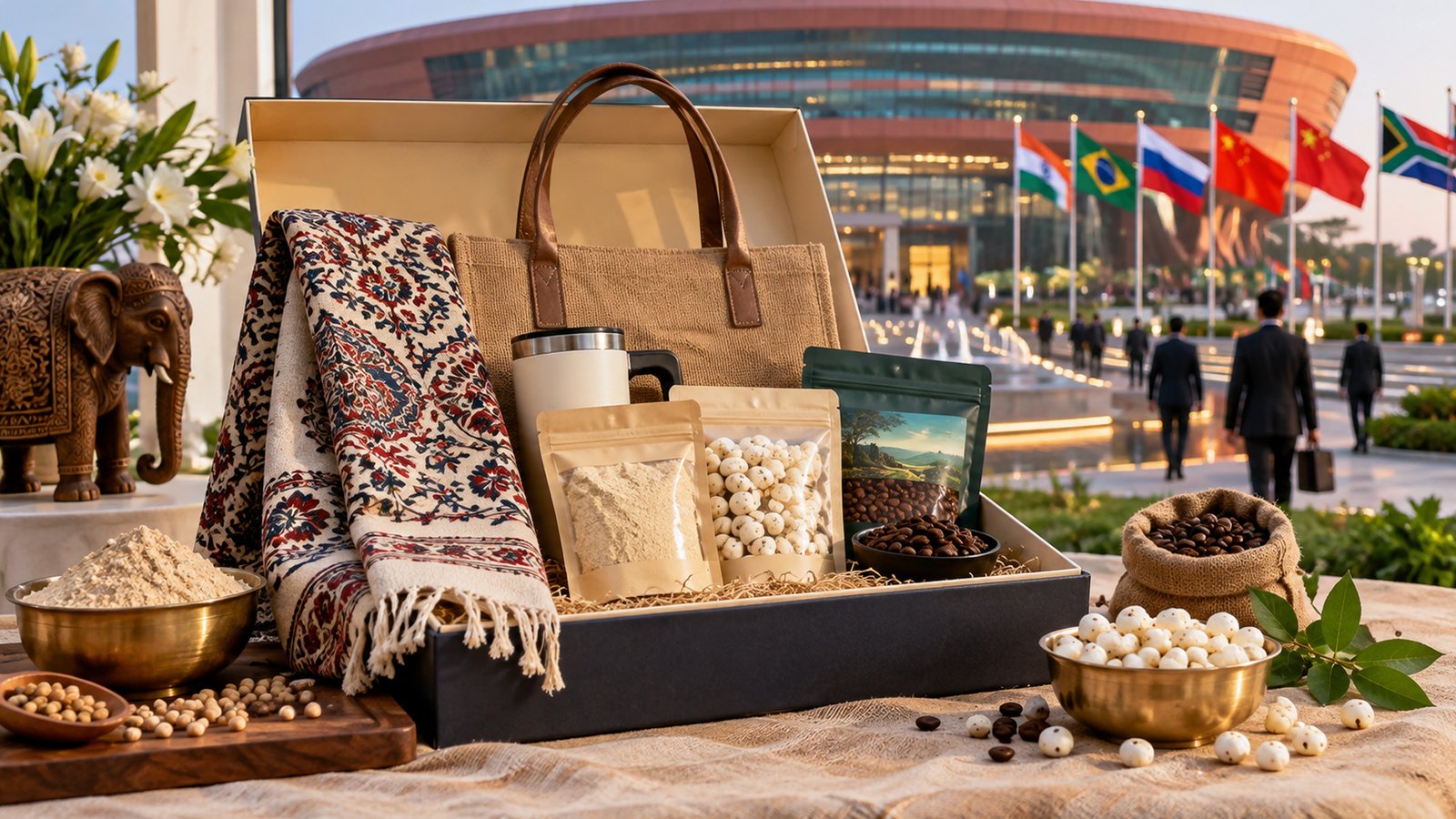
Journalists and delegates attending the 18th BRICS Summit in New Delhi are receiving a specially curated media kit filled with products from different parts of India. Instead of being just another collection of summit souvenirs, the hamper offers visitors a small taste of the country’s regional diversity.
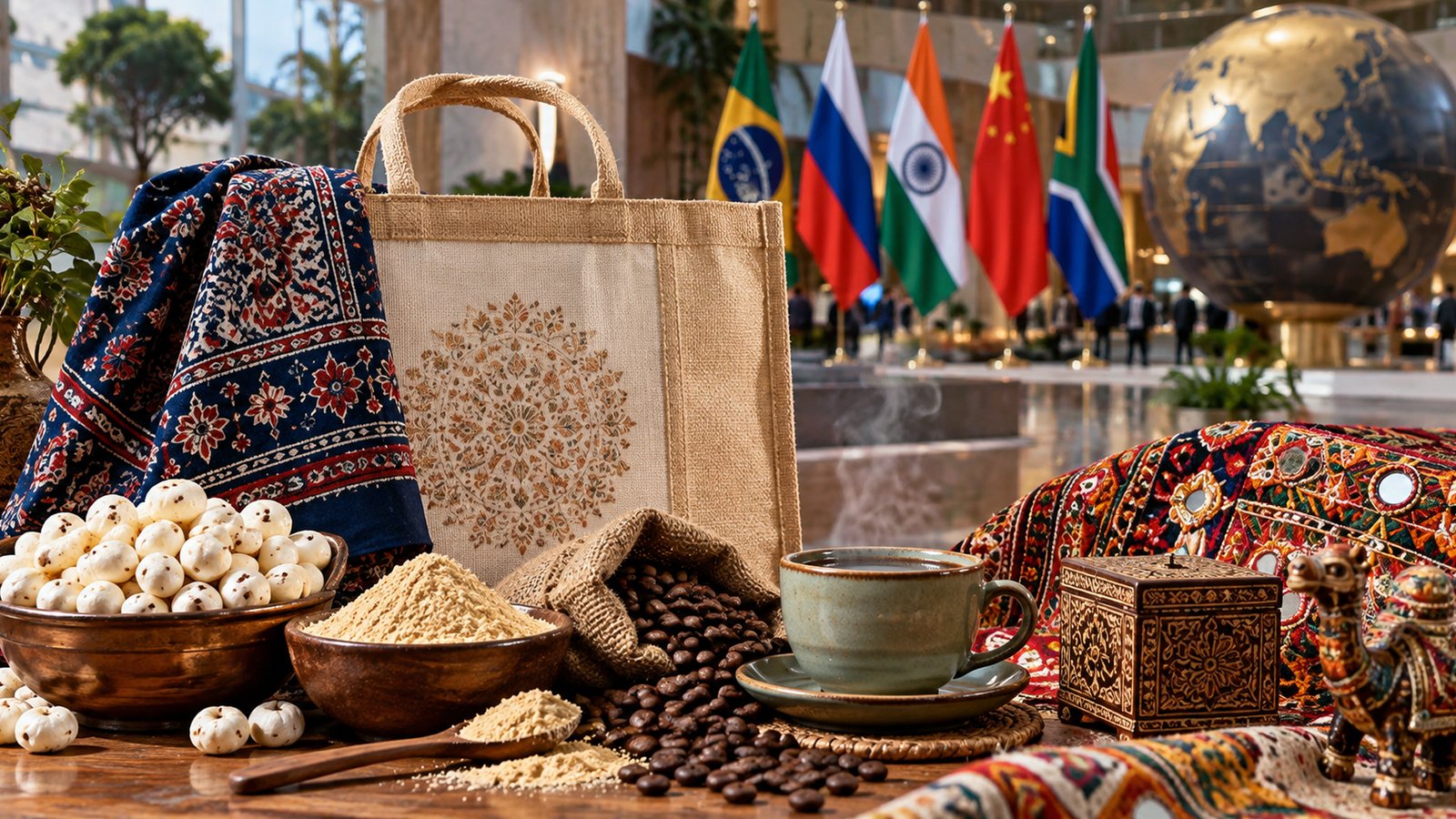
Among the most talked-about items are sattu and makhana from Bihar, 100 per cent Arabica specialty coffee from the hills of Koraput in Odisha and a block-printed stole from Gujarat.
The choices are deliberate. They bring together products that are closely linked to local communities and traditions while giving them a chance to reach an international audience during one of the year’s biggest diplomatic gatherings.
Bihar’s sattu is perhaps the most familiar example of an everyday Indian food being given a global platform. Made from roasted gram, sattu has long been a staple in Bihar and is commonly consumed as a drink or used in traditional dishes. Its growing reputation as a nutritious, protein-rich food has also helped take it beyond its traditional market.
Makhana, or fox nuts, is another Bihar product featured in the kit. Once largely associated with regional consumption, makhana has increasingly become popular across India as a snack and health-conscious food. Its presence at the BRICS Summit gives international journalists an opportunity to discover a product that has become one of India’s better-known indigenous foods.
Odisha brings a different flavour to the collection. The kit includes specialty Arabica coffee grown in the tribal hills of Koraput, a region that has been steadily building a reputation for coffee production. The inclusion of Koraput coffee puts the spotlight not only on Odisha’s agricultural potential but also on the communities and landscape behind the product.
Then there is Gujarat’s craftsmanship. A block-printed stole is part of the hamper, adding a traditional textile element to what otherwise could have been a food-focused collection. The product gives visiting journalists something tangible that represents India’s long history of handicrafts and regional textile traditions.
The kit also contains more practical items, including a coffee mug, tote bag, bottle and stationery such as a diary and pen. One particularly useful feature is an in-built charging port in the tote bag, designed with journalists in mind as they move between meetings, briefings and reporting areas.
The Ministry of External Affairs has worked with the governments of Bihar, Odisha and Gujarat to put the collection together. The broader idea is to present what officials describe as the “India Story” to journalists from India and abroad.
Vasudev Ravi, OSD for Public Relations at the Ministry of External Affairs, said the initiative was intended to showcase India’s diversity by bringing traditional foods and regional products into the international spotlight.
The effort has also created a direct connection between the BRICS summit and local businesses. In Bihar, for instance, a sattu manufacturer supplied 1,500 packets for the welcome kits after being approached by government agencies only days before the summit. The company reportedly worked around the clock to complete the order within 48 hours.
That detail captures what makes the media kit different from a standard diplomatic souvenir. Behind each product is a local industry, farmer, artisan or entrepreneur whose work is being introduced to people from outside India.
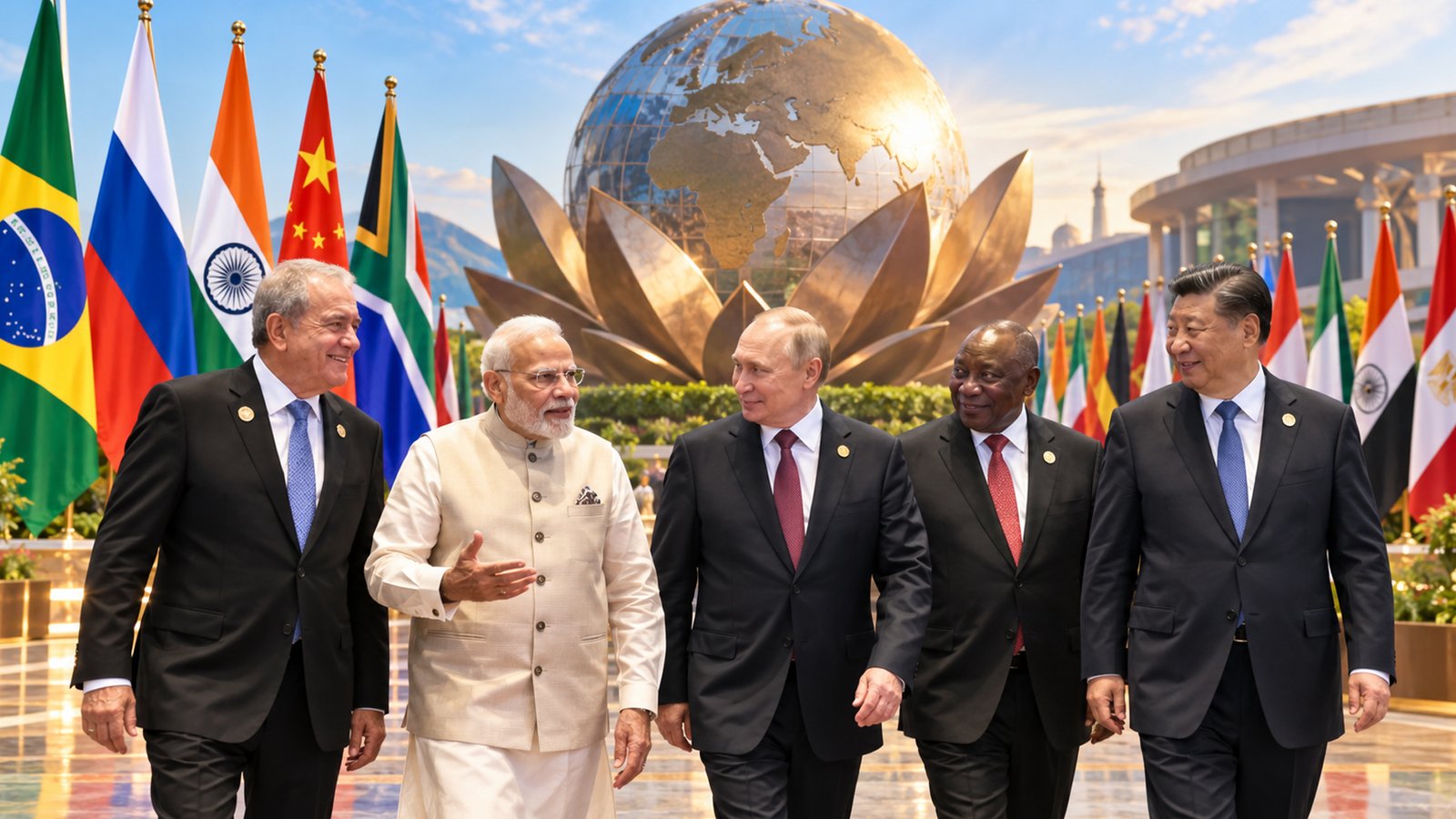
The BRICS Summit, being held at Bharat Mandapam in New Delhi on September 12 and 13, has brought together leaders and delegations from the expanded grouping. Around 1,200 to 1,300 journalists are expected to cover the event, including media representatives from BRICS member and partner countries.
With such a large international media presence, the goodie bag becomes more than a gift. It becomes a simple form of cultural diplomacy.
India is effectively telling visitors that its story cannot be reduced to New Delhi, Mumbai, Bengaluru or its major technology and business centres. It also exists in Bihar’s traditional foods, Odisha’s coffee-growing hills and Gujarat’s workshops where crafts continue to be passed from one generation to the next.
The idea also fits neatly into the growing “local to global” push, where Indian products with strong regional identities are being positioned for wider markets.
A packet of sattu, a handful of makhana, a cup of Koraput coffee or a Gujarati stole may seem small compared with the issues being debated inside the summit halls. Yet together, they tell a larger story — that India’s global identity is also being built through the everyday products, traditions and people that make up its many regions.
At a summit where leaders are discussing global trade, economic cooperation, technology, food security and changing geopolitical alliances, the media kit offers a much softer introduction to India.