
Health
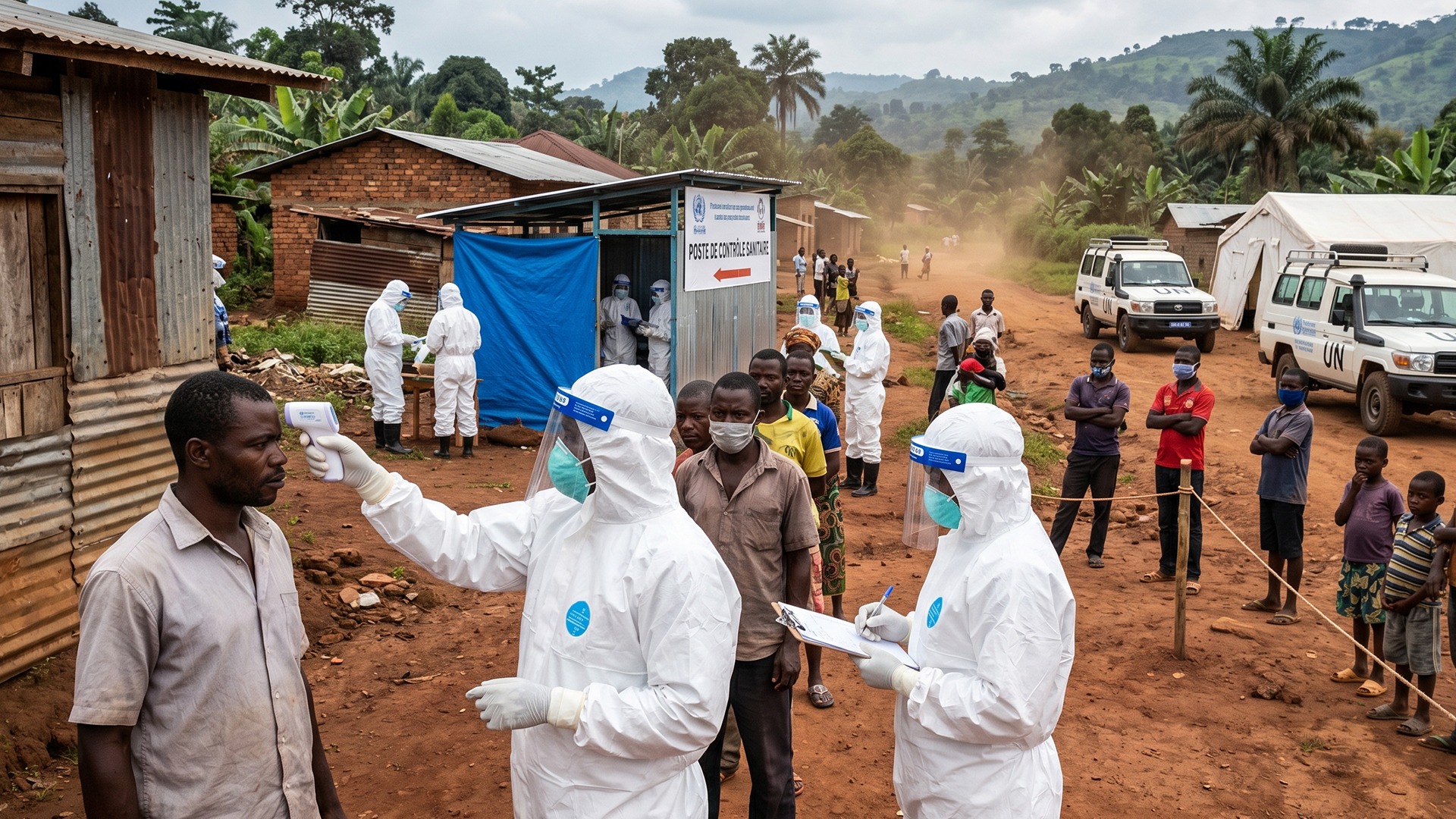
WHO flags Ebola risk as very high in Congo outbreak
The World Health Organization (WHO) has raised the risk assessment of the ongoing Ebola outbreak in the…

Iran reportedly destroyed $1 bn worth of US drones
Iran has reportedly shot down or destroyed more than $1 billion worth of US MQ-9 Reaper drones…

TVK withdraws Goondas Act against Savukku Shankar
Actor Vijay-led Tamilaga Vettri Kazhagam (TVK) government has withdrawn the Goondas Act against jailed YouTuber Savukku Shankar…
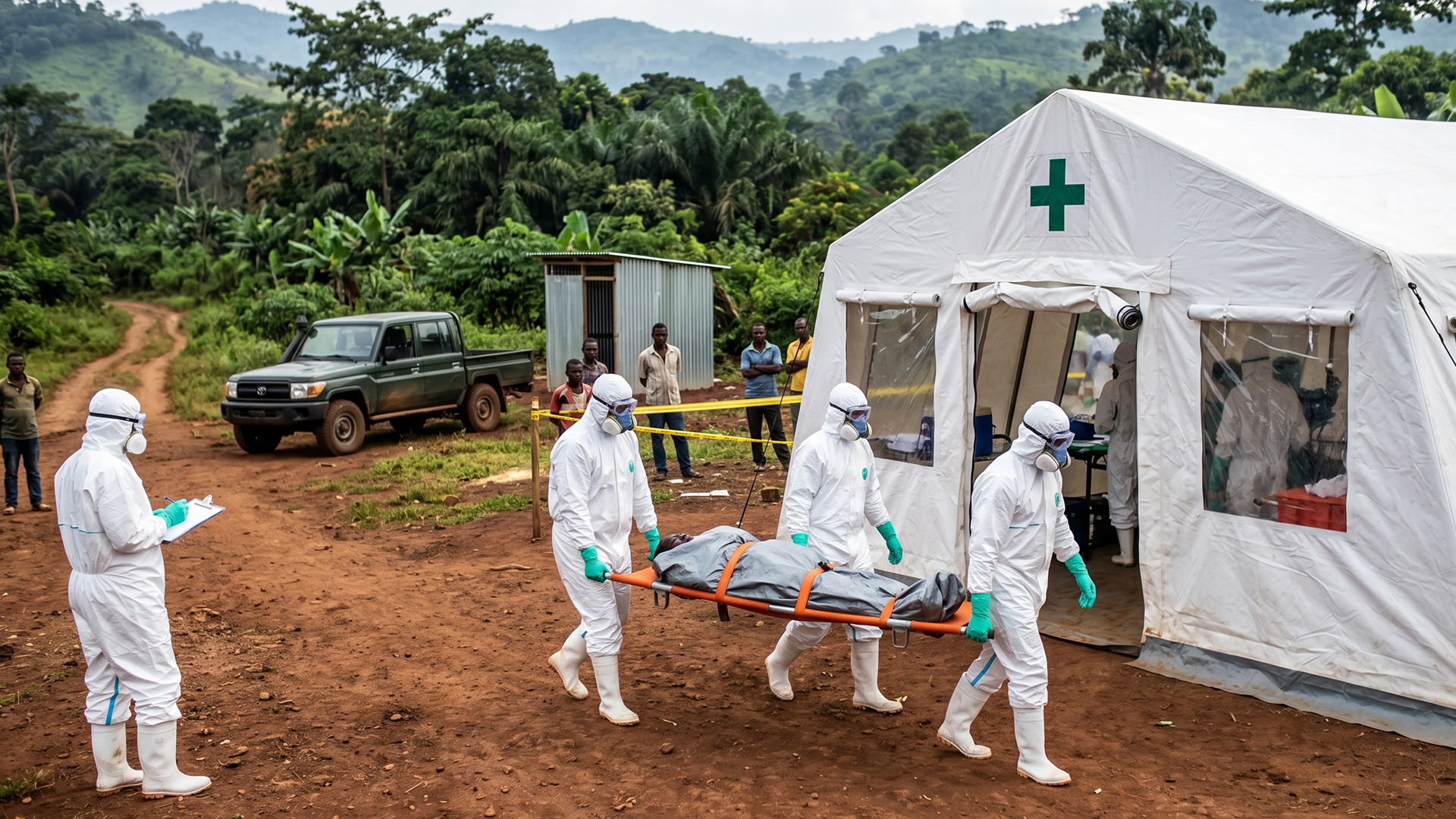
WHO sounds global alert over Ebola outbreak
The World Health Organization (WHO) has declared the Ebola outbreak in the Democratic Republic of Congo (DRC)…
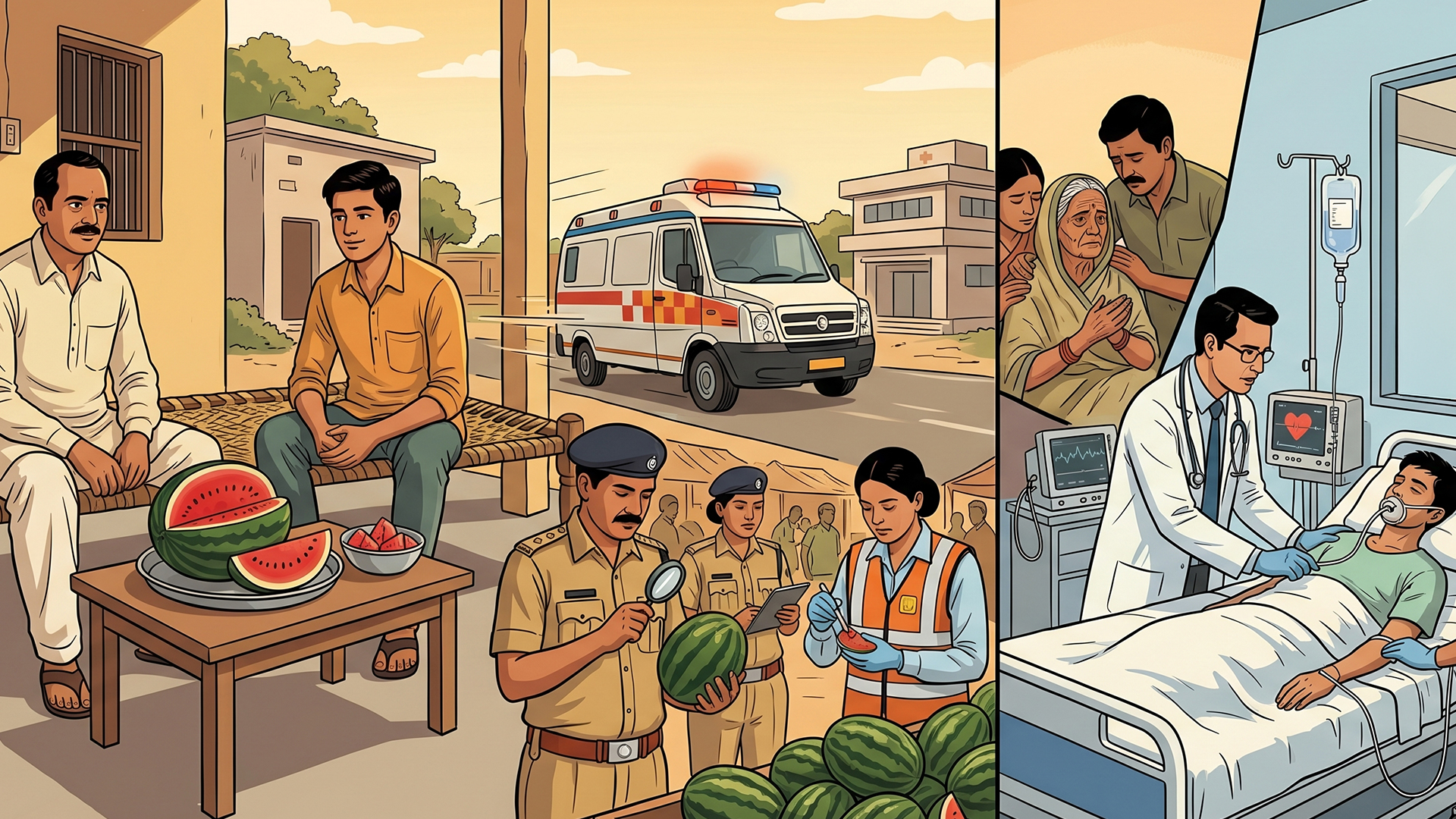
Father dies, son critical in watermelon case
In Madhya Pradesh’s Sheopur, a man died and his son is critical after falling ill reportedly after…
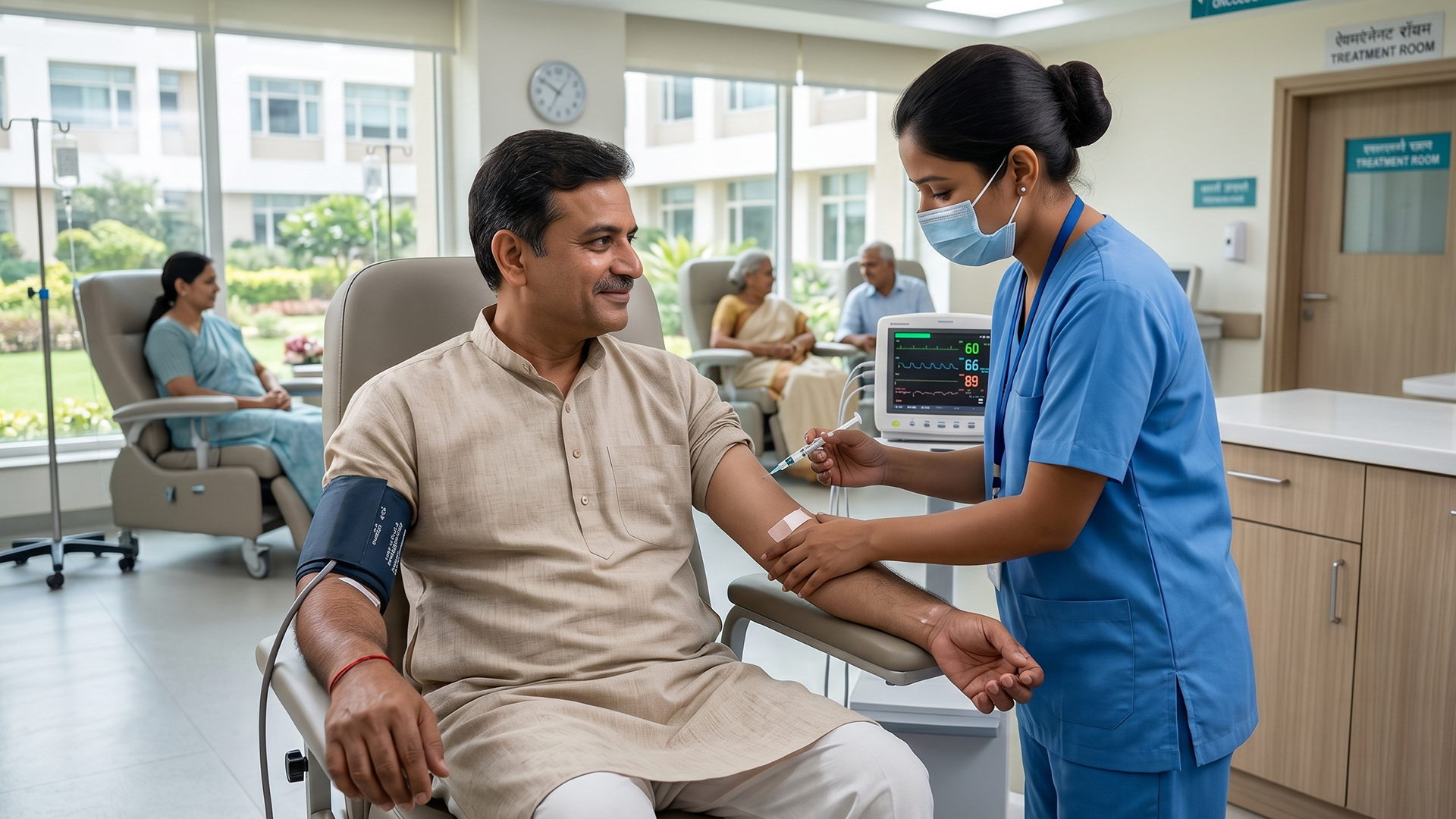
Roche launches 7-minute lung cancer treatment in India
Swiss pharma company Roche has launched a new injection-based lung cancer treatment in India that can be…

Hantavirus cases on cruise ship trigger global health alert
Health authorities across multiple countries are closely monitoring passengers from the cruise ship MV Hondius after several…
Hantavirus scare strikes cruise ship in Atlantic
A cruise meant for exploration turned into a health emergency after a suspected hantavirus outbreak on board…
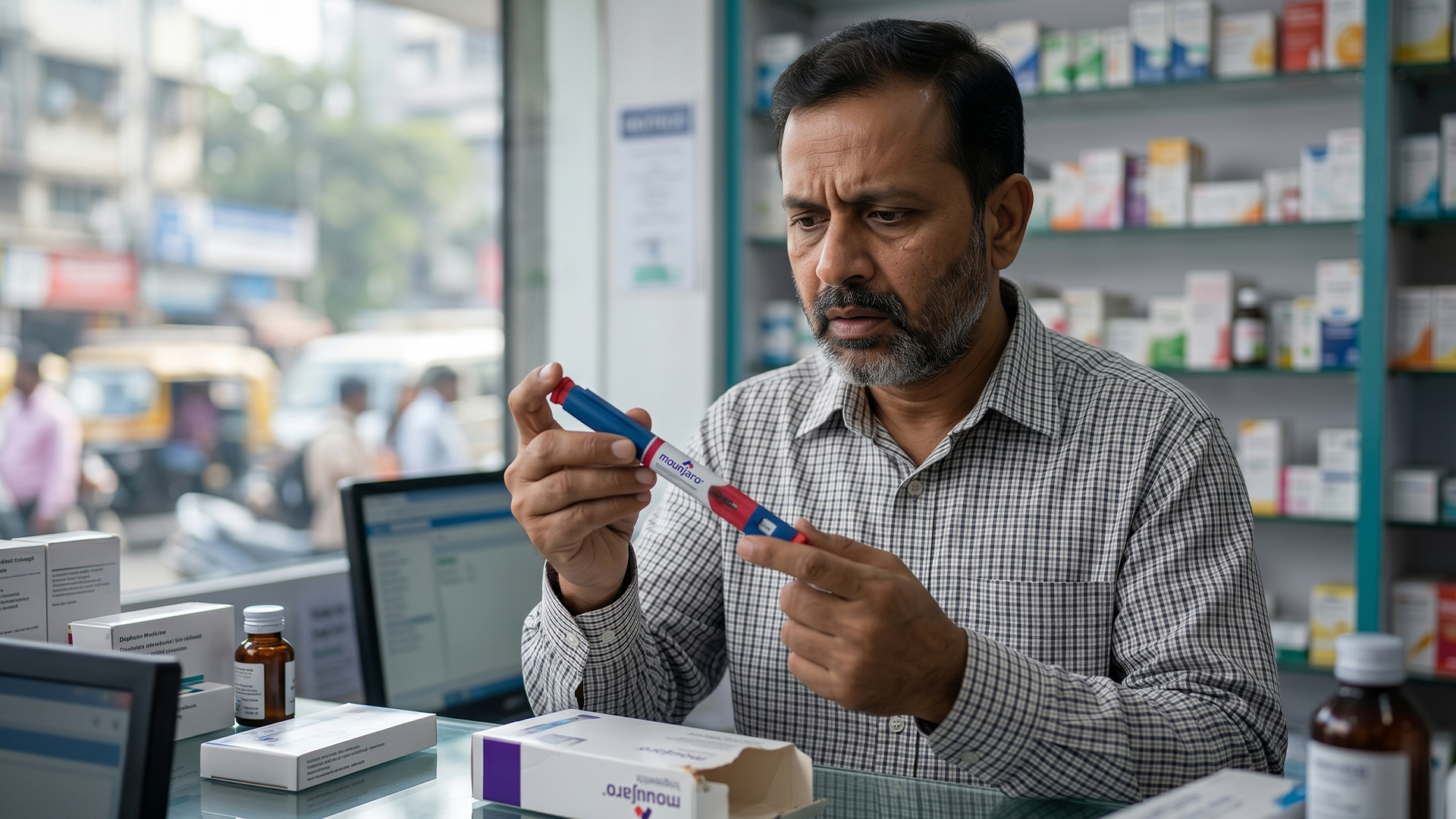
Eli Lilly flags fake Mounjaro sales in India
Eli Lilly has raised an alert in India after fake versions of its diabetes and weight-loss drug…
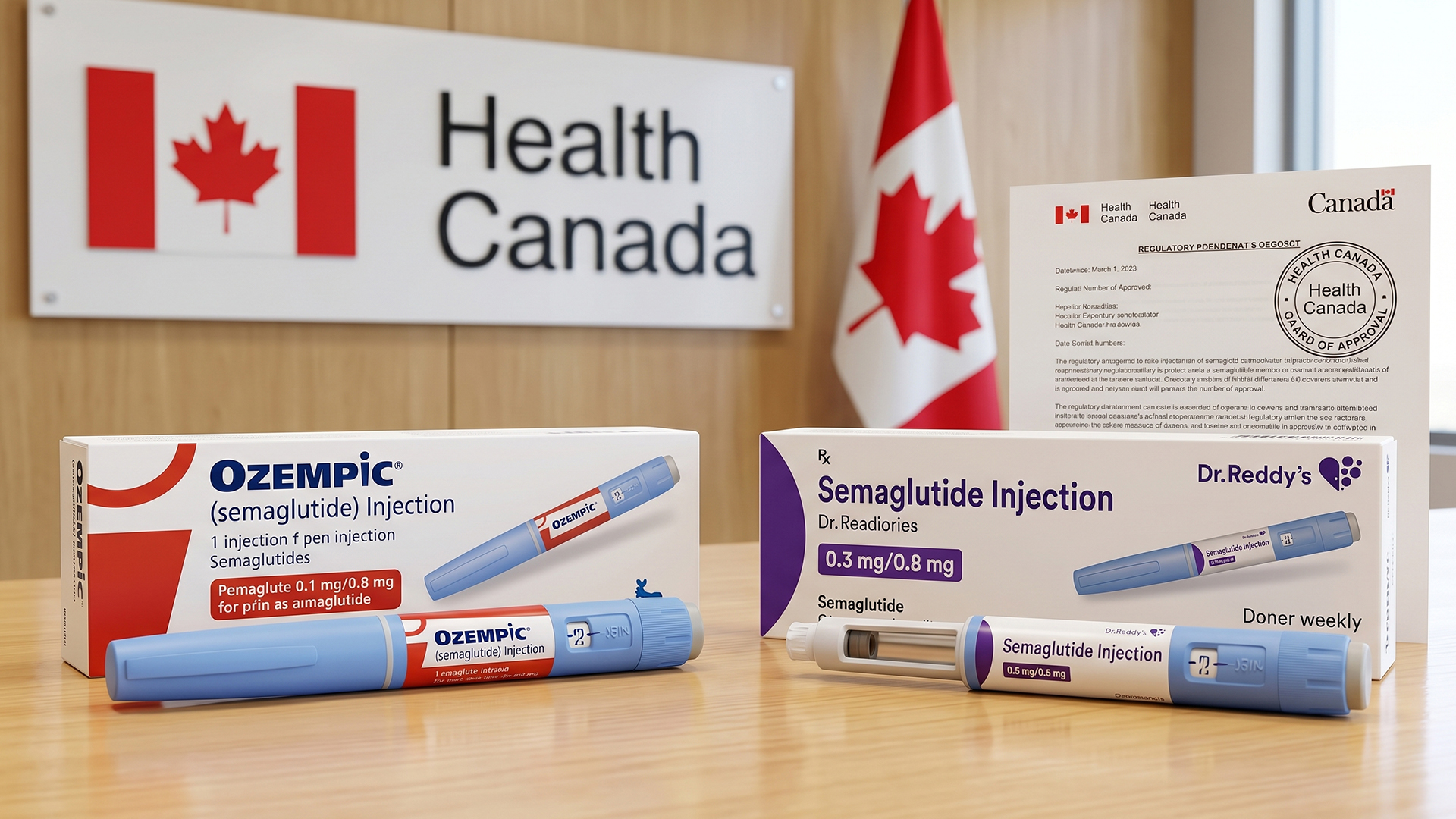
Canada approves first generic Ozempic by Dr Reddy’s
In a move that could make diabetes treatment more affordable, Canada has approved the first generic version…
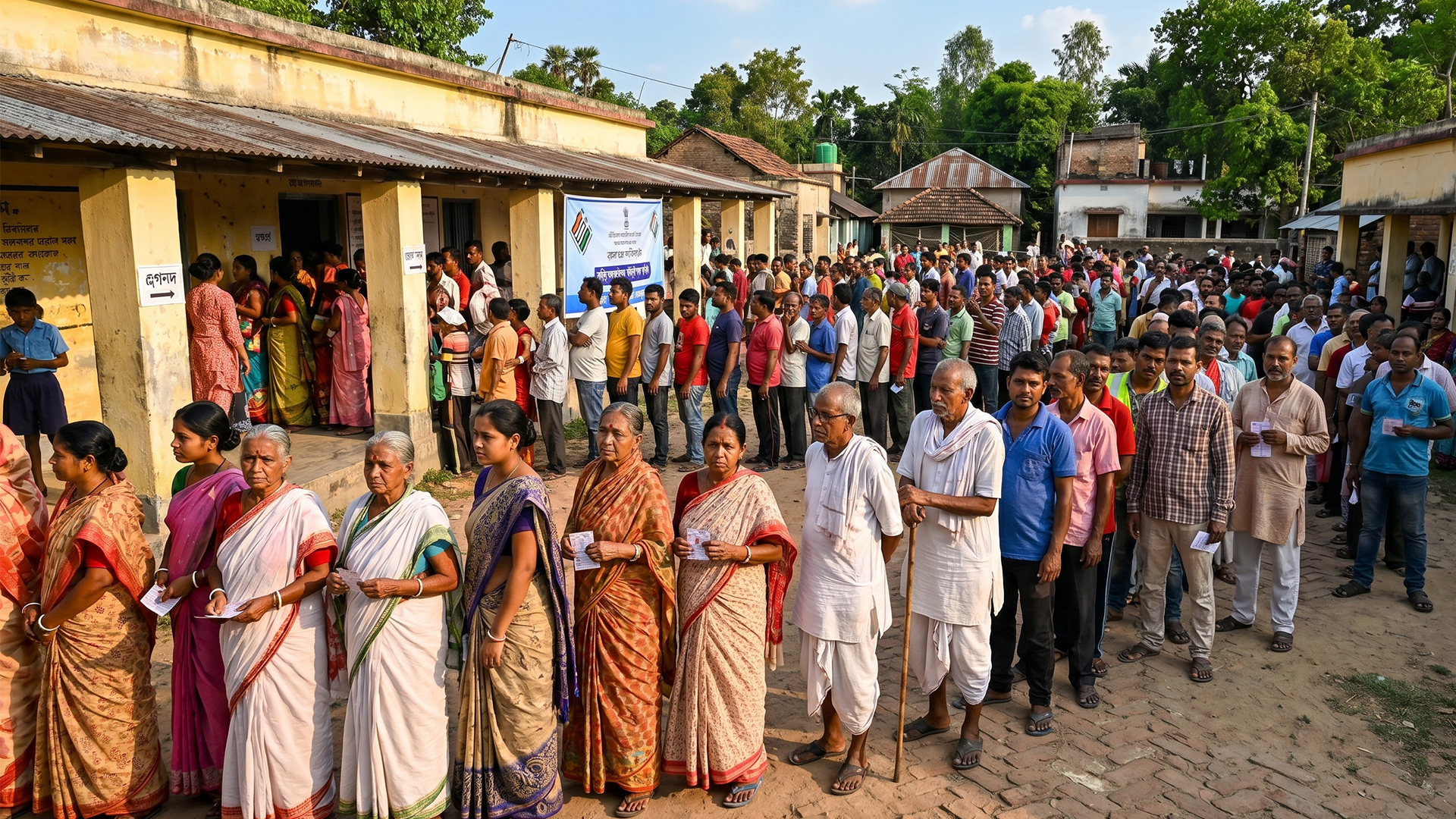
West Bengal sees record 92.4% voter turnout
West Bengal witnessed an impressive turnout of voters in the 2026 Assembly elections, with around 92.4% of…
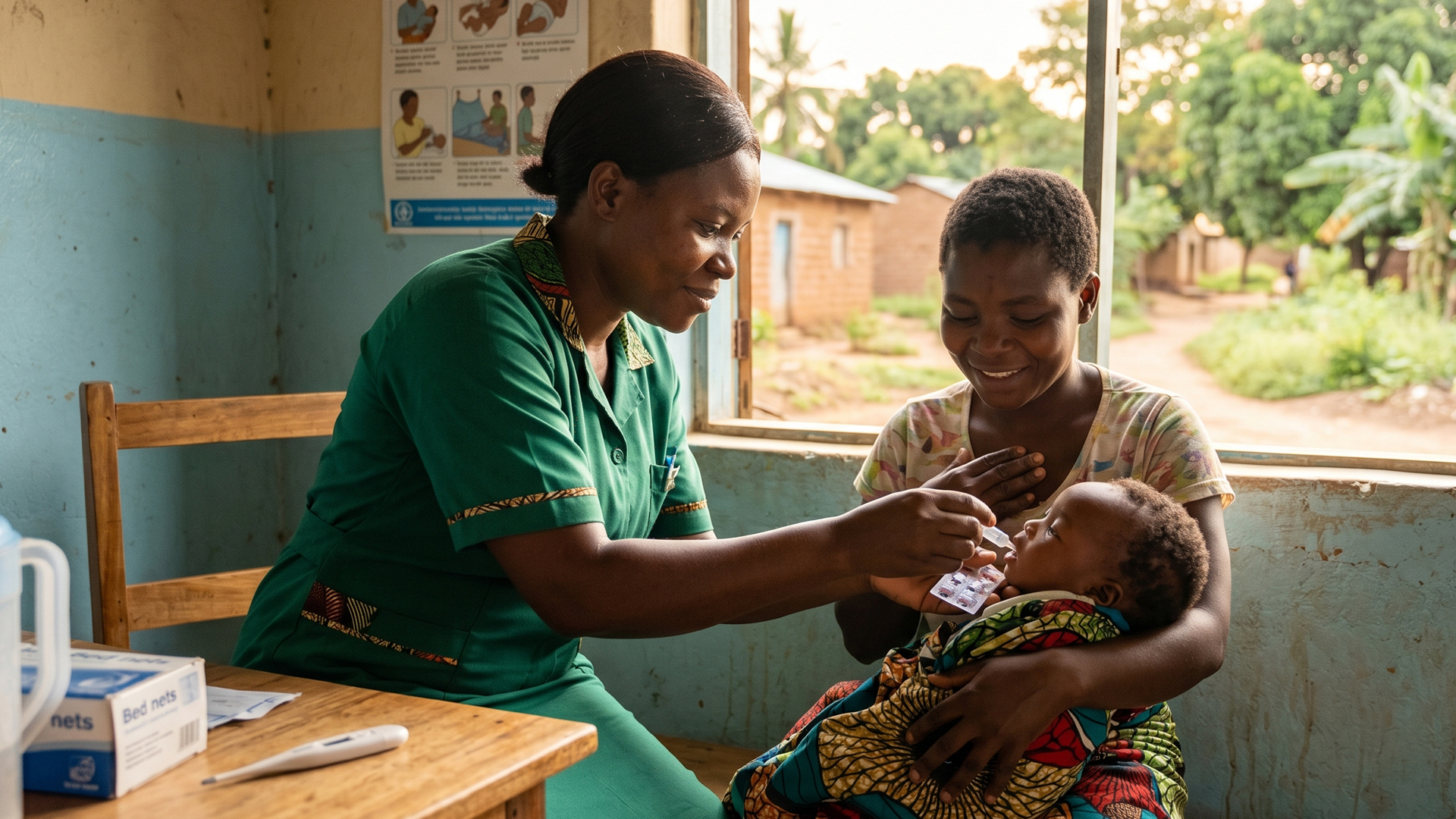
WHO clears first malaria drug for newborns
The World Health Organization (WHO) has approved the first malaria treatment specifically designed for newborns and very…
About This Category
Health News That Goes Beyond the Press Release
Health reporting at its worst is a recycled advisory or a pharmaceutical press release dressed up as news. This section tries to do something different — to cover health developments the way any serious beat deserves: with sourcing, context, and a clear sense of what changed and why it matters.
India's health story is more complicated than most headlines suggest. The same country that has produced a genuine first-of-its-kind antibiotic — Wockhardt's Zaynich, a fully indigenous compound developed against drug-resistant bacteria — is also an Ebola alert away from activating surveillance systems that have been dormant for years. Covering both with the same rigour is the job.
Pharmaceutical Milestones and Drug Policy
India manufactures roughly 20% of the world's generic medicines, but original drug research has historically been thin. That is slowly changing, and this section tracks it. Approvals matter not just as corporate news but as indicators of where India's pharmaceutical R&D is actually going — what disease areas are attracting investment, what regulatory pathways are being used, and what gaps in global medicine supply Indian companies are now positioned to fill.
Outbreak Reporting
When cases appear — Ebola in Bengaluru, Hantavirus on a cruise ship, an El Niño-linked disease surge — this section publishes what is confirmed by health authorities and not what is being speculated on social media. The WHO risk classifications, ICMR advisories, and state health department alerts are the primary sources. Outbreak coverage exists to inform, and the line between informing and alarming is one this section takes seriously.
Research That Changes the Picture
Not every study deserves coverage. The ones that do are those that revise something previously assumed to be settled — like research confirming alcohol is linked to over 20 medical conditions, including several where "moderate drinking" was long considered safe. Or findings on toxin accumulation in high-puff vapes, a product category that arrived in the market faster than the science around it. These stories are covered when the evidence base is strong, not when the headline is convenient.
Climate as a Health Issue
El Niño isn't just a weather event. It is a driver of vector-borne disease spread, food and water insecurity, and heat-related illness at a population scale. The UN's warnings on the current cycle belong in health coverage because that is where their consequences will eventually be felt — in hospital admission rates, in outbreak risk maps, in mortality data for vulnerable populations. This section covers climate-health links not as opinion but as epidemiology.
The Health section does not give medical advice. It reports health news — accurately, quickly, and without institutional cheerleading for any government body, pharmaceutical company, or health authority.
Frequently Asked Questions
Q1. What does the Health section at The Summary cover?
Pharmaceutical approvals, disease outbreaks, WHO and government health advisories, peer-reviewed research with clear public health implications, and the climate and environmental developments that drive disease risk. The coverage spans India-specific stories and global events where the consequences eventually reach Indian readers.
Q2. Does The Summary cover global outbreaks even when they haven't reached India?
Yes, when WHO has formally classified the risk or when the outbreak trajectory makes spread plausible. The Congo Ebola outbreak was covered before the Bengaluru alert — because the international picture is how editors and readers alike should be tracking the timeline, not just reacting once a case arrives domestically.
Q3. How does The Summary handle pharmaceutical news — isn't that just corporate coverage?
Drug approvals are covered for what they mean clinically and for public health, not as company milestones. Zaynich's approval was reported in the context of antimicrobial resistance — a global health crisis — not as a Wockhardt earnings story. Where a drug matters, the coverage explains why. Where it doesn't, it isn't covered.
Q4. Does the section cover lifestyle health or wellness content?
No. Research findings are covered when they carry genuine clinical or public health significance — not because they're trending. There are no diet tips, fitness advice, or wellness features here. Readers looking for that content are on the wrong page; readers looking for what the science actually says are in the right place.
Q5. How fast does The Summary publish during a health emergency?
Stories go up as confirmed information becomes available from official sources. During the Bengaluru Ebola alert, for instance, the priority was publishing what health authorities actually confirmed — not racing to be first with a worst-case interpretation. Speed matters, but not more than accuracy on a story where public anxiety can cause real harm.
Q6. Is the health reporting accessible to non-medical readers?
Yes, consistently. Technical terms are defined on first use, clinical findings are explained in plain language, and regulatory or governmental processes are given context. The goal is a reader who knows nothing about antimicrobial resistance leaving a story on Zaynich understanding exactly why it matters — without the reporting being dumbed down for them.