
National
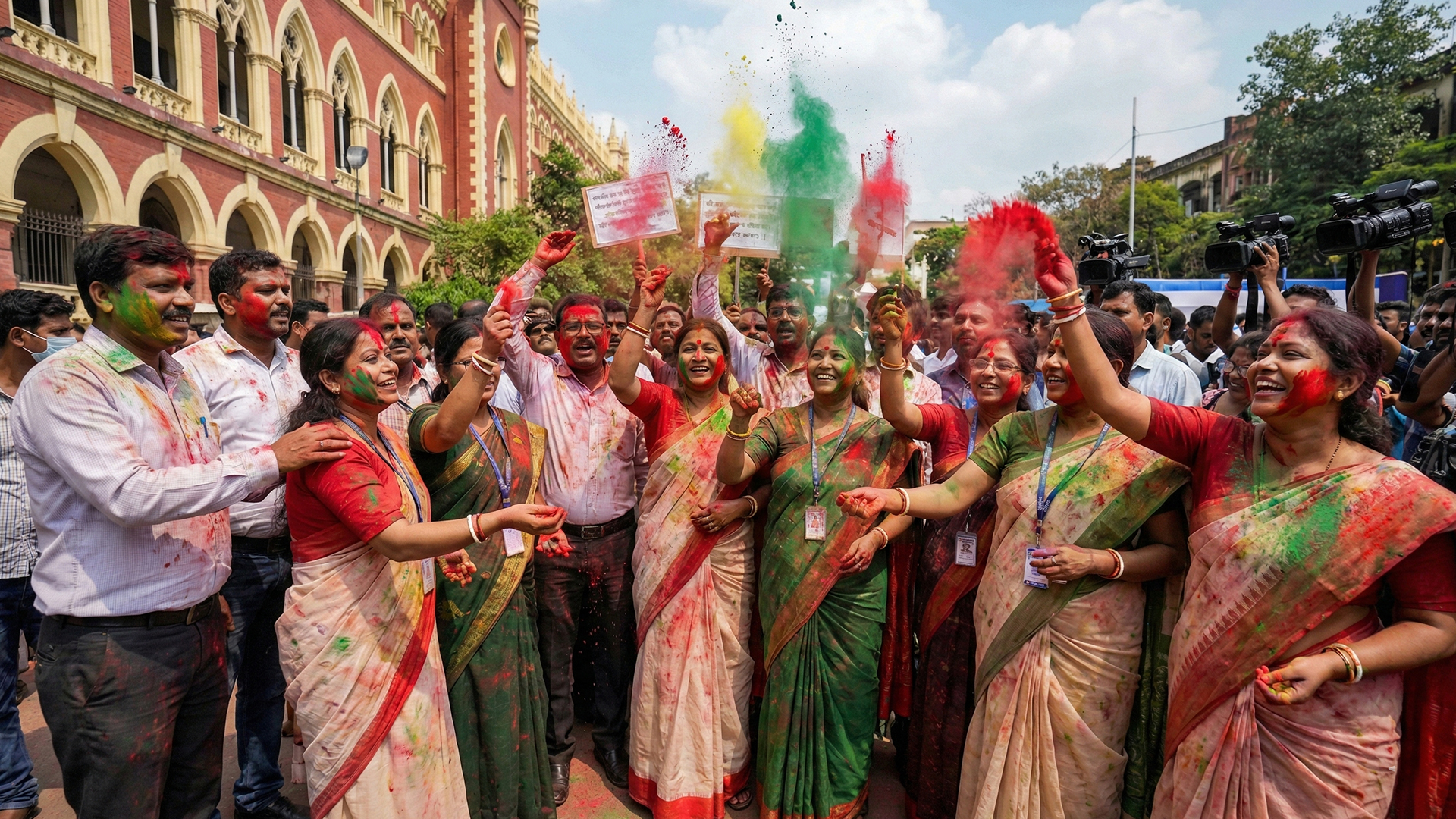
Calcutta HC restores jobs of 32,000 primary teachers
The Calcutta High Court has quashed a 2023 order that had cancelled the appointments of nearly 32,000…
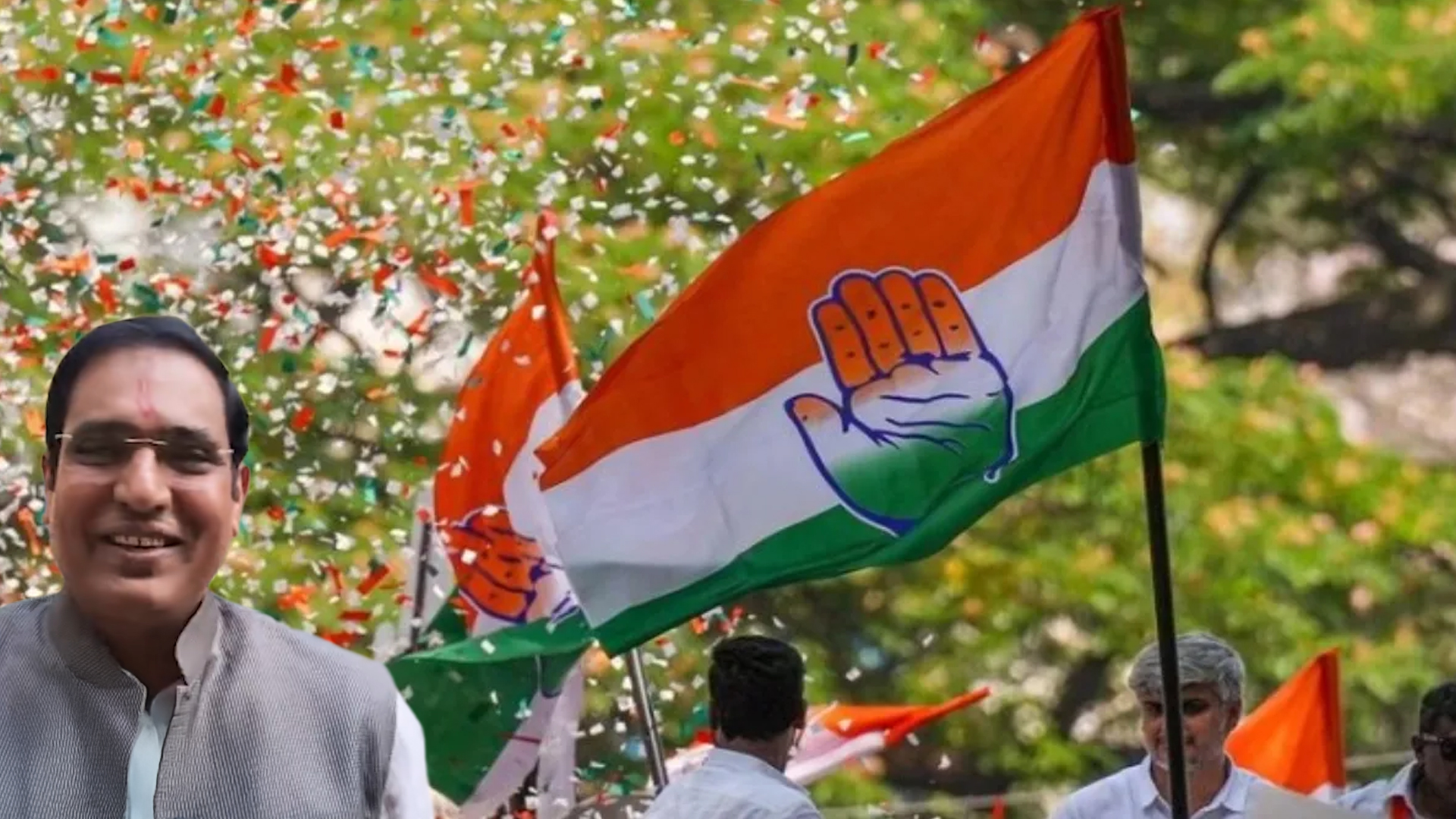
BJP dominates Delhi bypolls, AAP weakens
The results of the 12 Municipal Corporation of Delhi (MCD) by-elections have given the Bharatiya Janata Party…
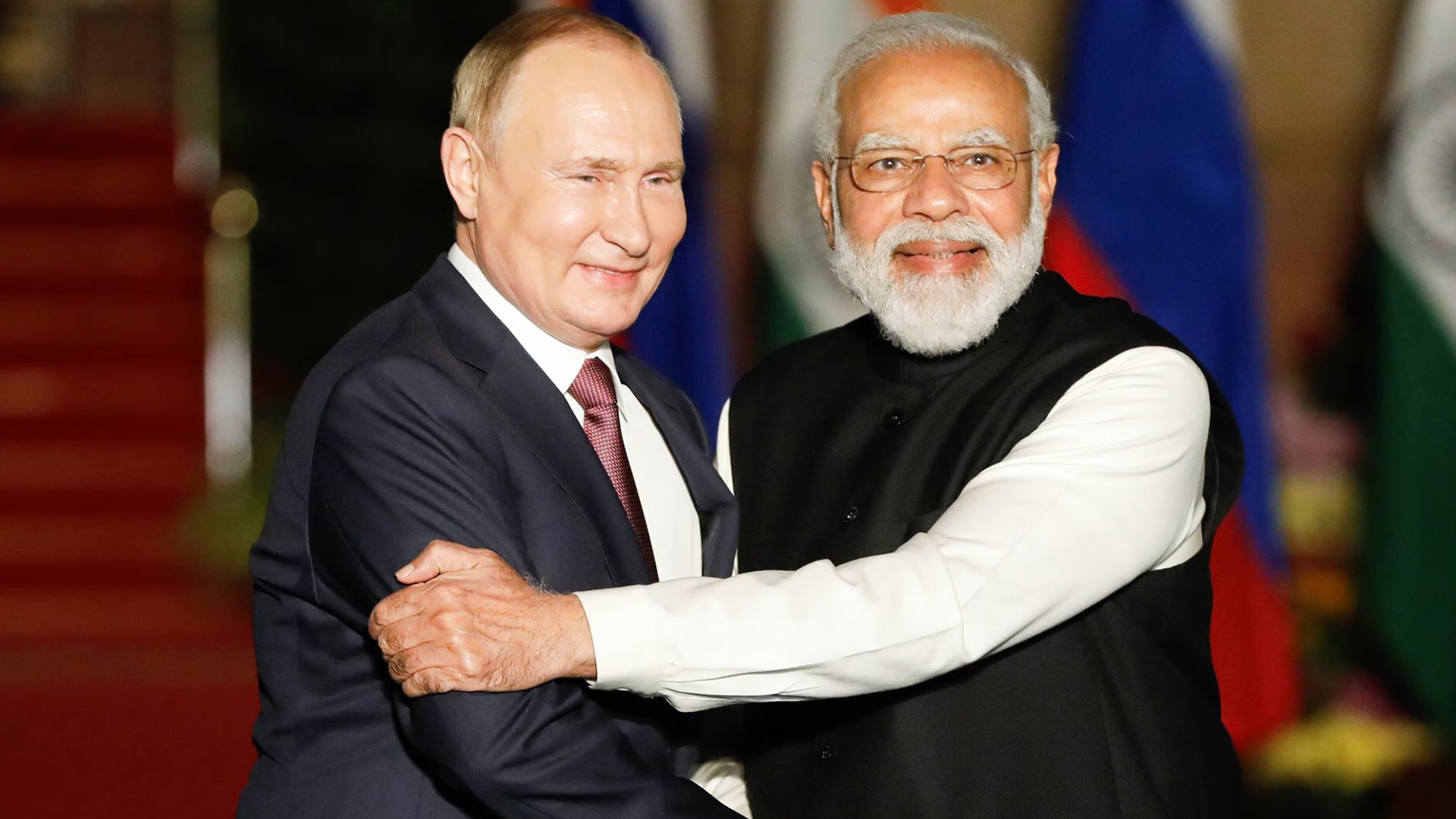
Vladimir Putin arrives in India, strategic ties deepen
Russian President Vladimir Putin arrived in New Delhi today for a two-day state visit at the invitation…
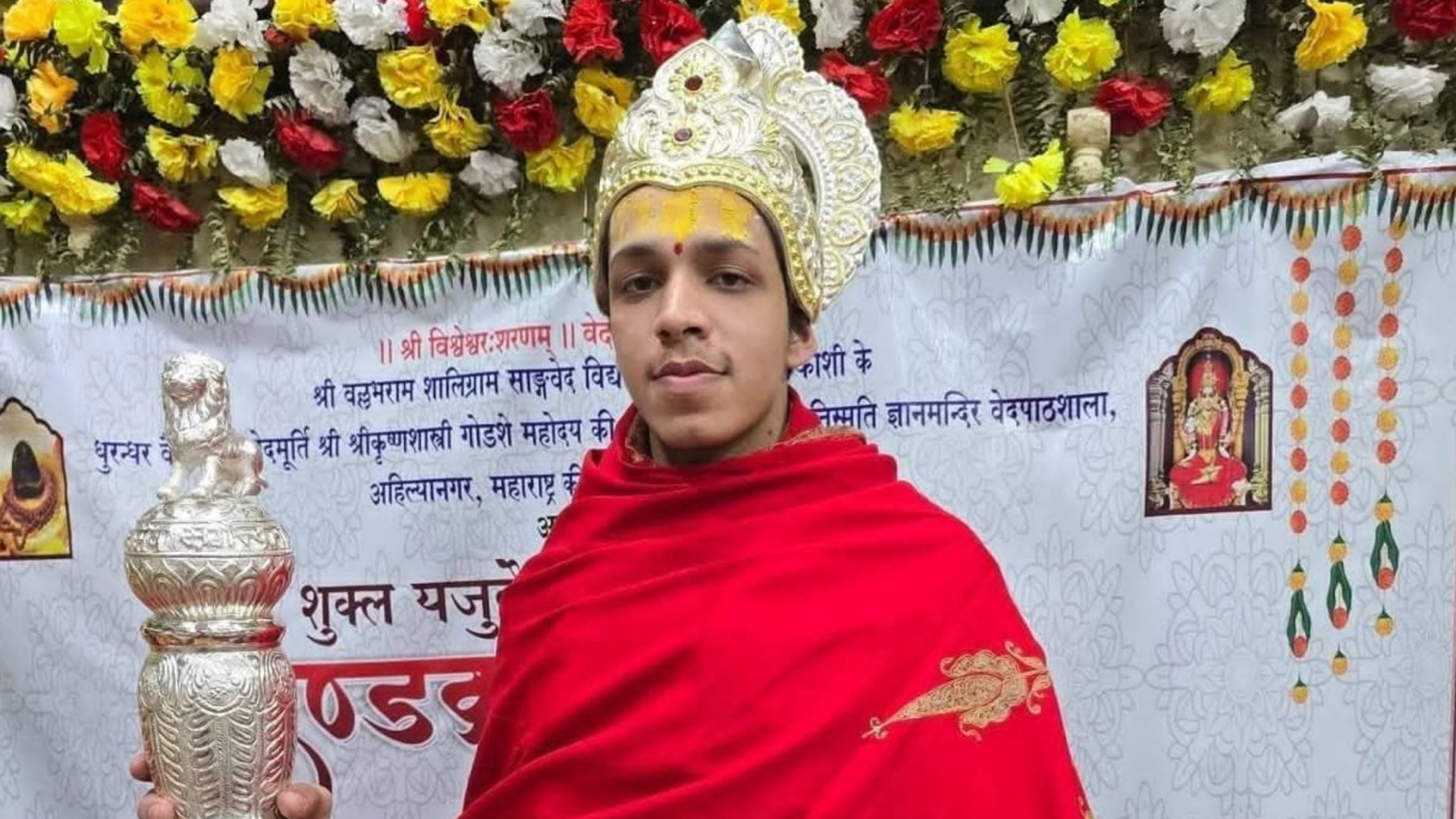
Teen scholar revives 200 year-old vedic chant
At just 19, Vedamurti Devavrat Mahesh Rekhe from Kashi (Varanasi) has made history by completing one of…
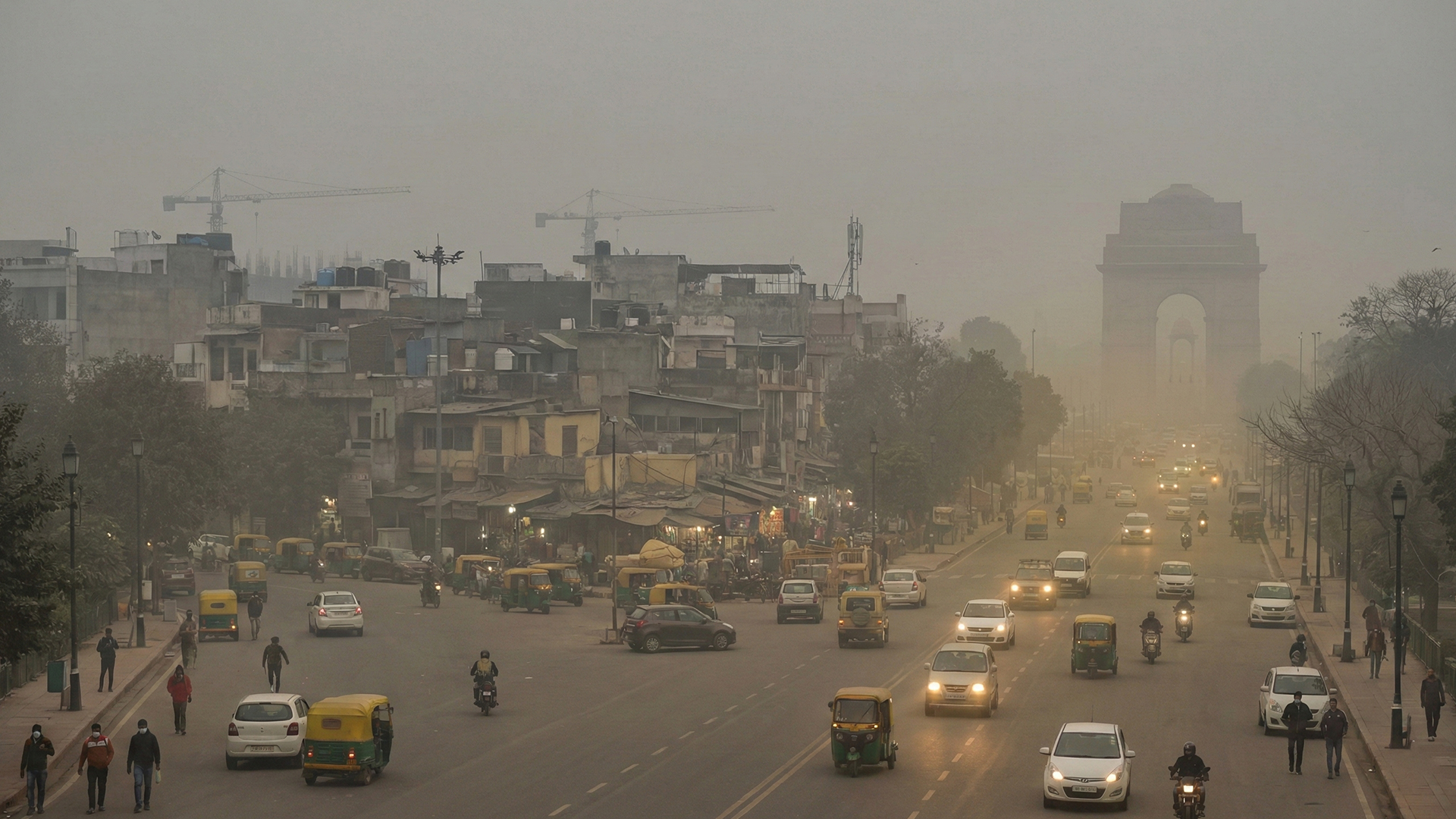
Delhi smog worsens, AQI hits 400+
Delhi’s air quality deteriorated sharply on Wednesday as a dense haze blanketed the city, pushing pollution levels…
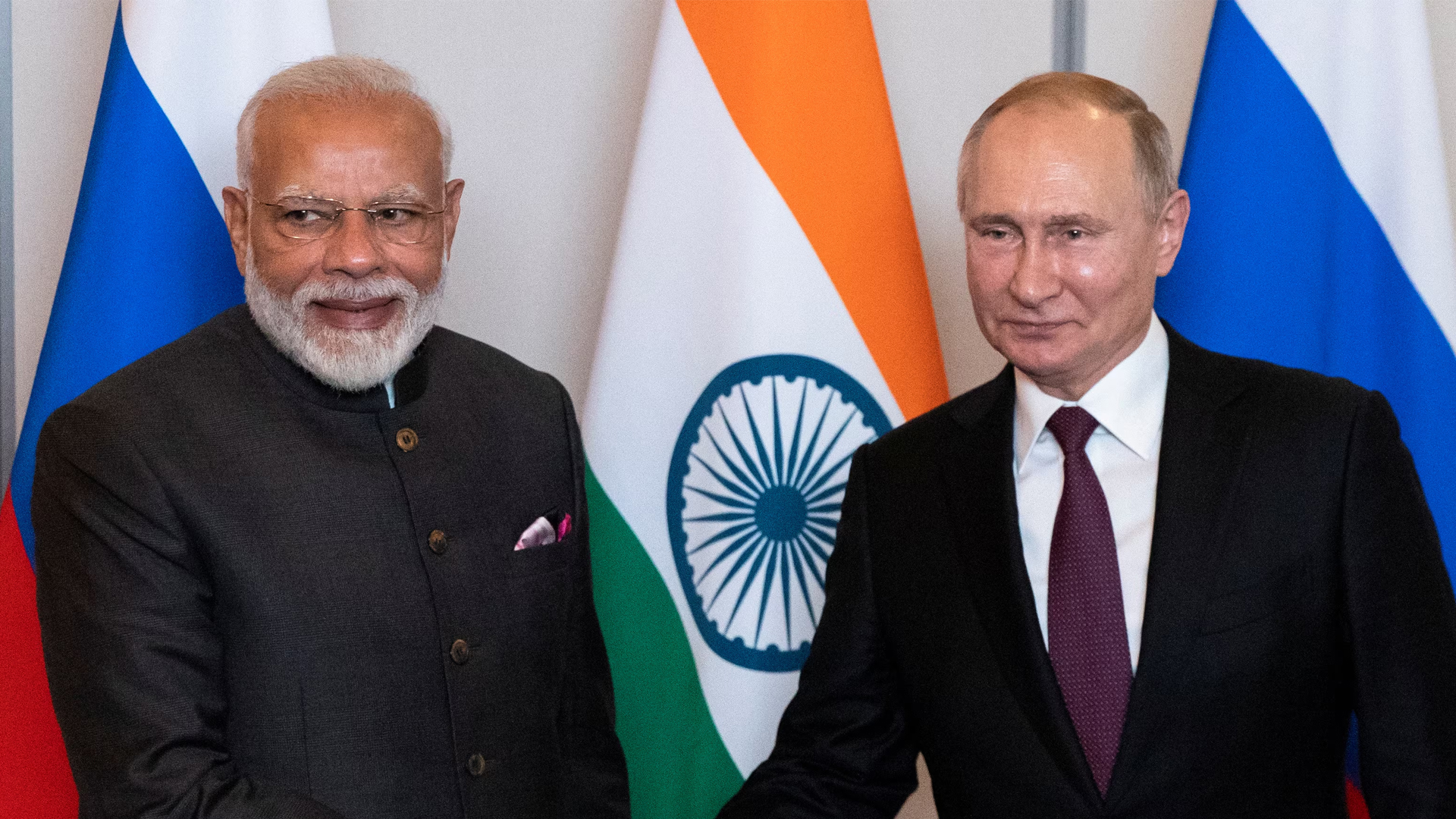
Defence, trade, energy top agenda at Modi-Putin meet
President Vladimir Putin arrives in India on 4–5 December 2025 for a high-profile summit with Prime Minister…
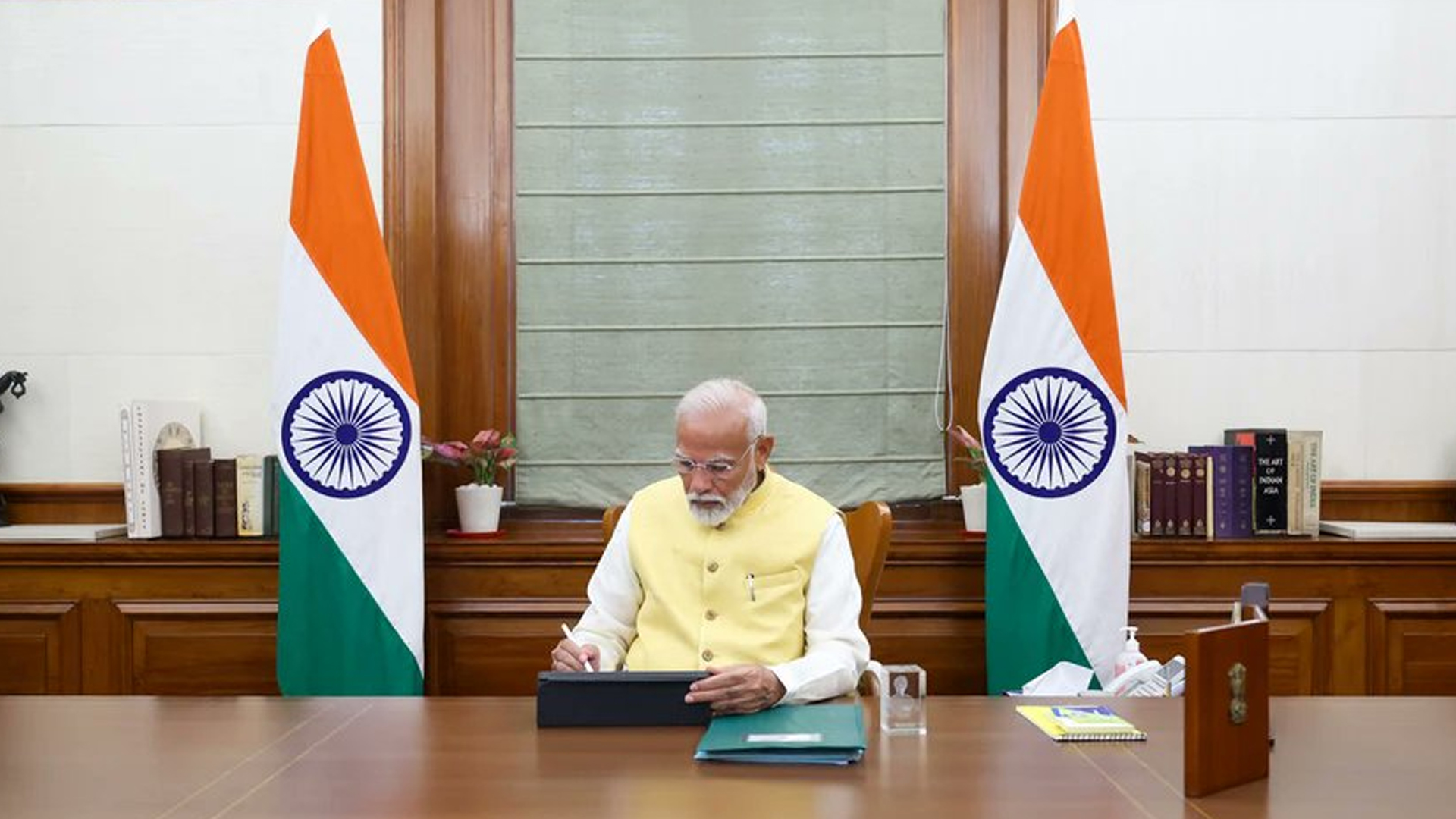
PMO’s new complex named “Seva Teerth”
In a move that blends tradition with modern governance, the new Prime Minister’s Office (PMO) complex in…
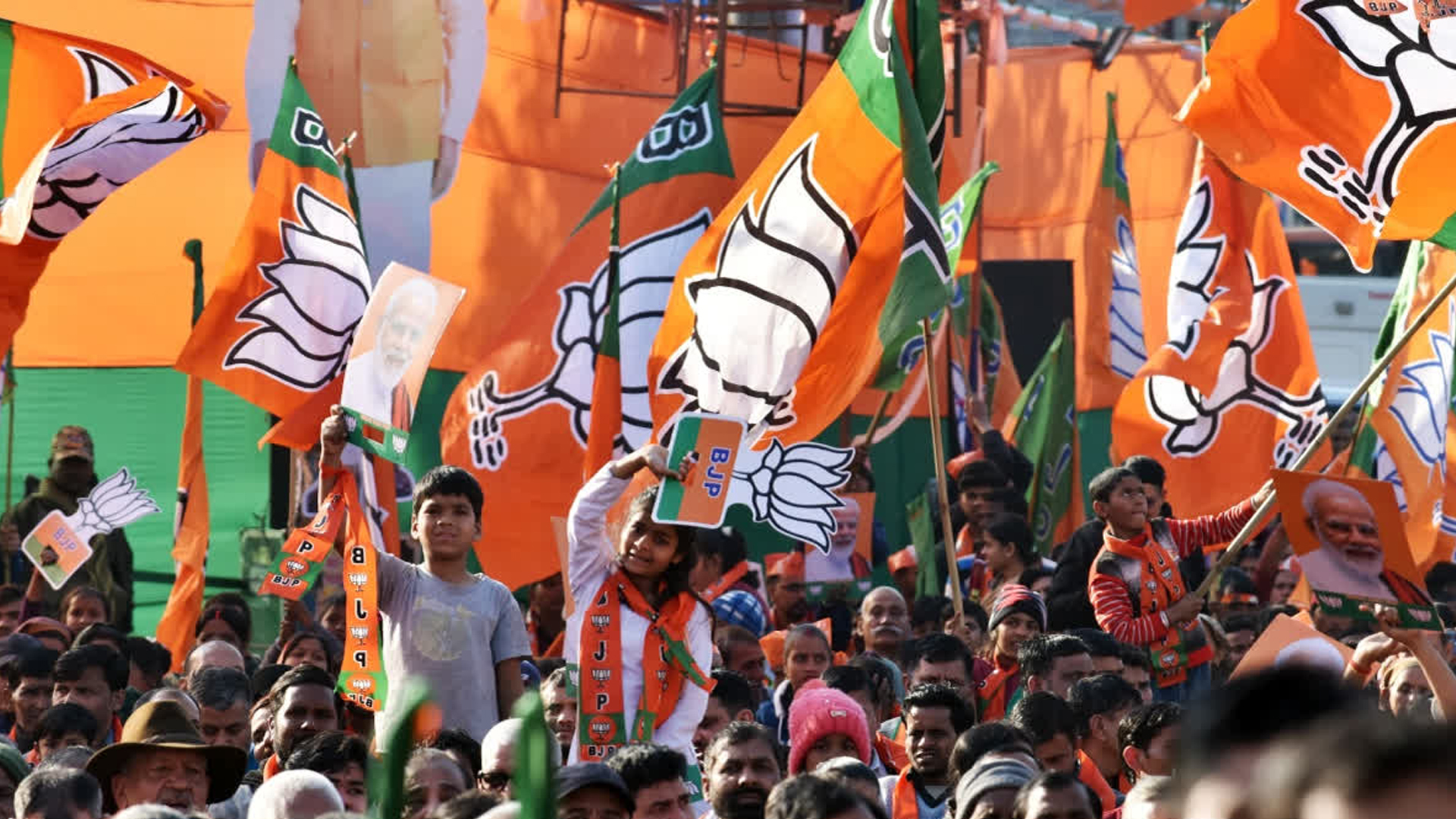
BJP wins 7 of 12 Delhi civic bypolls
The Municipal Corporation of Delhi (MCD) by-elections were held on November 30, 2025, to fill 12 vacant…
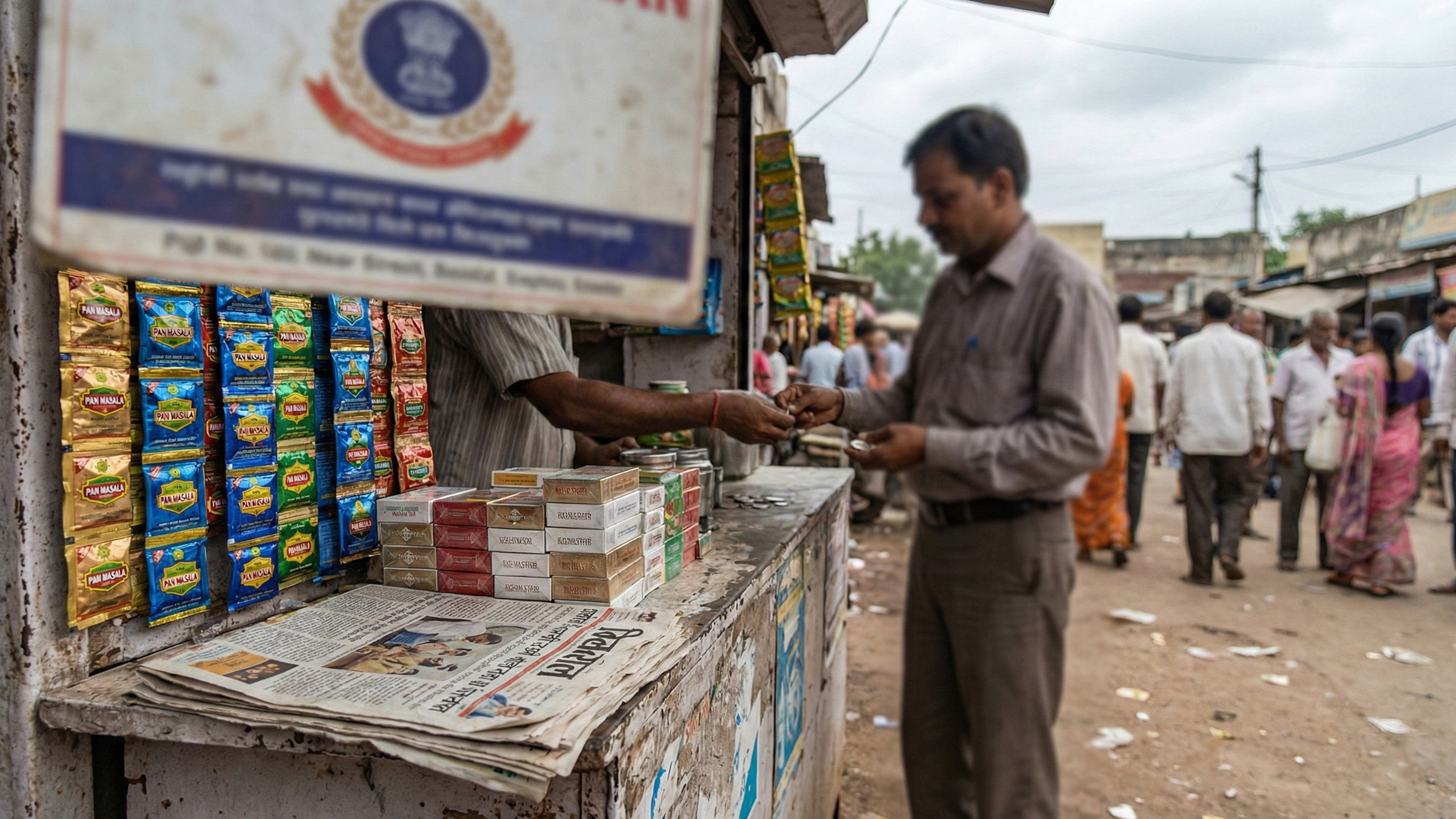
Centre moves bills to retain tobacco, pan masala taxes
The government has introduced two bills in the Lok Sabha to continue high taxation on tobacco and…
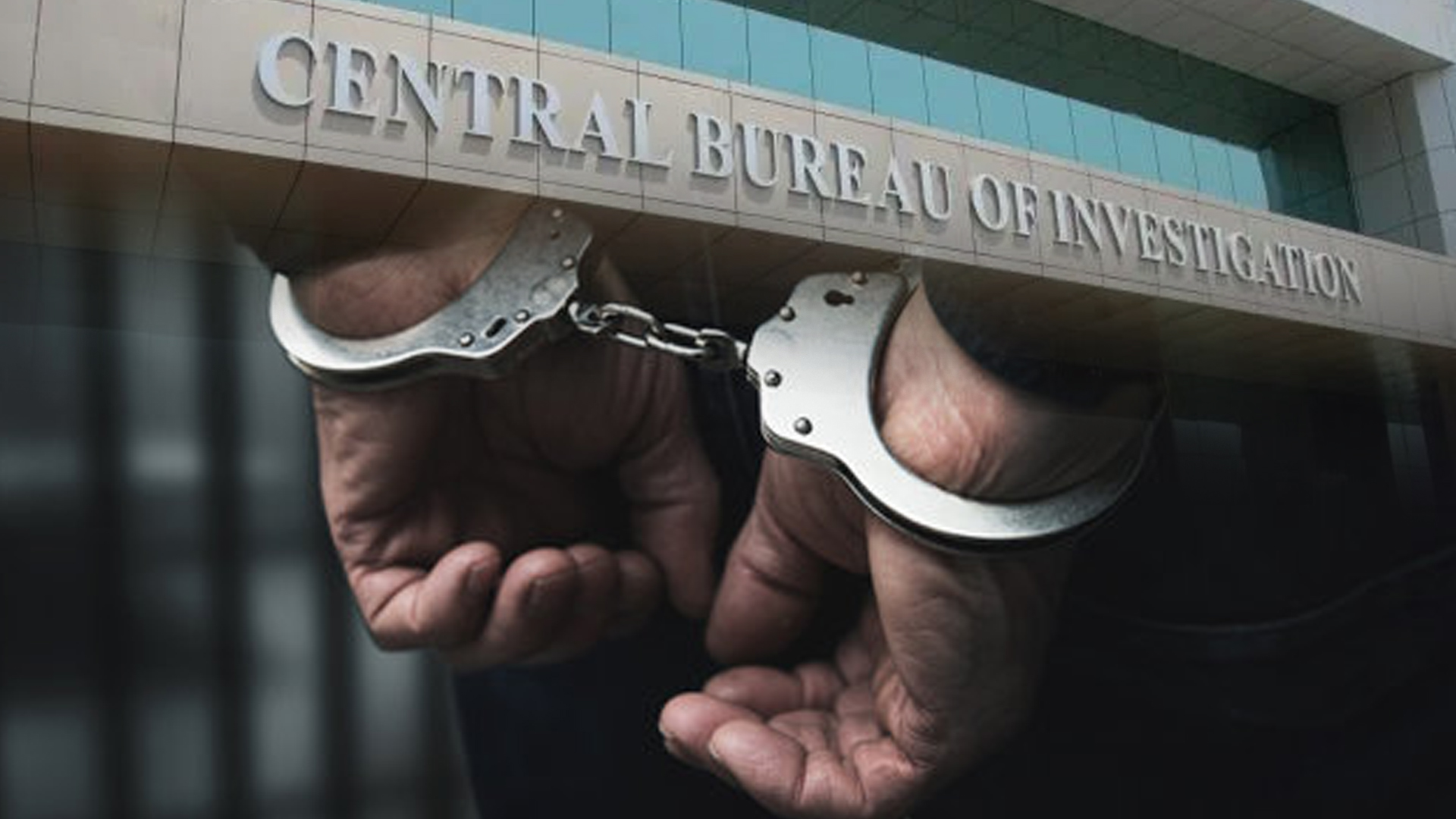
Srinagar arrest revives Rubaiya Sayeed case
A man who had been missing from the country’s radar for more than three decades has finally…
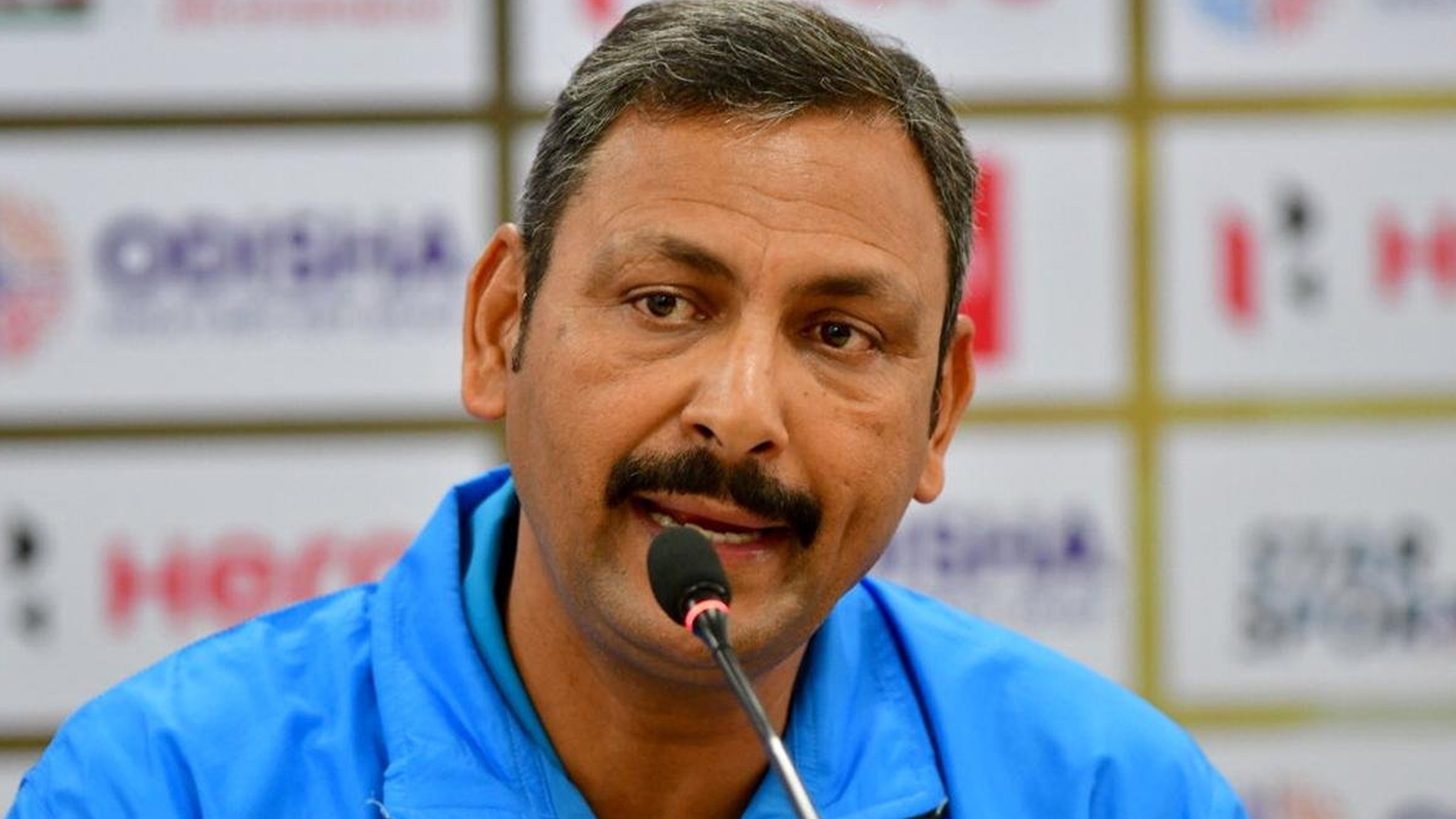
Harendra Singh resigns as India Women’s hockey coach
In a surprising development, Harendra Singh has resigned as head coach of the Indian women’s national hockey…
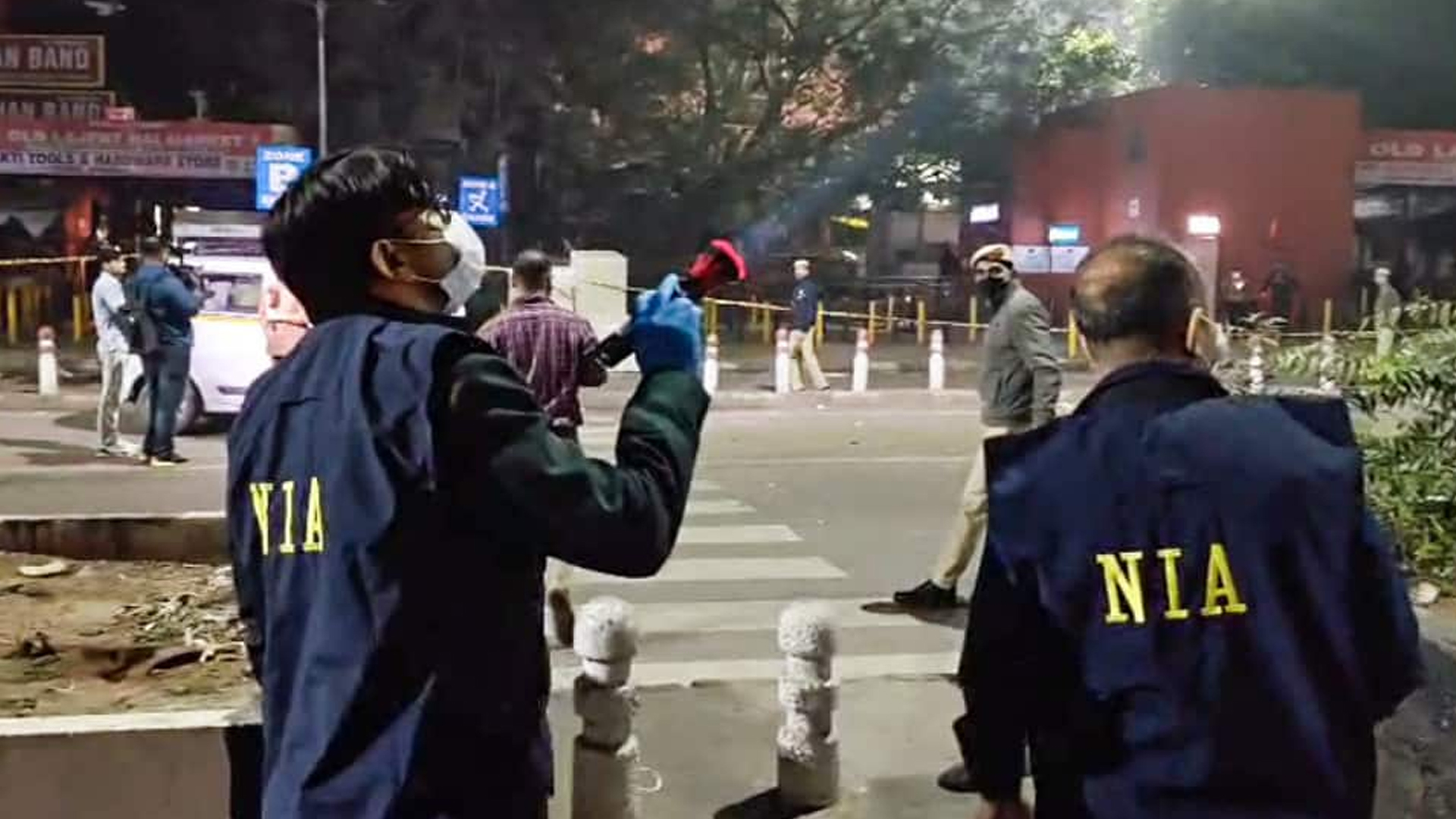
NIA raids eight Kashmir sites in car blast probe
The National Investigation Agency (NIA) on Monday carried out coordinated raids at eight locations across South Kashmir…
About This Category
India, Reported Without the Filter
National news in India is vast and frequently contradictory. On any given day, you might have a political defection story running alongside an industrial disaster, a court case involving a coaching industry celebrity, and a civil society protest over housing demolitions. The National section at The Summary covers all of it — not as a wire feed, but as edited journalism that picks what matters and explains why.
The country is too large and too varied for any single editorial lens to do it justice. This section doesn't try to impose one. What it does insist on is accuracy, sourcing, and a consistent refusal to amplify rumour before it's confirmed.
Politics and Political Realignments
Indian politics moves in ways that confound simple narratives. The TMC's internal fractures — MPs meeting BJP ministers in Delhi while officially remaining part of the opposition — are as much a story about post-poll pressures as they are about any individual defection. The INDIA Bloc's post-election talks reflect a coalition still working out what it is. These are complex stories, and they're covered with the complexity they deserve rather than flattened into horse-race framing.
Governance, Civic Failures, and Public Safety
The Vizag Steel Plant blast, the Dadar BEST bus accident, and the storm damage at Delhi airport are all, at some level, governance stories. Industrial safety lapses, urban transport failures, and airport infrastructure vulnerabilities don't happen in isolation from the policy and regulatory environment around them. Reporting them as isolated incidents misses the point. This section doesn't.
Internet shutdowns in Jaipur during an anti-encroachment drive sit in the same frame — administrative decisions with direct civil liberties consequences that deserve factual, unvarnished reporting rather than institutional spin.
Education and Institutional Integrity
The NEET controversy has been one of India's biggest institutional stories in recent years. Isolating paper setters until exam day is a response to documented leaks and public pressure — and it raises legitimate questions about how India runs its highest-stakes examinations. Khan Sir's appearance in a criminal case connected to a coaching centre in Patna is part of a larger story about an unregulated, high-stakes coaching industry that millions of students depend on.
These education stories matter beyond the exam season. They're about institutional trust, and whether the systems meant to create opportunity are actually functioning.
Civil Society and Protest
The CJP's protest at Jantar Mantar represents a category of national news that often gets buried — organised civil society pushing back on policy through legitimate, visible means. These stories are covered factually: who protested, over what, and what response if any it produced.
Frequently Asked Questions
Q1. What does the National section cover?
Politics, governance, civic and industrial incidents, education policy, law enforcement, civil society, and major human interest stories from across India. The coverage is broad by design — national news doesn't respect category boundaries, and this section reflects that range without losing editorial judgement about what actually warrants coverage.
Q2. How does The Summary cover political stories without taking sides?
The focus is on facts and consequences — what happened, what changed, who said what on record. The TMC-BJP meeting story, for instance, was covered for what it reveals about political realignment pressures, not to score points for either party. Readers can draw their own conclusions from accurate reporting.
Q3. Does The Summary cover stories from smaller cities and states, not just Delhi and Mumbai?
Yes. The Jaipur internet shutdown, the Vizag steel plant blast, and the Patna coaching centre case are all examples of stories from outside the metro media circuit that received full coverage here. National doesn't mean Delhi-centric in this section.
Q4. How does The Summary handle sensitive stories like accidents and disasters?
With accuracy and restraint. In the Vizag Steel Plant blast, coverage was based on official confirmation of casualties, eyewitness accounts, and plant authority statements — not on early, unverified social media reports. The goal is to be useful to readers who need facts, not to be first with an inflated count.
Q5. Does this section cover protests and civil society movements?
Yes, as news. When organised groups stage demonstrations at designated public spaces over documented grievances — as the CJP did at Jantar Mantar — the story is covered factually. The Summary doesn't editorially endorse protest positions, but it does report on them as legitimate political and social events.
Q6. How is the National section different from the World News or Opinion sections?
National covers events and developments within India's borders. Opinion pieces about those same events — analytical or argumentative takes — live in the Opinion section. International stories, even those with strong India angles, sit in World News unless the primary event occurred on Indian soil. The sections are editorially distinct, even when the stories are connected.