
Space
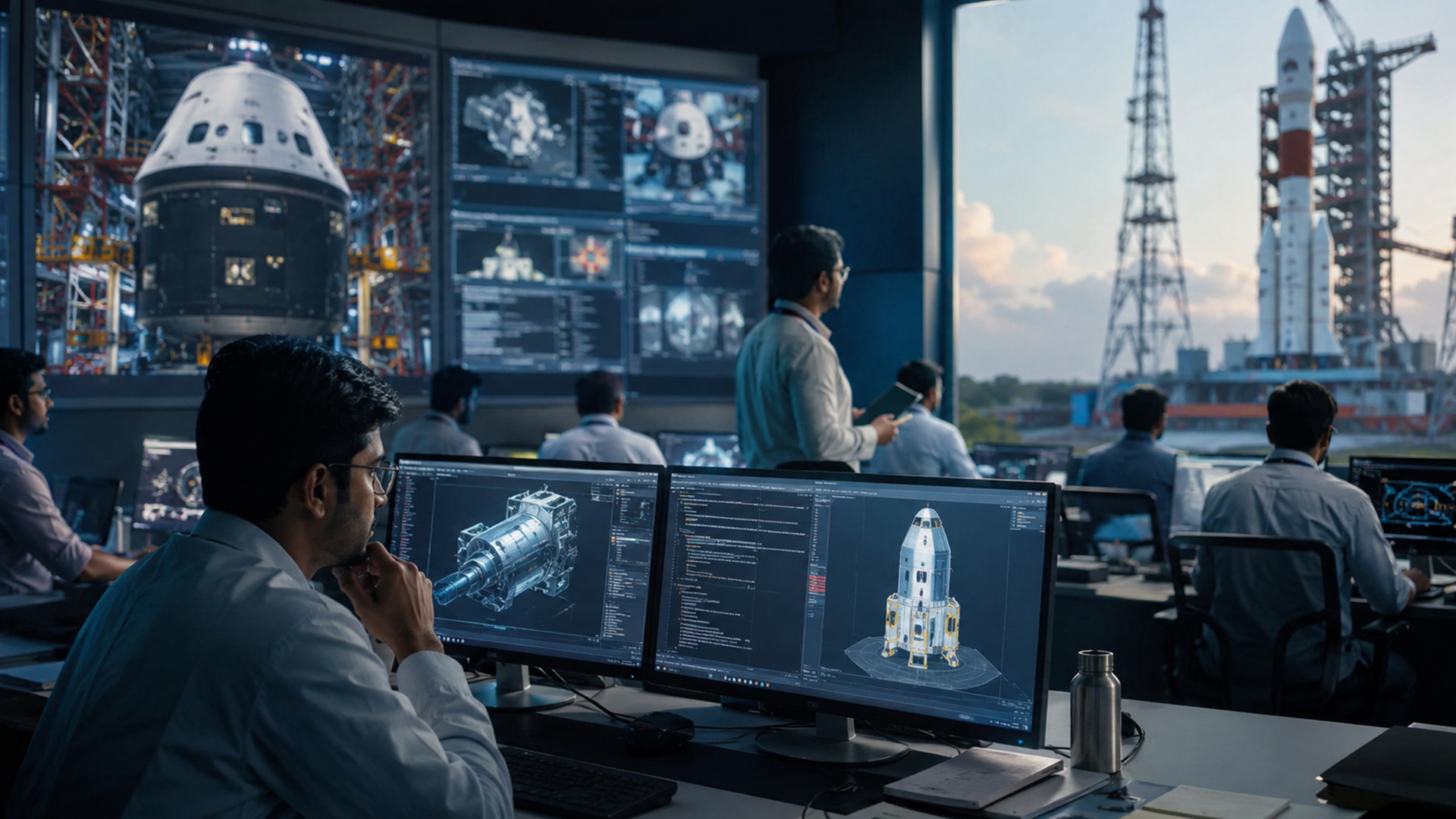
ISRO acts to stem scientist exodus from key missions
The Indian Space Research Organisation (ISRO) has introduced new measures to reduce the growing number of scientists…
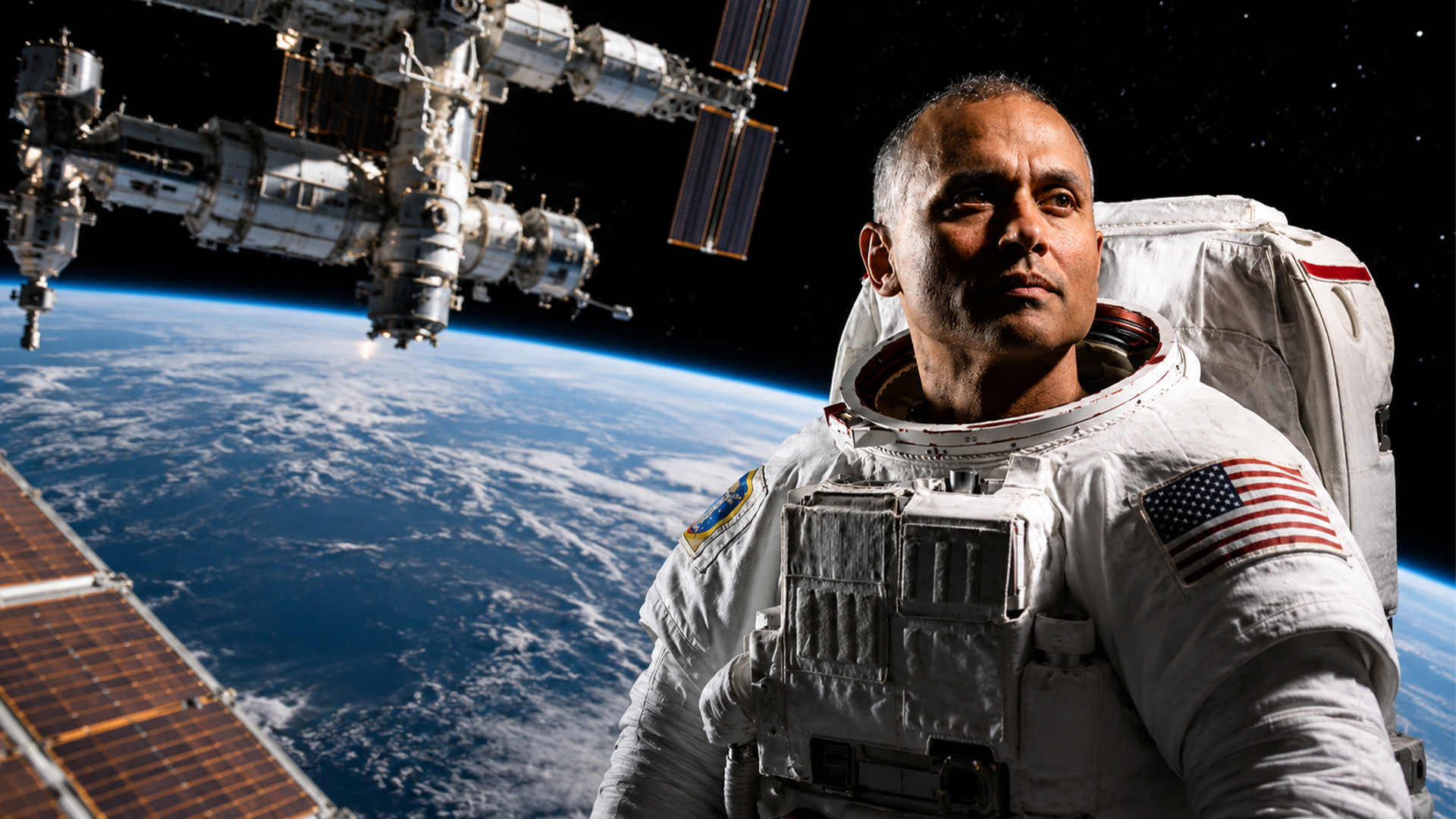
Anil Menon begins International Space Station mission
NASA astronaut Anil Menon has reached the International Space Station (ISS), beginning his first mission in space.…
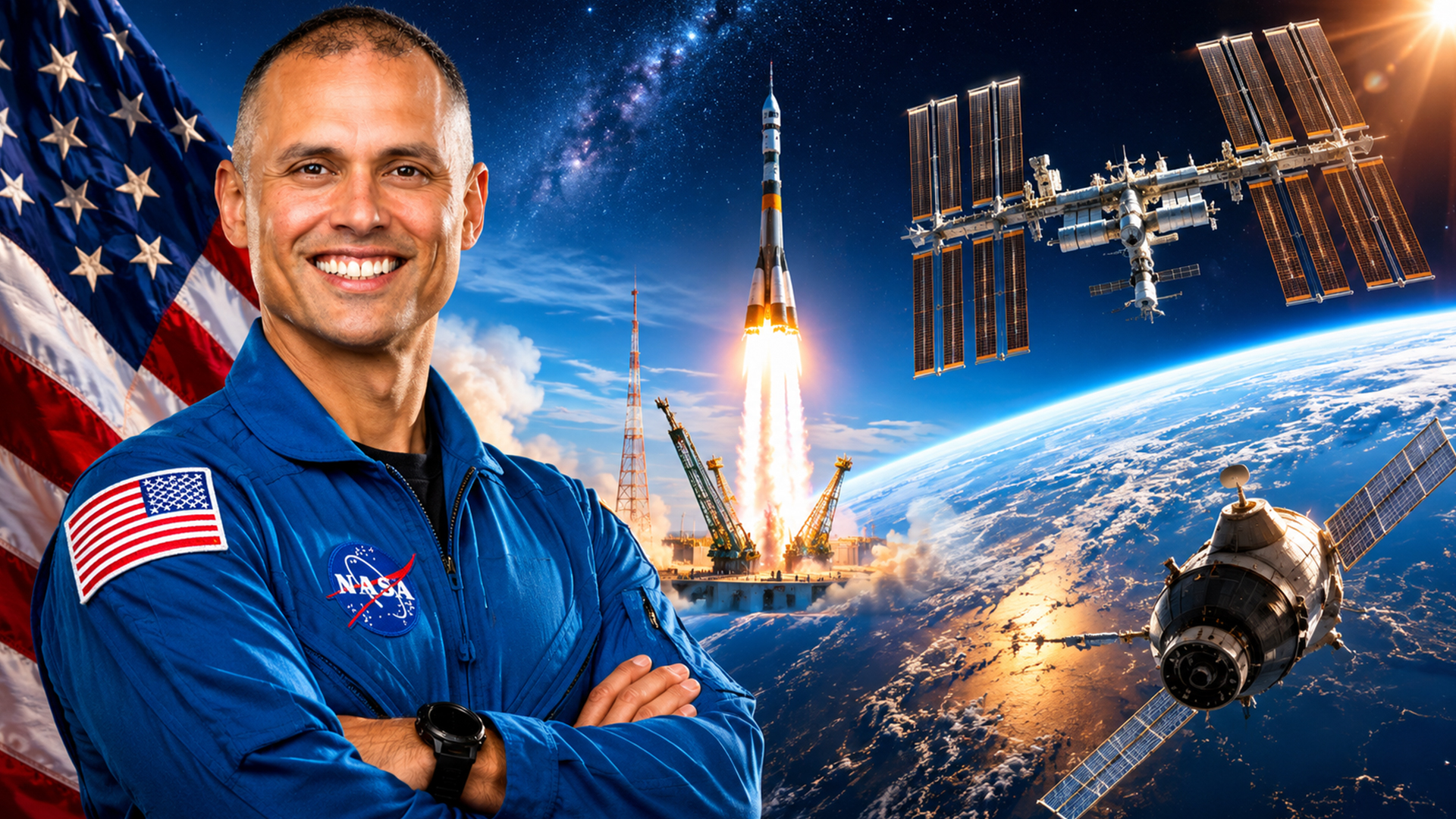
Anil Menon set for ISS mission on July 14
Indian-origin NASA astronaut Anil Menon is set to embark on his first mission to the International Space…
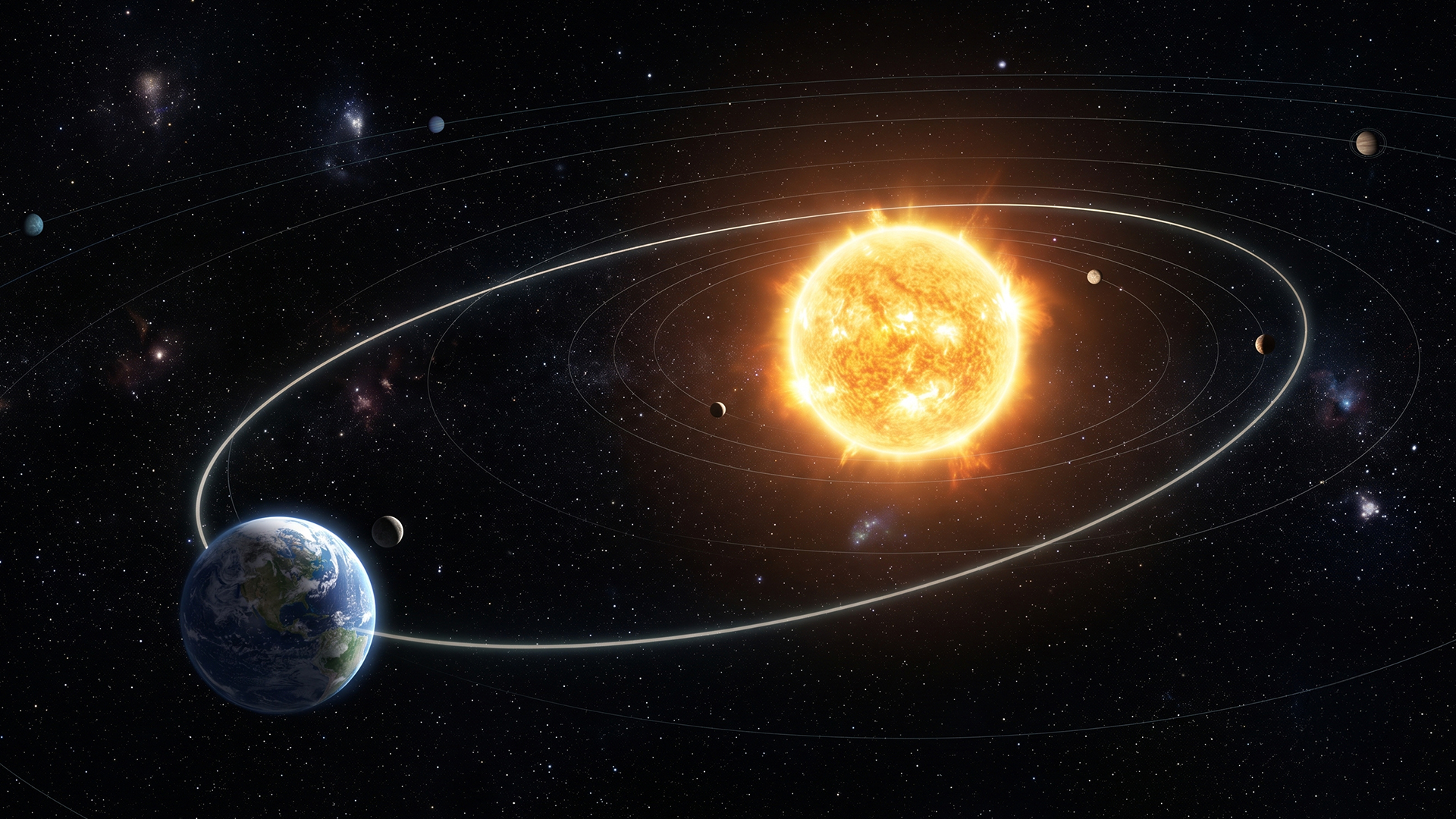
Earth farthest from Sun, heat persists worldwide
Earth reached aphelion, the farthest point in its orbit from the Sun, on July 3, but the…
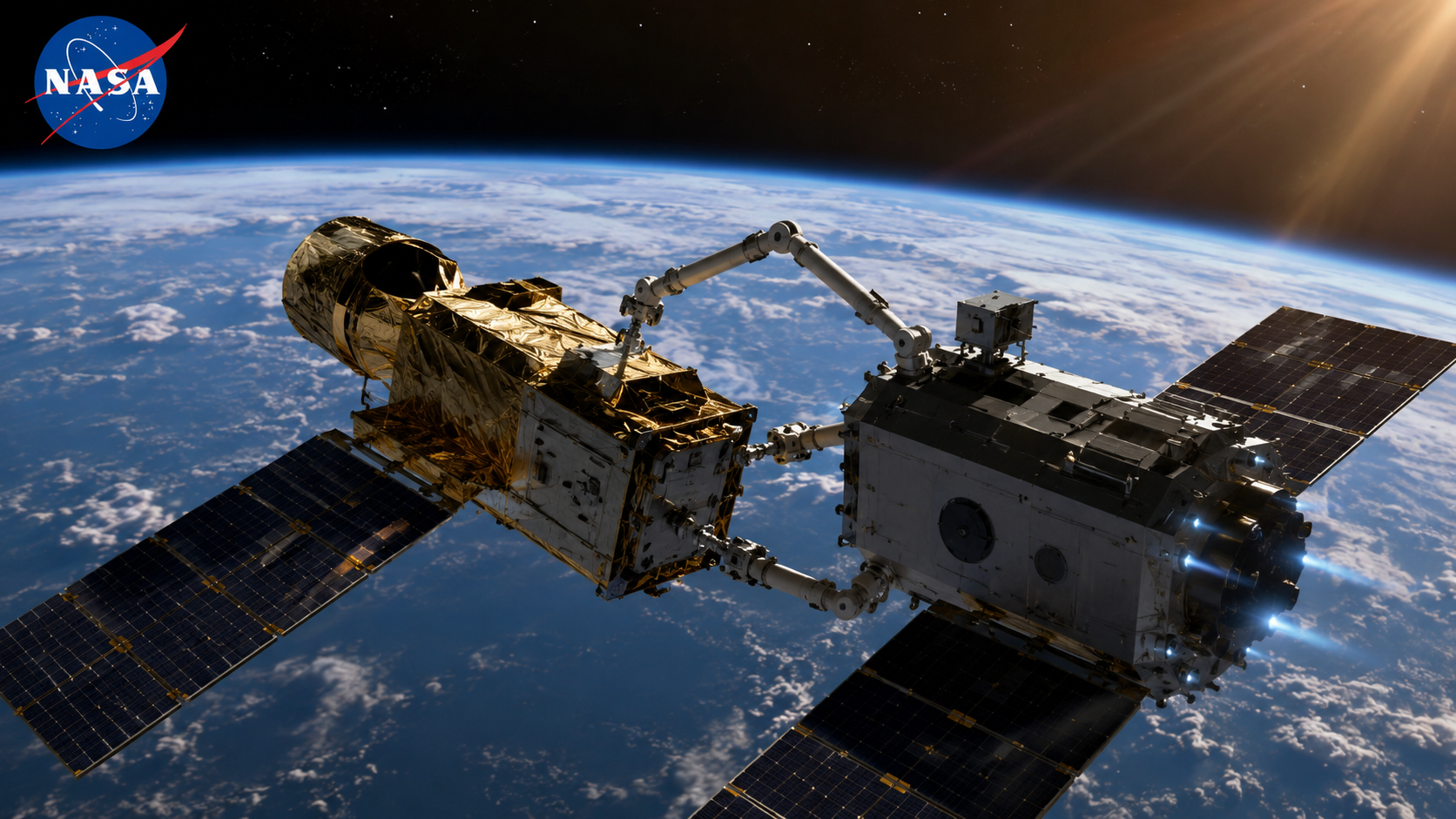
NASA begins mission to save Swift telescope
NASA is preparing to launch a pioneering mission to save its ageing Neil Gehrels Swift Observatory, a…
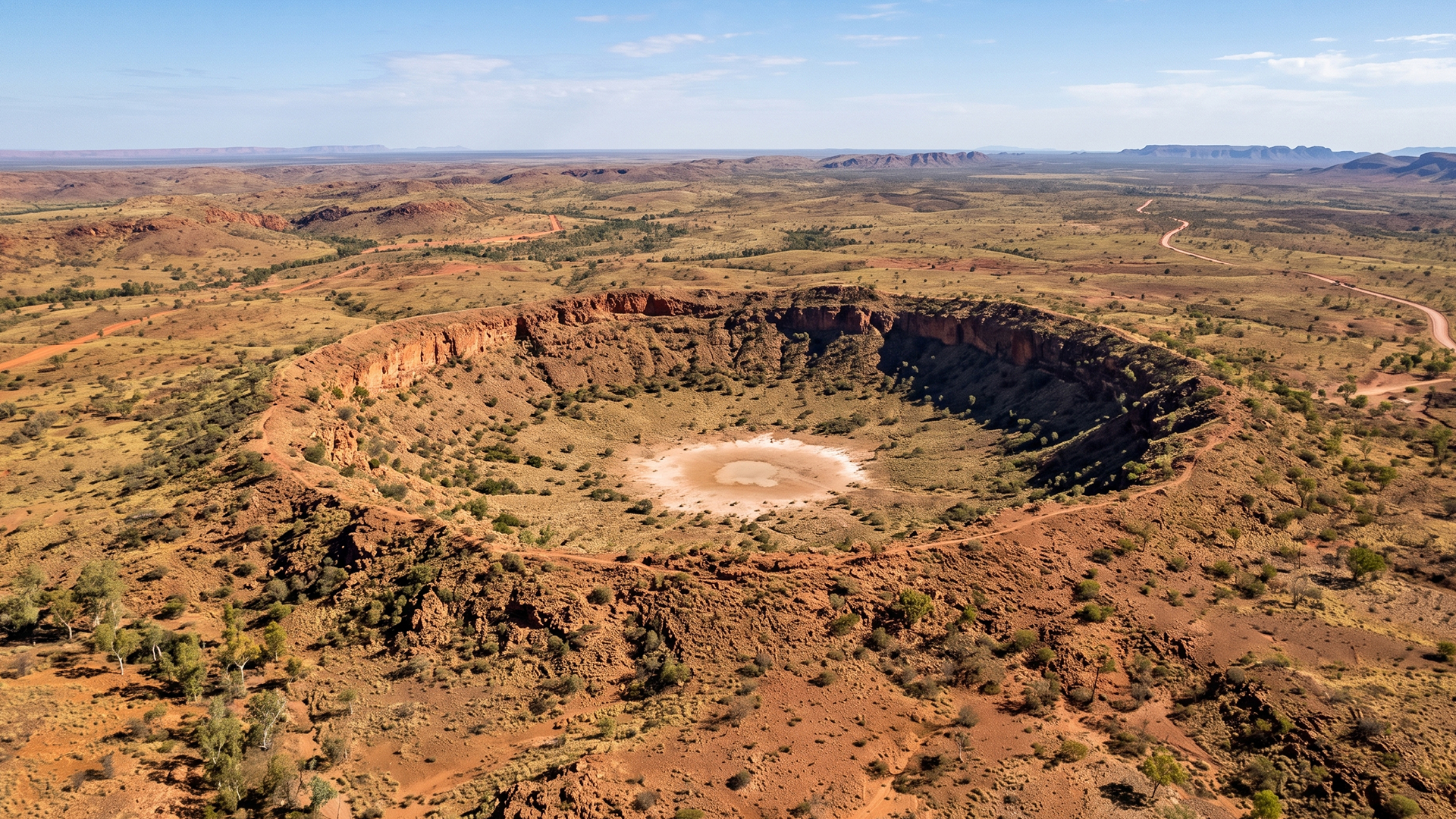
Oldest asteroid crater found in Australia
A massive crater discovered in the remote Pilbara region of Western Australia could become the oldest known…
Indian-origin astronaut Anil Menon prepares for ISS mission
Indian-origin NASA astronaut Anil Menon is preparing for the biggest mission of his career as he gets…
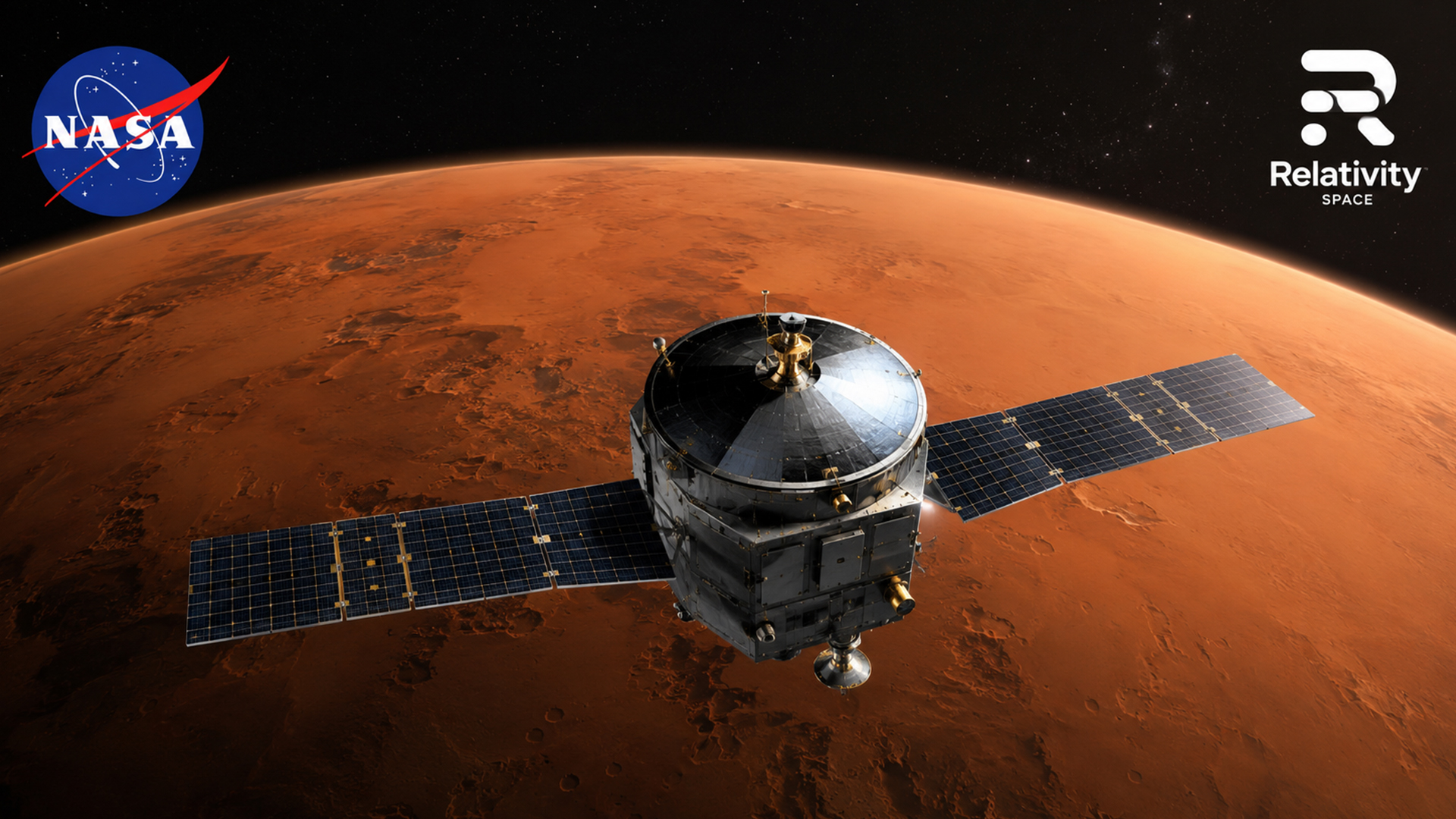
NASA launches new partnership for Mars mission
NASA has announced a new public-private partnership aimed at advancing the exploration of Mars, selecting aerospace company…
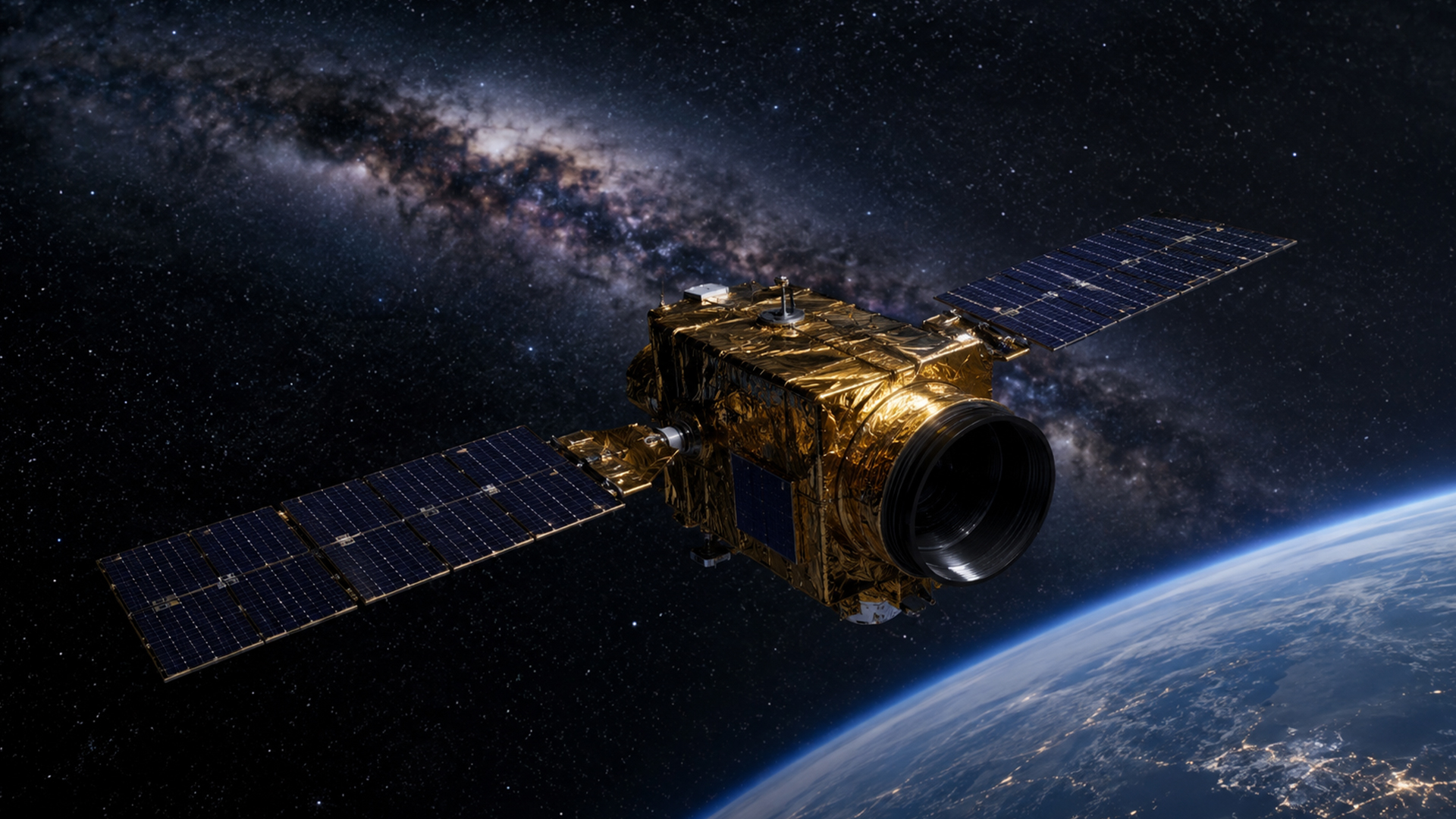
ESA clears Arrakihs mission to study hidden galaxies
The European Space Agency (ESA) has officially approved the Arrakihs mission, a new space telescope project designed…
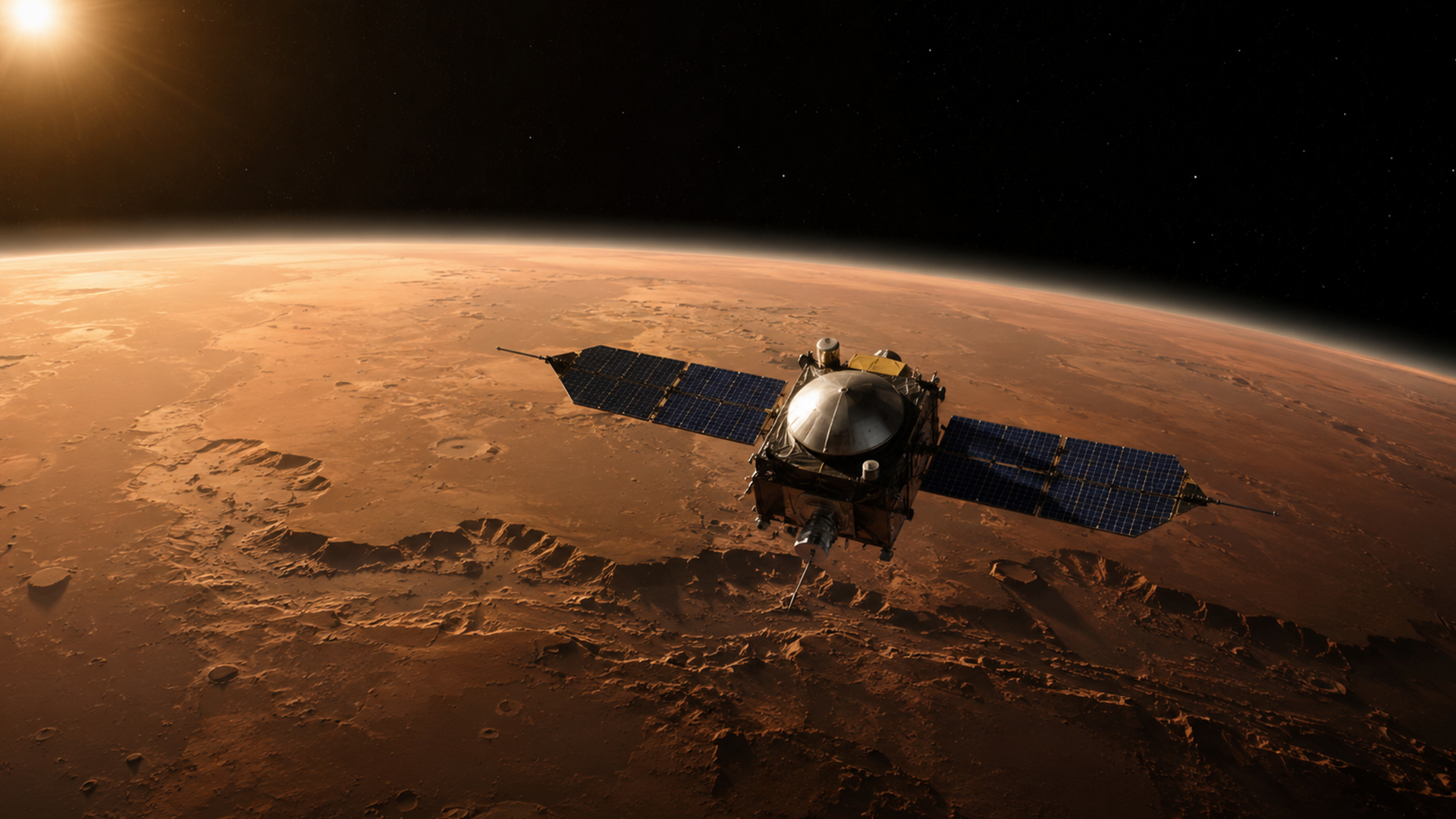
NASA ends MAVEN mission following months of radio silence
NASA has officially ended the mission of its MAVEN spacecraft after six months of unsuccessful attempts to…
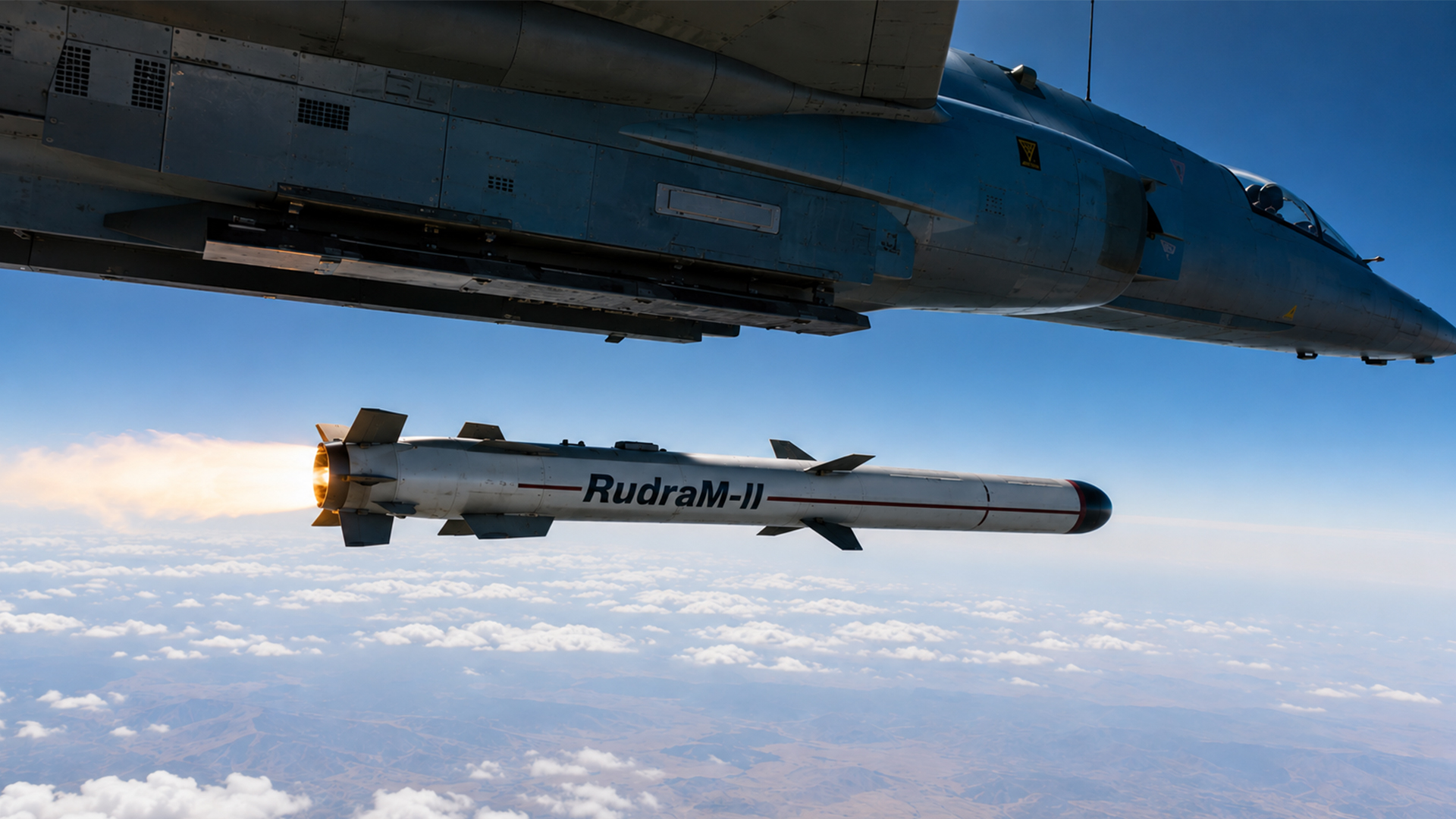
DRDO and IAF tests RudraM-II missile
India has achieved a significant milestone in defence technology with the successful flight test of the indigenous…
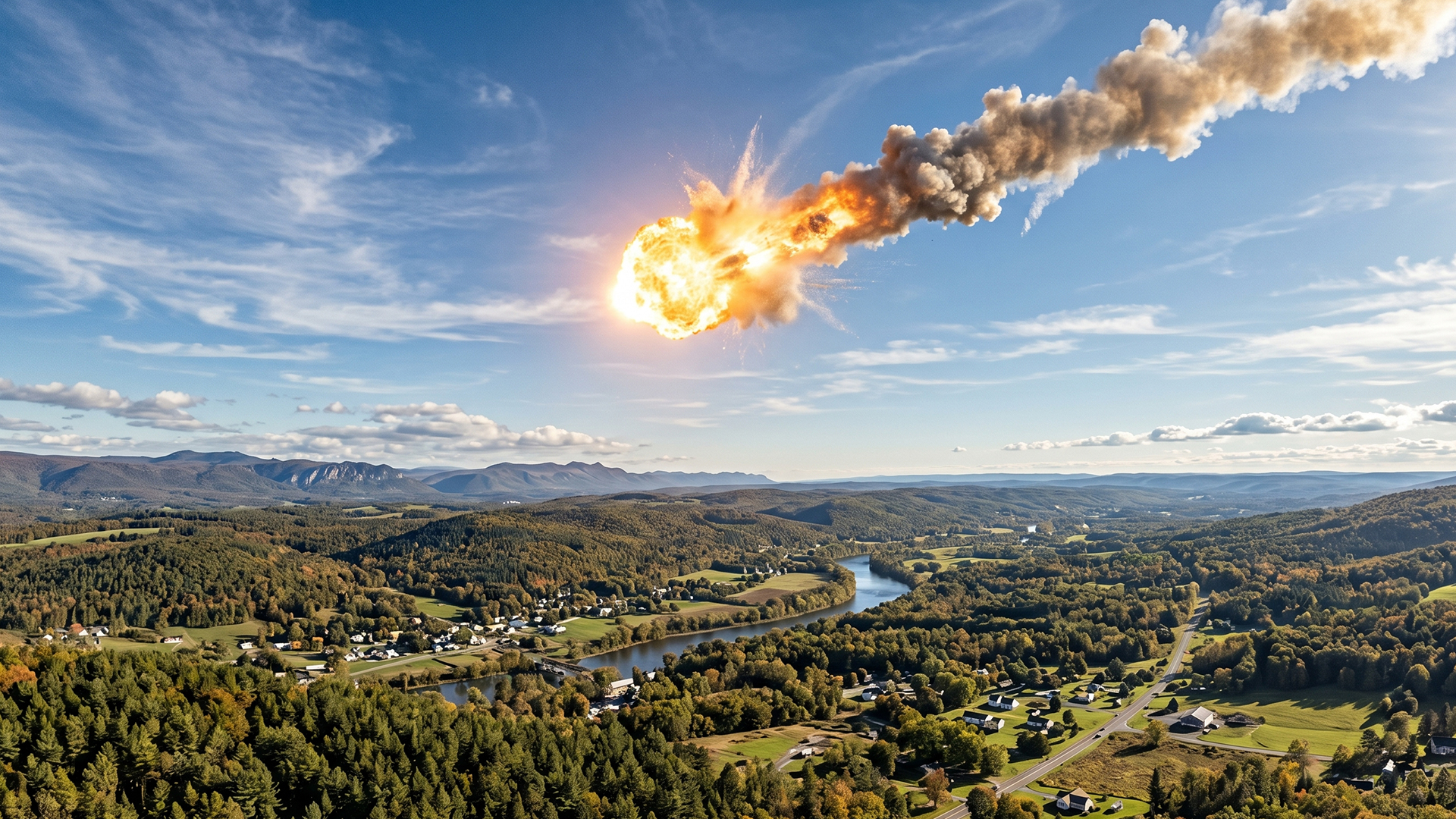
Meteor blast off Massachusetts coast equals 300 tonnes of TNT
A meteor exploded over the US state of Massachusetts, creating a powerful sonic boom that startled residents…
About This Category
The Space Beat in Full
Space journalism has a tendency to either overstate the wonder or bury the substance. A rocket explosion during testing is not a catastrophe — it is data, and Blue Origin's New Glenn setback tells a specific story about where that programme actually stands against its commercial competitors. A Chandrayaan-2 confirmation of ice beneath the Moon's South Pole is not just a headline — it is a finding with direct implications for future lunar missions, water extraction feasibility, and the long-term calculus of permanent human presence on the Moon. This section covers both with the same seriousness.
The space industry has become genuinely complex. Three decades ago, space news meant NASA press releases. Now it means tracking a fragmented competitive landscape of national space agencies, private launch companies, defence programmes with aerospace crossover, and scientific institutions publishing findings that reshape what we understand about the solar system and beyond.
India's Space Programme
India's space story is one of the most substantive in global aerospace. Chandrayaan-2's ice discovery and DRDO and IAF's RudraM-II missile test represent two ends of a broad national capability — scientific exploration and strategic aerospace development. Both are covered here because both are part of how India is asserting itself in space and in the technologies adjacent to it. ISRO's milestones don't get the international attention they deserve; this section gives them what the story merits.
Commercial Space: The Launch Industry's Real State
SpaceX, Blue Origin, and the broader commercial launch sector are covered as industry — with the same attention to delays, failures, financing, and competitive positioning that any capital-intensive sector receives. Starship V3's delayed debut is not just a technical note; it reflects the development and testing challenges inherent in scaling a vehicle that is supposed to anchor the next phase of deep space exploration. Launch failures, setbacks, and competitor dynamics all belong in the record.
International Missions and the Geopolitics of Space
China's Shenzhou-23 crew launch to Tiangong is a routine mission by one measure and a significant demonstration of consistent crewed spaceflight capability by another. The pace at which China is operating its space station, alongside its lunar and deep space ambitions, is a story with strategic dimensions that go well beyond the technical. NASA's decisions — including the closure of the MAVEN Mars mission after extended radio silence — are similarly covered for what they reveal about mission priorities, funding, and institutional decision-making.
Science and Atmospheric Events
Mars weather pattern discoveries, meteor events registering the explosive force of hundreds of tonnes of TNT, and ISS research into cancer treatment and joint repair in microgravity are covered because they represent what space programmes actually produce — scientific findings with implications for human knowledge and, increasingly, human medicine.
Frequently Asked Questions
Q1. What does The Summary's Space section cover?
NASA and ISRO missions, commercial launch industry developments, Chinese and international space programmes, planetary science findings, atmospheric and astronomical events, space medicine research, and the aerospace technologies — including defence-adjacent ones like missile testing — that overlap with space capability. Coverage spans both the scientific and industrial dimensions of what is happening beyond Earth's atmosphere.
Q2. Does The Summary follow India's space programme specifically?
Yes, consistently. ISRO missions, DRDO aerospace developments, and Indian contributions to lunar and planetary science are covered as primary news, not as regional interest items. Chandrayaan-2's ice discovery received the same editorial weight as a NASA finding of comparable significance would. India's growing space capability is a substantive beat, not a footnote.
Q3. How does The Summary cover commercial space companies like SpaceX and Blue Origin?
As industry. Launch delays, test failures, competitive positioning, and mission milestones are reported with attention to what they actually mean for each company's programme trajectory. A SpaceX delay or a Blue Origin test explosion is covered for what the development reveals — not sensationalised as a setback or minimised as a routine event.
Q4. Does The Summary cover astronomical events like meteor strikes or lunar phenomena?
Yes, when the event has scientific documentation or measurable physical significance. The Massachusetts meteor blast, calculated at the equivalent of 300 tonnes of TNT, is a scientific event with atmospheric and geological data behind it. The Blue Micromoon is covered as an astronomical occurrence. Events are reported factually — not as spectacle, and not buried because they fall outside the mission-and-launch frame of typical space coverage.
Q5. How is the Space section different from the Science section?
Space covers exploration, launch, aerospace technology, astronomical phenomena, and the geopolitics of space programmes. Science covers biological, chemical, evolutionary, and earth science research. The two overlap occasionally — Mars weather data, for instance, involves both — but the editorial distinction is whether the story is primarily about space operations and exploration or about terrestrial and biological scientific research.
Q6. Does The Summary cover the strategic and defence dimensions of space?
Where the overlap is clear and significant, yes. DRDO and IAF's RudraM-II missile test sits in the Space section because the technology and the operational domain are directly relevant to aerospace capability. The growing militarisation of space — satellite defence systems, dual-use launch vehicles, national space doctrine — is part of the beat when the developments are confirmed and the implications are concrete.