
World News
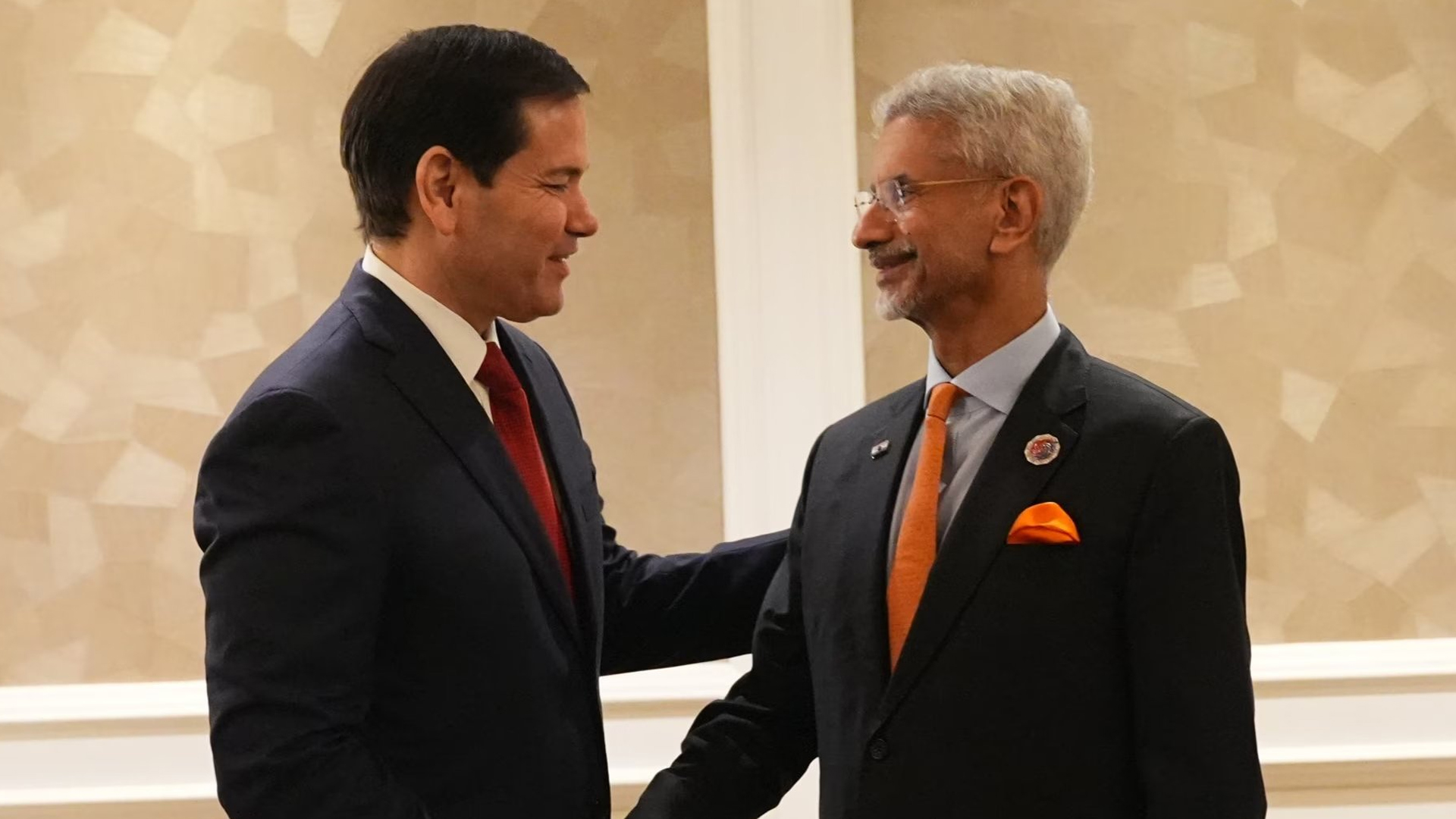
India and US Revise Strategic Equation at ASEAN Summit
India and the United States signalled a renewed intent to refine and strengthen their strategic and economic…

Queen Mother Sirikit, Thailand’s Matriarch, Passes Away at 93
Thailand is grieving the loss of Queen Mother Sirikit, who passed away at the age of 93,…
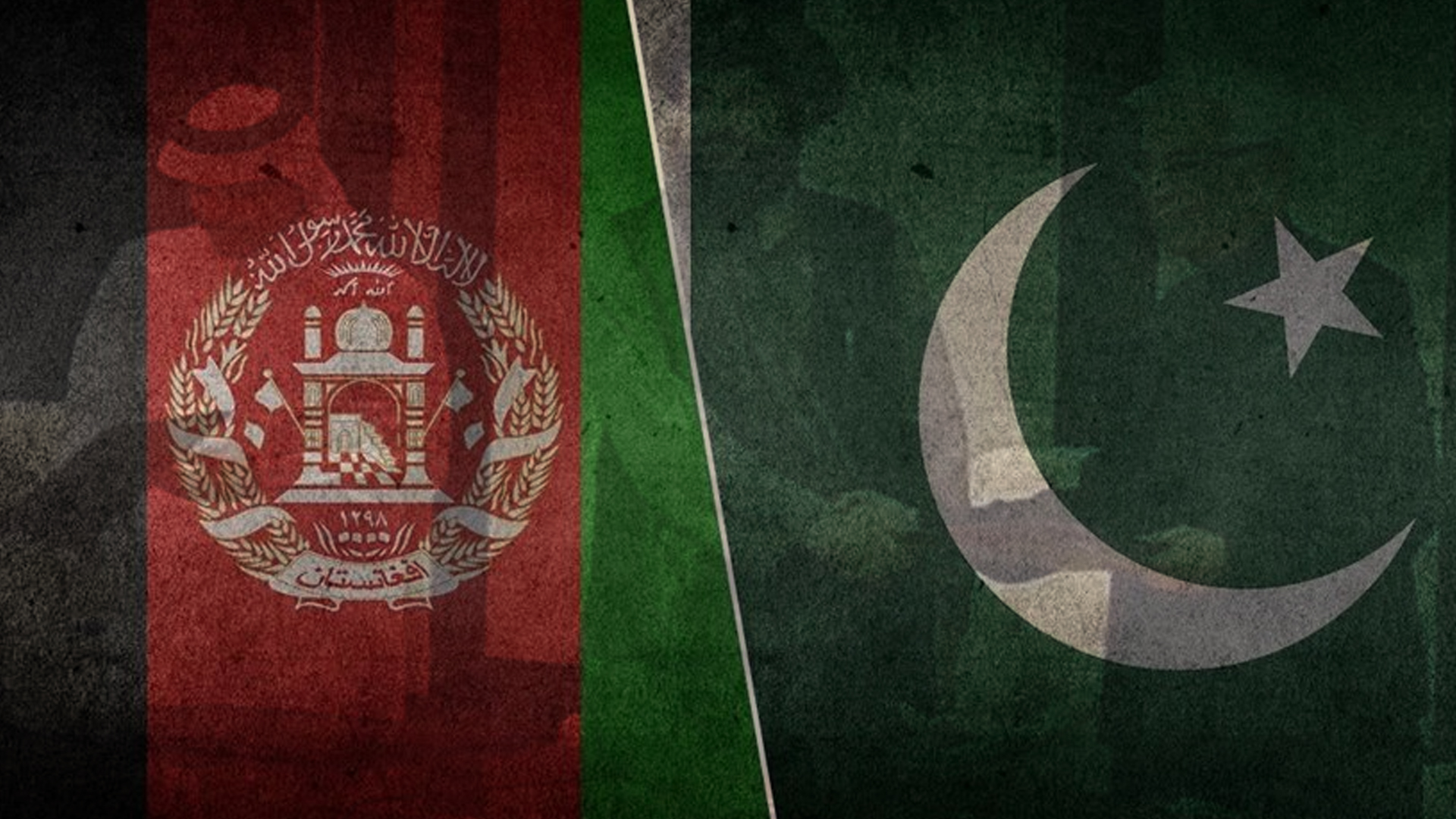
Pakistan, Afghanistan to Hold Second Round of Talks in Türkiye
Officials from Pakistan and Afghanistan will convene in Türkiye for a second round of crisis talks on…

Canada Sees 60% Drop in Students, Indians Most Affected
Canada’s long-celebrated “Maple Dream” for international students is losing its shine, with new arrivals plunging nearly 60%…

Illegal Indian Trucker Kills 3 in Deadly California Collision
An Indian-origin man has been arrested in Southern California after a devastating semi-truck crash killed three people…

White House Backs $100K H-1B Fee as Lawsuits Mount
The Trump administration is set to defend its controversial $100,000 fee on new H-1B visa applications in…

Alaska Airlines Grounds Flights Across US After IT Outage
Alaska Airlines, one of the largest U.S. carriers based in Seattle, faced an unexpected nationwide disruption on…
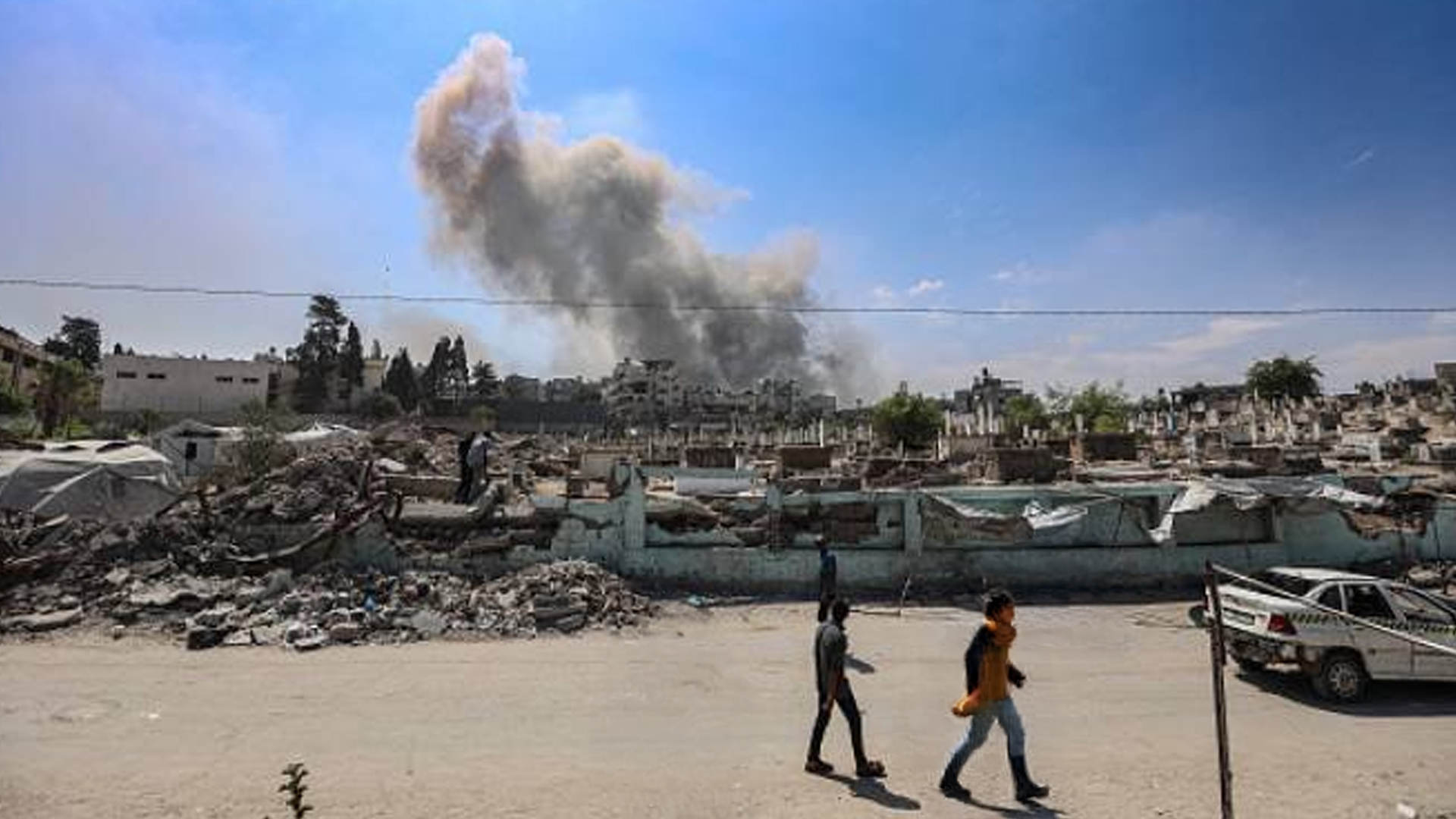
West Bank Annexation Could Undermine Gaza Peace: Marco Rubio
U.S. Secretary of State Marco Rubio warned on Wednesday that legislative efforts by Knesset members to extend…

Saudi Arabia Abolishes Kafala System
In a significant labor reform, Saudi Arabia has officially abolished its decades-old Kafala system, a sponsorship framework…

Belgian Court Clears Mehul Choksi’s Extradition to India in PNB Fraud Case
The Antwerp Court of Appeal in Belgium ruled in favor of extraditing fugitive diamond trader Mehul Choksi…
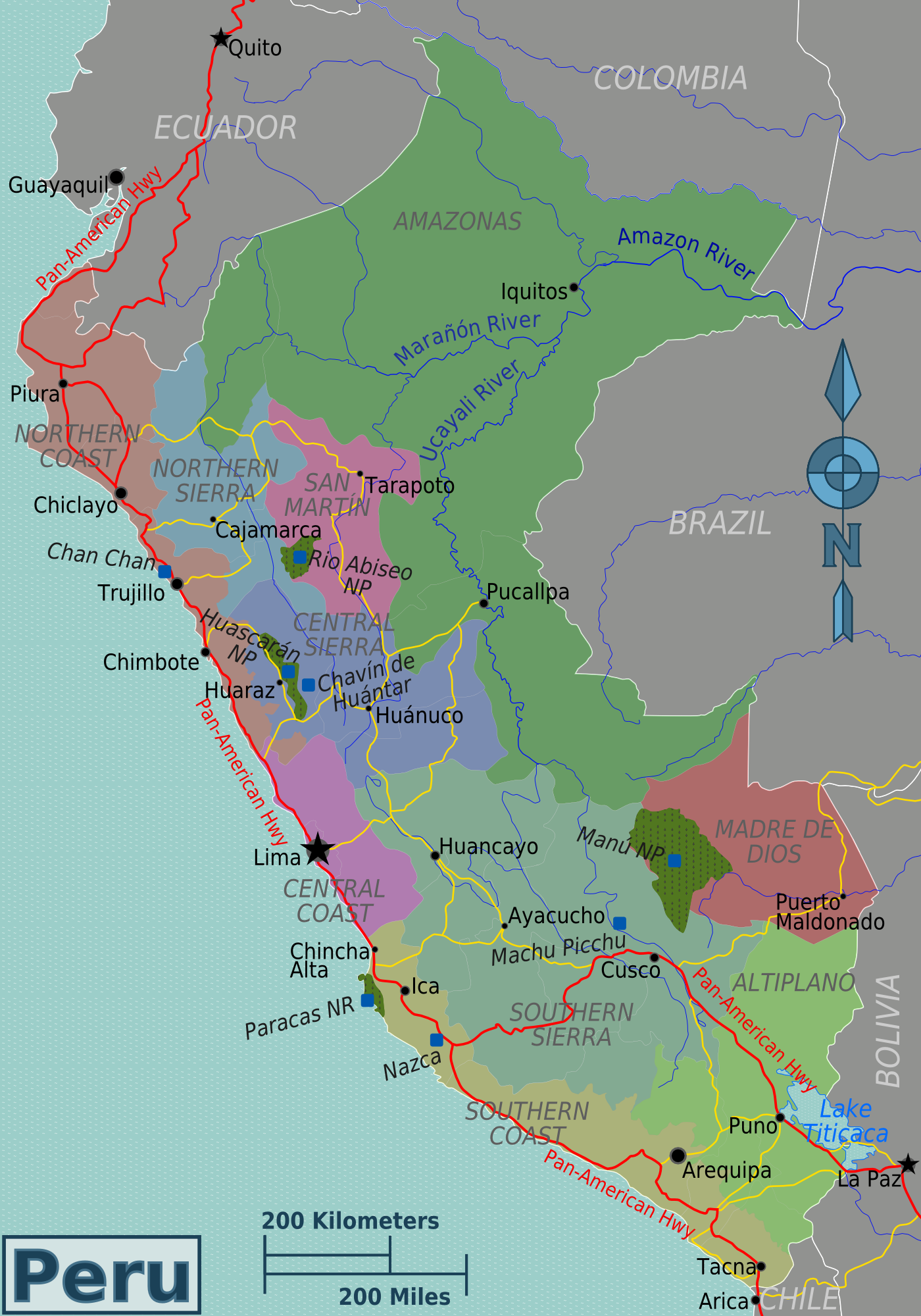
Peru Declares 30-Day Emergency in Lima and Callao
In a strong response to rising violence and public unrest, Peru’s interim President José Jerí declared a…

Japan Elects Its First Female Prime Minister
In a moment that will echo through Japan’s political history, Sanae Takaichi has become the nation’s first…
About This Category
Curiosity Has Always Been the Point
There's a version of science coverage that exists purely to generate clicks — superlatives, miracle cures, extinction threats, end-of-world clocks. This section tries to do the opposite. When a team of palaeontologists identifies what may be the largest scorpion species ever recorded, the story is told for what it actually is: a finding that reshapes our understanding of prehistoric marine ecosystems, not a monster headline. When the Doomsday Clock moves, it gets the weight of a genuine scientific risk assessment — not a metaphor.
The Science section covers a wide range. Fossils. Evolutionary biology. Animal cognition. Longevity research. Environmental anomalies that don't have clean explanations yet. The breadth is intentional. Real science doesn't organise itself by category.
Deep Time and Natural History
A 180-million-year-old fossil recovered in Germany arrived in the news without much fanfare. It deserved more. Finds like this extend the biological record in ways that compound over time — each one filling in a gap that previous researchers could only speculate about. The scorpion species identification did something similar. These aren't curiosities. They're data points in a long reconstruction of life on Earth.
What Animals Know That We Don't
The right-handedness study is the kind of research that sounds minor until you think through the implications. If lateralisation — the brain's tendency to specialise one side for certain tasks — traces back further through evolutionary history than previously established, that changes what we understand about how cognition developed. The horse vocalisations story is different in character but similar in kind: an observation that challenges assumptions about what is and isn't uniquely human. Animal behaviour research consistently produces these moments, and this section covers them seriously.
Longevity and What Whales Can Teach Us
Bowhead whales live past 200 years. Researchers have been trying to understand the biological mechanisms behind that for some time. The protein study covered here is one piece of ongoing work that may, eventually, have clinical implications. The word "may" is doing real work in that sentence — and this section won't strip it out to make the story sound more definitive than it is.
The Planet, Unexplained
Iran's Hormuz coastline turning red after rainfall is the kind of story that requires a scientist, not a policy analyst. The geochemical explanation is still being worked through. Reporting it doesn't mean having the answer. The Doomsday Clock is different — that's a formal annual assessment combining nuclear, climate, and biological risk factors, produced by people with relevant expertise. Both belong here.
Frequently Asked Questions
Q1. What does the Science section cover?
Palaeontology, evolutionary biology, animal behaviour, longevity research, environmental phenomena, and risk assessments like the Doomsday Clock. Not technology products, not health advice, not climate policy. The focus is on what researchers are discovering about the natural world — what the evidence shows and, where the evidence is still thin, what it doesn't yet show.
Q2. Does the section cover Indian science research?
When there's a story worth covering, yes. But geography isn't the editorial filter here — significance is. A fossil find in Germany or a longevity study from a US university gets covered by the same standard as an ISRO discovery or an IISER paper. The research determines the coverage, not the country of origin.
Q3. How does The Summary handle studies that get overhyped?
Carefully. A single study with a small sample size doesn't get treated as settled science. Where findings are preliminary, that's stated clearly. The whale protein story was covered as promising early research, not as a breakthrough. That distinction matters — readers deserve to know how confident the scientists themselves actually are.
Q4. Is the Science section accessible to non-scientists?
Yes. The writing assumes curiosity, not a biology degree. Technical terms get explained when they're essential to the story. The goal is a reader who leaves understanding what changed and why it matters — not a reader who walked away impressed but none the wiser.
Q5. How is Science different from the Space section?
Space covers missions, launches, planetary exploration, commercial spaceflight, and astronomical events. Science covers what happens on and beneath the Earth's surface — biology, palaeontology, chemistry, animal behaviour, geophysics. Occasionally a story crosses both — Mars weather data involves planetary science — but the two sections have distinct editorial focuses.
Q6. Does The Summary cover climate under Science?
When the story is fundamentally a scientific finding, yes — the Doomsday Clock assessment includes climate trajectory as a core variable, and it's covered here for that reason. Climate policy, government targets, and economic responses to climate change sit elsewhere. The dividing line is whether the story is about what the science says or about what governments are doing in response to it.