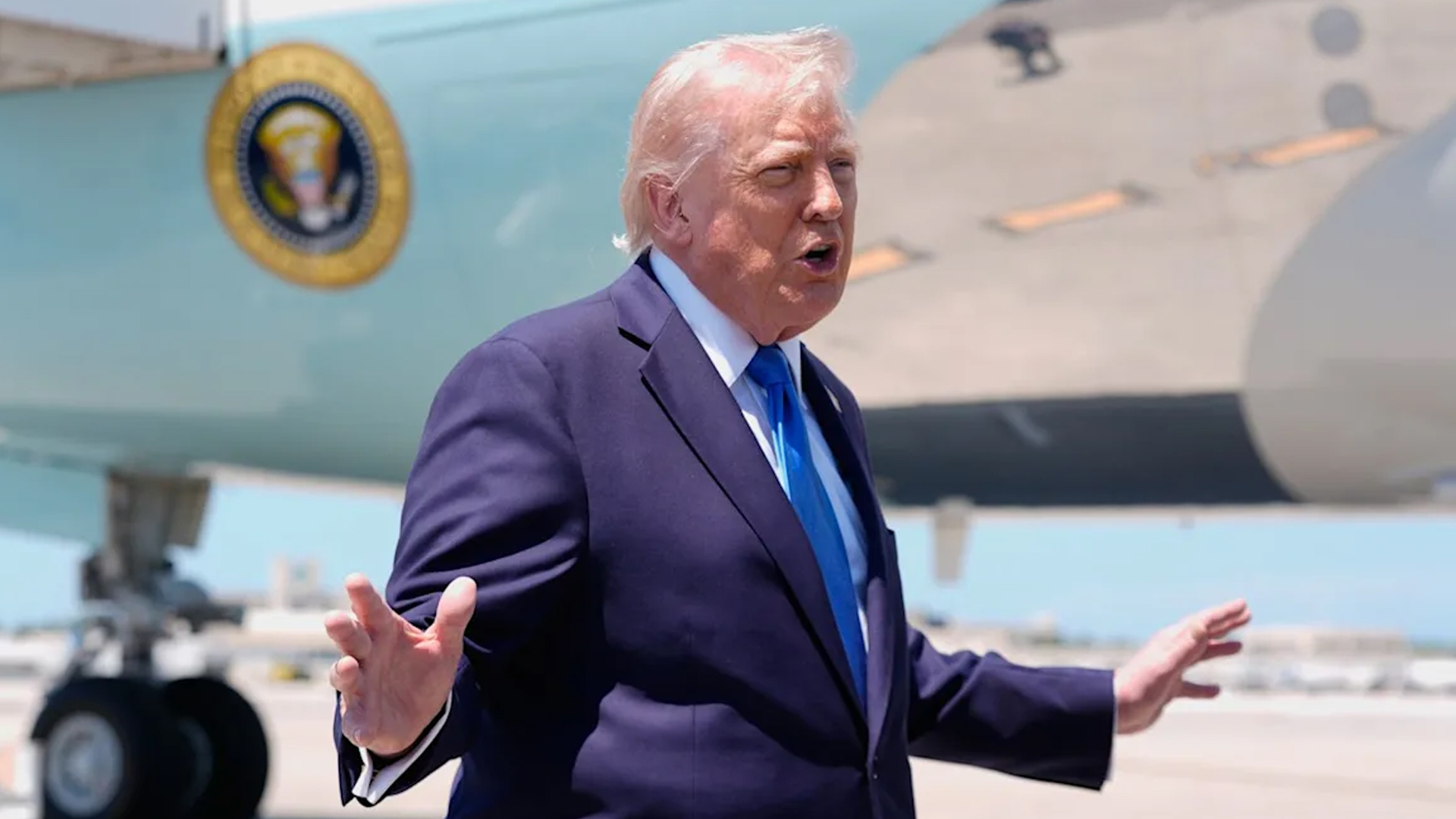
Oil prices fell more than 5% on Monday after US President Donald Trump halted plans for another strike on Iran and said he was pursuing a deal that could ease tensions in the Middle East. The sharp reversal came after a strong rally in crude prices last month, when fears of a wider conflict and disruption to energy supplies pushed oil higher.
Brent crude futures dropped more than 5% to around $83 a barrel, while US West Texas Intermediate (WTI) crude fell below $80. The decline marked a major shift in market sentiment after both benchmarks had gained more than 20% in July amid escalating US-Iran tensions.
The latest oil price fall reflects growing expectations that diplomacy could prevent another round of military action and eventually restore more normal energy flows through the region. For traders, the possibility of a US-Iran agreement has reduced some of the immediate geopolitical risk premium that had been built into crude prices.
Trump’s decision has also raised hopes that the Strait of Hormuz, one of the world’s most important oil shipping routes, could eventually return to normal operations. Any prolonged disruption to the waterway could have serious consequences for global energy markets because a significant share of the world’s oil and liquefied natural gas shipments normally pass through it.
The Strait has remained a major concern for investors throughout the recent conflict. While Trump’s move has lowered fears of an immediate escalation, shipping activity remains affected by security concerns. Any sustained improvement in the situation could encourage tanker operators to resume normal voyages and reduce concerns over the availability of crude oil.
That possibility is particularly important for Asian economies, which rely heavily on Middle Eastern energy supplies. A smoother flow of crude through the region could help reduce transportation costs and limit the impact of the conflict on fuel prices.
However, the latest decline in Brent crude prices does not necessarily mean the supply risk has disappeared. Oil traders remain cautious because the diplomatic process is still at an early stage. If negotiations between Washington and Tehran fail, the threat of further military action could return quickly.
The market has already shown how sensitive crude prices are to developments in the conflict. Brent gained around 24% in July as tensions escalated and concerns over disruptions to energy infrastructure and shipping routes intensified.
The latest developments therefore represent a sharp change in direction. Instead of preparing for another possible attack, markets are now assessing whether diplomatic talks can produce a more durable arrangement.
Trump has said that Iran and other countries in the region requested additional time to work towards a deal. A potential agreement would address concerns over Iran’s nuclear programme and could also help reopen the Strait of Hormuz.
For the oil market, the reopening of the waterway would be particularly significant. Even if production remains available, restrictions on shipping can create shortages in individual markets and increase freight and insurance costs. That can push up the final price of energy products for consumers and businesses.
The decline in crude prices also comes as OPEC+ prepares to increase oil production. The group agreed to raise its production quota by about 188,000 barrels per day from September, continuing the gradual unwinding of earlier voluntary production cuts.
Additional OPEC+ supply could put further pressure on oil prices if geopolitical disruptions ease at the same time. However, the actual impact may be smaller than the headline production increase suggests because some producers have struggled to deliver their full quotas.
The market is therefore facing two competing forces. Higher OPEC+ output could increase available supply, while a successful US-Iran agreement could reduce the risk of supply disruptions. Together, those developments could create a more comfortable supply-demand balance for crude.
The fall in oil prices also provided support to global financial markets. US and European stock futures moved higher as investors welcomed the possibility of a de-escalation in the Middle East. Lower crude prices can also help ease inflation concerns because energy costs have a direct impact on transportation, manufacturing and household spending.
The reaction was visible in bond markets as well. US Treasury yields moved lower, reflecting a broader improvement in investor sentiment and reduced concern over an inflationary shock caused by higher energy prices.
For businesses, the decline in crude oil prices could offer some relief if it lasts. Airlines, logistics companies, manufacturers and other energy-intensive industries are particularly sensitive to fuel and transportation costs. Lower crude prices can improve margins and reduce operating expenses, although the impact generally takes time to filter through to consumers.
For central banks, meanwhile, a sustained decline in oil prices could provide some breathing room. A sharp rise in energy costs can push inflation higher and complicate interest-rate decisions. If geopolitical tensions ease and crude remains lower, some of that pressure could fade.
The sharp fall in global crude oil prices could offer some relief to India, one of the world’s largest oil importers. India imports more than 80% of its crude oil requirement, making domestic fuel costs and the wider economy sensitive to international oil prices.
A sustained decline in Brent crude could help reduce India’s import bill and ease pressure on the country’s current account and foreign exchange outflows. It could also provide some support to the Indian rupee, particularly if lower oil prices reduce demand for dollars to pay for energy imports.