Iran has warned that it could extend its military response beyond the Middle East and strike American military bases in Europe if they are used to launch attacks against the Islamic Republic. The warning from senior security official Mohsen Rezaei marks another escalation in rhetoric between Tehran and Washington, as tensions continue over the possibility of renewed US military action against Iran.
Rezaei, secretary of Iran’s Supreme National Security Council, issued the warning in an interview with Lebanon-based Al Mayadeen television, broadcast on Wednesday, November 11. He said Tehran would not restrict its response to American military installations located near Iranian territory if the United States launched another attack.
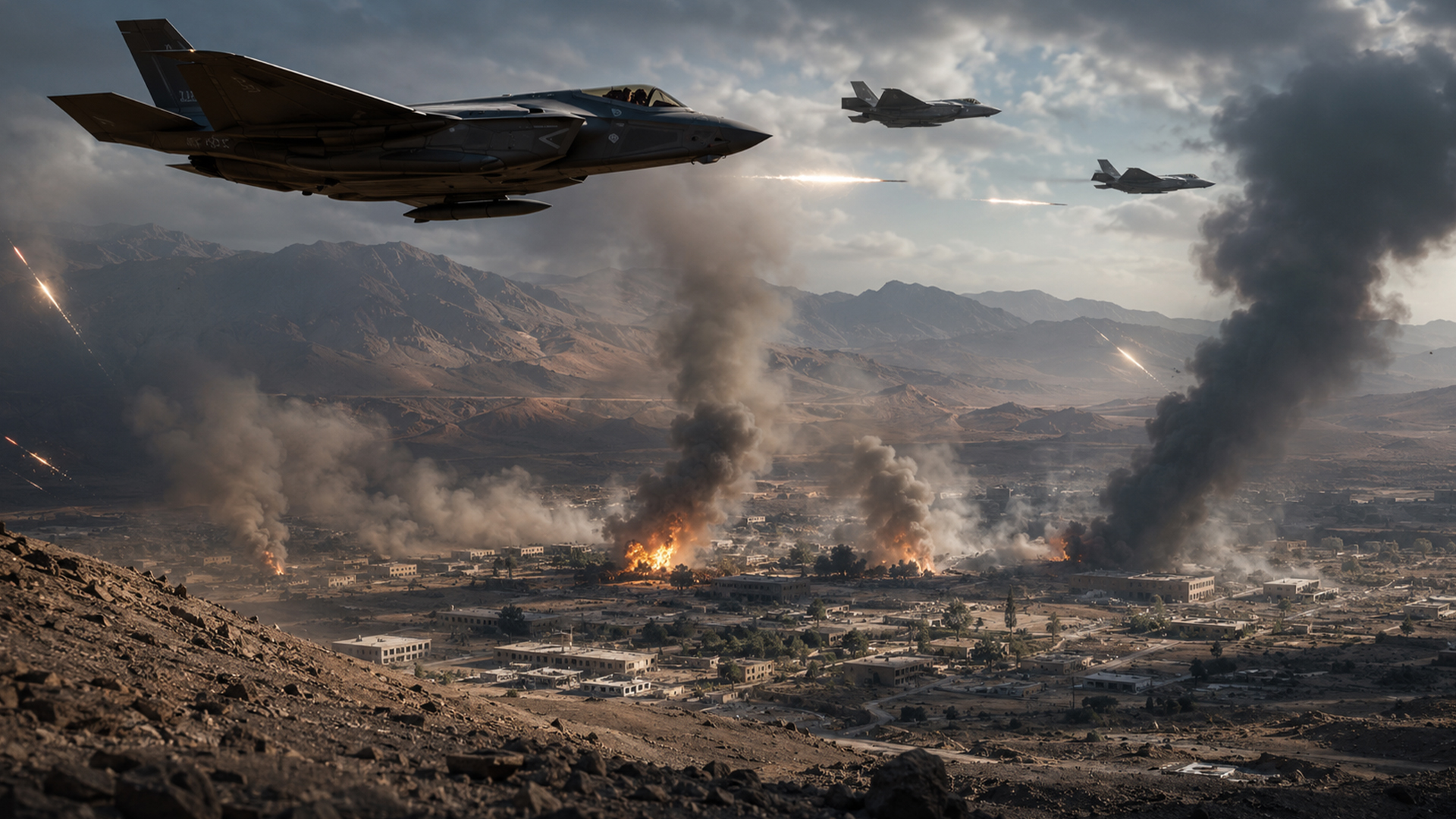
“If American aircraft take off from an American military base, even one located in a European country or some other distant region, to bomb Iran, we will strike those bases as well,” Rezaei said.
His remarks indicate that Iran considers any US military installation used to carry out an attack against its territory a potential target, regardless of its geographical location. He did not identify specific European countries or military bases that could face retaliation.
The warning also extended to other distant American military installations. Rezaei said Iran could target bases it had not previously attacked and even certain islands that Washington might consider beyond the reach of Iranian missiles.
The statement puts countries hosting American military forces in Europe in a difficult position, particularly if their facilities are considered for use in any future military operation against Iran.
The warning is significant because the United States maintains military facilities and personnel across Europe, including in countries such as Germany, Italy and the United Kingdom. These installations support a range of American military operations, including logistics, air operations and regional security commitments.
However, Rezaei did not provide details about which facilities Iran believes could be used in a future strike. Nor did he explain how Tehran would distinguish between bases directly involved in an operation and those providing wider logistical support.
On November 12, Rezaei reinforced the warning in a post on social media platform X. He said every military base involved in an attack against Iran could be considered a legitimate target, extending the threat from West Asia to Europe. His statement included the phrase “No safe distance. No safe haven. No immunity.”
Another Iranian military official, Kioumars Heydari, deputy chief of the Armed Forces’ General Staff, also warned that American bases and interests could be within the reach of Iranian missiles and drones. He cautioned countries against allowing their territory to be used for attacks on Iran.
The latest warning comes amid continuing tensions between Iran and the United States, with the possibility of renewed military action remaining a major concern.
The conflict began on February 28 with US-Israeli strikes against Iran that killed the country’s then Supreme Leader, Ayatollah Ali Khamenei. The confrontation has since affected security across West Asia, raising concerns about further military escalation and its impact on international trade and energy supplies.
US President Donald Trump and Israeli Prime Minister Benjamin Netanyahu have remained central figures in the crisis. Iranian officials have repeatedly warned that another attack would trigger a wider response.
Rezaei also claimed that the political capacity of Trump and Netanyahu to sustain a prolonged war had weakened. These remarks reflect Tehran’s position, although they do not establish whether Washington or Israel has ruled out further military action.
The threat to American bases in Europe also raises questions about the possible involvement of countries that host US forces. Any strike on a facility located on European territory could have consequences extending well beyond the immediate confrontation between Washington and Tehran.
Rezaei’s interview also touched on the diplomatic disagreements between Iran and the United States. He denied that direct negotiations were currently taking place and dismissed reports suggesting that talks were under way in Qatar.
He also rejected reports of a possible meeting with US Vice-President JD Vance. According to Rezaei, Tehran was waiting for a clear response from Washington to its conditions.
Iran’s nuclear programme remains one of the central issues in the dispute. Rezaei said the country would not transfer any of its enriched nuclear material outside its borders. He claimed that the material would be retained for domestic purposes, including the development of nuclear-powered ships and submarines.
The remarks underline the difficulties facing any effort to resolve the nuclear dispute through diplomacy. The level of uranium enrichment in Iran has been a longstanding concern for the United States and its allies, who have called for restrictions and safeguards.
The Strait of Hormuz is another major point of disagreement. The narrow waterway is a critical route for global oil and gas shipments, making its security important to energy markets worldwide.
Rezaei reiterated that Iran had set out seven conditions for restoring normal access through the strait. These reportedly include lifting US sanctions and the naval blockade, ending the conflict on all fronts and securing an Israeli withdrawal from Lebanon. He also referred to demands for compensation.