The United States has launched a fresh wave of strikes against Iran, hitting dozens of Islamic Revolutionary Guard Corps (IRGC) targets after Tehran fired ballistic missiles at US forces in the Middle East.
The latest US military operation marks a sharp escalation in the ongoing US-Iran conflict and has raised fresh concerns about the wider West Asia crisis. The strikes came just a day after American forces intercepted an Iranian missile attack aimed at US military positions, including a base in Jordan.
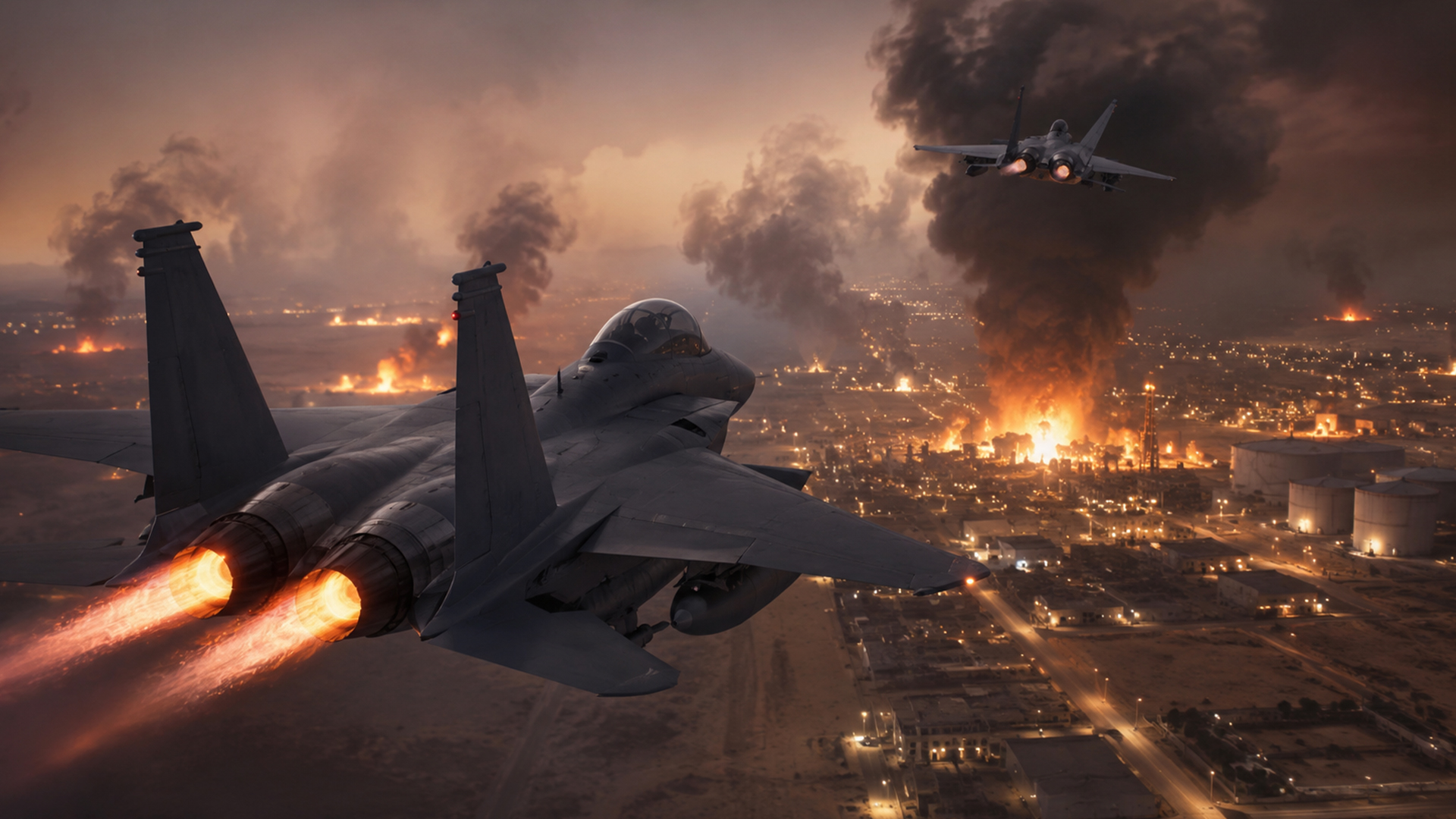
The US Central Command (CENTCOM) said its forces carried out the latest strikes late on Wednesday in what it described as a “heavy wave” of attacks. The operation lasted about two hours and targeted numerous IRGC facilities across Iran.
According to CENTCOM, the targets included IRGC command and control centres, missile and drone facilities, coastal surveillance systems and maritime defence sites. The US military said the strikes were intended as a direct response to Iran’s attempted attacks on American forces.
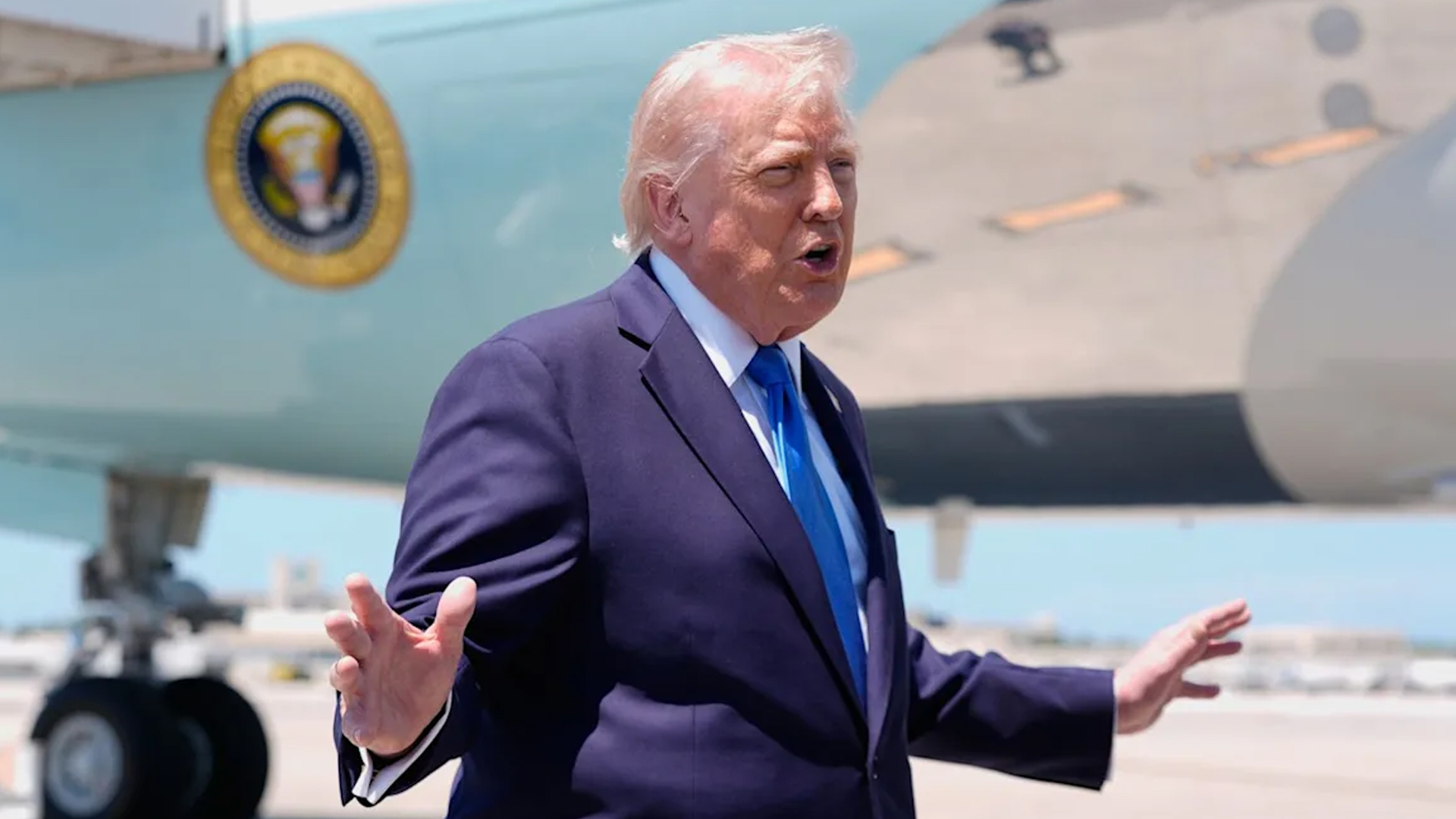
The confrontation began after Iran launched ballistic missiles towards US military positions on Tuesday. American forces intercepted the incoming missiles, preventing casualties among US personnel, according to reports. The attack nevertheless prompted US President Donald Trump to warn that Washington would respond forcefully.
The latest strikes show that the brief hopes of de-escalation in the region have taken another serious blow.
The US and Iran have been engaged in a prolonged military confrontation, with the conflict drawing in Israel, Gulf countries and Iran-backed armed groups. The latest exchange comes as diplomatic efforts to reduce tensions have struggled to make progress.
The situation is also affecting the global energy market. Oil prices rose sharply following the renewed military action, reflecting concerns that the conflict could further threaten energy infrastructure and shipping routes in the Gulf. Brent crude rose 3.1% to $84.58 a barrel before climbing further during the latest escalation.
One of the biggest concerns is the Strait of Hormuz, a crucial waterway through which a significant share of the world’s oil supplies passes. Any prolonged disruption to shipping through the strait could put additional pressure on global energy prices and raise transportation costs.
The conflict is also spreading beyond the immediate US-Iran confrontation.
Saudi Arabia has become increasingly involved in military operations against Iranian-backed groups in the region. The developments have added another layer to an already complicated security situation involving Iran, Israel, the United States and several Arab countries.
There are also growing concerns about attacks on commercial and energy infrastructure. A drone strike at Egypt’s Damietta port, near the Suez Canal, caused a fire on gas vessels, raising fears that the conflict could threaten another vital international shipping route.
Iran, meanwhile, has vowed retaliation against the United States following the latest strikes. Tehran has repeatedly warned that attacks on its territory or military infrastructure will draw a response, increasing fears of another cycle of missile and drone attacks.
The latest US operation also comes at a difficult moment for President Trump. Washington has been under pressure to contain the conflict while avoiding a wider regional war. However, the Iranian missile attack has made it politically and militarily harder for the US administration to show restraint.
The US response appears designed not only to hit Iranian military infrastructure but also to send a clear message to Tehran about the cost of attacking American forces.
That cycle could make diplomatic efforts increasingly difficult.
The broader West Asia war has already caused major humanitarian and economic consequences. Continued military operations could further disrupt oil supplies, shipping routes and regional trade while increasing pressure on countries hosting US military forces.
For countries such as India, the developments are particularly important because the region is a major source of energy and a critical trade corridor. Any prolonged disruption in the Gulf or around the Strait of Hormuz could affect crude oil prices, shipping costs and supply chains.
For now, the immediate focus is on whether Iran will carry out another major missile or drone attack and how Washington will respond.
The latest US strikes have made one thing clear: despite efforts to prevent the conflict from widening, the confrontation between Washington and Tehran remains highly volatile, with the risk of further escalation continuing to grow.