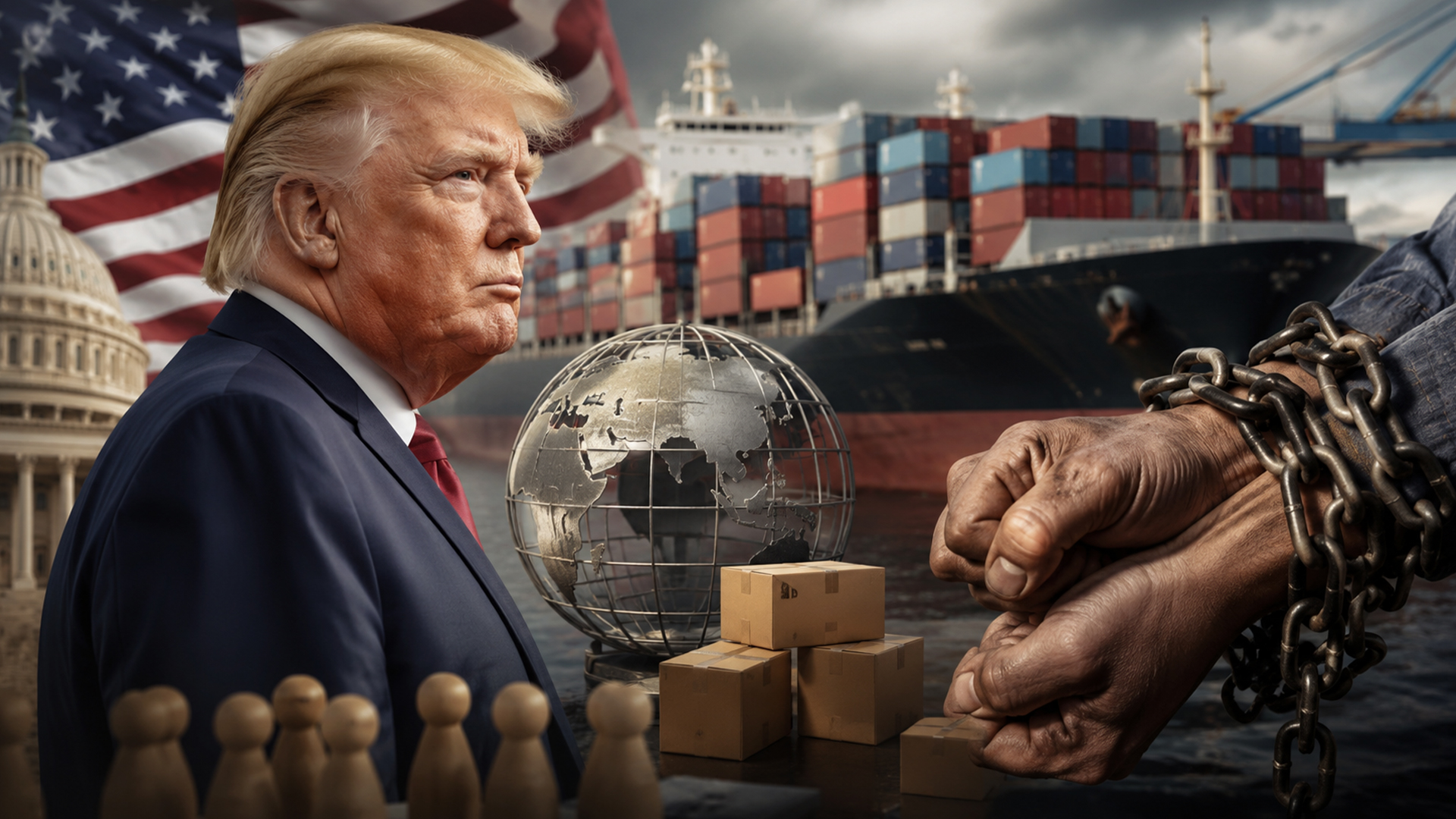
The United States has imposed new tariffs on imports from 60 economies, accusing them of not doing enough to prevent forced labour in their supply chains. The move, announced by President Donald Trump’s administration, replaces the temporary 10% universal tariff that was due to expire this week and is expected to reshape global trade.
The fresh duties, ranging from 10% to 12.5%, have been introduced under Section 301 of the US Trade Act of 1974. The Trump administration said the tariffs are aimed at encouraging countries to strengthen labour standards and eliminate forced labour from goods entering the American market.
Countries considered to have taken stronger action against forced labour will face a 10% tariff, while those with weaker safeguards will be charged 12.5%. Essential imports such as oil, natural gas, fertilisers, aircraft and some food products have been exempted from the new measures.
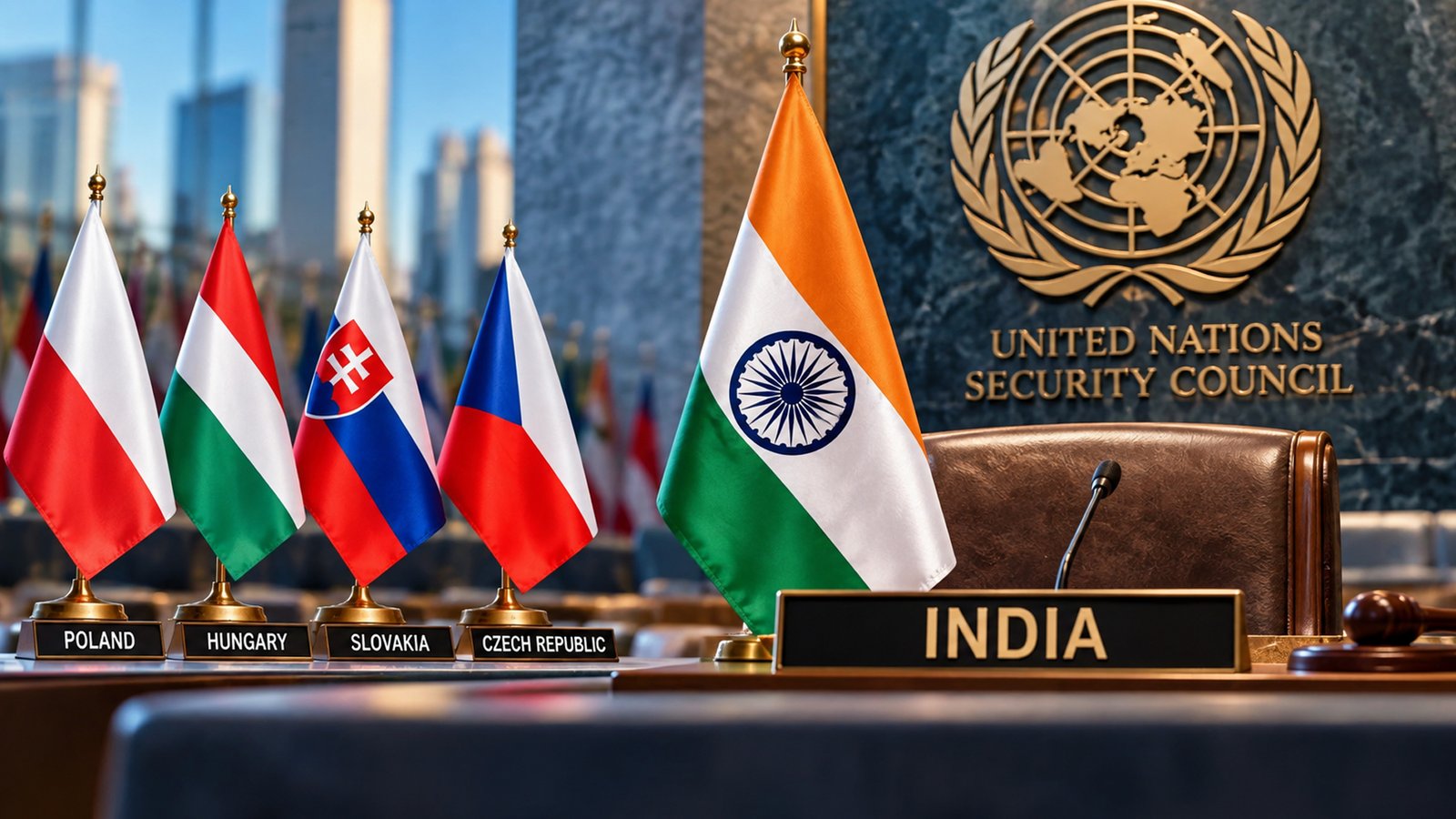
India emerged as one of the few countries to avoid the higher tariff. After initially being considered for a 12.5% duty, New Delhi secured the lower 10% rate following changes to its foreign trade policy that ban imports made using forced labour. The revised policy is believed to have played a key role in the US decision.
The White House said the tariffs are part of its broader effort to promote ethical supply chains and ensure fair competition for American manufacturers. Officials argued that countries benefiting from access to the US market must also meet stronger labour standards.
However, the announcement has drawn criticism from several affected nations. China rejected the allegations and accused Washington of using trade measures for political purposes. Japan, Australia, South Korea, New Zealand and other countries also questioned the basis of the US investigation, saying they already have laws to prevent forced labour.
Several governments warned that the new tariffs could increase costs for exporters, disrupt global supply chains and create fresh uncertainty for international businesses. Trade experts also cautioned that higher import costs may eventually be passed on to American consumers through increased prices.
Analysts noted that the Trump administration chose to impose the tariffs under Section 301 after earlier trade measures faced legal challenges in US courts. Using this provision is expected to give the latest duties a stronger legal footing.
For India, the lower tariff offers some relief, helping maintain the competitiveness of its exports in the US market compared with countries facing higher duties. Even so, exporters remain cautious as Washington has indicated that more trade investigations and tariff actions could follow in the coming months.
The latest decision underscores Trump’s continued reliance on tariffs as a central tool of US trade policy, signalling that global businesses may continue to face uncertainty as the administration pushes for tougher labour and trade standards worldwide.