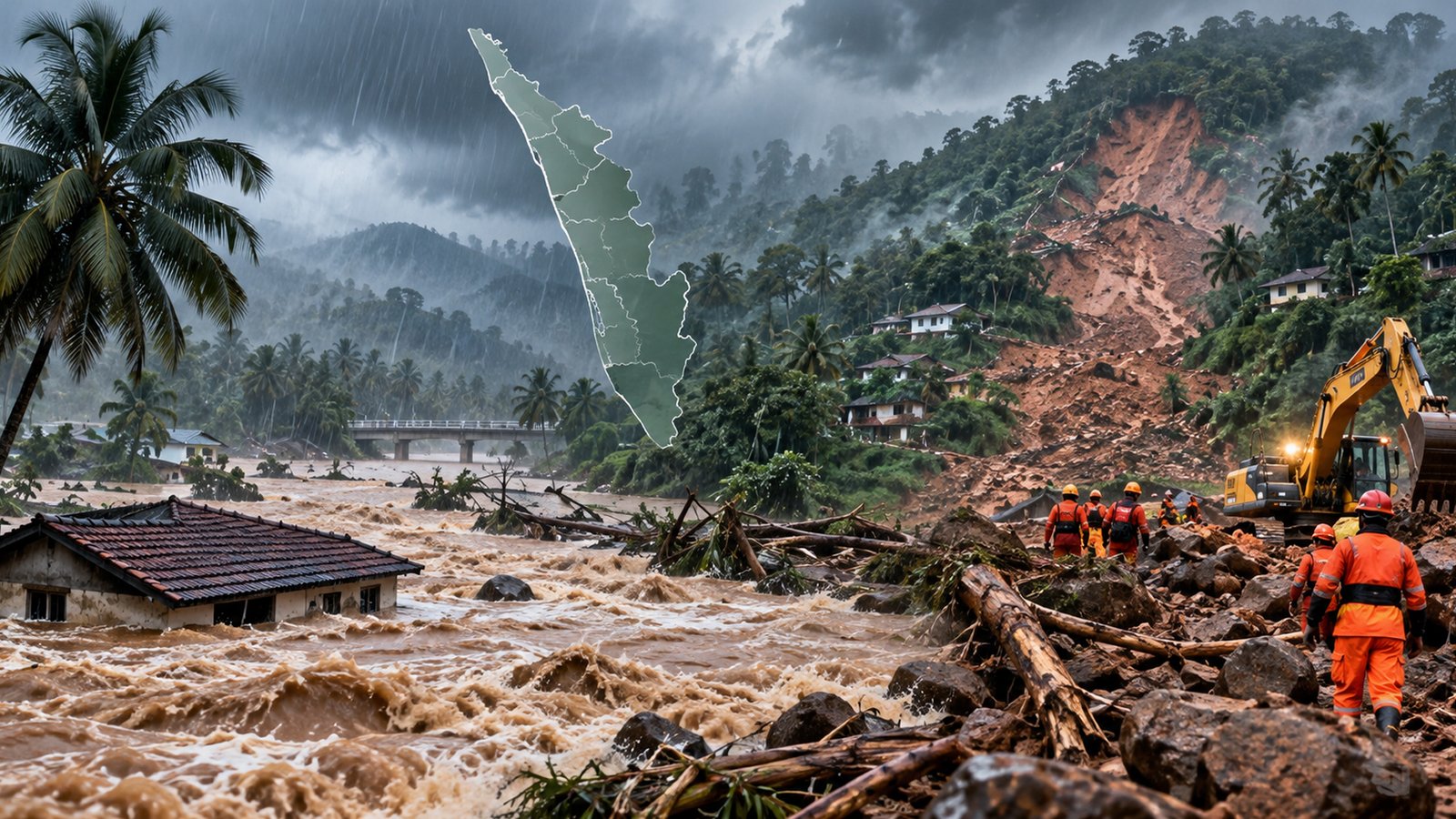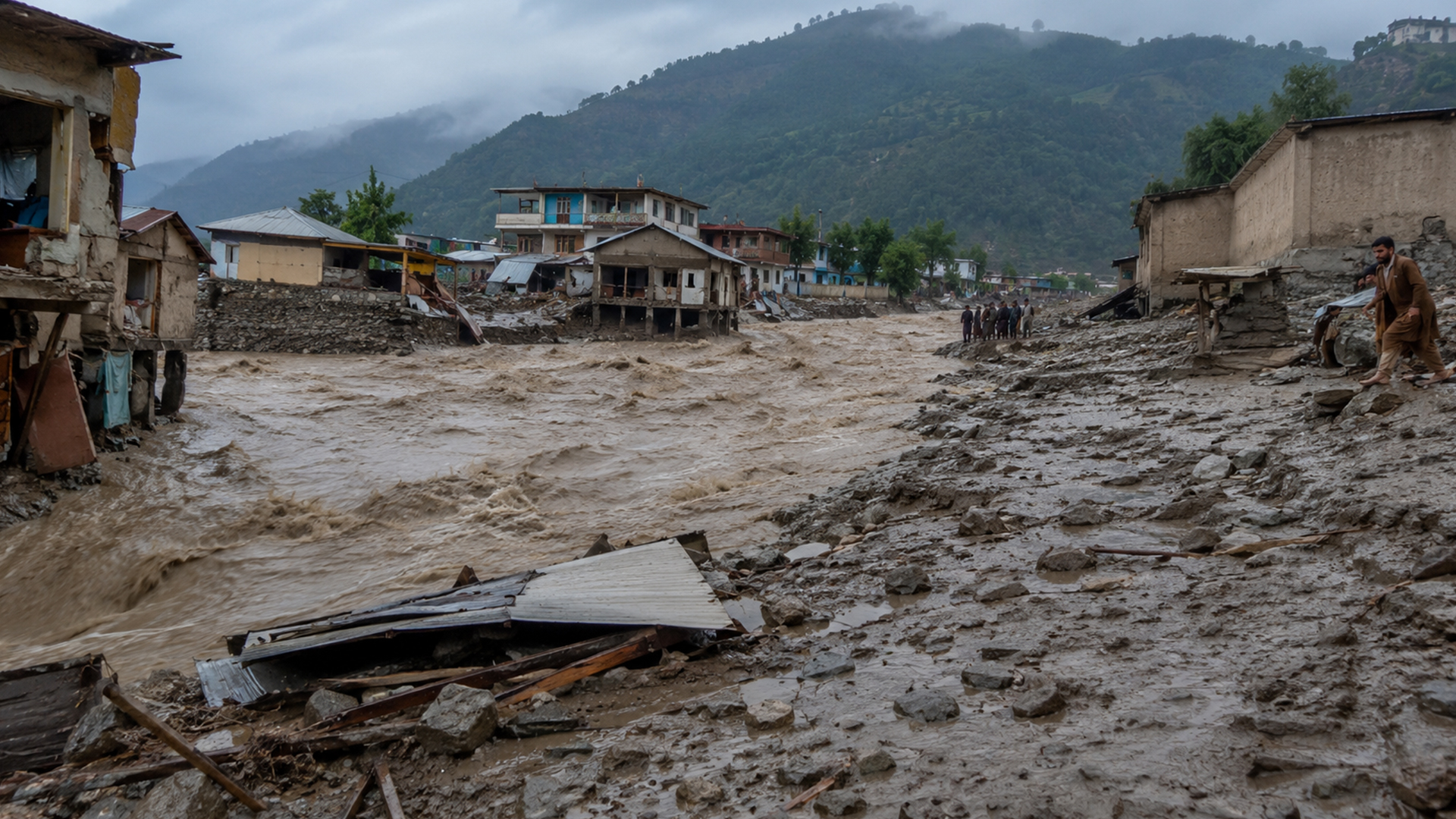
At least 23 people have been killed, around 80 injured, and more than 100 remain missing after devastating flash floods swept through Afghanistan’s remote eastern province of Nuristan, triggering one of the country’s deadliest natural disasters this year. Rescue teams are continuing a desperate search for survivors as fears grow that the death toll could rise significantly in the coming days.
The floods struck on Monday after hours of intense rainfall caused rivers to overflow and torrents of water to rush through valleys and villages with little warning. The worst-hit area was Parun, the capital of Nuristan province, along with several nearby districts where homes, roads, bridges and farmland were washed away within minutes.
According to Afghanistan’s National Disaster Management Authority (ANDMA), the floods caused widespread destruction, leaving entire communities cut off from the outside world. Many residents were trapped inside collapsing homes, while others were swept away by powerful currents as floodwaters surged through narrow mountain valleys.
Rescue workers, security personnel and local volunteers have been deployed to the affected areas, but operations have been hampered by damaged roads, landslides and the rugged terrain that makes Nuristan one of Afghanistan’s most inaccessible provinces. In several villages, emergency teams have been forced to travel on foot after bridges collapsed and roads became impassable.
Officials said more than 100 people are still missing, raising fears that the number of fatalities could increase as search teams continue clearing mud and debris. Communication with some remote settlements has also been disrupted, making it difficult for authorities to assess the full extent of the disaster.
Among those reported missing is Parun Mayor Mohammad Shah Amin, along with two of his bodyguards, after they were caught in the floods while travelling through the affected area. Authorities are continuing efforts to trace them as rescue operations intensify.
Heartbreaking scenes have emerged from flood-hit villages, where survivors have been searching through thick mud with their bare hands in the hope of finding relatives buried beneath collapsed buildings. Many families have spent hours waiting along riverbanks for news of loved ones who were swept away by the sudden floods.
Apart from the tragic loss of life, the disaster has destroyed hundreds of homes and severely damaged agricultural land, livestock and local infrastructure. For many families in Nuristan, farming is the primary source of income, and the destruction of crops and livestock has dealt a severe blow to their livelihoods.
Local officials say many survivors have been left without food, clean drinking water or shelter. Temporary relief camps are being set up, while humanitarian agencies are preparing to send emergency supplies, including food, medicines, blankets and tents, to the affected communities.
Authorities have warned that the situation could worsen as meteorological forecasts predict more heavy rain and thunderstorms across several parts of Afghanistan in the coming days. The National Disaster Management Authority has urged residents living near rivers and flood-prone areas to move to safer locations wherever possible.
The latest disaster once again highlights Afghanistan’s growing vulnerability to flash floods, extreme weather and climate change. Although the country contributes very little to global greenhouse gas emissions, it is considered one of the nations most affected by climate-related disasters due to decades of conflict, poverty, weak infrastructure and environmental degradation.
Experts say rising temperatures have increased the frequency of extreme rainfall events across the region. Deforestation, soil erosion and poorly developed drainage systems have further heightened the risk of flash floods, particularly in mountainous provinces such as Nuristan, where rivers can swell rapidly after heavy rain.
Natural disasters have become increasingly common across Afghanistan in recent years. Earlier this year, floods and landslides killed more than 100 people in different parts of the country, while severe storms caused extensive damage to homes, roads and farmland. In 2024, catastrophic floods claimed more than 300 lives and displaced thousands of families.
The recurring disasters have added to Afghanistan’s already severe humanitarian crisis. Millions of people across the country continue to struggle with food insecurity, unemployment and limited access to healthcare following years of conflict and economic hardship. Humanitarian organisations have warned that fresh natural disasters are placing additional pressure on already stretched relief resources.
The United Nations and international aid agencies are closely monitoring the situation and are expected to support relief efforts as damage assessments continue. Emergency assistance will focus on providing shelter, food, clean water, medical care and essential supplies to families who have lost everything.
For the people of Nuristan, however, the immediate concern remains finding those who are still missing. As rescue teams continue searching through debris and swollen riverbanks, anxious families cling to hope that their loved ones will be found alive.
The tragedy has left entire communities grieving and once again underscored the devastating impact of extreme weather on one of the world’s most vulnerable countries. With more rain forecast and rescue operations still underway, Afghanistan now faces the difficult task of rebuilding shattered lives while preparing for the possibility of further flooding in the days ahead.
Also Read: Spain’s World Cup victory parade draws two million