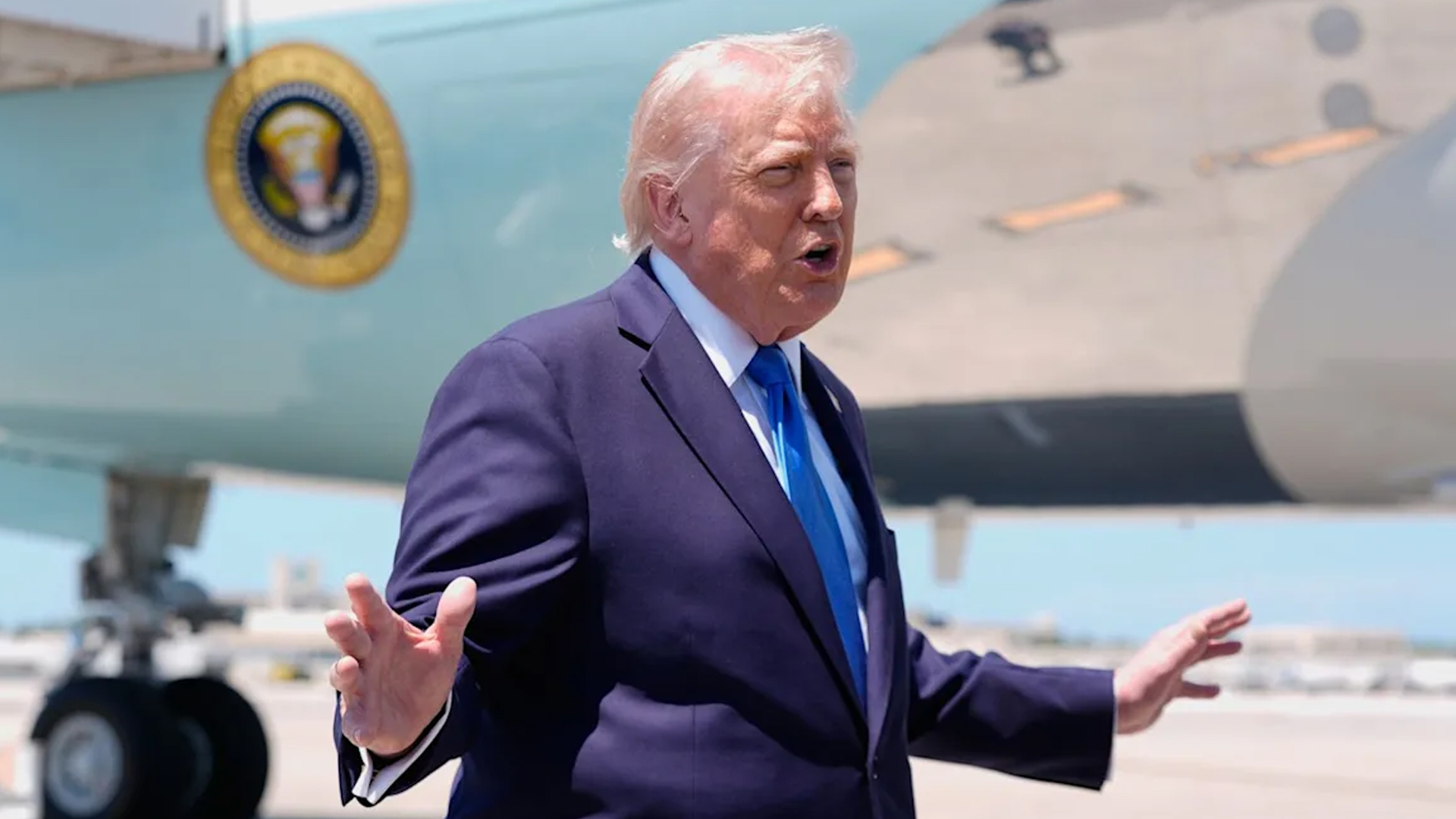
US President Donald Trump has decided to hold off on ordering fresh military strikes against Iran, saying input from key Gulf leaders played a major role in the decision. The move marks a fresh turn in the escalating US-Iran conflict, with Washington now giving diplomacy another chance as efforts intensify to reach a deal on Iran’s nuclear programme and reopen the strategically important Strait of Hormuz.
Trump said Gulf leaders, including Saudi Arabia, Qatar and the United Arab Emirates, had urged him to give negotiations more time rather than launch another major attack. The US president had been considering a potentially large military operation against Iran, but regional concerns about a wider war and its impact on energy supplies helped push Washington towards a pause.
The decision comes after months of confrontation between the United States and Iran. The conflict has repeatedly moved between military escalation and attempts at diplomacy, leaving the wider Middle East on edge. Trump has previously threatened to intensify attacks if Tehran failed to make concessions, while Iran has warned that any new US assault would trigger a strong response.
For Gulf countries, another round of US-Iran strikes carries risks far beyond the battlefield. Saudi Arabia, Qatar, the UAE and other regional states have already faced the consequences of the conflict, including threats to energy infrastructure, airspace and commercial shipping.
Saudi Crown Prince Mohammed bin Salman has stressed the importance of dialogue and de-escalation in discussions with Trump. Qatar has also played a role in diplomatic efforts, while Oman has been involved in discussions concerning the Strait of Hormuz.
The Gulf states have a particularly strong interest in preventing the conflict from spreading. Any major escalation could threaten oil and gas production, shipping routes and regional economies. The Strait of Hormuz is especially important because it is one of the world’s most critical energy corridors.
Trump has acknowledged the concerns of his regional partners and said their views weighed heavily in his decision to delay another attack. The pause, however, is not being presented as an end to the US military threat. Washington continues to maintain pressure on Tehran and has made clear that military options remain available if diplomacy fails.
The Strait of Hormuz has emerged as one of the biggest issues in the US-Iran confrontation. The waterway connects the Persian Gulf with the Gulf of Oman and is vital for global energy shipments.
Traffic through the strait has been badly disrupted during the conflict, adding to concerns about oil supplies and shipping costs. The United States wants the waterway fully reopened and commercial vessels allowed to pass freely. Iran, meanwhile, has sought arrangements that give it greater control over shipping and the use of its territorial waters.
Recent diplomatic efforts involving Iran and Oman have focused on finding a workable arrangement for shipping through the area. A possible agreement over the strait could provide an important opening for broader US-Iran negotiations.
Trump has said the proposed understanding would involve reopening the Strait of Hormuz, reducing regional hostilities and addressing concerns over Iran’s nuclear ambitions. Reuters reported that the US president is prepared to delay a new attack if a deal can be reached quickly.
Iran’s nuclear programme remains at the heart of the dispute. Washington has repeatedly demanded guarantees that Tehran will not develop nuclear weapons, while Iran has rejected demands it considers a threat to its sovereignty.
The challenge for negotiators is therefore much larger than simply stopping attacks. Any agreement would have to address Iran’s nuclear activities while also dealing with sanctions, oil exports, shipping through Hormuz and broader regional security.
Trump has indicated that he wants a quick breakthrough. On Sunday, he said US-Iran talks would take place on Monday, although he did not set a deadline for reaching a final agreement.
The announcement has already had an impact on energy markets. Oil prices fell sharply on Monday as investors reacted to the possibility of a diplomatic breakthrough and the prospect of more stable shipping through the Strait of Hormuz. Brent crude dropped more than 5% at one stage, while US West Texas Intermediate also fell heavily.
Despite the diplomatic opening, there is little certainty that the latest effort will succeed. Previous ceasefires and agreements have repeatedly broken down, followed by renewed US and Iranian military action.
Iran has also remained cautious about Trump’s claims of progress. Differences over the nuclear programme, sanctions and control of the Strait of Hormuz remain substantial. Any agreement would need support from multiple regional players and, crucially, acceptance within Iran and the United States.
The US decision to hold off on further strikes keeps the door open for negotiations with Iran. The pause could lead to broader talks if both sides make progress, although Trump has made it clear that military action remains on the table if diplomacy fails.
The move also gives Gulf countries more time to pursue diplomatic efforts and prevent further escalation in the region. Attention now turns to the upcoming talks, with their outcome likely to determine whether the current pause develops into a longer-term de-escalation or another temporary break in the conflict.