
The Summaries
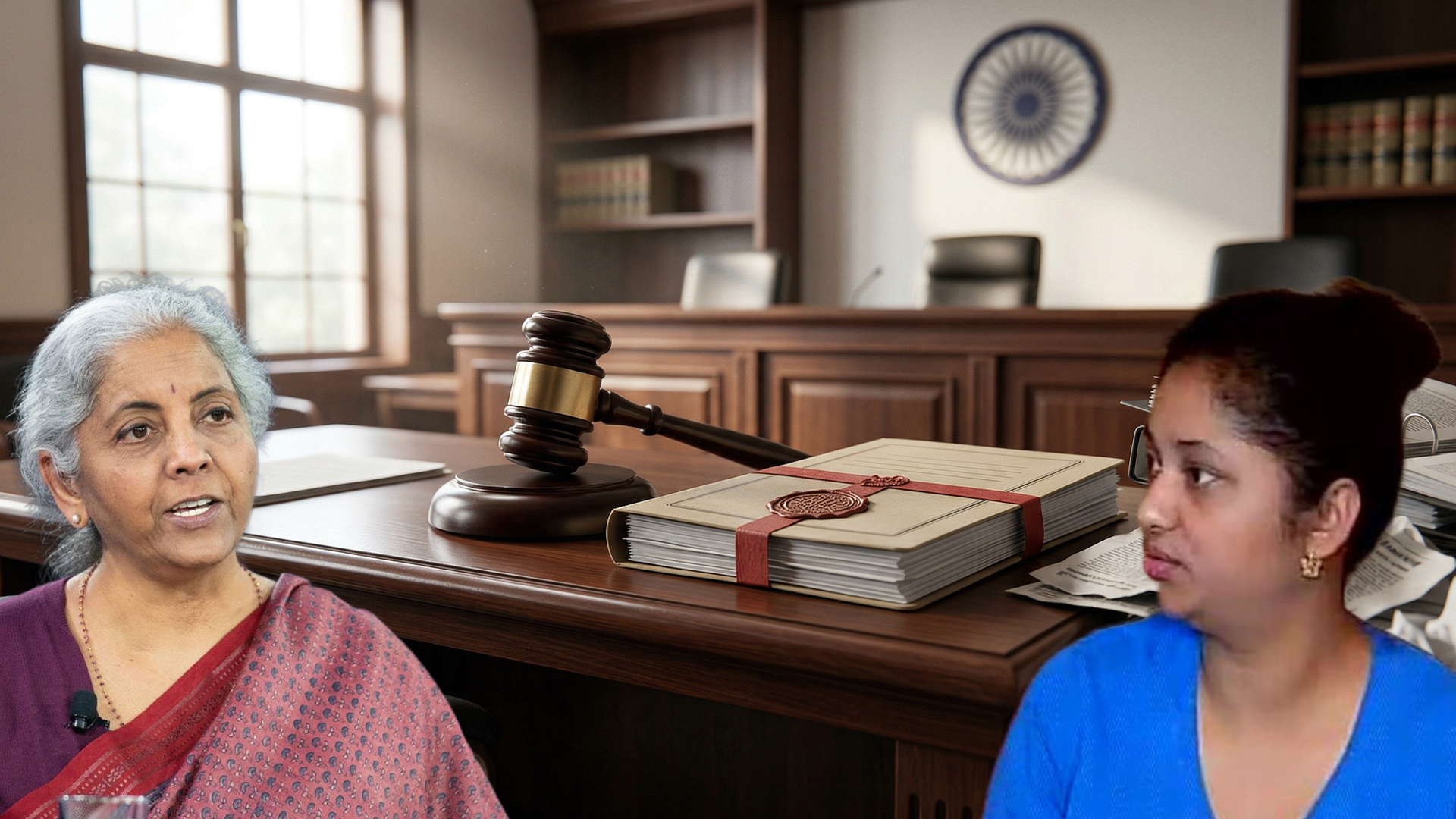
Court clears Nirmala Sitharaman in defamation case
A Delhi court has dismissed a defamation complaint against Finance Minister Nirmala Sitharaman, filed by Lipika Mitra. The judge ruled there was no sufficient basis to continue the case, which stemmed from remarks made during the 2024 election campaign.

Drone strike hits Kuwait Airport, fire erupts
A drone attack, blamed on Iran–linked forces, struck Kuwait International Airport, igniting a large fire and causing damage. Officials reported structural destruction but no confirmed civilian casualties. Airport operations were disrupted as emergency teams worked to control the blaze.

India braces for more heatwave days
The IMD has warned that India will experience more heatwave days from April to June, mainly in eastern, central, and northwestern regions. Some areas may face several extra hot days, though occasional rain could provide brief relief from rising temperatures.

Spain blocks US military flights over Iran war
Spain has closed its airspace and barred US military planes from its bases for operations related to the Iran war, signaling strong opposition to the conflict and straining ties with the United States.

Pentagon rejects defence fund report
Reports claimed that a broker for US Defence Secretary Pete Hegseth tried to buy a defence-related fund just before the Iran conflict. The Pentagon denied the allegation, calling it “completely false and fabricated.”
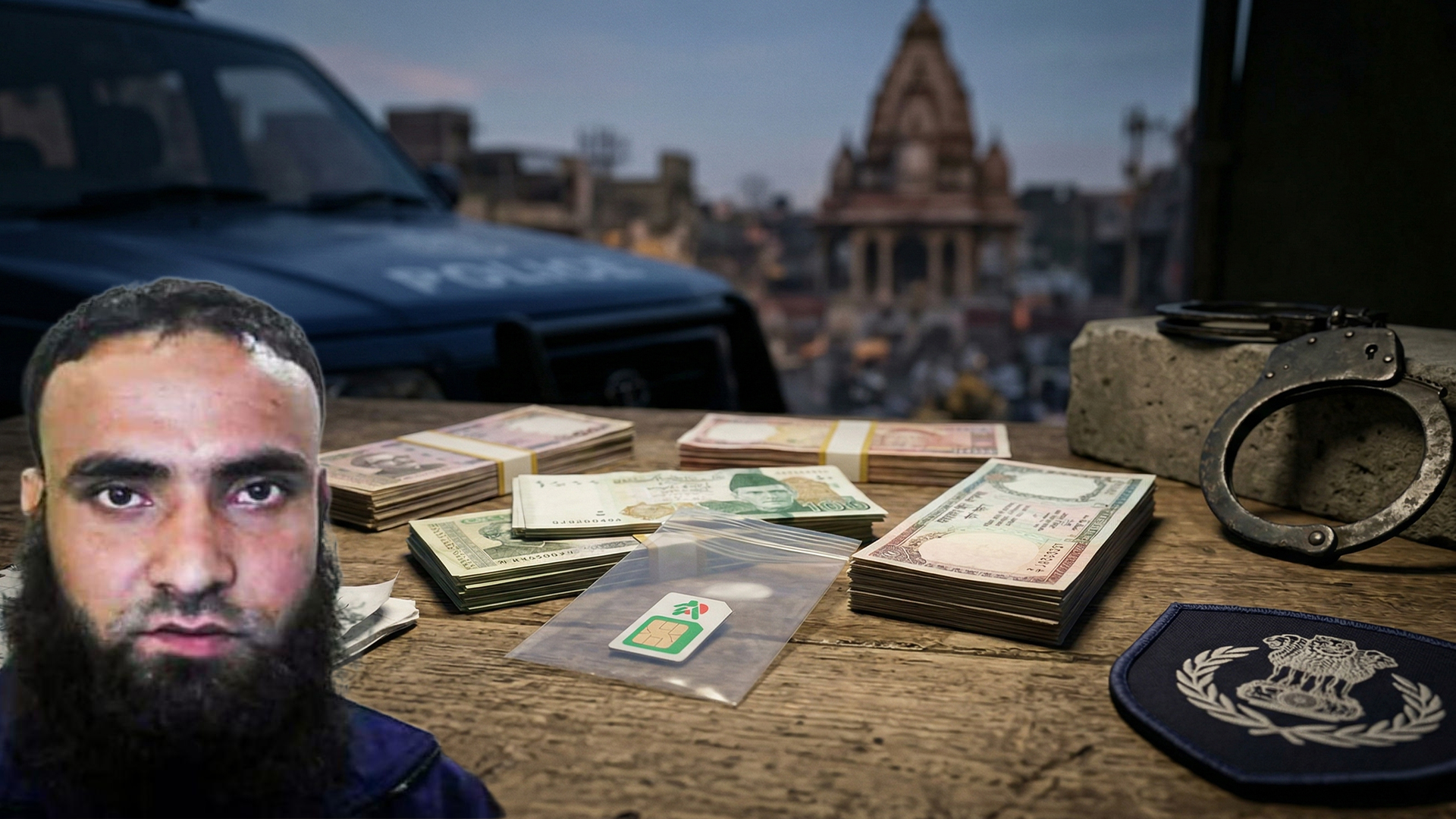
Suspected LeT member held in Delhi
Delhi Police arrested Shabir Ahmed Lone, a suspected Lashkar-e-Taiba operative, in Ghazipur. He is accused of managing a terror module and involvement in recent anti-national activities. Authorities are continuing investigations to uncover further links.
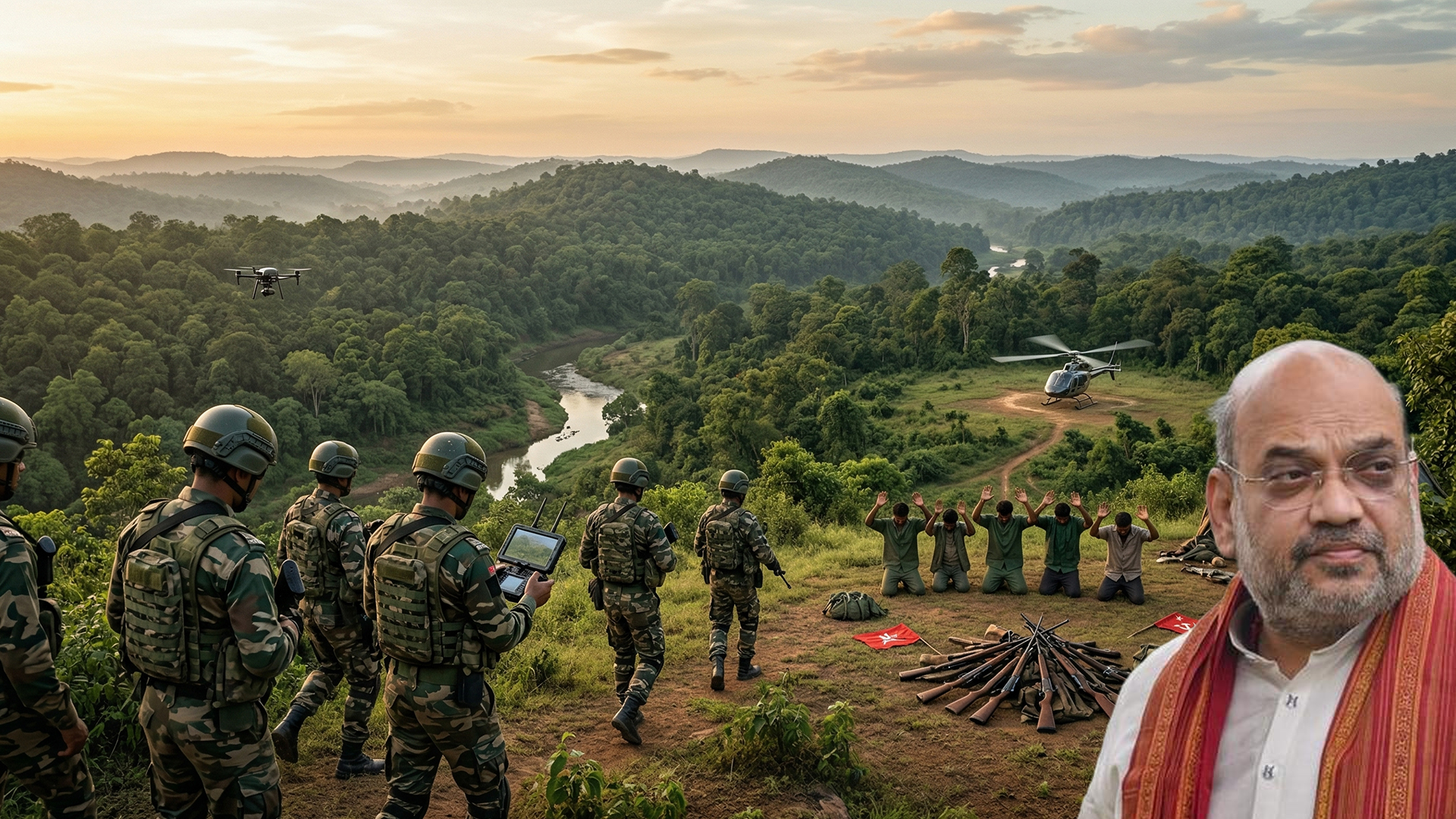
Maoist leadership wiped out says Amit Shah
Union Home Minister Amit Shah said in Lok Sabha that nearly the top Maoist leadership has been wiped out, with only one leader remaining. He added sustained security operations have weakened the insurgency, marking a significant achievement for the government.
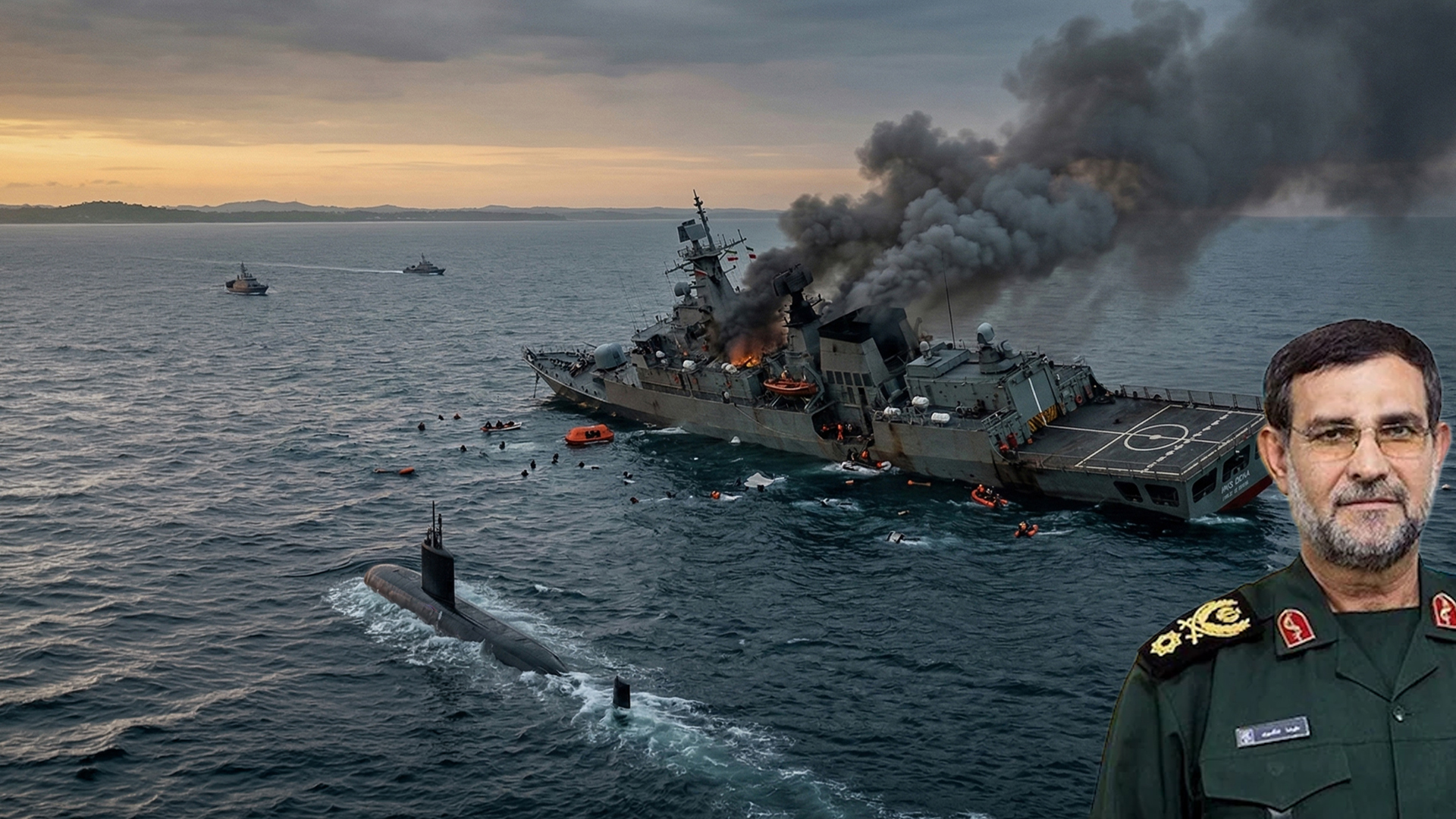
Iranian commander behind Hormuz block dies
Iran confirmed the death of IRGC Navy commander Alireza Tangsiri, injured in an Israeli strike. Officials stressed that despite his passing, Iran’s control over the Strait of Hormuz and ongoing operations would remain unaffected.
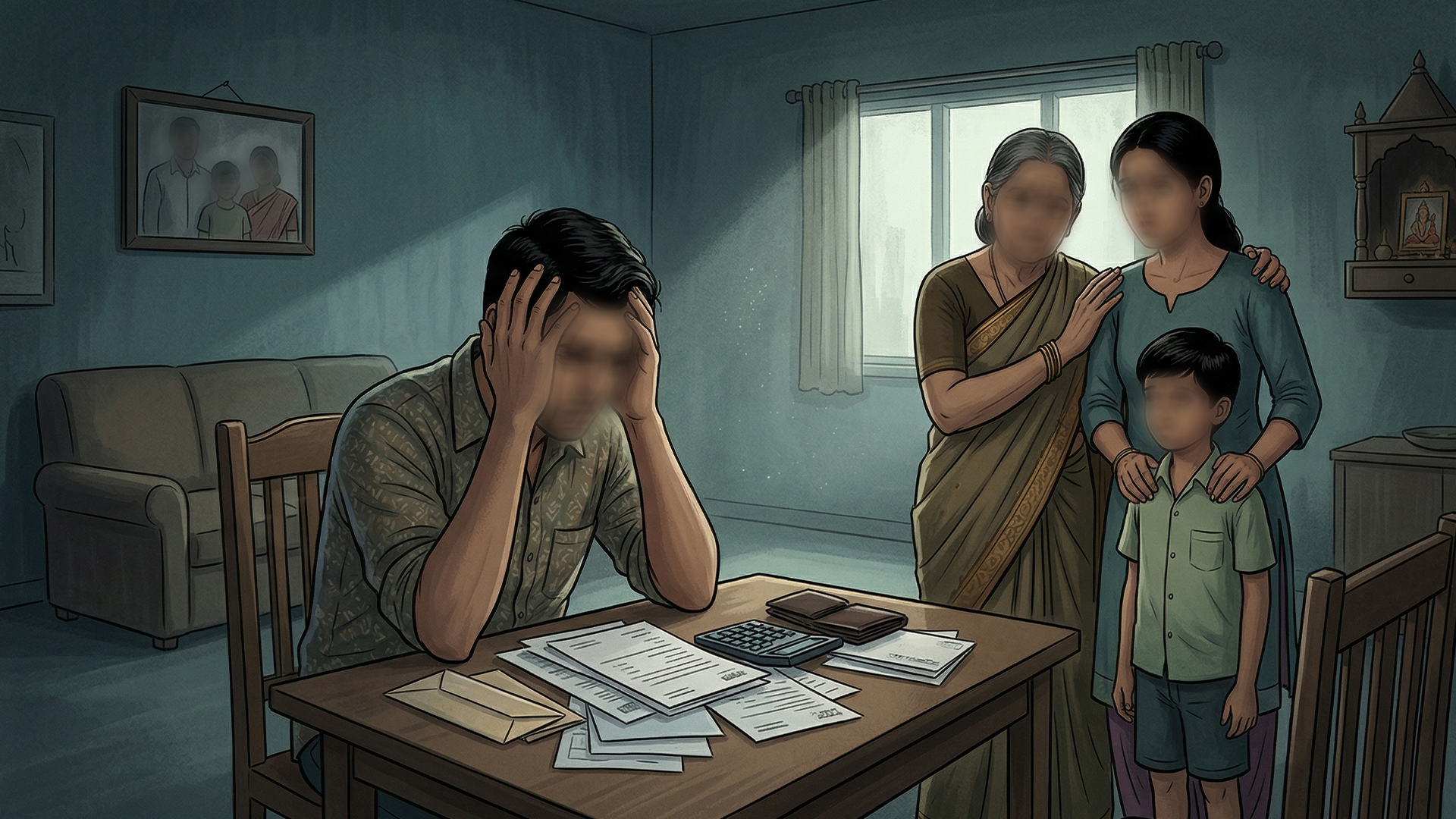
Bengaluru man attacks family, tries suicide
A 26-year-old man in Bengaluru allegedly attacked his mother, sister, and nephew by slitting their throats, then attempted suicide. Two family members remain in critical condition. Police are investigating the incident as a possible murder-suicide over financial stress.

India opposes WTO investment pact
India opposed the China-backed Investment Facilitation for Development pact at the WTO, with Commerce Minister Piyush Goyal saying it could harm the organisation’s rules. India stood alone, stressing that such agreements should only proceed with full global consensus.
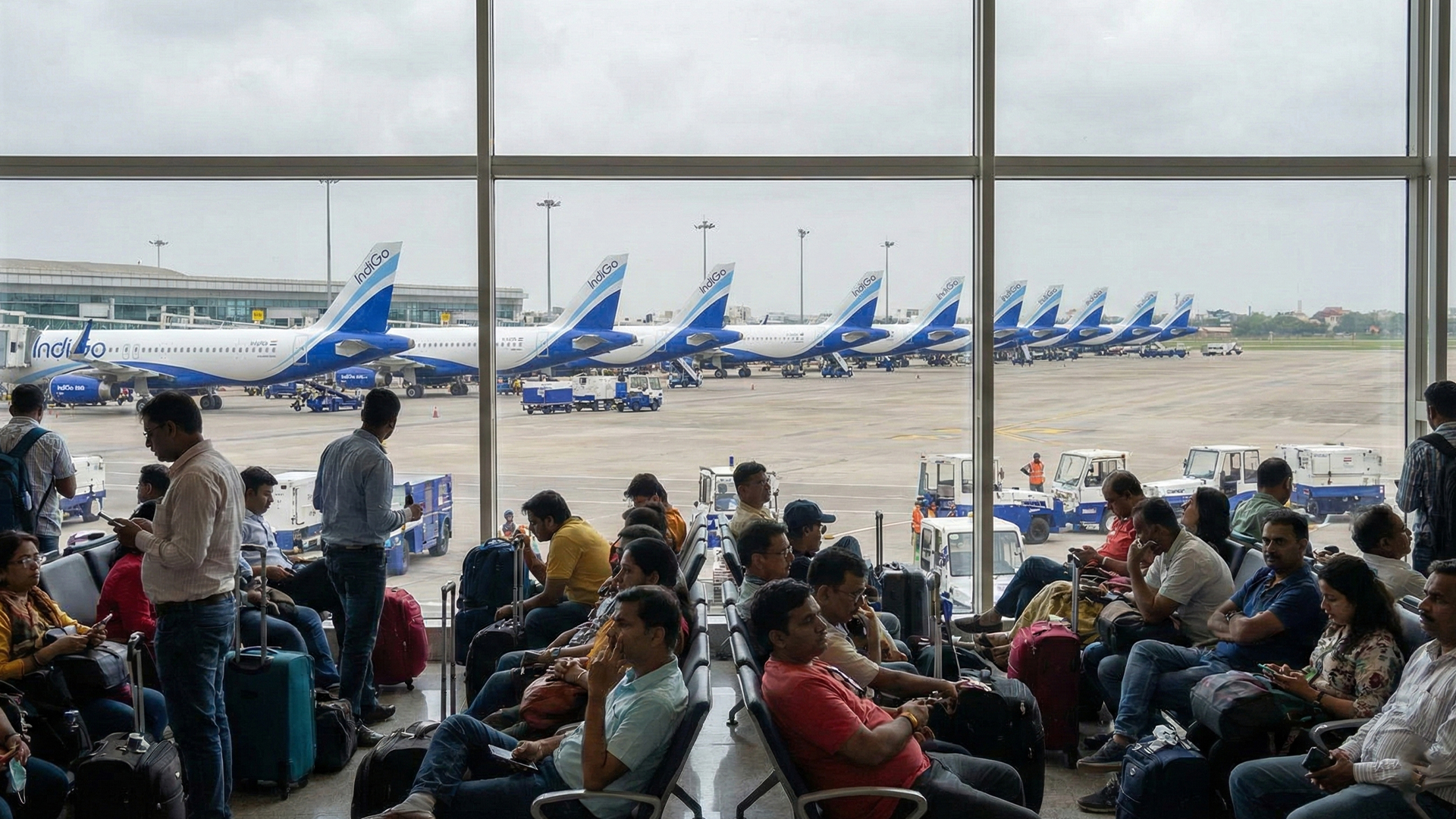
Mid-air scare on IndiGo flight
A passenger on an IndiGo flight from Bengaluru to Varanasi tried twice to open the emergency exit mid-air, forcing the pilot to abort landing. Crew intervened, and the man, who claimed ghost possession, was detained after landing in Varanasi.

Avalanche kills 7 at Zojila Pass in Leh
Seven people lost their lives and five others were injured after an avalanche hit Zojila Pass. One was a toddler. Vehicles were trapped under heavy snow, prompting rescue efforts. The crucial Srinagar-Leh highway was temporarily closed for safety and clearance.
About This Category
The Format Is the Editorial Argument
The name of this publication is The Summary. This section is where that philosophy is most directly expressed. The Summaries are not abbreviated versions of longer articles. They are complete pieces of journalism — reported, edited, and published at a length that respects both the story and the reader's time. The decision to keep them short is not a constraint. It is a position: that most news can be communicated clearly in 150 words, and that padding it to 600 words rarely improves it.
The editorial discipline required to produce a good summary is different from, and in some ways harder than, writing at length. Every sentence has to do real work. Nothing survives that doesn't belong there.
What Ends Up Here
The range is genuinely broad — and deliberately so. On any given day, The Summaries might carry a Karnataka cabinet resignation, a hospital fire in Bihar, a CBSE policy recommendation, a Kerala toddler death that has triggered public outrage, and a Cockroach Janta Party founder's plans to protest at Jantar Mantar. These are not thematically related stories. They are simply the news, treated with consistent brevity.
That breadth is the point. A reader who follows The Summaries doesn't need to choose a category to monitor. National politics, health research, civic tragedies, civil society, lifestyle news — it all comes through this section at a pace that doesn't require hours of reading to stay current.
The Judgment That Goes Into 150 Words
Selection is where the editorial work happens. Not everything becomes a Summary. Stories make it here when the core fact is clear, the significance is demonstrable, and the full picture can be honestly conveyed at short length without stripping context that the reader actually needs. A story like the Muzaffarpur hospital fire — four lives lost, a state inquiry ordered, families to be compensated — can be told completely in under two minutes. Stretching it doesn't add information; it adds length.
Some stories don't work as summaries because the context is too dense to compress responsibly. Those go elsewhere on the site. The Summaries is not a catchall; it's a format with specific requirements, and not every story meets them.
A Different Kind of Archive
Over time, The Summaries has become a reliable daily record of what happened in India and across the world — told concisely, sourced from official announcements and credible reporting, and published without the delay that often accompanies longer-form analysis. Readers who have followed the section consistently say it functions as a news briefing they can consume in a single sitting. That is more or less exactly what it was designed to do.
Frequently Asked Questions
Q1. What is The Summaries format and how is it different from other sections?
The Summaries are short, complete news pieces — typically under 150 words — covering a single event or development clearly and accurately. Unlike the full-length articles in sections like National, Business, or Health, these are written to be read in under a minute. The format is intentional: the goal is to report the news completely, not briefly for brevity's sake.
Q2. Does The Summaries cover all topics or only specific beats?
All topics. A single scroll through The Summaries on any given day might include political news, health research, a civic disaster, an education policy decision, and a human interest story. The connective thread is the format, not the subject. Readers who want to stay across multiple beats without tracking several sections will find everything here.
Q3. Are The Summaries just shortened versions of longer articles on the site?
No. They are standalone pieces written specifically for this format. Occasionally, a major developing story will have both a full article and a Summary — but they are written separately, for different purposes. The Summary version is complete on its own terms, not a teaser or a preview of something longer.
Q4. How does The Summary decide what becomes a Summary versus a full article?
If a story can be told accurately and completely at short length without stripping essential context, it's a candidate for The Summaries. If the background, timeline, or stakeholder complexity genuinely requires more room, it gets a full article. The test is whether the reader comes away informed — not whether the piece meets a word count.
Q5. How often is The Summaries section updated?
Throughout the day as news develops. There is no fixed publishing schedule — stories are published when they are ready. Readers who check in once or twice daily will typically find several new pieces each visit. The pace reflects the news cycle, not a content calendar.
Q6. Is The Summaries a good starting point for readers new to the site?
It is probably the most efficient way to understand the full scope of what The Summary covers. Because the section spans every beat — politics, business, health, lifestyle, science, national, world news — a few minutes in The Summaries gives a reader a clearer picture of the publication's range than browsing any single category section would.